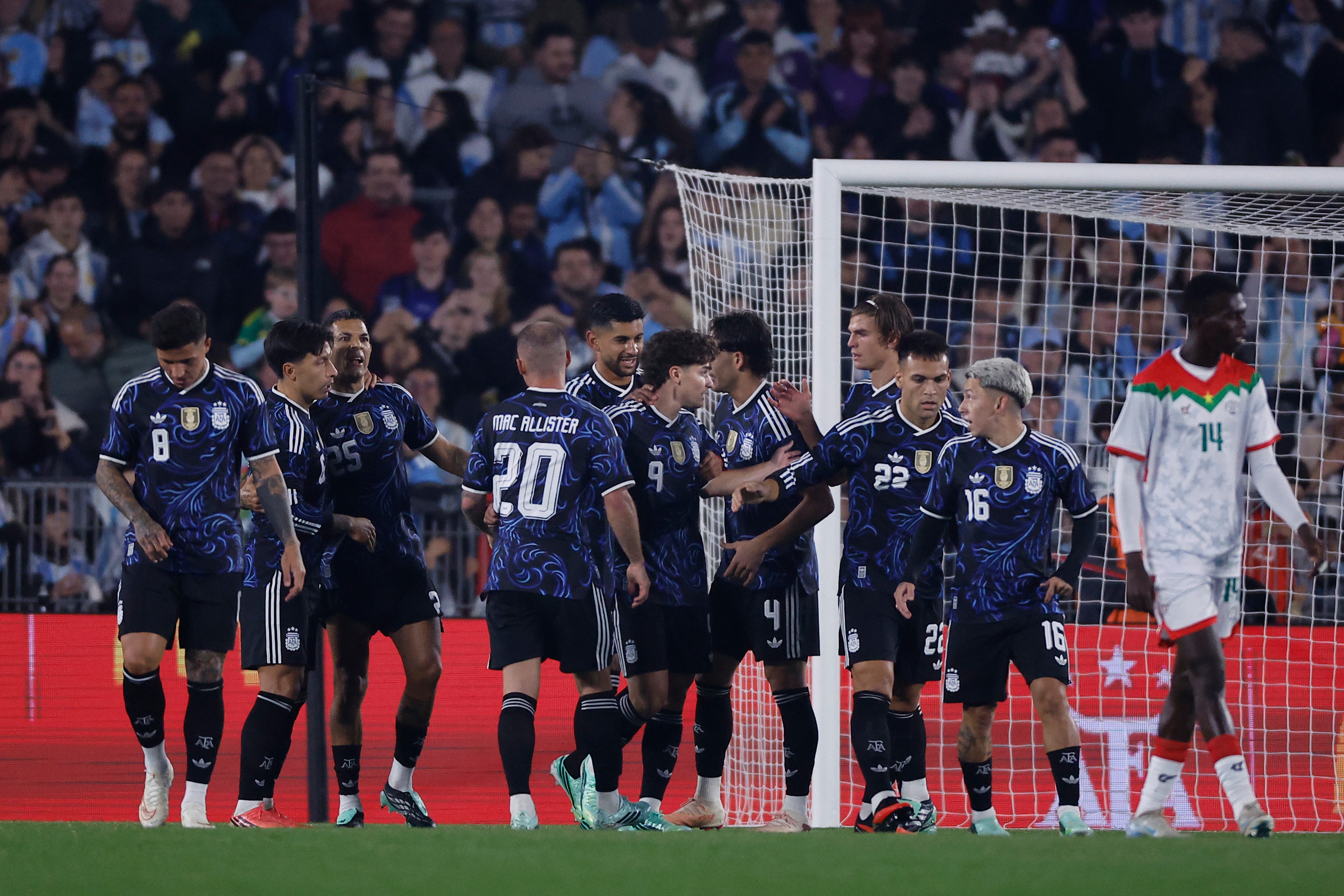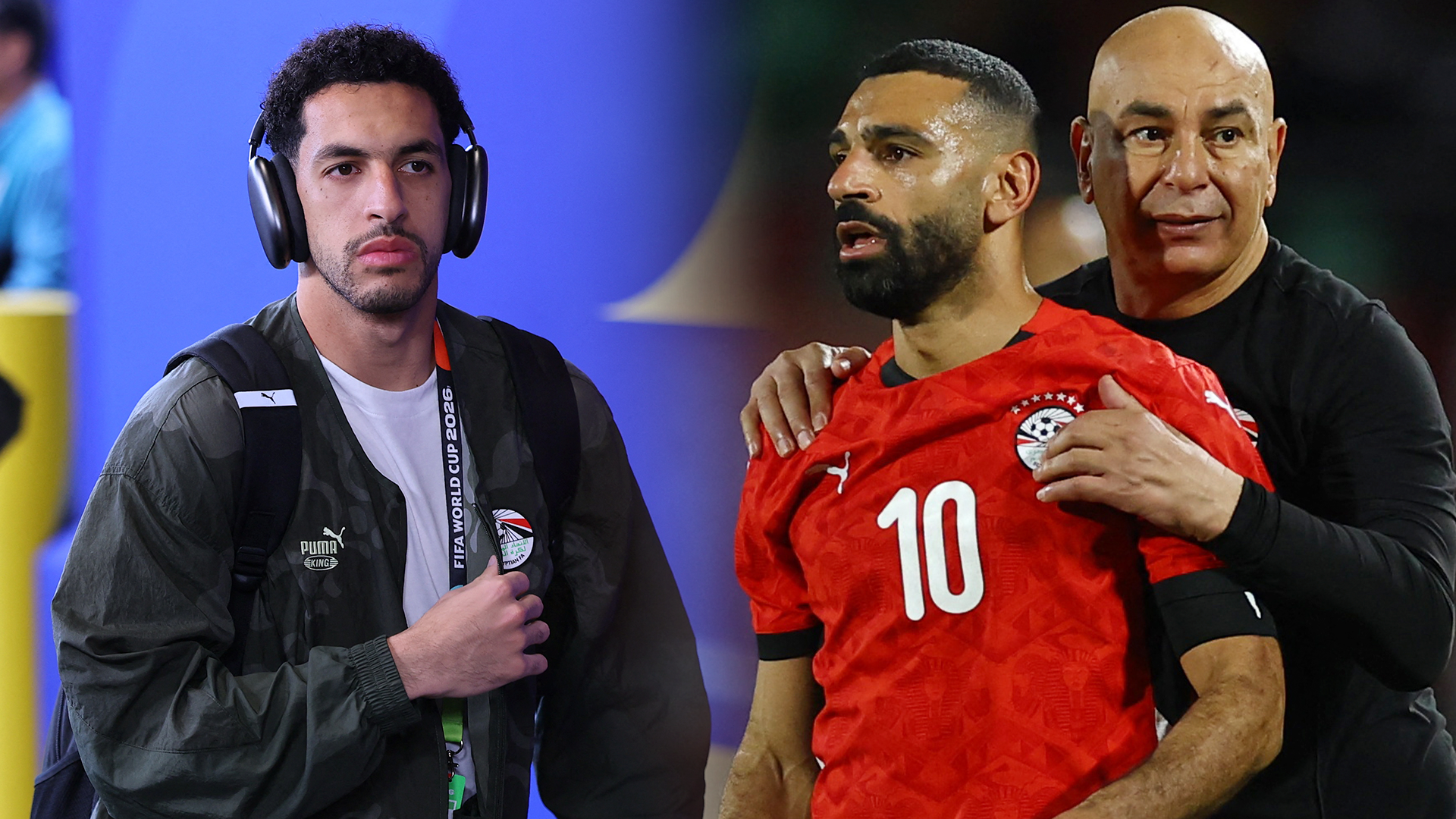

Argentina's dramatic comeback over Egypt in the 2026 FIFA World Cup Round of 16 produced one of the tournament's most talked-about moments. Amid protests over several refereeing decisions, Egyptian head coach Hossam Hassan raised both arms and crossed his forearms to form an "X," a gesture that immediately caught the attention of fans and analysts alike.
What Did Egypt's Coach Mean by Making the "X" Gesture Against Argentina?
The "X" gesture made by Hossam Hassan during Egypt's elimination against Argentina sparked widespread speculation. Although the signal is linked to FIFA's anti-racism protocol, its true meaning during the match continues to fuel debate.
The incident came after a series of controversial moments, including the VAR decision to disallow a goal by Mostafa Zico and a potential penalty involving Mohamed Salah that referee François Letexier chose not to review. Minutes later, Argentina scored the winning goal, increasing the frustration on the Egyptian bench.
The "X" Is Part of FIFA's Anti-Racism Protocol
Since 2024, FIFA has officially recognized the "X" gesture as part of its protocol for reporting alleged racist incidents during a match. Players, coaches, members of the technical staff, and referees can use the signal to alert officials to potential discriminatory behavior.
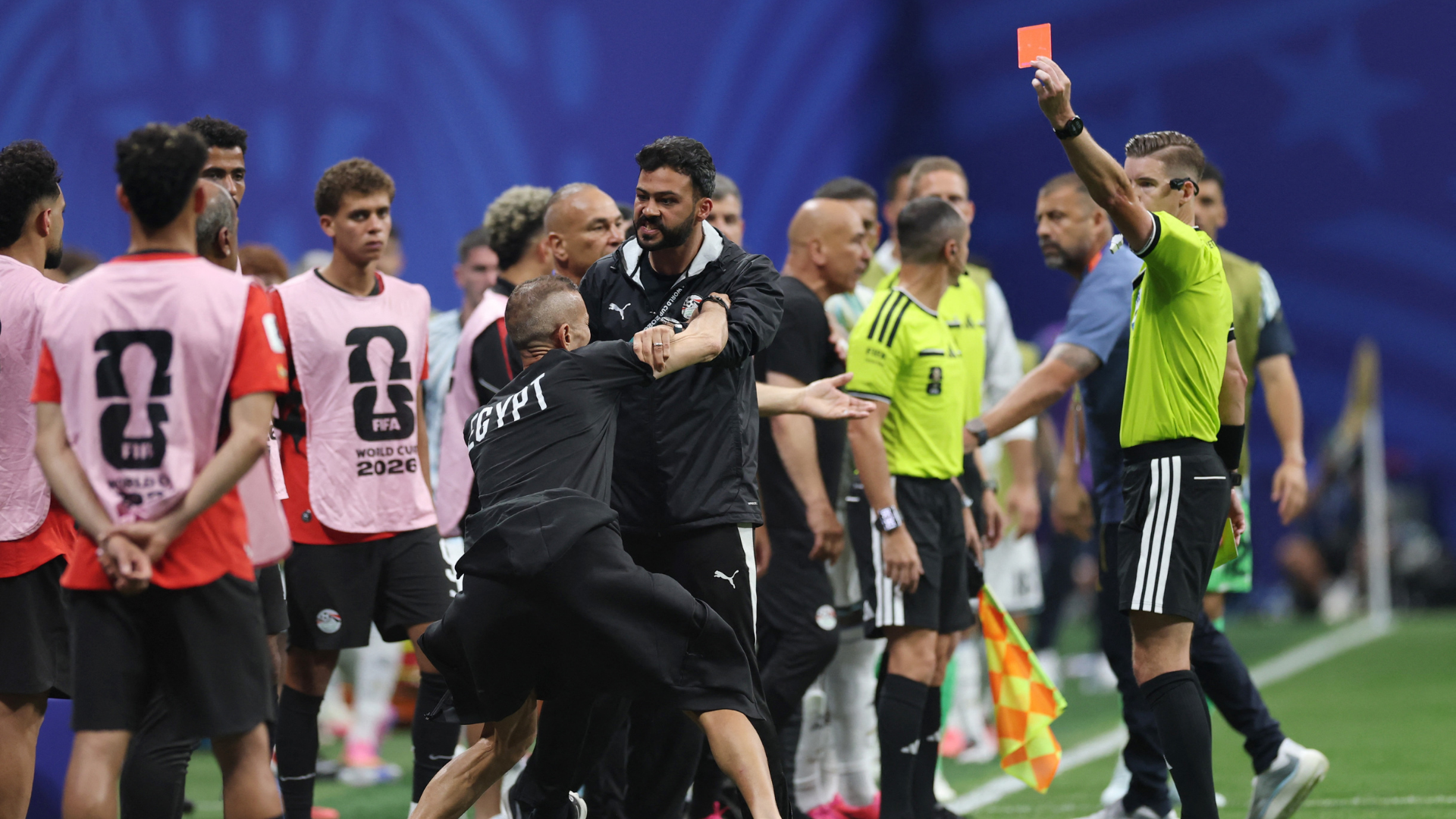
Once the gesture is made, the referee may activate a three-step protocol: temporarily stop the match to issue a stadium announcement, suspend play if the behavior continues, or, in extreme cases, abandon the match altogether.
However, during the match between Argentina and Egypt, the referee never activated the protocol.
Was It a Racism Complaint or a Protest Against the Officiating?
So far, there is no evidence that Hossam Hassan used the gesture to report a racist incident. Neither FIFA nor the Egyptian Football Association has reported any cases of discrimination during the match.

Following the game, the Egyptian coach focused all of his comments on the officiating. He insisted that his team had been treated unfairly, criticized the use of VAR, and argued that the refereeing decisions directly influenced the outcome that ultimately favored Argentina.