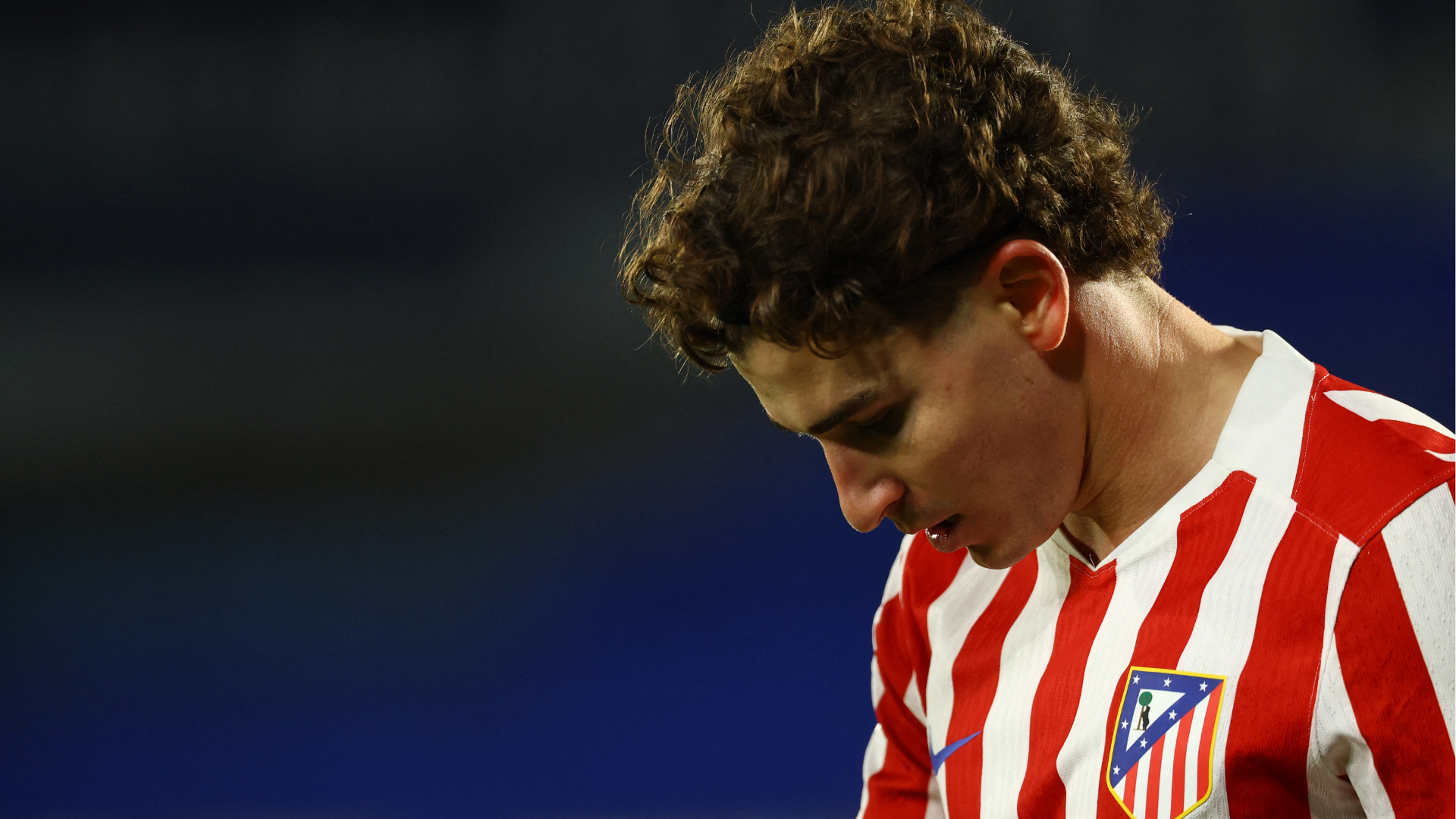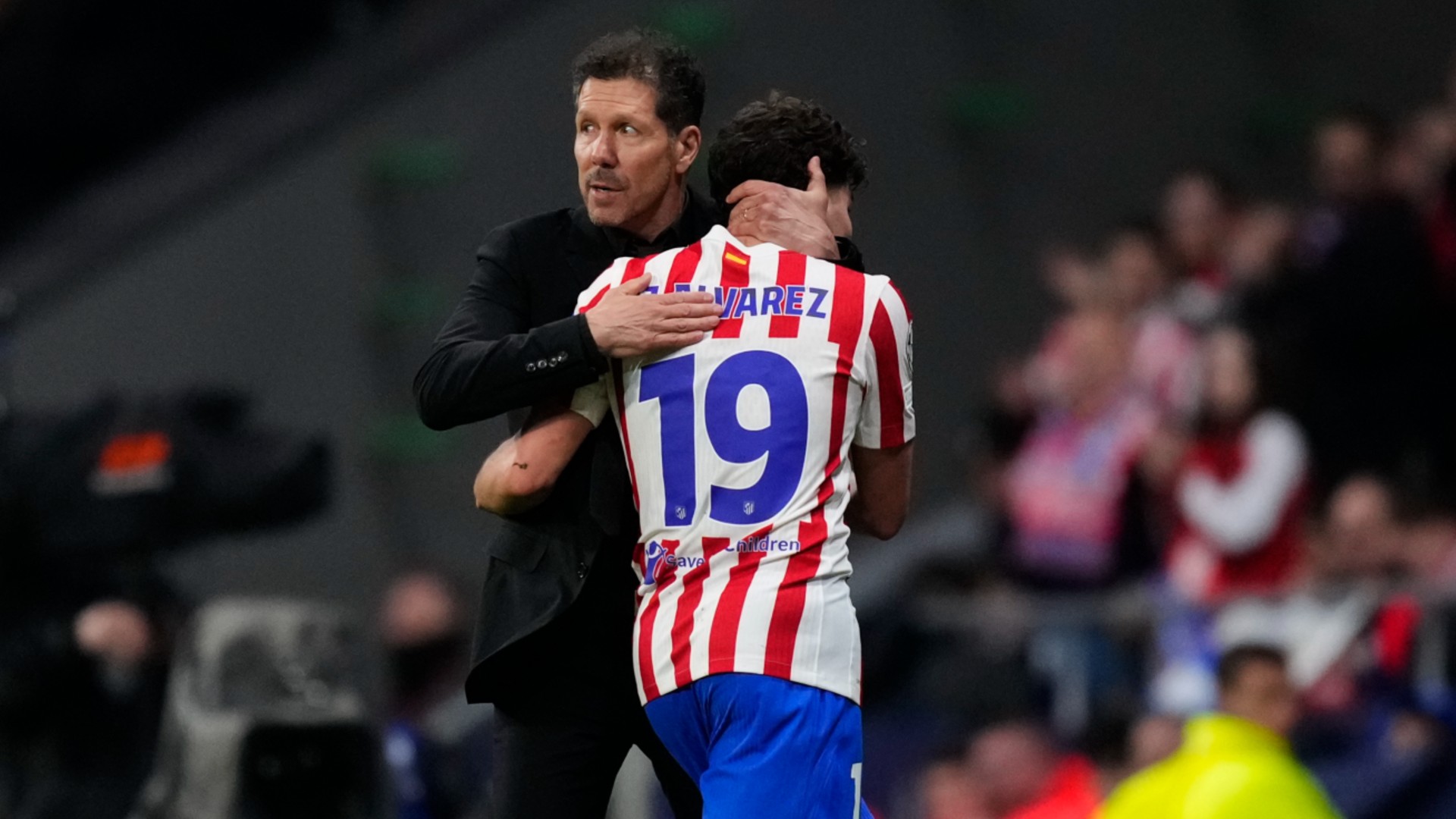

The testimony of Raphael Varane has reignited a crucial conversation about mental health in elite sports. In an interview with Le Monde, the former Real Madrid defender revealed that he lived through a deep depression shortly after arriving at the club at just 18 years old. Ten seasons of success hid a silent struggle beneath the surface.
Raphael Varane Reveals the Severe Depression He Suffered at Real Madrid
Varane’s words have shaken European football: behind the trophies and the glory, the French defender was fighting a silent battle he now chooses to reveal.
“I Felt Everything Was Falling Apart”
Varane admitted that his arrival in Madrid, far from being a dream fulfilled, plunged him into unexpected solitude. He trained constantly, played very little, and spent most of his time alone in a new city under immense pressure.
“It was depression. I didn’t enjoy anything anymore. I didn’t want to go home after training,” he said. He found himself trapped in endless doubts: whether he had made the right decision, whether he should leave, whether he should talk to someone.

The Crash After Reaching the Top
The Frenchman also recalled another difficult moment: the sharp emotional drop he experienced after winning the 2018 World Cup. Despite standing at the top of world football, he fell into a state he describes as devastating. Ironically, it was the pandemic that allowed him to stop, reflect and reset emotionally.
“I was able to process everything and restart,” he explained, acknowledging the paradox of a time that was so painful for millions.
A Calendar That Breaks Bodies and Minds
Varane was blunt about the silent threat affecting players today: the relentless calendar. He believes the overwhelming accumulation of matches turns footballers into “robots” and damages both performance and mental health.
“I had no rest that allowed me to recover physically or psychologically,” he said, pointing to this pressure as one of the reasons behind his retirement.
A Necessary Warning for Modern Football
In his final remarks, Varane compared the frantic rhythm of football to society’s obsession with speed and productivity. “You always have to do more, always faster. It’s extremely anxiety-inducing.”
For him, rest is not a luxury—it’s essential. His testimony raises a question the sport must confront: how much more can players endure before something eventually breaks?