
Which Two World Cup Curses Is Argentina Trying to Break in the 2026 FIFA World Cup Final?
Argentina enters the biggest match in soccer with the chance to end two of the most famous FIFA World Cup curses. Discover which streaks remain alive and which ones have already been broken.
The FIFA World Cup Final doesn't just pit the world's best national teams against each other—it also puts some of soccer's most remarkable streaks to the test. Over the years, several statistics have evolved into what many fans consider true World Cup "curses."

Argentina Can Break Two Historic World Cup Curses Against Spain
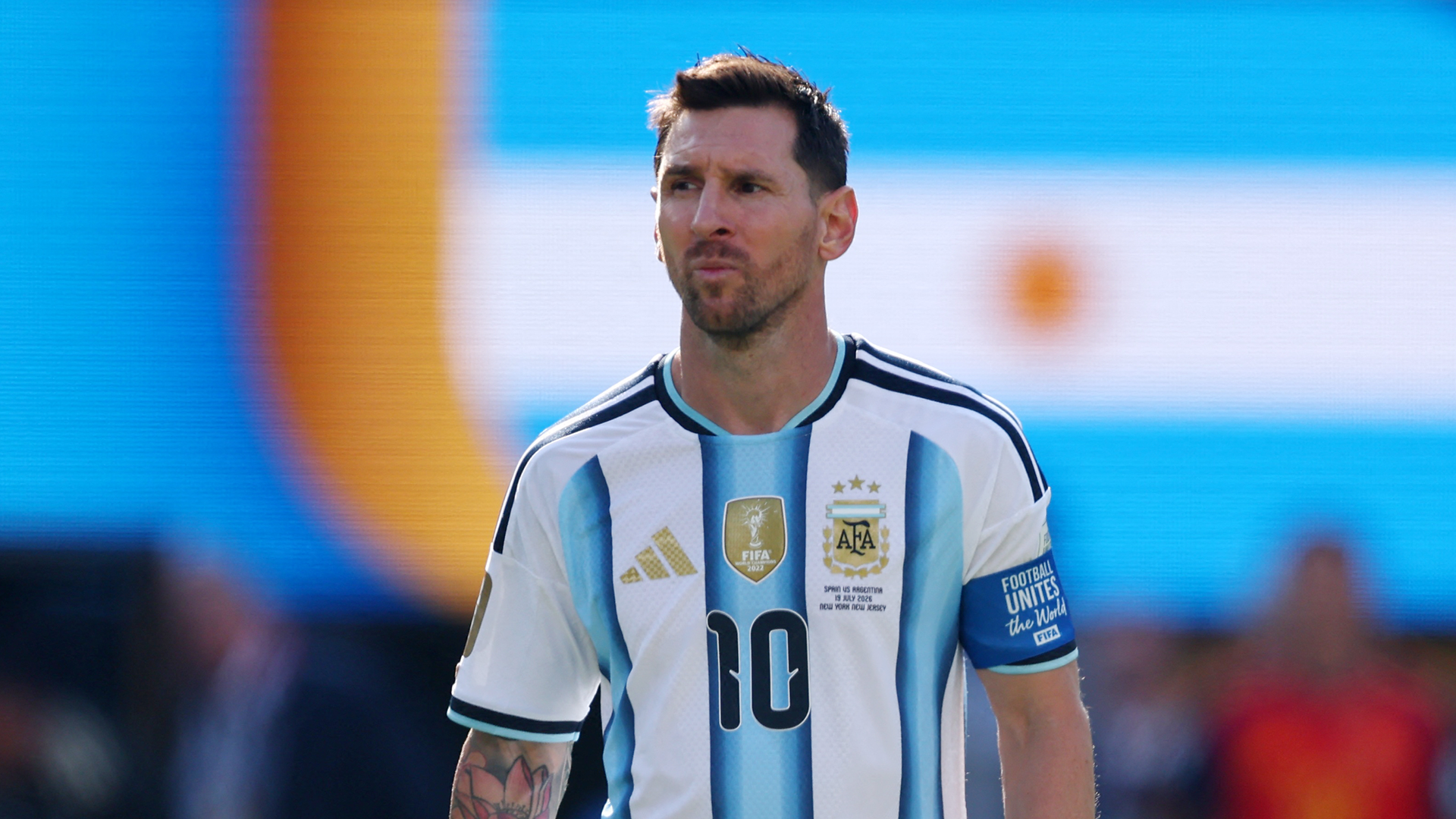
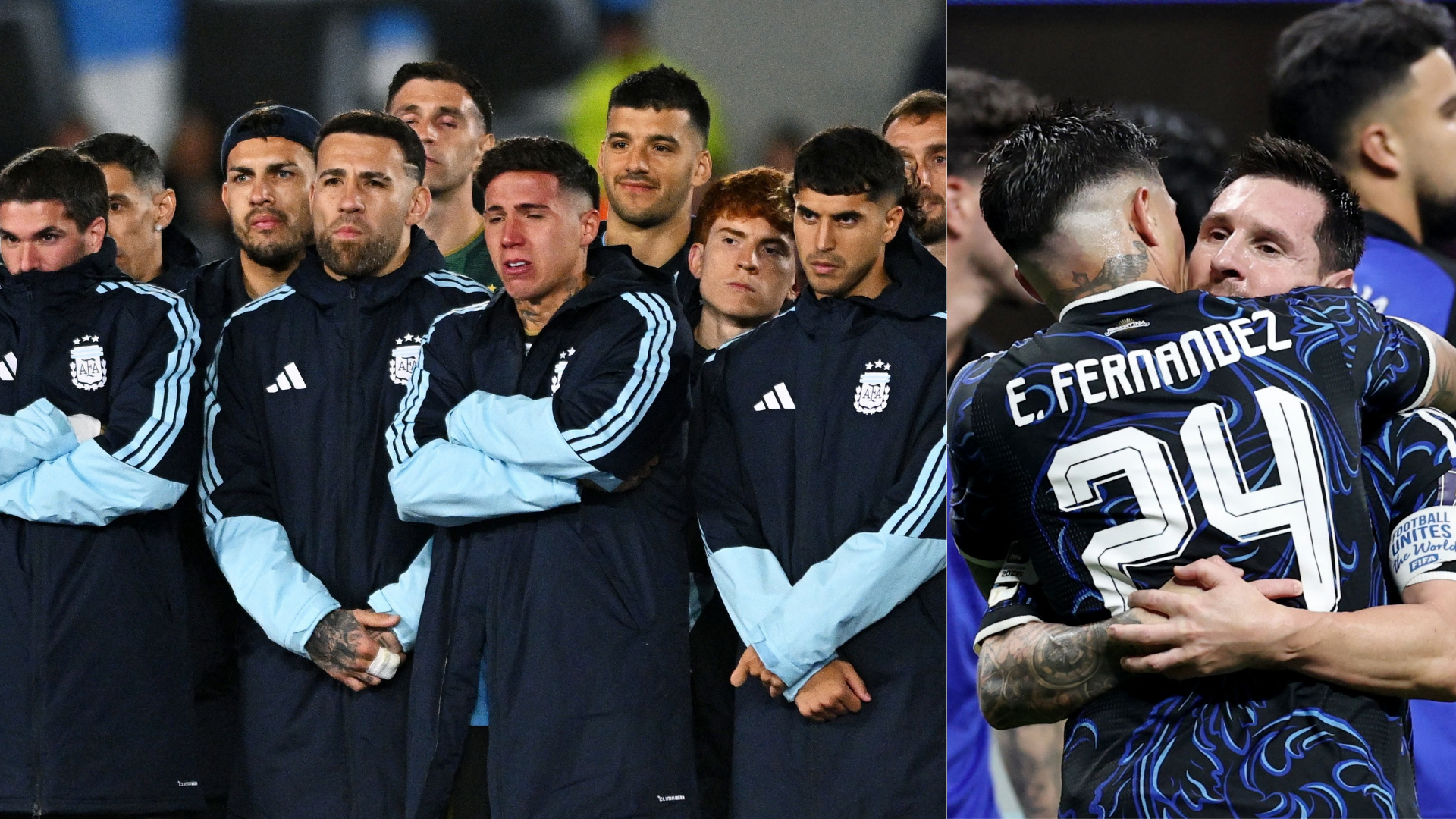
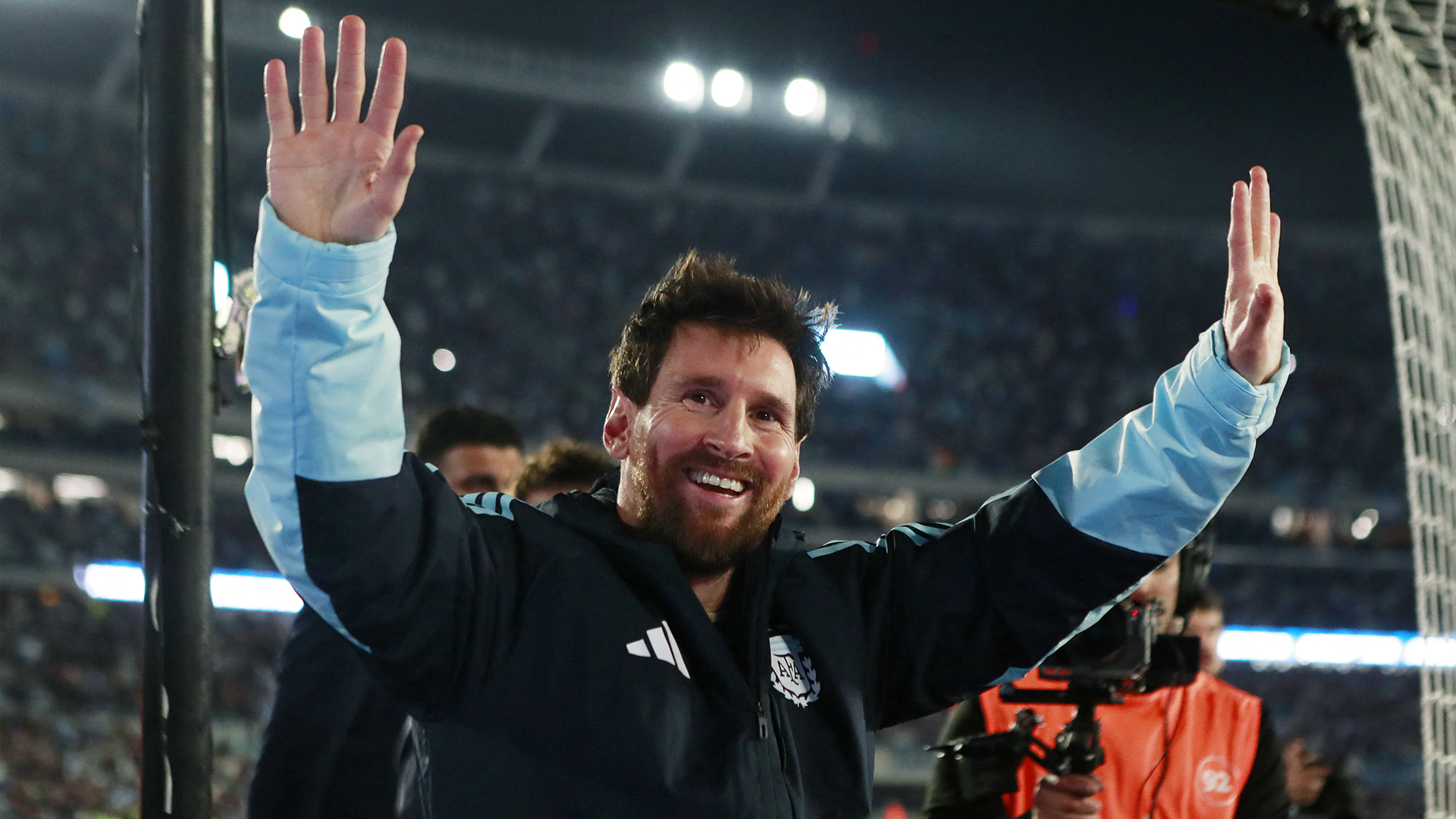
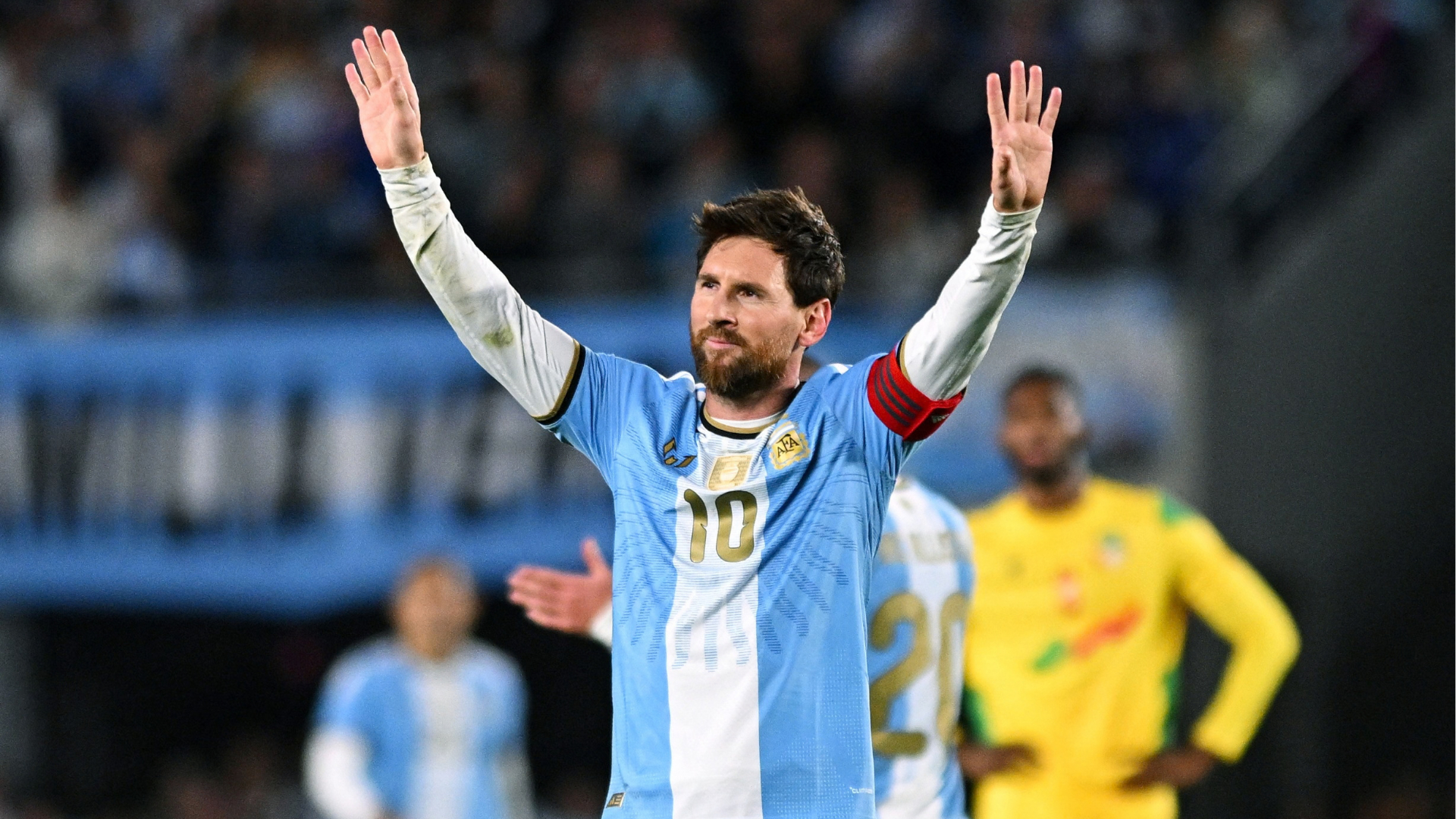
At the 2026 FIFA World Cup, Argentina is just one match away from ending two of the tournament's most enduring trends: becoming the first team to win the World Cup while entering the tournament as the No. 1 team in the FIFA World Ranking, and successfully defending its World Cup title.
Since FIFA introduced the World Ranking in 1992, no nation that started a World Cup ranked No. 1 has gone on to lift the trophy.
Teams such as Brazil, Spain, Germany, Belgium, and even Argentina have entered the tournament atop the rankings, only to fall short before claiming the title. In 2026, La Albiceleste has the opportunity to finally end that streak by winning the final.
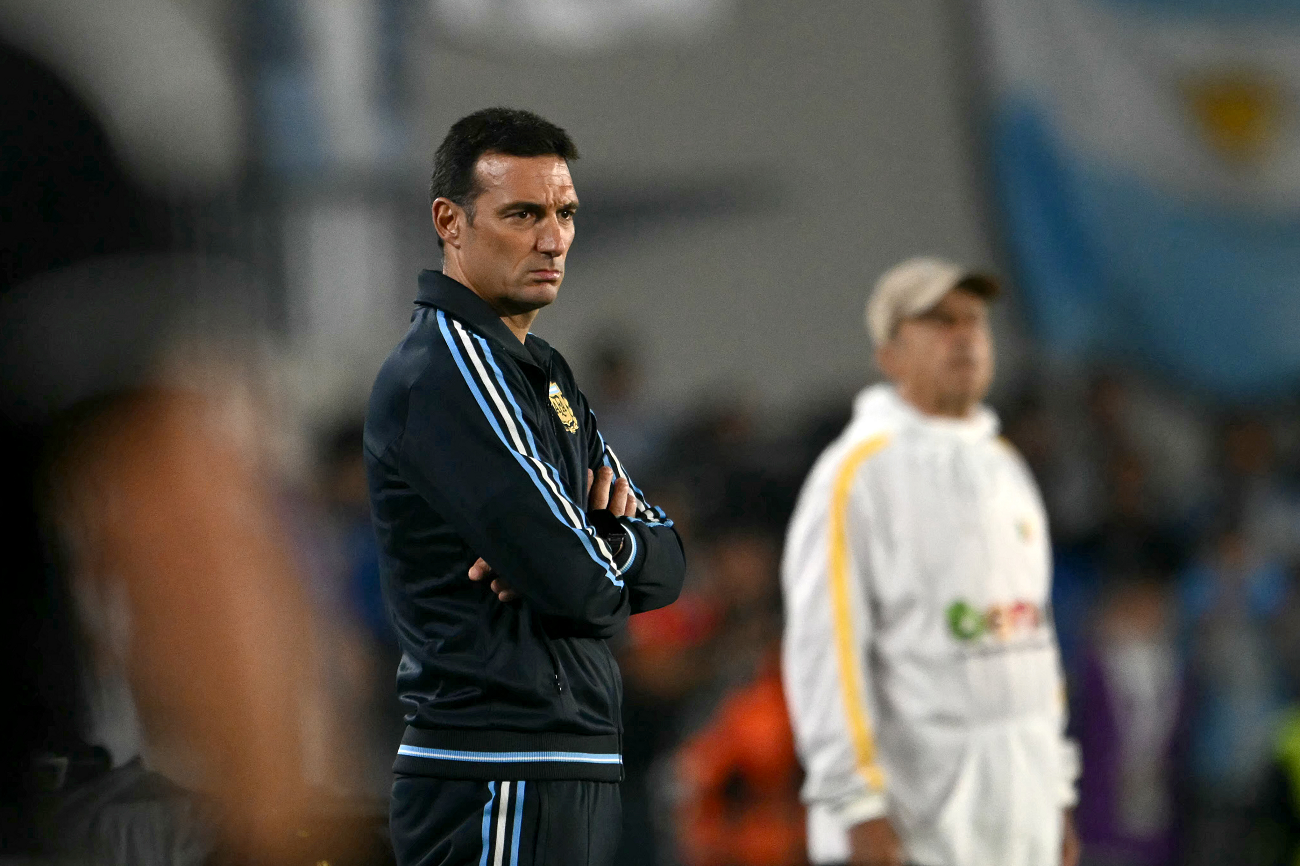
Argentina, coached by Lionel Scaloni, is also trying to end another remarkable trend that has stood for more than six decades: no reigning World Cup champion has successfully defended its title since Brazil won back-to-back championships in Sweden 1958 and Chile 1962.
Since then, every defending champion—including Italy, Germany, Brazil, France, and Argentina after Mexico 1986—has failed to retain the World Cup.
Two World Cup Curses Remain Alive After France and England's Elimination
While Argentina has the chance to rewrite history, two other famous World Cup trends remain intact.
The first involves the Ballon d'Or. No player who entered a World Cup as the reigning Ballon d'Or winner has ever gone on to win the tournament in the same year.
France, led by reigning Ballon d'Or winner Ousmane Dembélé, was eliminated before reaching the final, extending that long-standing streak.
The second concerns foreign head coaches.
Since the inaugural 1930 FIFA World Cup in Uruguay, no nation has ever won the tournament under a head coach born outside the country he represented.
England had an opportunity to break that trend with a foreign manager, but its semifinal elimination ensured that one of the World Cup's longest-running statistical quirks remains unbroken.


If Argentina wins the 2026 FIFA World Cup, it won't just add another star above its crest. It will also bring an end to two of the most famous World Cup "curses," leaving only the Ballon d'Or and foreign-coach streaks intact—at least until the next World Cup four years from now.