
Milan sack Massimiliano Allegri after an up-and-down season and missing out on the Champions League
Milan brought Massimiliano Allegri’s tenure to an end after a campaign marked by inconsistency, internal pressure and the failure to qualify for the Champions League. The club now begins a deep sporting restructuring in search of regaining prominence.
AC Milan decided to bring Massimiliano Allegri’s second spell at the club to an end following a season marked by inconsistency and results that fell short of the Rossoneri’s ambitions.
The defeat against Cagliari on the final matchday ultimately sealed an outcome that had already seemed inevitable. The team finished the campaign outside the Champions League qualification spots, prompting the club’s hierarchy to begin a new chapter in search of renewed competitiveness.
A season between hope and disappointment
Milan’s journey throughout the season was defined by contrasts. For several months, the team remained in contention near the top of Serie A and appeared to have the credentials to compete for major objectives.
However, performances declined during the decisive stretch of the campaign. Difficulties in maintaining results and a loss of consistency ultimately damaged the club’s European ambitions, forcing Milan to pay a heavy price for an irregular finish to the season.

The blow of missing out on Champions League football
Failing to qualify for the Champions League became the main trigger behind the decision.
For an institution with Milan’s history and expectations, missing Europe’s premier club competition represents a significant sporting and financial setback. The defeat against Cagliari also sparked a strong reaction from supporters at San Siro and intensified pressure on both the coaching staff and the sporting structure.

Allegri took responsibility
After Milan’s European failure became official, Allegri publicly acknowledged his responsibility for the outcome of the season.
The Italian manager admitted mistakes and made it clear that the campaign required honest self-assessment. Despite that, his statements were not enough to alter the club leadership’s stance, as major internal changes were already being considered.
Milan begins a deep restructuring
Allegri’s departure did not come alone. Multiple reports suggest Milan is also preparing significant changes within its executive structure, reflecting the intention to restart the sporting project from its foundations.
With the managerial position now vacant and several important decisions still pending, the Rossoneri face a decisive summer. The objective is clear: rebuild a team capable of returning to the Champions League and restoring the prominence that has historically defined the club.
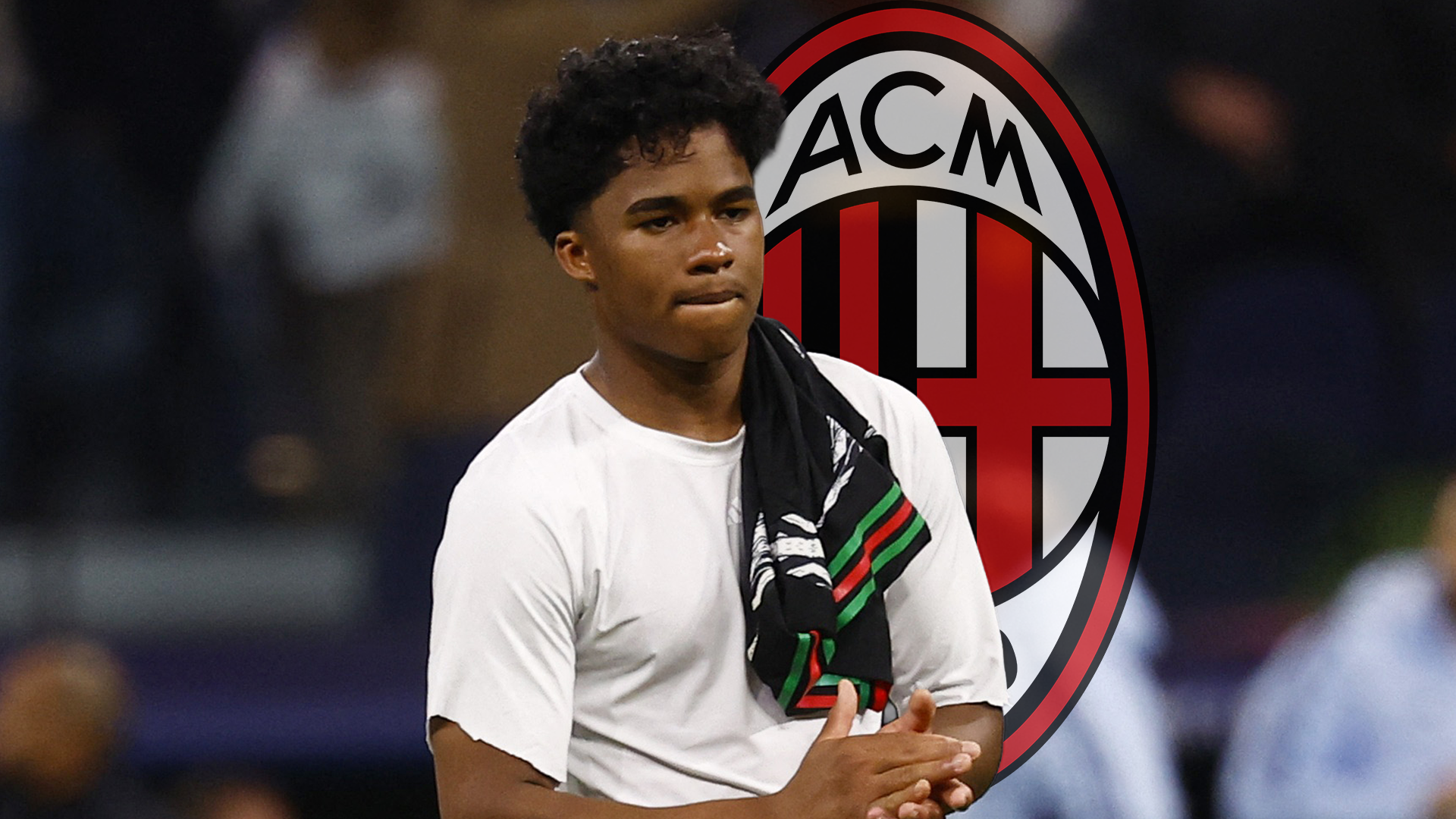



Massimiliano Allegri
AC Milan