
Is the Premier League Killing Football — or Just Reinventing It?
Debates around the evolution of modern football continue to intensify, with figures from across the game questioning whether the Premier League has taken the sport to a new level — or pushed it away from its traditional identity.
English football — and the Premier League in particular — has been taking hits from all sides lately. Arne Slot, the man tasked with keeping Liverpool’s dynasty alive, has grown weary enough to declare the modern game “not a pleasure” to watch. Jonathan Liew of The Guardian went further, arguing that the enormous influx of elite-level money has distorted competition beyond recognition, leaving newly promoted clubs with little more than a polite invitation to be overwhelmed.
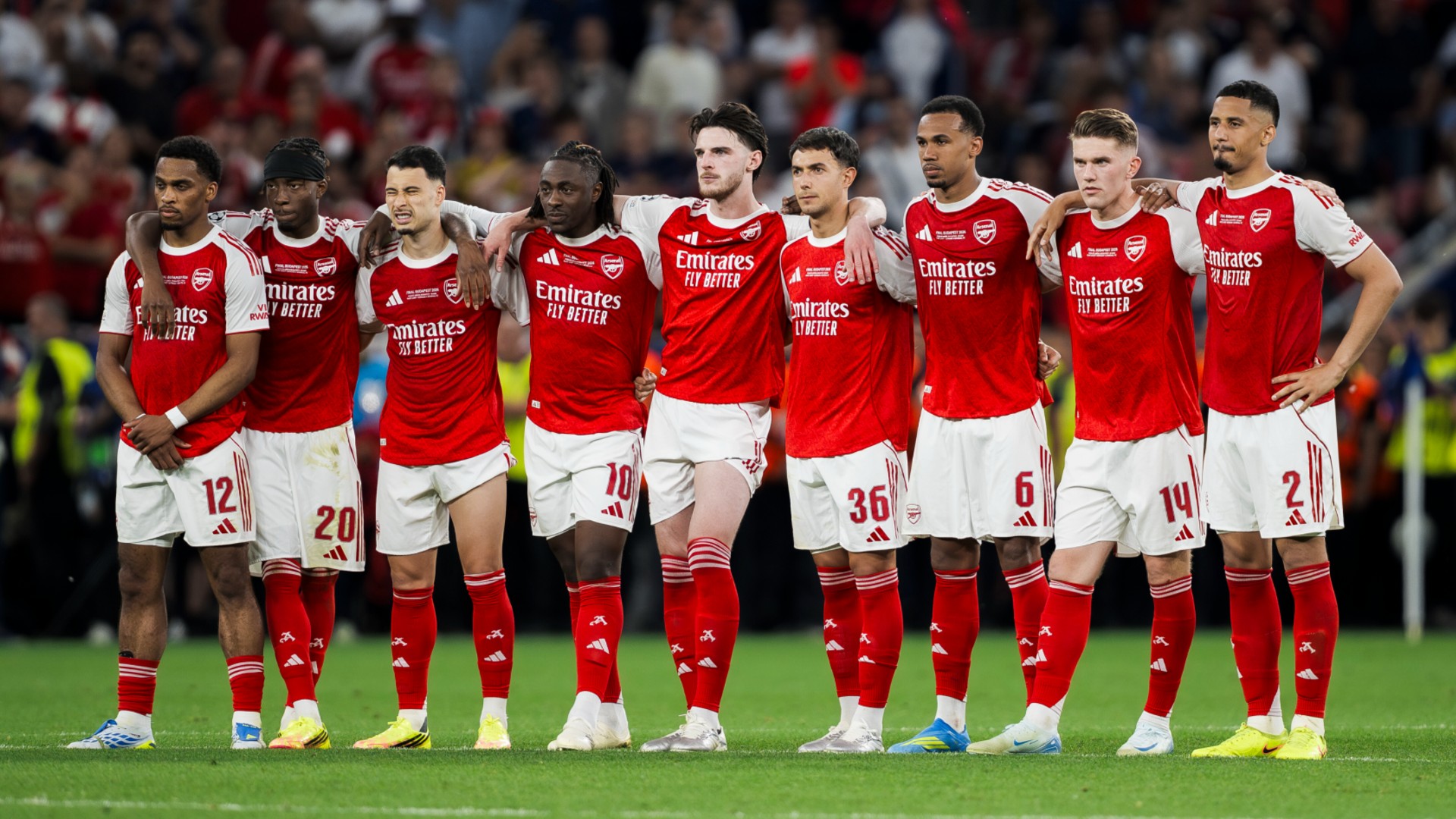
Former manager Alan Pardew took aim at Arsenal specifically, suggesting that beneath the polished branding lies a team built less on aesthetic football and more on set pieces and aerial dominance inside the penalty area. Meanwhile, Maurizio Sarri once delivered what might be the most backhanded compliment in coaching history: English players, he said, are exceptionally committed during the toughest physical sessions — but when it comes time to sit down and discuss tactics, they suddenly seem to find somewhere else they need to be.

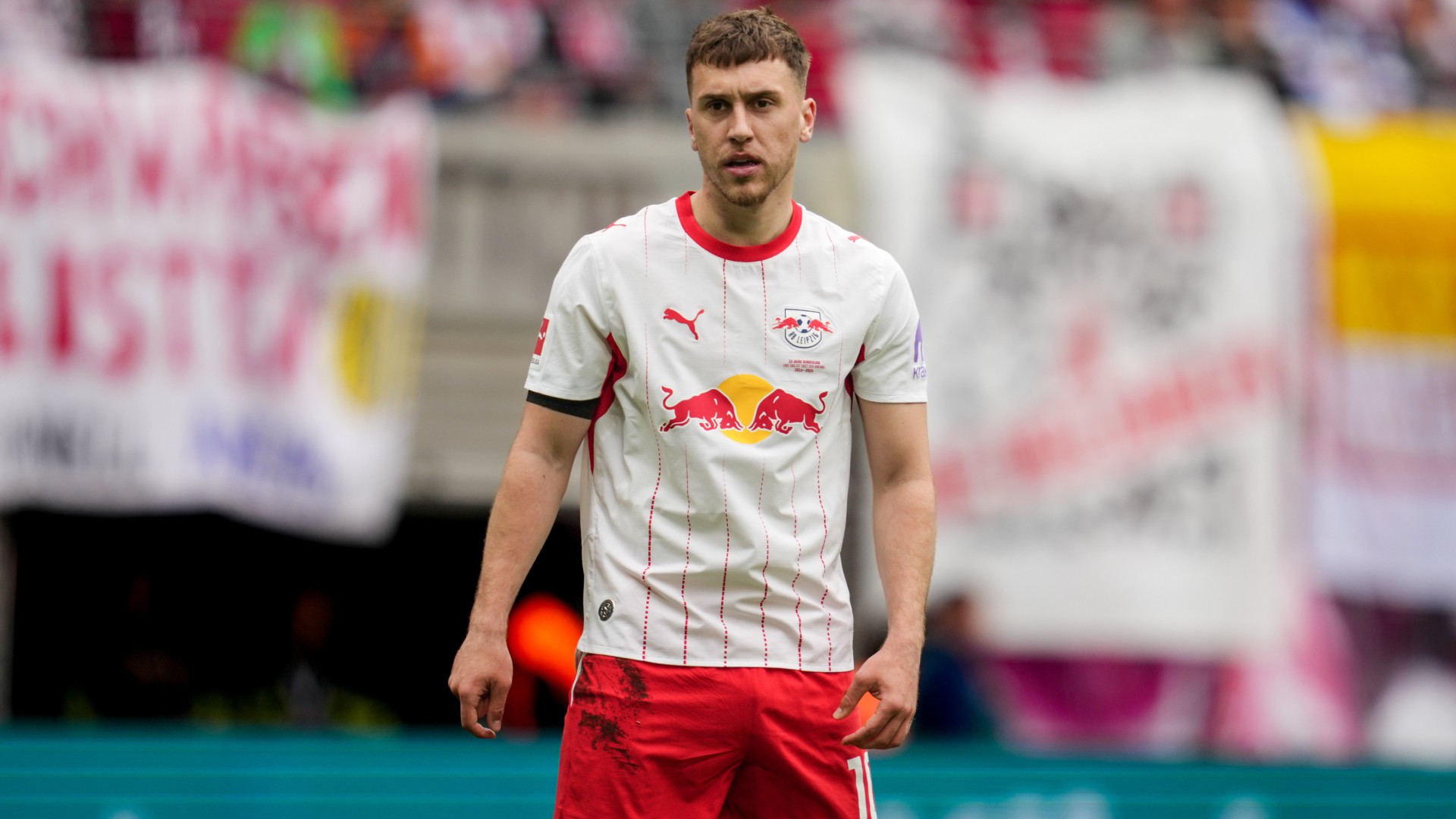
The latest voice to enter the discussion is Tottenham forward Mathys Tel, who previously played for Rennes, Bayern Munich, and France U21. The French striker pointed out what he perceives as a lack of excitement in the league this season.
“I’ll tell you the truth, yes, it’s not exciting,” he said during a stream interview. “It’s boring to watch. It’s really just a contest between two teams with their own ideas. There’s less spectacle — no Vinicius doing a sombrero flick, no dribble, no Kylian Mbappé bursting past defenders. It’s more structured, maybe too structured. Everything is planned: strategies, set pieces, small details that can make the difference. But sometimes it just feels like too much.”
Tel also described the chaos of set-piece battles inside the penalty area. “Those situations in front of the goalkeeper? I told the assistant coach who handles set pieces not to assign me to marking. It’s like a zoo! Everyone pushing, pulling, throwing each other down. The goalkeeper can’t even move or see the ball.”

And yet — despite the criticism — the Premier League remains the most powerful, most watched, and most financially dominant football league in the world. Tactical debates and stylistic complaints have done little to slow its global appeal.
What the league might lack in continental flair or the creative spontaneity often associated with LaLiga or other European competitions, it compensates for with something harder to replicate: relentless intensity.
It is a different kind of beauty — structured yet chaotic, intensely physical yet dynamic. Matches unfold on immaculate pitches, played in front of passionate supporters who treat every game like a matter of civic pride, accompanied by chants powerful enough to shake stadium roofs.
Critics may question its style. But one thing remains undeniable: people everywhere are still watching the Premier League.