
What Would a World Cup Be Like Without Europe's National Teams?
UEFA's threat to boycott FIFA competitions has raised an unprecedented question: what would the World Cup look like without Spain, France, England, Germany, and the rest of Europe's football powerhouses?
The idea of a FIFA World Cup without European nations is no longer unthinkable. UEFA has warned that none of its member associations will take part in FIFA competitions if Gianni Infantino moves forward with plans to allow private investment in the governance and ownership of FIFA tournaments.
European football's governing body stated that its members would stay away from FIFA events until the proposal is completely abandoned and binding guarantees are provided that similar plans will never be introduced again.
If such a boycott were to happen, the 2030 FIFA World Cup would undergo one of the most dramatic transformations in the tournament's history.

The Tournament Would Lose Many of Its Biggest Powers
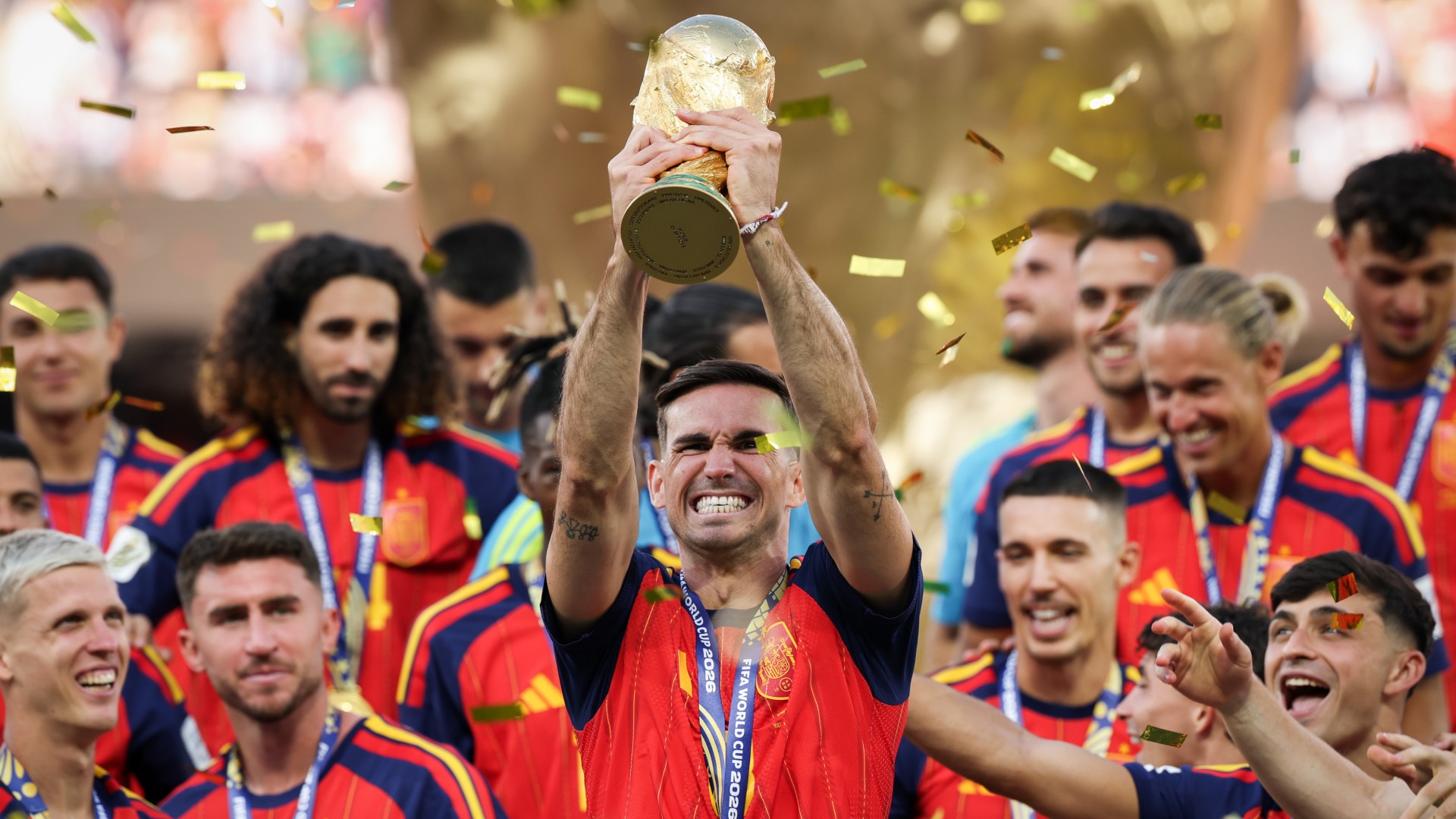
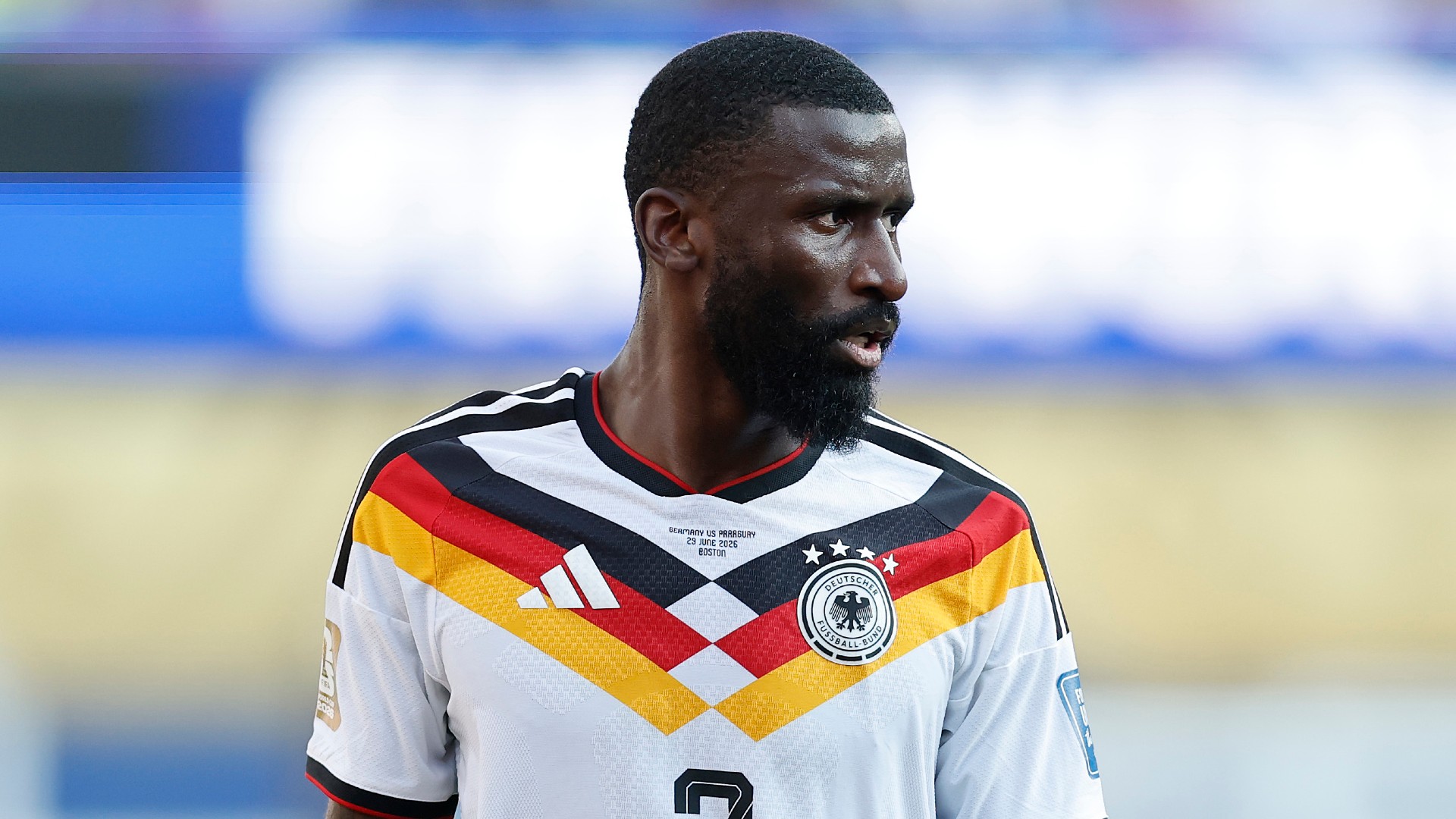
Europe has dominated the World Cup for decades. At the 2026 tournament, six of the eight quarterfinalists came from UEFA, while three of the four semifinalists represented European nations.
Since 1966, five of the last seven World Cup champions have come from Europe: England, Germany, Italy, France, and Spain. Only Argentina and Brazil have managed to interrupt that dominance during the same period.
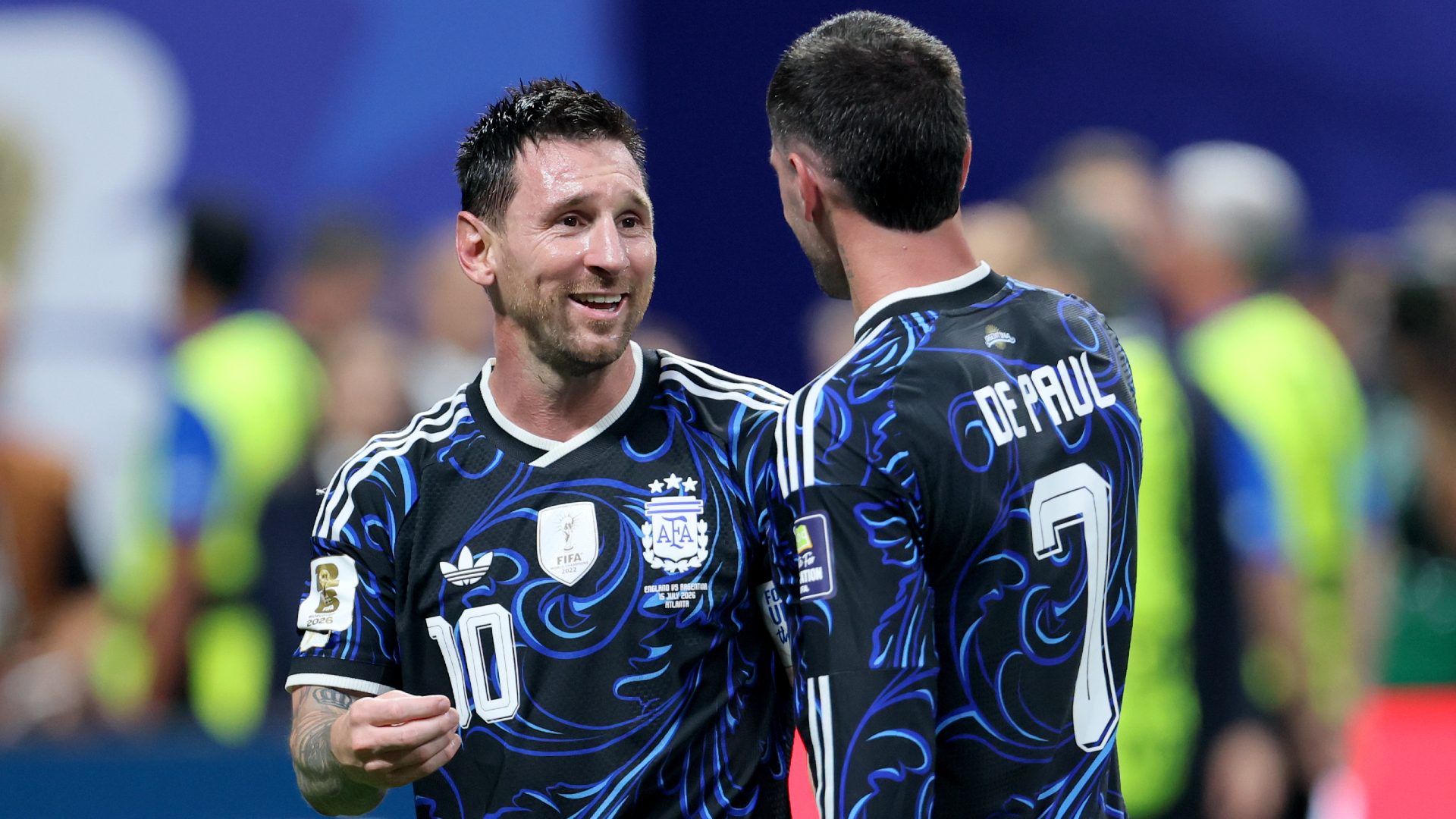
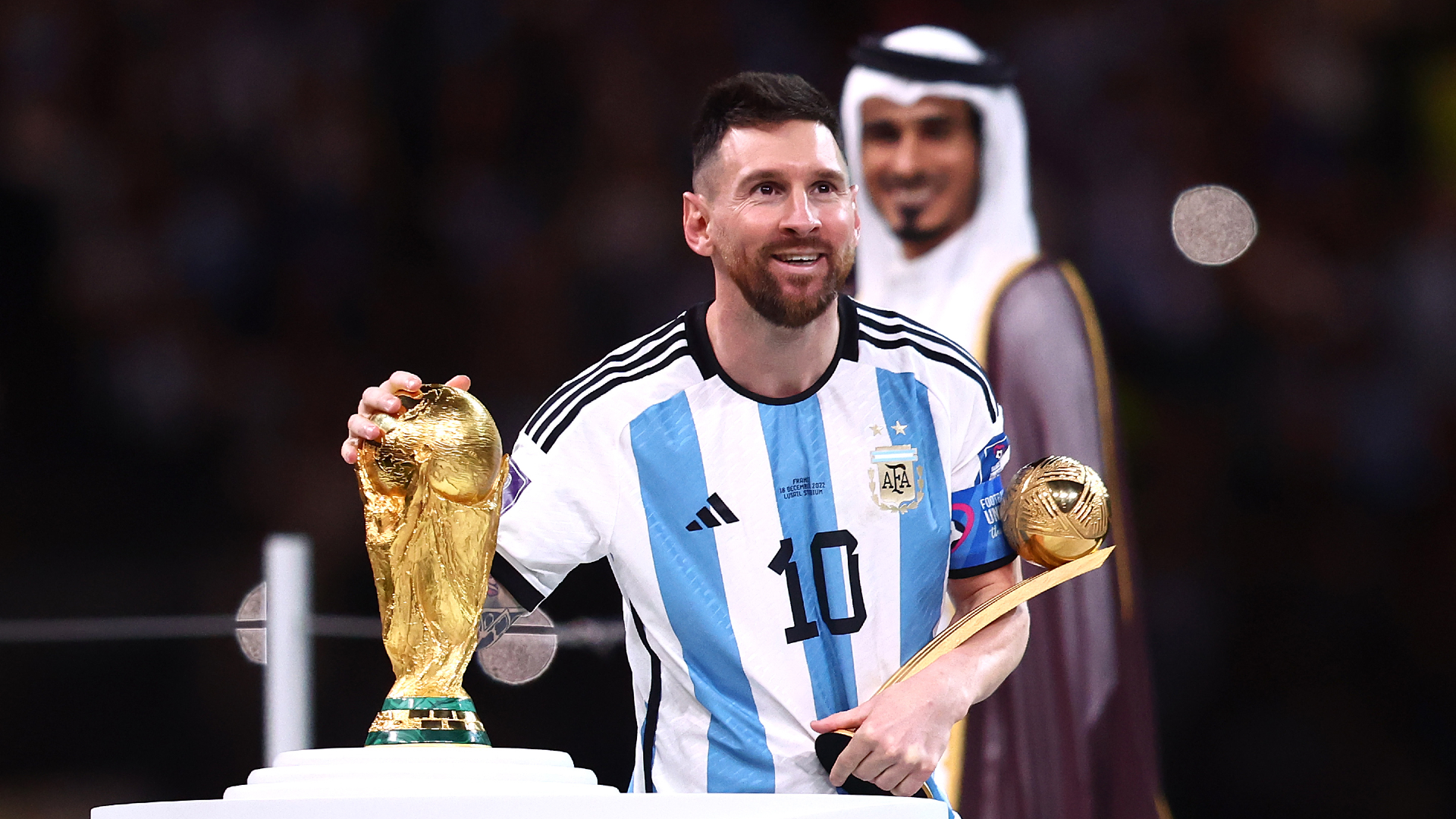
Without those traditional giants, Argentina would instantly become the favorite to lift the trophy, with Brazil also taking on an even greater role as a title contender.

A Completely Different World Cup
The absence of Europe's 16 qualified teams would force FIFA to redesign the tournament, replacing those nations with teams from other confederations.
Countries such as Chile, Venezuela, Jamaica, Angola, Syria, Oman, Uganda, and Burkina Faso could suddenly find themselves competing on football's biggest stage, creating a completely different group-stage landscape and a far more unpredictable tournament.
Although this remains a hypothetical scenario, UEFA's warning has already sparked widespread debate about what the future of the World Cup could look like.
FIFA Would Face a Massive Sporting and Commercial Blow
Beyond the competitive implications, losing Spain, France, England, Germany, and other European heavyweights would represent a significant commercial setback for FIFA.
The absence of some of the world's most popular national teams would likely reduce global television audiences, sponsorship value, and fan engagement, weakening one of FIFA's most valuable sporting properties.
For now, no final decision has been made, but UEFA's threat has made one thing clear: if the dispute with FIFA is not resolved, the future of the World Cup could look very different from anything football has seen before.
A Hypothetical 2030 World Cup Draw Without Europe
If UEFA's boycott became a reality and FIFA replaced all European teams with the next highest-ranked nations from other confederations, the group stage could look something like this:
- Group A: Argentina, Ecuador, Jordan, Mali
- Group B: Uruguay, Australia, Cape Verde, Burkina Faso
- Group C: Paraguay, Panama, Ghana, Honduras
- Group D: Morocco, Egypt, Curaçao, United Arab Emirates
- Group E: South Korea, South Africa, Peru, Uganda
- Group F: Mexico, Canada, New Zealand, Bolivia
- Group G: Colombia, Tunisia, Nigeria, Oman
- Group H: United States, Ivory Coast, DR Congo, Guinea
- Group I: Japan, Uzbekistan, Cameroon, Syria
- Group J: Senegal, Qatar, Venezuela, Gabon
- Group K: Iran, Saudi Arabia, Chile, Angola
- Group L: Brazil, Algeria, Haiti, Jamaica
The projected draw highlights just how dramatically the tournament would change. Several nations that rarely qualify for the World Cup would suddenly find themselves competing on football's biggest stage, while traditional European heavyweights would be nowhere to be found.