
Spain Knows How to Win Finals: The Numbers Back La Roja
On Sunday, the 2026 FIFA World Cup will bring together two of football's greatest powers. Spain, the reigning UEFA European Championship winner, will face Argentina, the defending FIFA World Cup and Copa América champion, in what many consider the true Finalissima that never took place months ago.
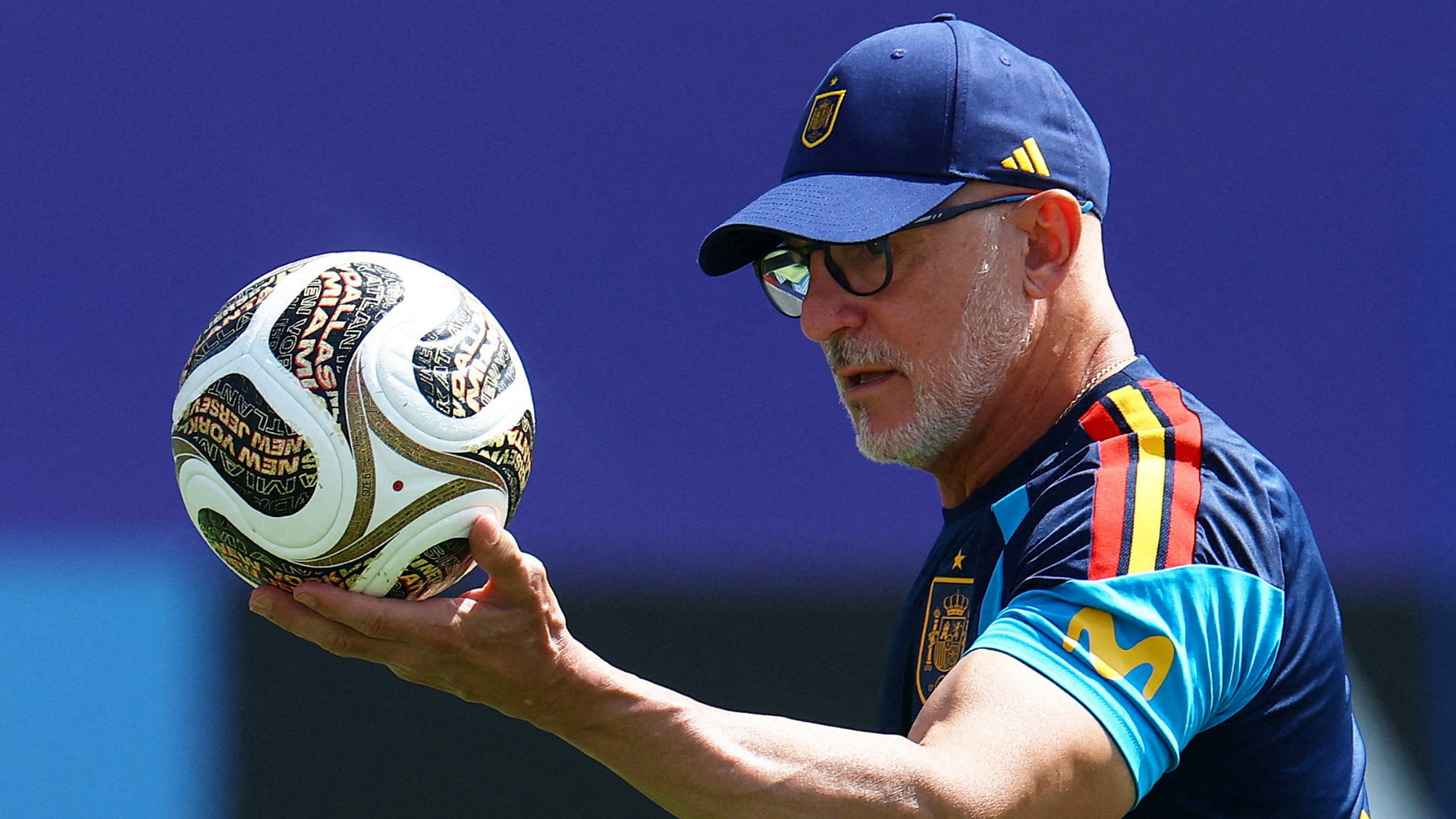
Beyond the outstanding form shown by Luis de la Fuente's Spain, one statistic fuels Spanish optimism: La Roja has become one of international football's true specialists when it comes to playing—and winning—major finals.
Recent history shows that very few national teams have handled the pressure of title matches as successfully as Spain.
From Arconada's Heartbreak to the Birth of a Football Powerhouse
Like every great national team, Spain first had to experience disappointment before learning how to become champions.
Its first major final came at UEFA Euro 1984, where France claimed a 2-0 victory in Paris. That match is forever remembered for goalkeeper Luis Arconada's costly mistake, an image that haunted Spanish football for years and symbolized an era in which the national team repeatedly fell just short of greatness.
Spain then waited 24 years for another chance.
Everything changed at UEFA Euro 2008.
Under the guidance of Luis Aragonés, affectionately known as "The Wise Man of Hortaleza," Spain finally broke decades of frustration and discovered what it meant to win on the biggest stage. A goal from Fernando Torres secured a 1-0 victory over Germany, delivering the first major trophy for the generation that would soon dominate world football.
That triumph represented much more than a championship. The Wise Man of Hortaleza transformed the mentality of Spanish football. He fully embraced a philosophy built on possession, technical quality, and personality, trusted an extraordinary generation of players, and convinced them they could compete with—and defeat—any opponent. Those foundations eventually produced the historic 2010 FIFA World Cup, UEFA Euro 2012, and, years later, the successful project now led by Luis de la Fuente.

Learning From Defeat
Not every final ended in celebration.
In the 2013 FIFA Confederations Cup, Spain arrived at the Maracanã as reigning world and European champion but suffered a 3-0 defeat to an outstanding Brazil, inspired by a brilliant Neymar, who produced one of the finest performances of his international career.
It was Spain's first defeat in a major final since 1984.
History repeated itself in the 2020-21 UEFA Nations League Final, where France defeated Spain 2-1 at San Siro.
However, that group quickly demonstrated its resilience.
In the 2022-23 UEFA Nations League, La Roja returned to another final and defeated Croatia in a dramatic penalty shootout to lift yet another international trophy.
Luis de la Fuente's Spain Already Knows How to Lift Trophies
The next major final came at UEFA Euro 2024.
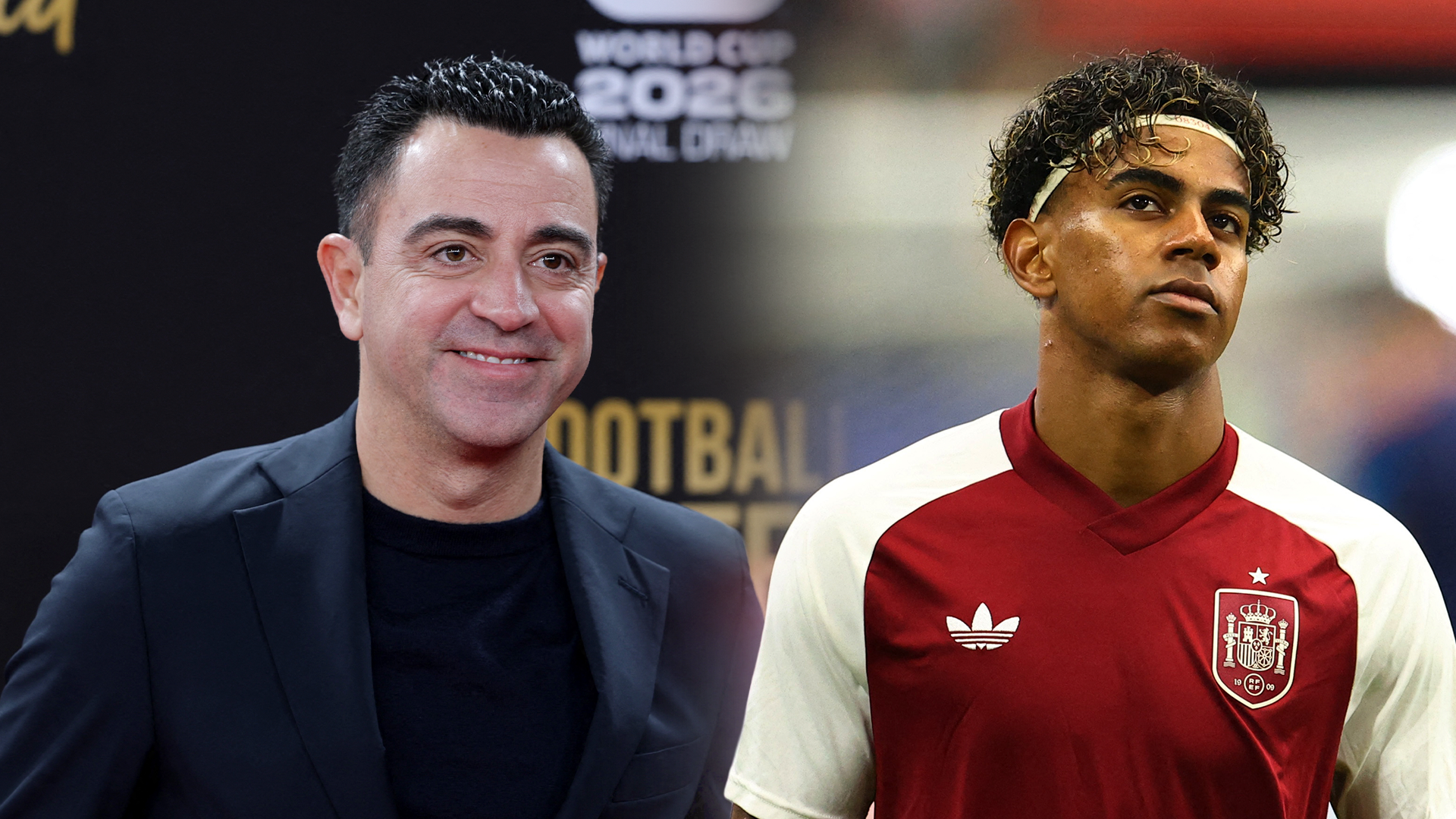
Led by a new generation featuring Lamine Yamal, Nico Williams, Rodri, Dani Olmo, and Marc Cucurella, Spain defeated England 2-1 to win its fourth European Championship, becoming the most successful nation in the tournament's history.
That final also produced one of the competition's defining images: Dani Olmo's remarkable goal-line clearance in the closing moments, preserving Spain's victory.
The team's most recent final came in the 2024-25 UEFA Nations League.
After a thrilling draw against Portugal, highlighted by Cristiano Ronaldo's equalizer, the championship was decided on penalties. This time, Portugal prevailed 5-3 in the shootout.
A Record That Inspires Confidence
Spain's recent record reflects a national team that has become remarkably comfortable performing under the highest levels of pressure.
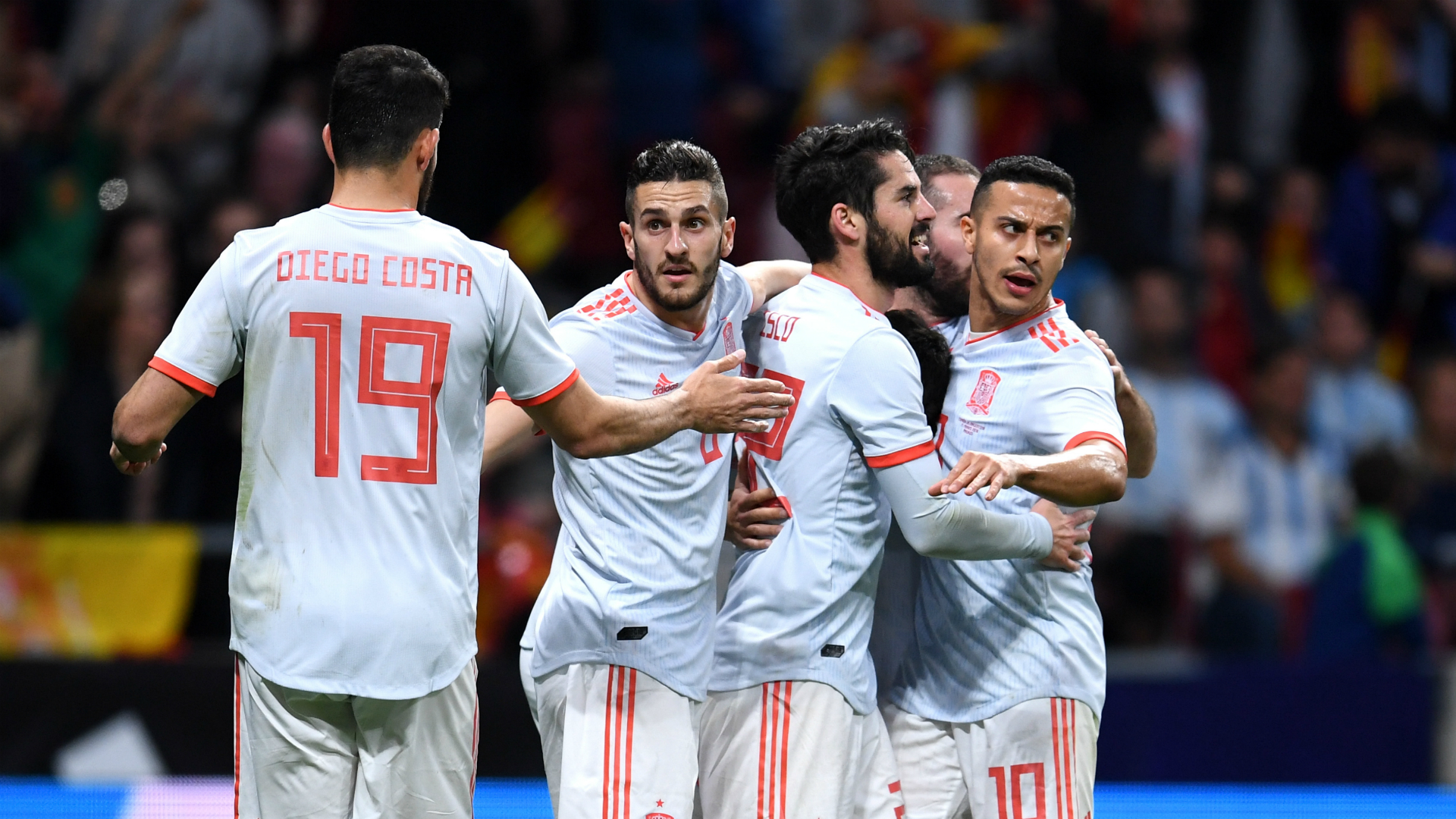
Since 1984, La Roja has played nine senior international finals, including the UEFA European Championship, the FIFA World Cup, the FIFA Confederations Cup, and the UEFA Nations League.
The overall record is impressive: six titles and three runner-up finishes.
Even more significant, since the revolution launched by Luis Aragonés, The Wise Man of Hortaleza, in 2008, Spain has won six of its last eight major finals, a remarkable statistic that reflects the winning mentality carried from one generation to the next.
That experience could become one of Spain's greatest advantages on Sunday.
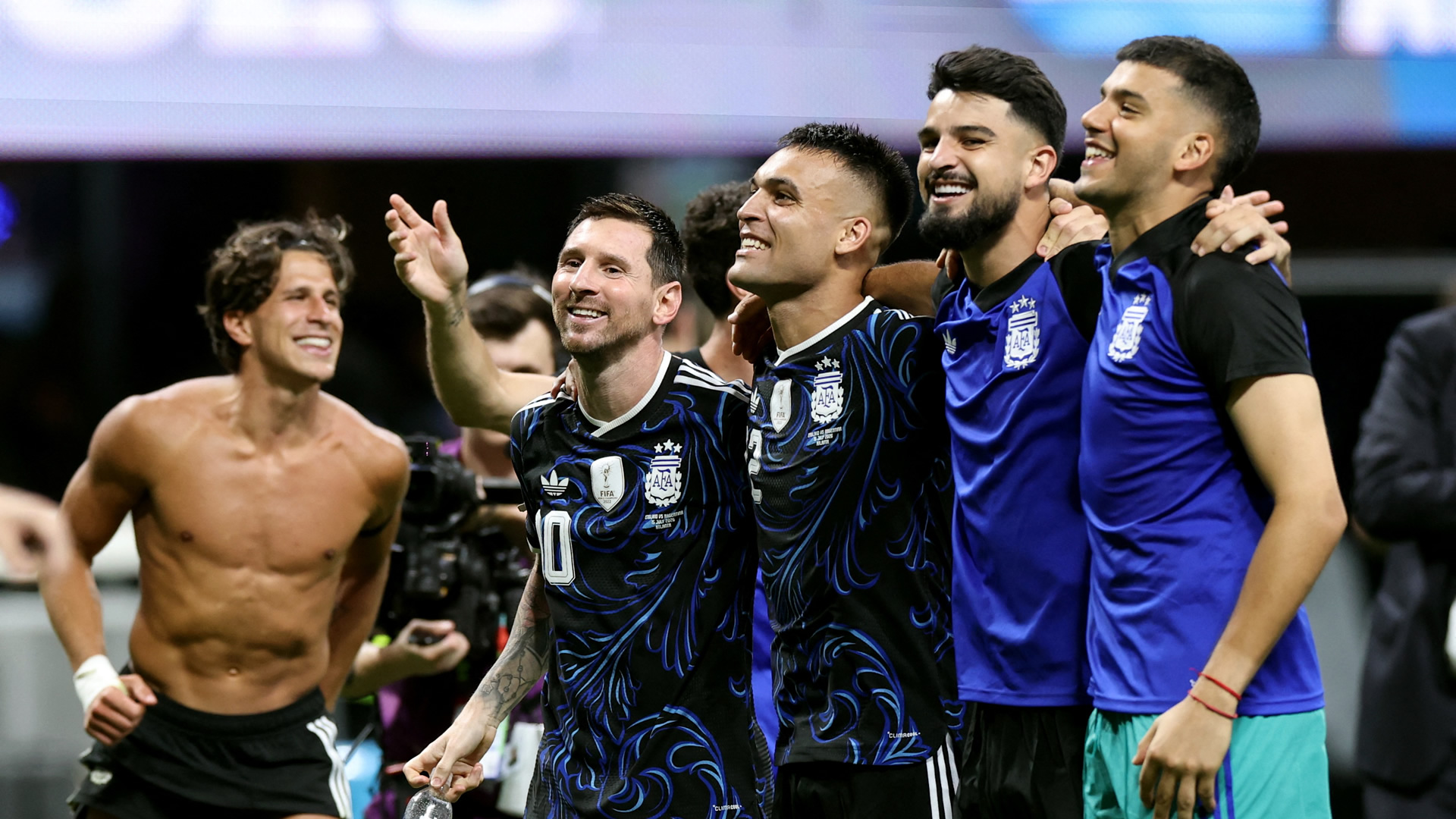
Standing across the field will be an Argentina side equally accustomed to football's biggest occasions. Led by head coach Lionel Scaloni and captain Lionel Messi, the reigning world champions know exactly what it takes to succeed under immense pressure.
The final will feature two national teams built to thrive on the biggest stage.
But if there is one statistic capable of giving Luis de la Fuente's Spain confidence before kickoff, it is this:
When Spain reaches a final, it usually knows how to win it.