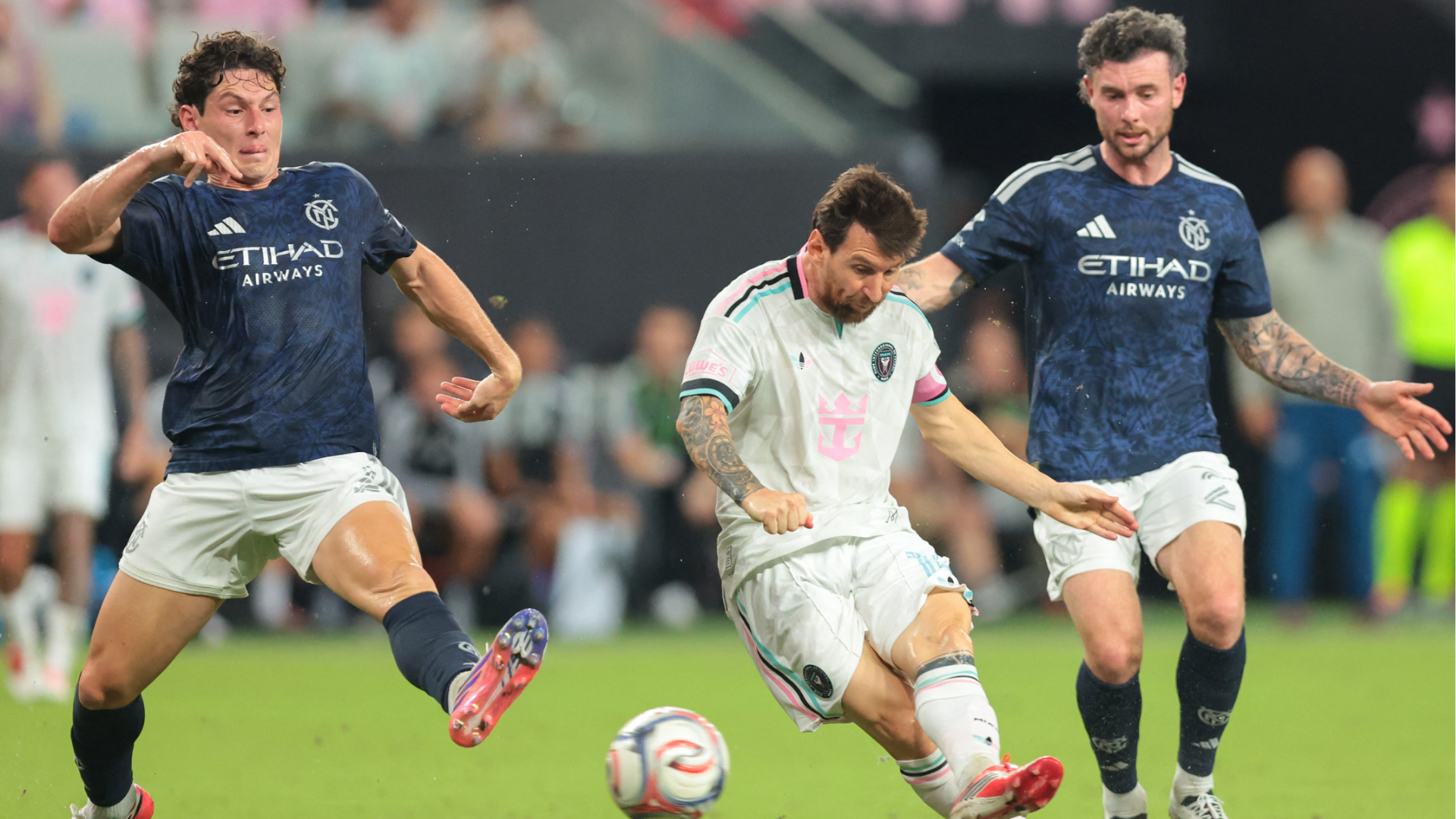

In his second season in MLS, the arrival of Lionel Messi to Inter Miami has had an unprecedented impact. His presence in MLS games has become a major attraction for thousands of fans, who don’t want to miss a match when the team visits their city. The demand for tickets has increased significantly, and it’s not unusual to see exorbitant prices to watch the Argentine star in action. However, Messi’s recent absence in the match against Houston Dynamo has sparked a wave of controversy in the league, leaving many fans disappointed.
Is Messi Ruining MLS Teams?
The absence of Leo Messi in the latest match of Inter Miami in MLS is causing a lot of controversy following the decision made by Houston Dynamo
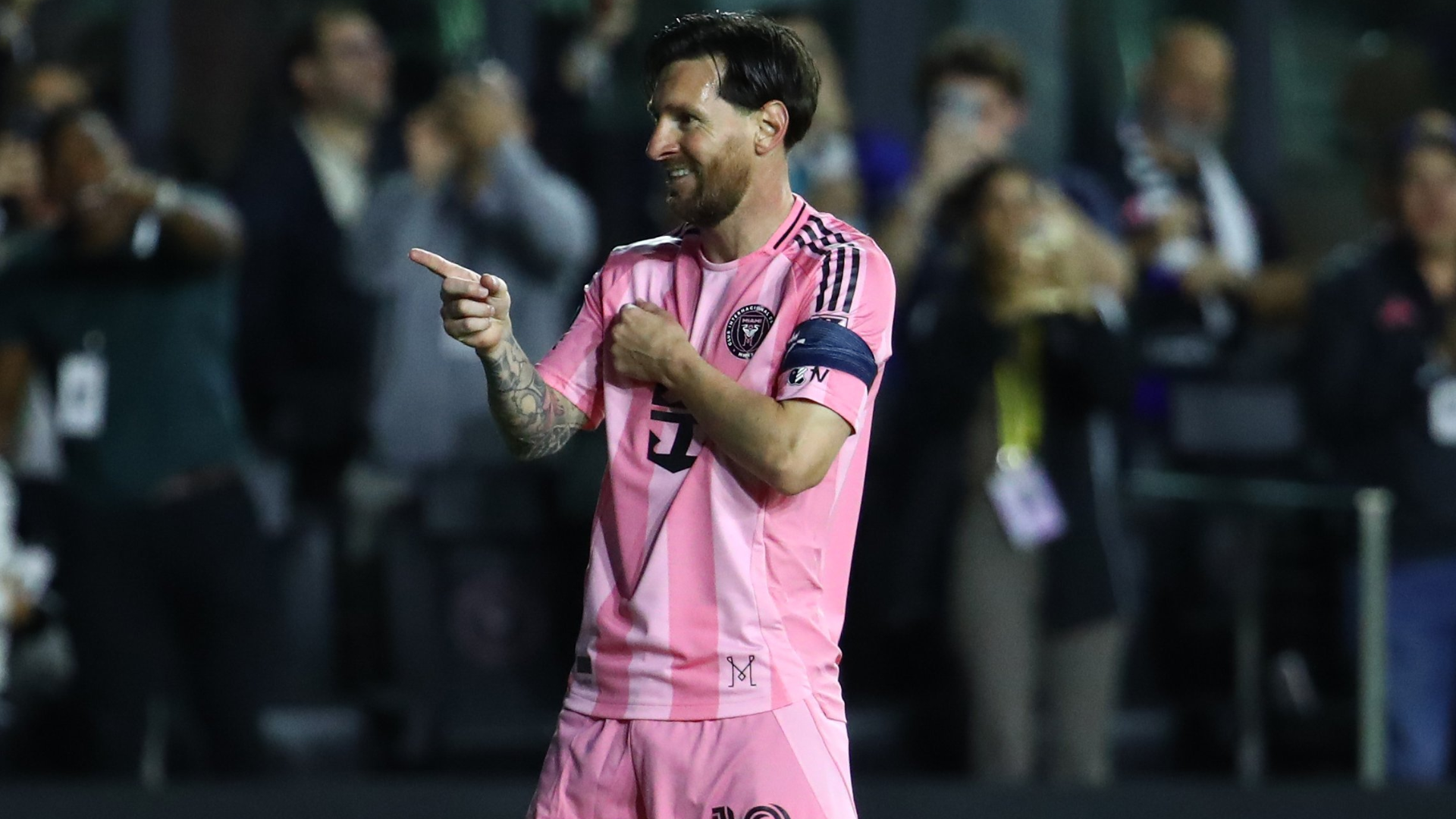
The price increase due to Messi’s presence
MLS teams, as well as other rivals facing Inter Miami, have seen an opportunity to significantly raise ticket prices when Messi is in the lineup. This is due to the high demand from fans who want to witness a game with the Argentine star on the field. In situations where Messi can’t play, ticket prices for those matches often drop drastically, but it doesn’t always happen the same way when the player’s absence is known in advance.
When Messi isn’t present for a match, MLS teams usually have to face a tough decision on how to handle ticket sales. In the case of the match against Houston Dynamo, the team opted to give away new tickets for any other match of the season as compensation. However, other teams have chosen to refund part of the money to fans. In some cases, clubs have adjusted ticket prices, especially if the player’s absence was communicated in advance.
The controversy surrounding Messi’s absence
The impact of Messi’s absence and his influence on ticket sales was evident during Inter Miami’s Asian tour. In a friendly match against a selection of players from Hong Kong, Messi, along with Luis Suárez, did not play, which caused great disappointment among supporters. As a result, the organization had to refund 50% of the ticket value. This led to a public apology from the club and a complaint in Hong Kong, as it was claimed the original agreement hadn’t been fulfilled. According to the agreement, Messi and his teammates were supposed to play at least 45 minutes.
The decision not to call up Messi and Suárez for the match against Hong Kong was explained by the club as an injury issue. However, three days later, both players were lined up in a friendly match in Japan, which fueled further speculation and frustration among fans. The incident highlighted MLS’s reliance on Messi’s presence to attract fans and generate revenue, and underscores the immense responsibility that comes with having a figure of such magnitude in the league.