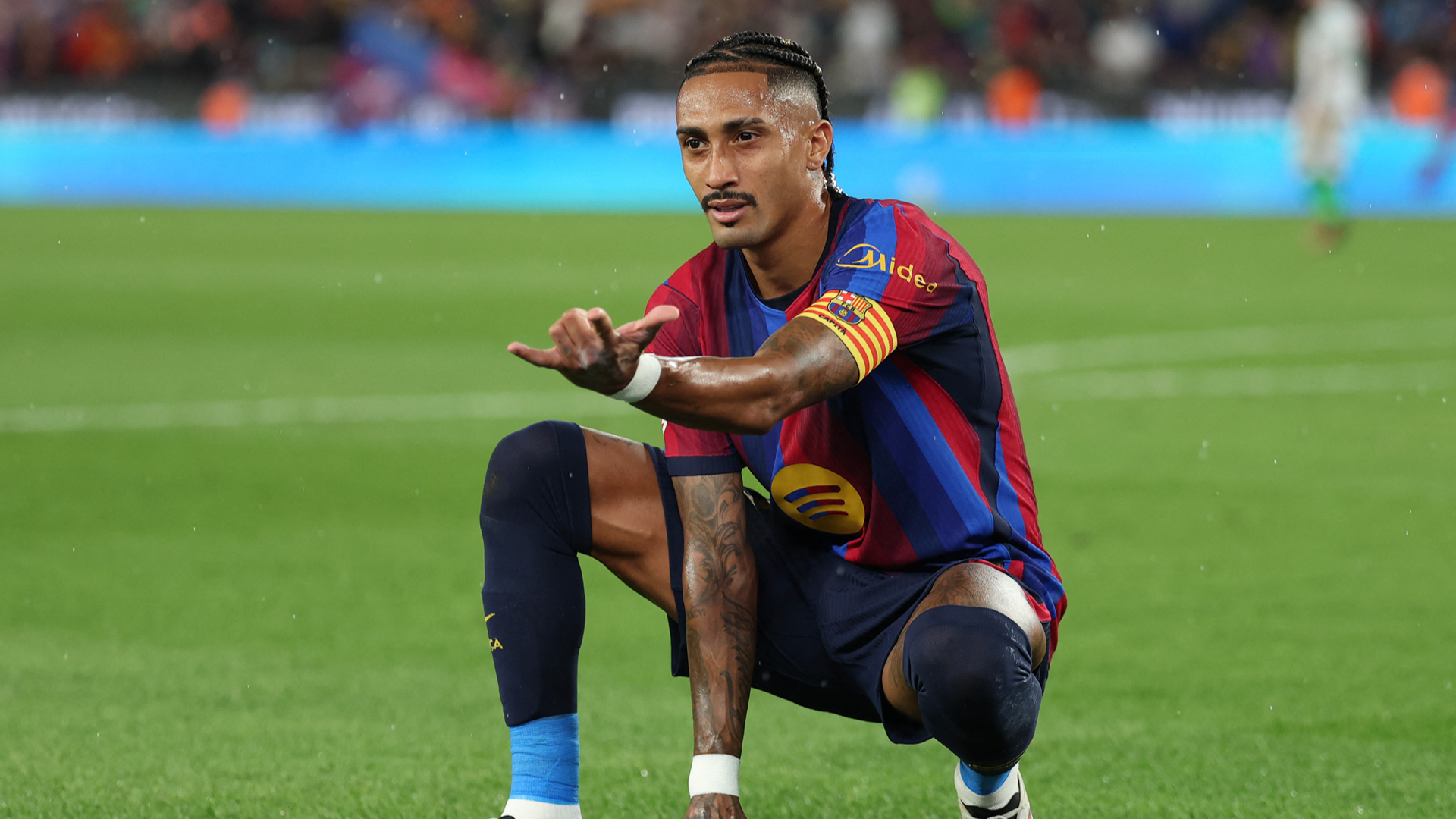

And that is where Raphinha comes in.
Who Takes Barcelona’s Penalties? Raphinha Has the Final Say
At Barcelona, there is no written rule requiring the same player to step up to the penalty spot every time. There are designated candidates, there is a hierarchy, and the coaching staff plays a role in the preparation, but the final decision can change on the pitch.
The Brazilian is one of the captains, the team’s main reference from the penalty spot and, when he is on the field, he is usually the player who manages those situations. That does not necessarily mean he will take every penalty.
Hansi Flick’s approach is different. If another player is in good form, needs a goal or feels ready to take responsibility, there is freedom to hand over the ball.
“I don’t decide who takes the penalty. People on the staff decide. Whoever feels ready to take it, takes it,” Flick recently explained when asked about the situation.
Raphinha Is in Charge, but He Is Also Willing to Share
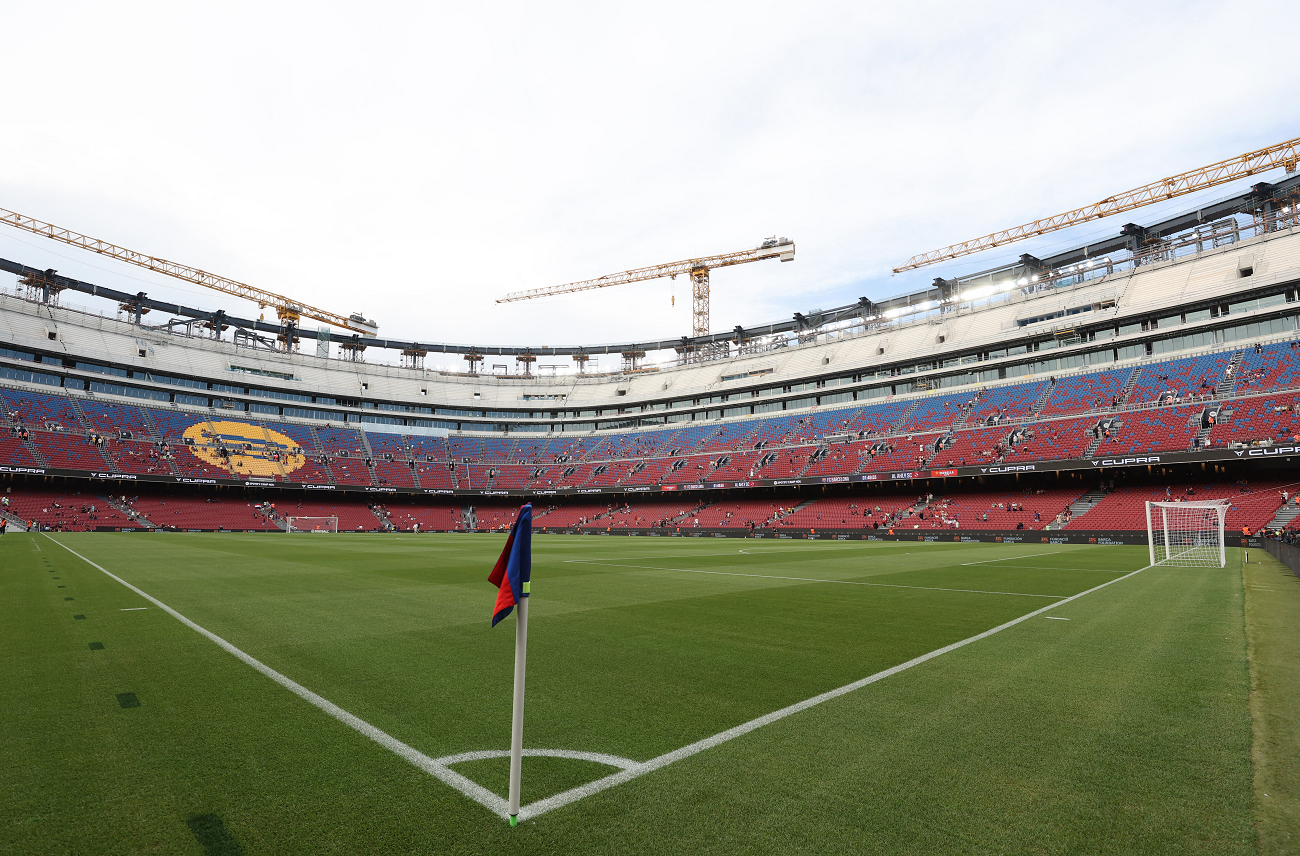
The 7-2 victory over Racing Santander at the Spotify Camp Nou provided a good example of how that dynamic works.
Raphinha stepped up for the first penalty and converted it. Later, when Barcelona were awarded another opportunity from the spot, the ball passed through other hands before the Brazilian eventually took responsibility again for another penalty.
It is not something new this season.
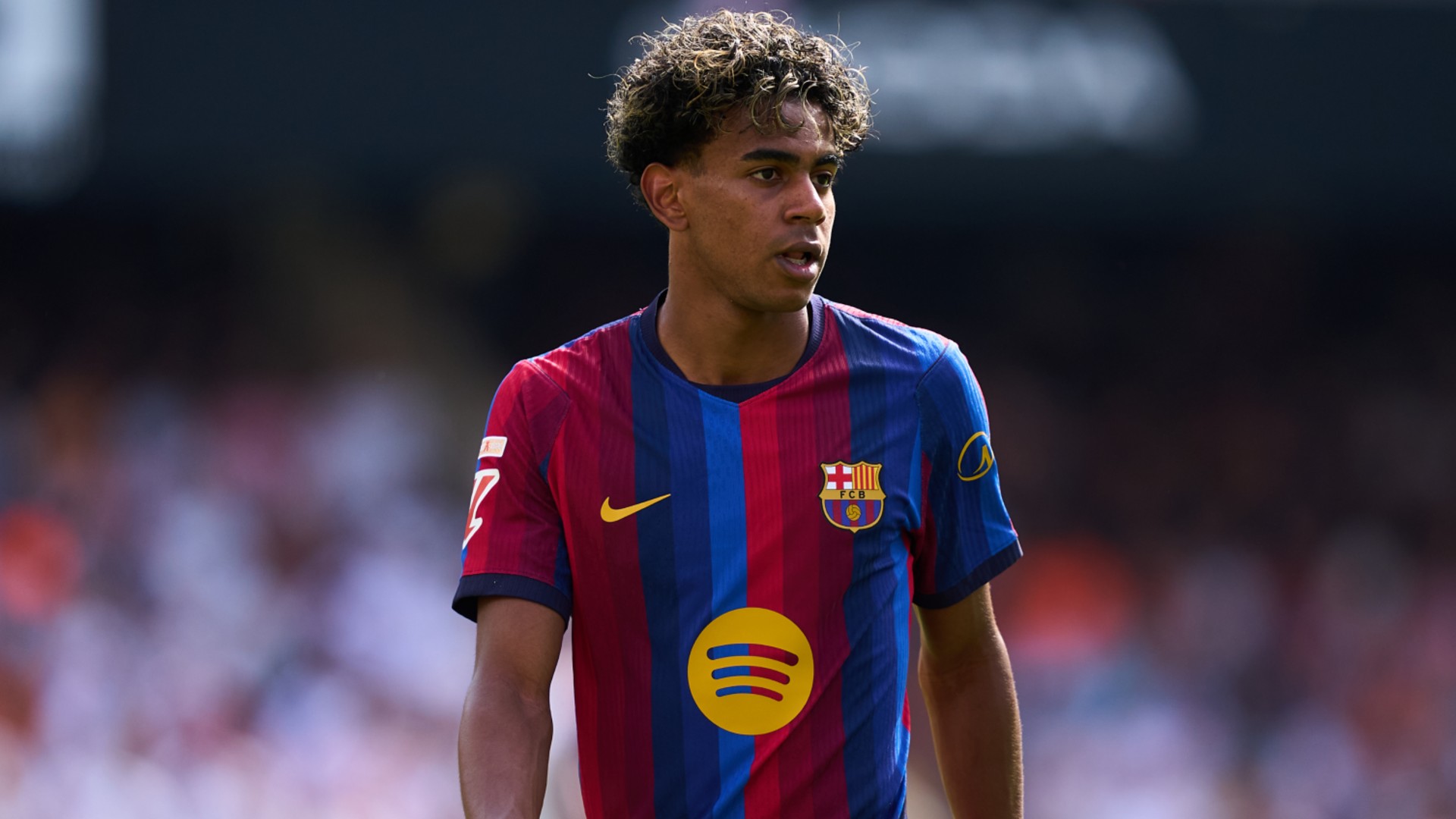
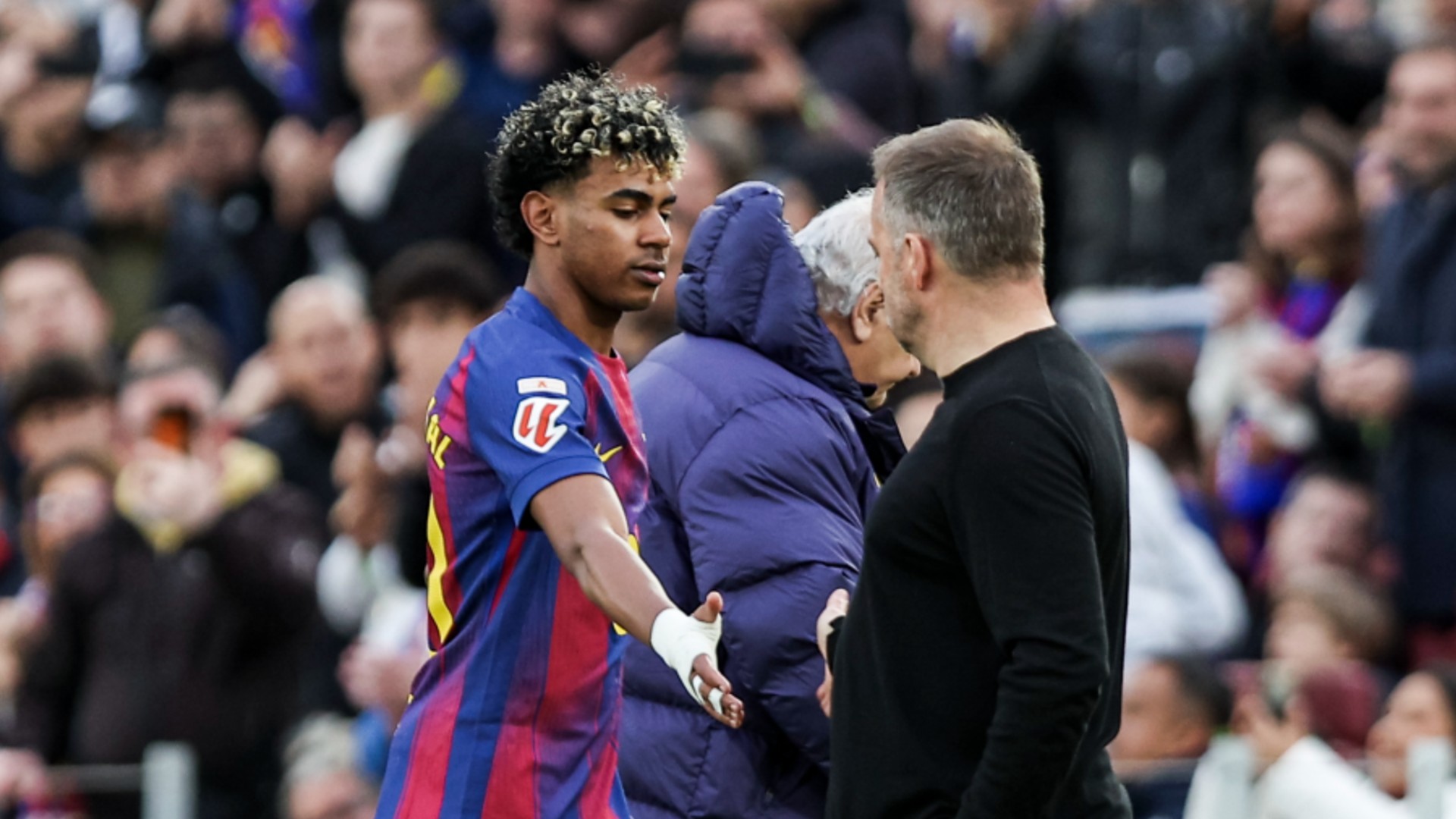
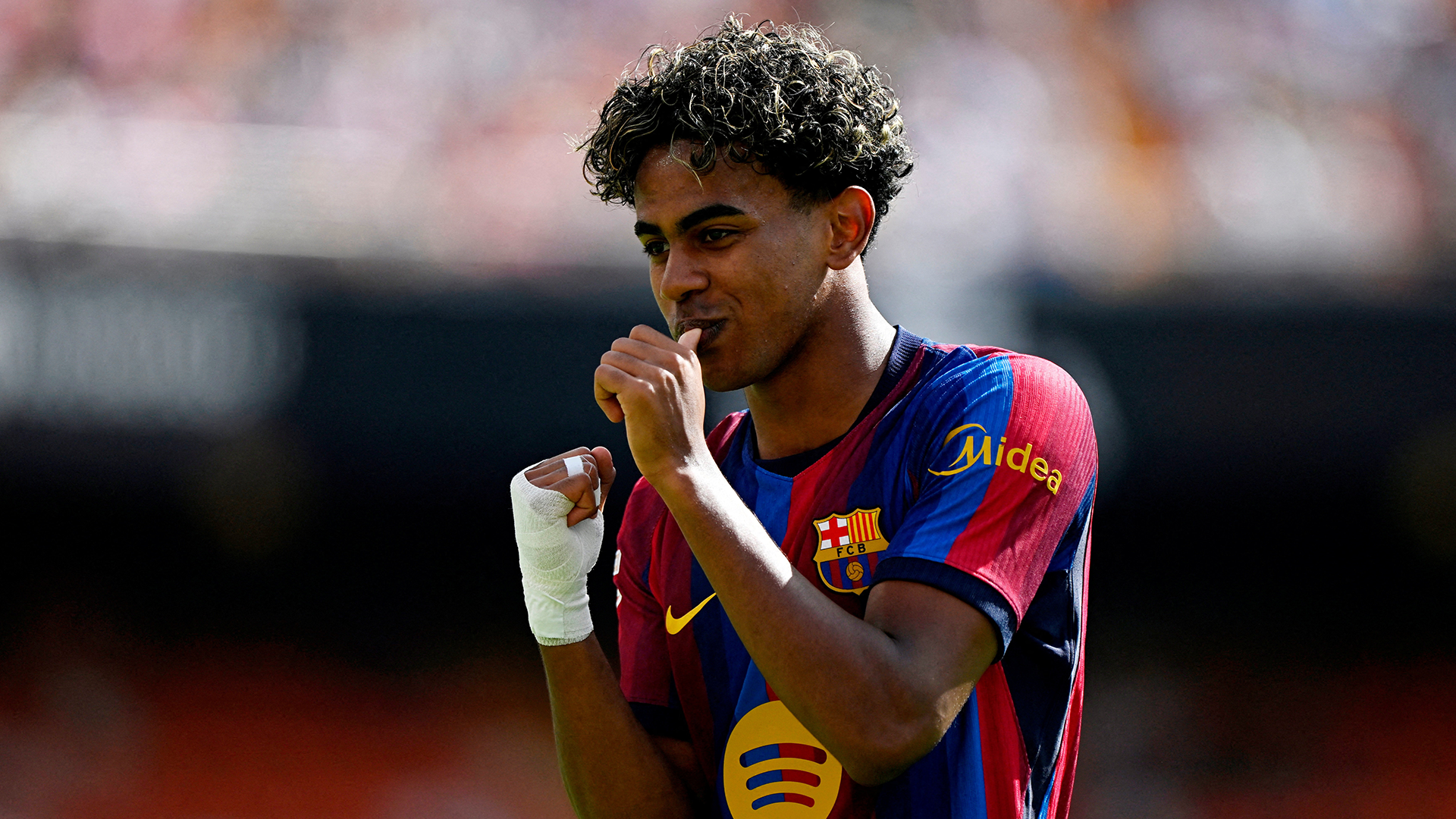
Against Levante, for example, Lamine Yamal stepped up from the spot and converted the second of his two goals in Barcelona’s 4-2 victory.
The decision did not create any problem with Raphinha. On the contrary, it reflects the way the dressing room is managing these situations.
When the match demands that an important penalty be converted, the Brazilian emerges as the main reference. When the circumstances allow for more flexibility, other players can also take responsibility.
Lamine Yamal and Dani Olmo Are Among the Alternatives
Within that dynamic, Lamine Yamal and Dani Olmo are also among the players prepared to take penalties.
Flick also entrusts much of the team’s set-piece work to members of his coaching staff such as José Ramón de la Fuente and Heiko Westermann, who are involved in preparing these situations.
However, once the match begins, the players’ own feelings and confidence also become important.
It is not simply a matter of giving the ball to the player who won the penalty. Nor is there an automatic rotation. The scoreline, the moment of the match and the confidence of the potential taker all come into the equation.
And when someone needs to establish the order, Raphinha emerges as the main figure.

A Dynamic Designed to Help the Attackers
The Brazilian’s approach is also connected to his role as captain.
Raphinha has explained that he wants to help teammates such as Lamine Yamal, Karim Adeyemi and Anthony Gordon score, understanding how important goals are for attacking players.
“We are a family, and family members have to look after one another,” the Brazilian said when explaining that mentality.
So far, the system has worked without turning every penalty into a debate over who should take it.
Barcelona have specialists. They have alternatives. And they have a hierarchy.
But when Raphinha is on the pitch, the ball usually ends up in his hands first. From there, the captain decides whether to take the shot himself or whether it is time to share the opportunity.





Raphael Dias Belloli
FC Barcelona