
Raphinha Strikes Back: “I Deserved to Win the Ballon d’Or”
It wasn’t just another season—and he knows it. Raphinha speaks openly about recognition, leadership, and the path he still wants to walk with Barça and Brazil.
Raphinha is living one of the strongest moments of his career. Now a key figure for FC Barcelona, the Brazilian wrapped up a season with major collective and individual impact—one of those campaigns that redefine a player’s status both on and off the pitch. Still, that level of performance did not come with the individual recognition many expected.
Far from sounding resigned, Raphinha addressed the issue with conviction and perspective. For him, individual awards cannot be reduced to a single competition or isolated moments. Consistency, trophies, and real influence on the game matter too, and from that viewpoint he builds his case clearly, without hesitation or half measures.

The Ballon d’Or and Looking Inward
When the Ballon d’Or enters the conversation, Raphinha doesn’t shy away. He acknowledges the weight and prestige of the award, but also defends his season from a broader perspective. It’s not arrogance—it’s self-assessment: understanding what he delivered and standing by it with footballing arguments.
Beyond the trophy itself, the Brazilian makes one thing clear: his ambition doesn’t fade because of a result. On the contrary, moments like these fuel his competitive mindset and reinforce a belief he repeats often—modern football punishes complacency, and living off the past is a dangerous mistake.
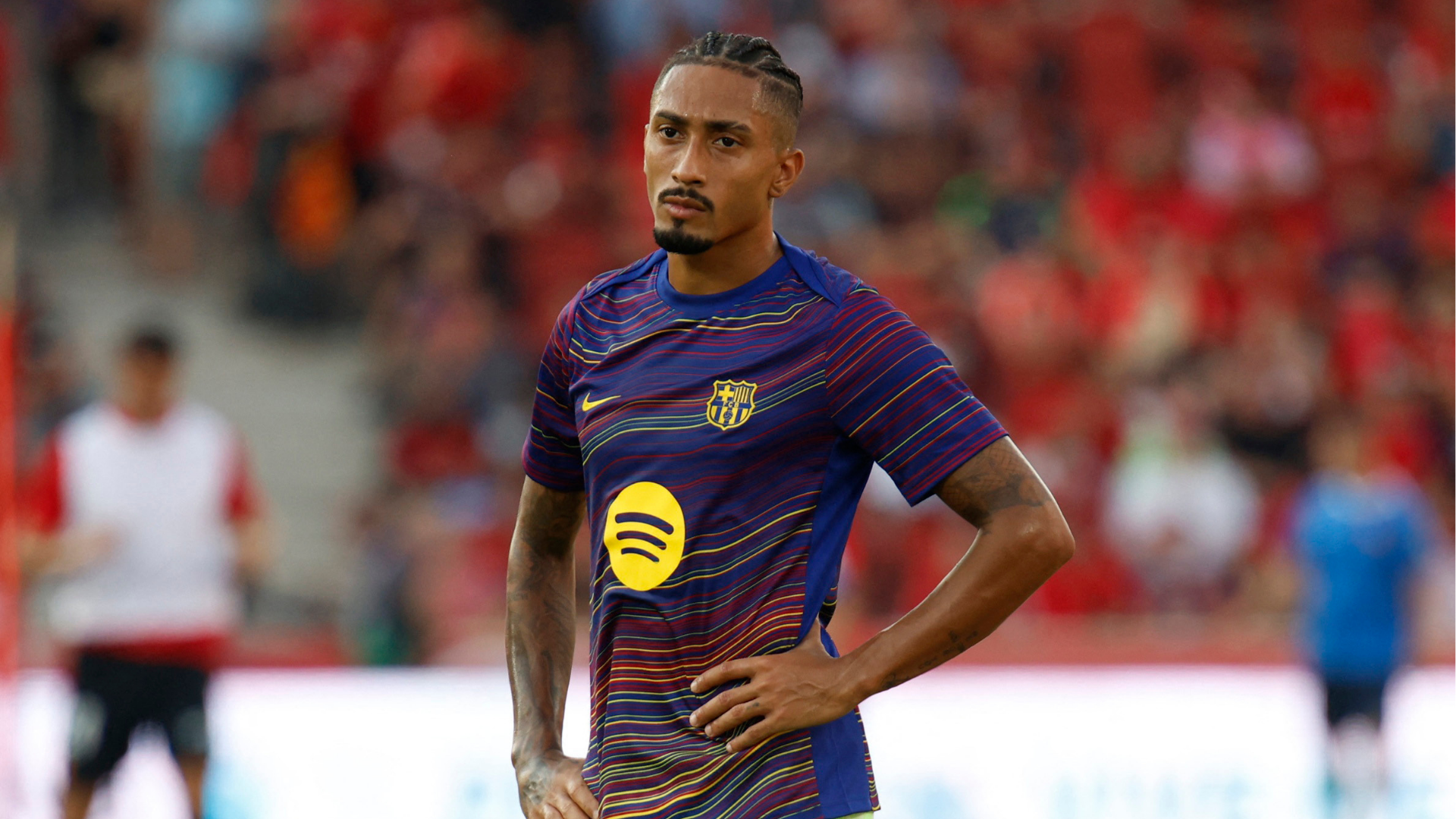
Flick, Trust, and a More Complete Role
One name comes up naturally in his reflections: Hansi Flick. The relationship between the two became a turning point for the winger, who found trust, continuity, and freedom at a crucial stage of his career.
That confidence also led to an evolution on the pitch. Raphinha no longer sees himself solely as a finisher or a traditional wide attacker. He now feels more comfortable helping build play, reading spaces, and making quick decisions—embracing a role closer to a creator than a pure executor.
Quiet Leadership and Internal Respect
As the team has grown collectively, Raphinha is quick to highlight teammates he considers essential. Pedri stands out as an example of quiet leadership—one that doesn’t always show up in the stat sheet but holds the team together through intelligence and control.
That internal understanding of the locker room reflects a maturity that goes beyond individual performance. Raphinha knows sustained success comes from attention to detail, mental balance, and constant demands—even when things seem comfortable.

The Road to 2026 and a Clear Target
Looking ahead, Raphinha stays focused. He talks about consistency, physical and mental care, and accepting that some things are out of your control. Within that framework, his ultimate goal is non-negotiable and crystal clear: winning the World Cup.
He doesn’t picture himself on the sidelines or pursuing a coaching career. His focus remains on competing, performing, and pushing his limits further. For Raphinha, success isn’t a destination—it’s a daily standard, and his story still has plenty of chapters left to be written.