
- Home >
- Soccer >
- FIFA World Cup >
- The 10 players born in Spain who will play at the 2026 World Cup for another national team and write their story away from La Roja
The 10 players born in Spain who will play at the 2026 World Cup for another national team and write their story away from La Roja
The 2026 World Cup will feature a curious Spanish presence beyond La Roja. Ten footballers born in Spain will represent other national teams, showcasing stories of identity, family roots, and decisions that shaped their careers.
The 2026 FIFA World Cup will feature a very particular Spanish presence. Beyond the players called up by La Roja, ten footballers born on Spanish soil will compete in the tournament representing other national teams.
The reasons behind these decisions vary: family roots, dual nationality, sporting opportunities, and a strong cultural connection with their parents’ countries. The phenomenon highlights how modern football increasingly reflects global identities.
Who are these players?
Achraf Hakimi – Morocco
Born in Madrid, Achraf Hakimi became one of the great symbols of Moroccan football. The son of Moroccan migrants and developed through Real Madrid’s youth academy, the full-back chose to represent Morocco from a young age.
Hakimi scored the decisive penalty against Spain at Qatar 2022, eliminating the very country where he was born and becoming a Moroccan national hero.


Iñaki Williams – Ghana
Born in Bilbao, Iñaki Williams chose to play for Ghana thanks to his parents’ family roots in the African nation.
For years he represented Spain at youth level but eventually switched national teams to embrace an experience tied to his family identity and become one of Ghana’s attacking leaders.

Munir El Haddadi – Morocco
Born in El Escorial, Madrid, Munir followed a unique path. He represented Spain and even debuted with the senior national team, but years later officially switched to defend Morocco.
Munir’s case became one of the most notable examples of the FIFA rule allowing players to change national teams under certain conditions even after appearing for another senior side.
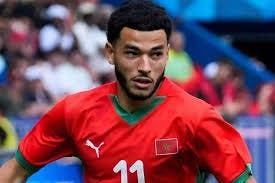
Brahim Díaz – Morocco
Born in Málaga, Brahim Díaz was long considered an option for Spain, but ultimately chose to represent Morocco, where part of his family comes from.
The Real Madrid player heads into the 2026 World Cup as one of Morocco’s most important attacking talents.

Omar El Hilali – Morocco
Born in L’Hospitalet de Llobregat, Barcelona, Omar El Hilali built his career in Spanish football while strengthening his connection with Morocco.
The defender found in the African national team a stronger platform to establish himself internationally on the road to the World Cup.
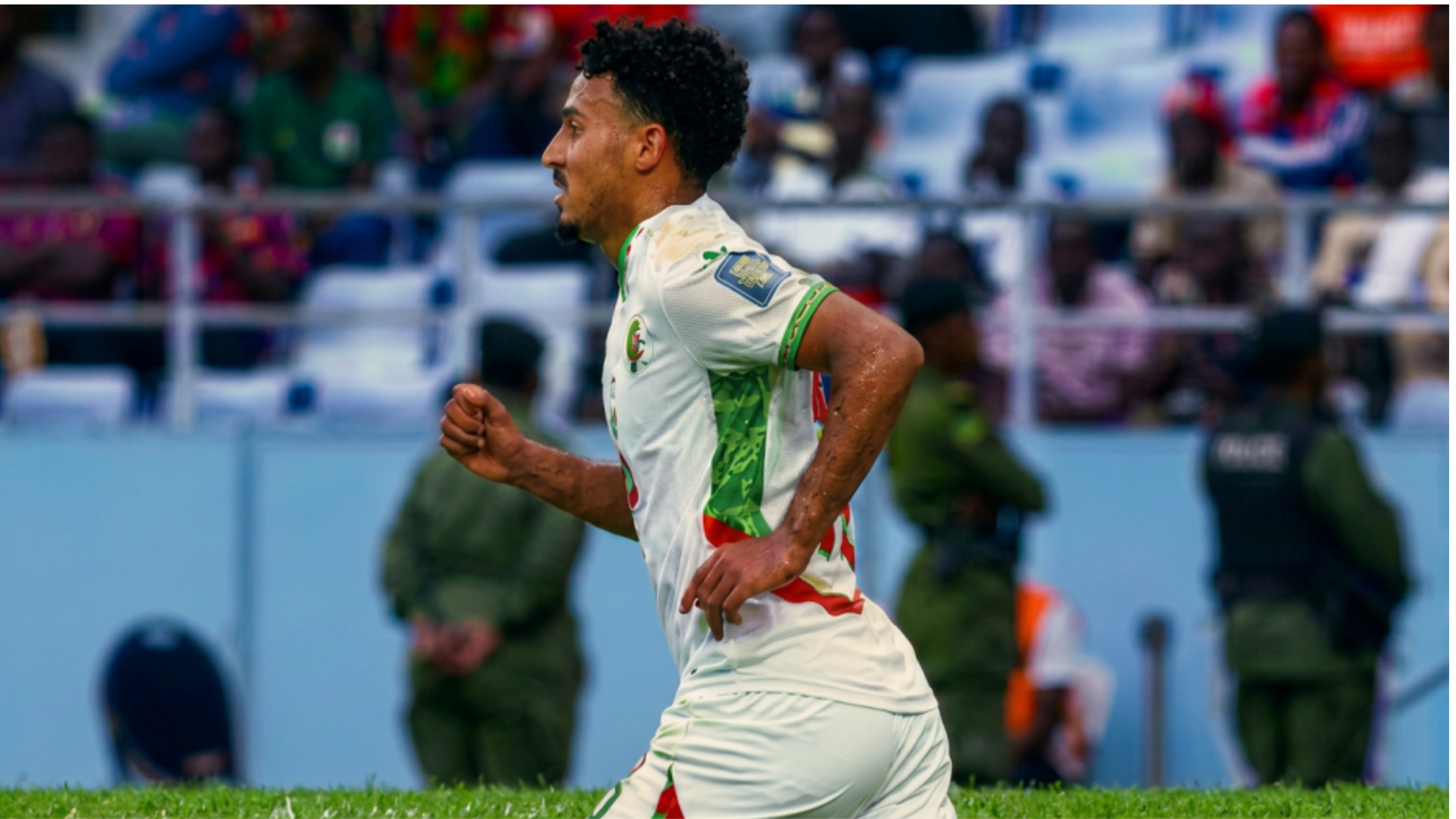
Chadi Riad – Morocco
Born in Mallorca, Chadi Riad developed as a footballer in Spain and chose to defend Moroccan colors.
The center-back is projected as part of Morocco’s next generation in defense.
Morocco backed Chadi before he achieved full European consolidation, reinforcing its strategy of recruiting binational talent.
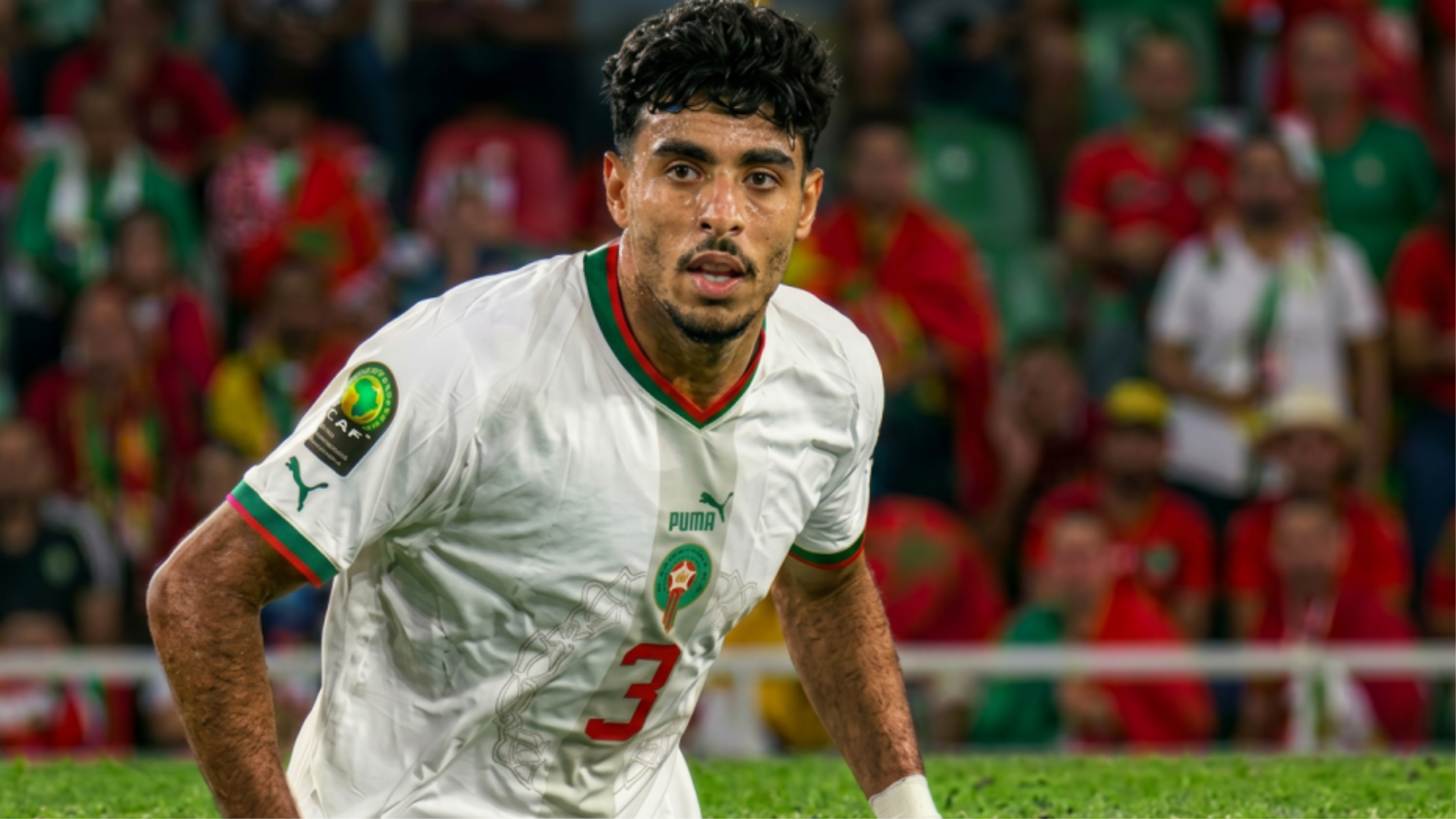
Álvaro Fidalgo – Mexico
Born in Oviedo, Álvaro Fidalgo spent much of his career in Spain before finding stability and recognition in Mexico with América.
Fidalgo earned the nickname “Maguito” for his vision and technical quality, quickly winning over Mexican fans.

Nico Paz – Argentina
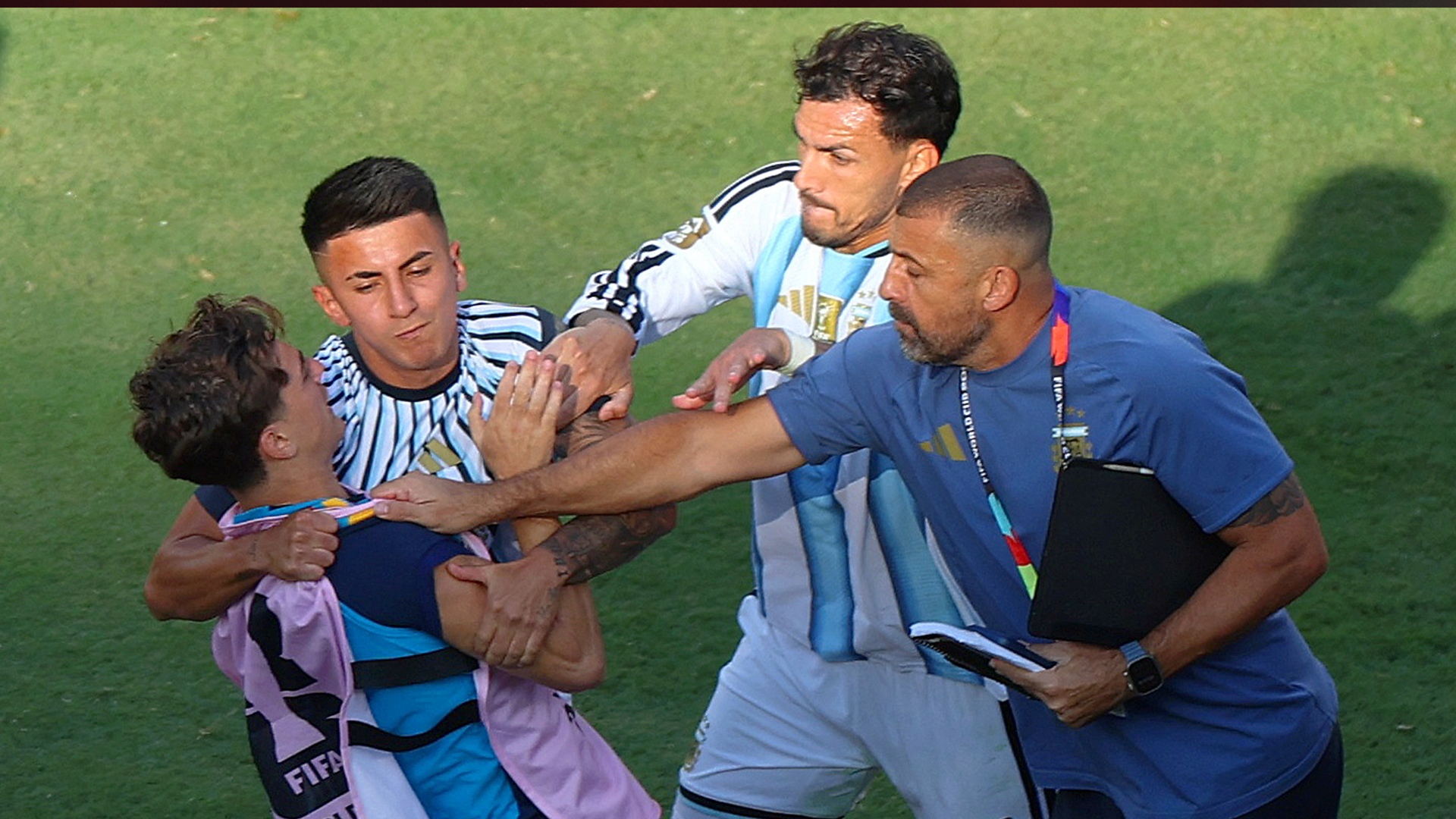
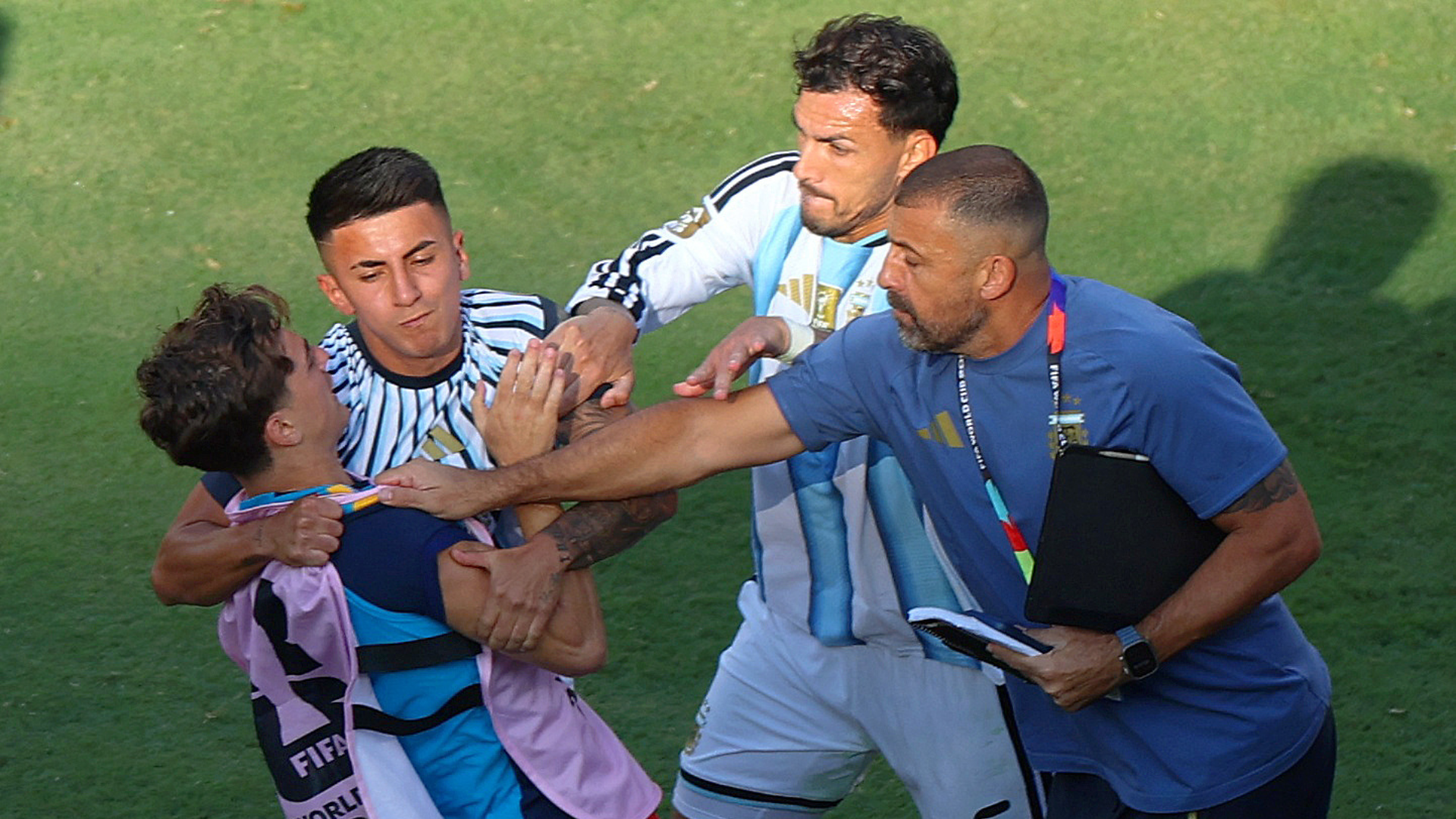
Born in Tenerife, Nico Paz chose to represent Argentina thanks to his family roots and his father’s football legacy.
Nico is the son of former footballer Pablo Paz, who played for Argentina at the 1998 World Cup in France.


Rodrigo Zalazar – Uruguay
Born in Albacete, Rodrigo Zalazar maintains a strong connection with Uruguay through family heritage.
The midfielder developed much of his career in Europe and found in La Celeste the international opportunity he was seeking.
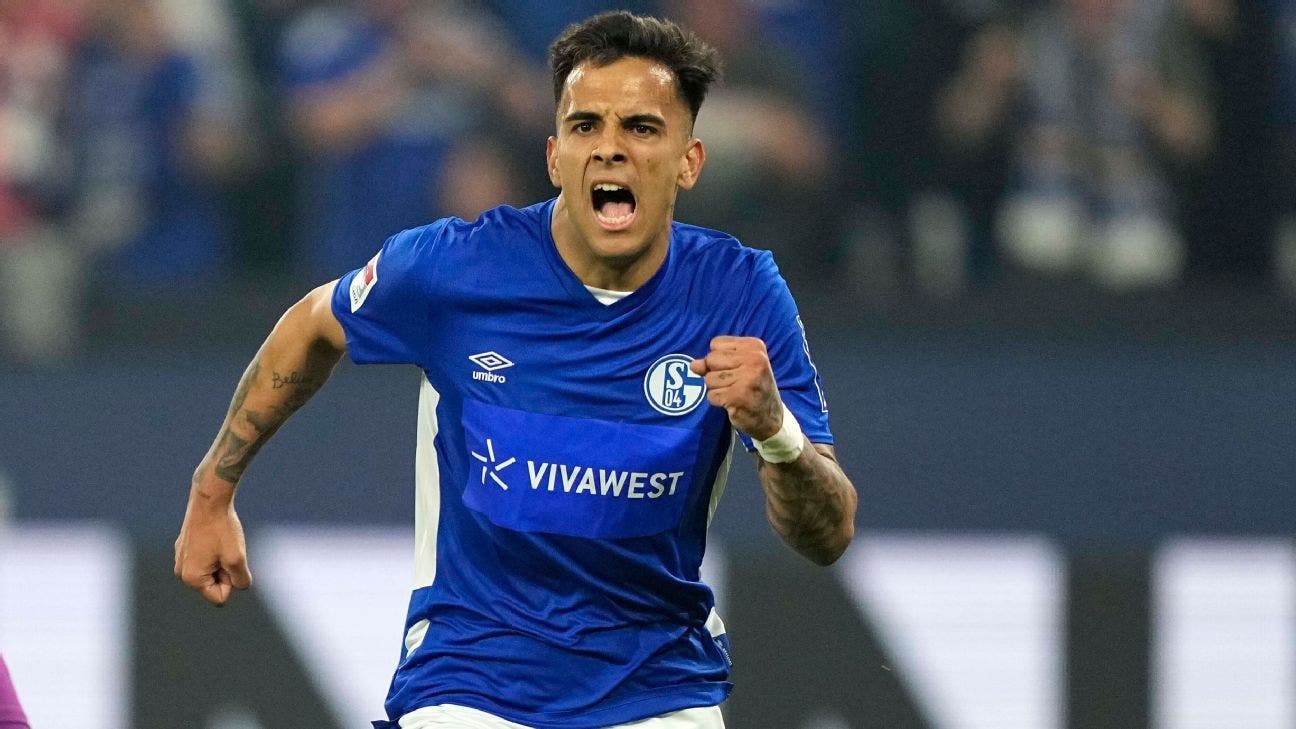
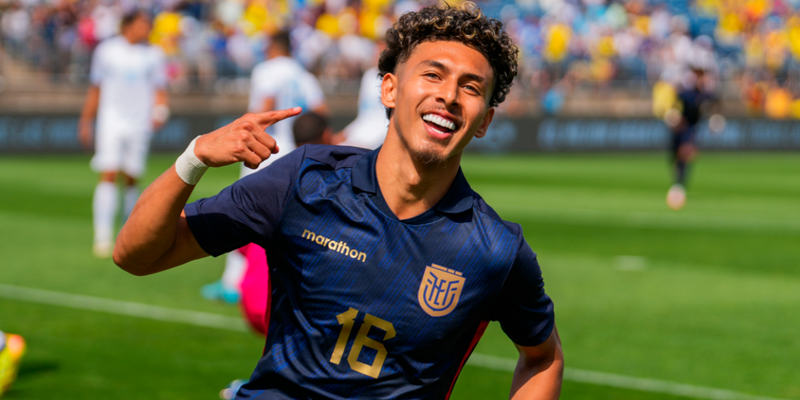
Jeremy Sarmiento – Ecuador
Born in Madrid, Jeremy Sarmiento emigrated at a young age and ultimately chose to represent Ecuador through his family roots.
Although born in Spain and representing Ecuador, much of his football development took place in England, making for an uncommon multicultural journey.
A World Cup that reflects new identities
The 2026 World Cup will once again prove that football no longer operates solely within traditional borders. The ten players born in Spain who will compete for other national teams represent stories of migration, identity, and international opportunity.