
Much has been said about the World Cup being hosted across three countries. Fans around the world have raised concerns about the difficulty of following their teams while also trying to experience what each nation has to offer beyond the tournament itself.
Saudi Arabian fan enters Mexico’s most dangerous areas and experiences the unexpected
What he saw on a new country challenged what he had been told

The World Cup is, in essence, centered on football. But as it takes place every four years in different regions, it also serves as a showcase of the host countries. In this edition, three nations share the responsibility, although the United States hosts the majority of matches due to infrastructure capacity.
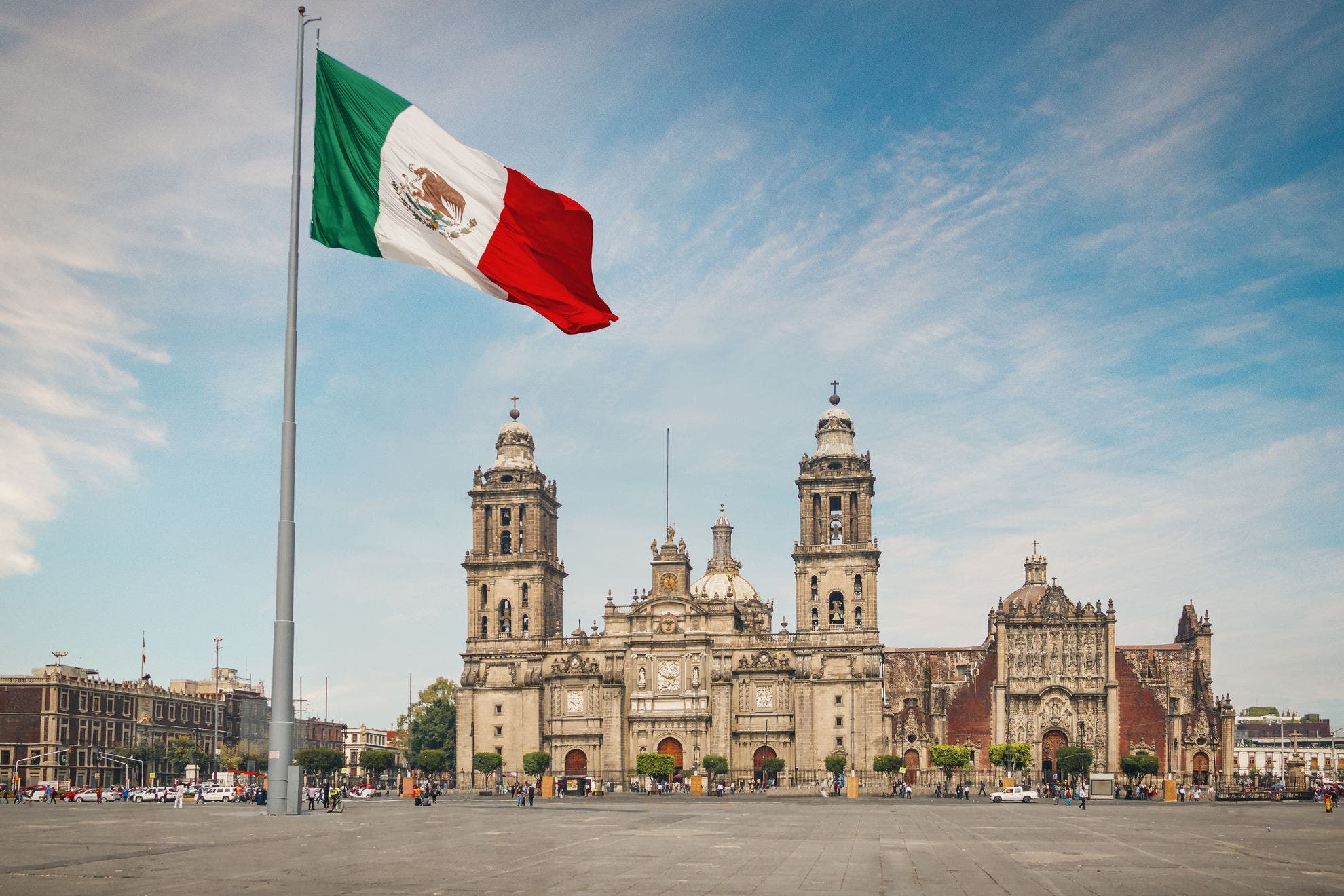

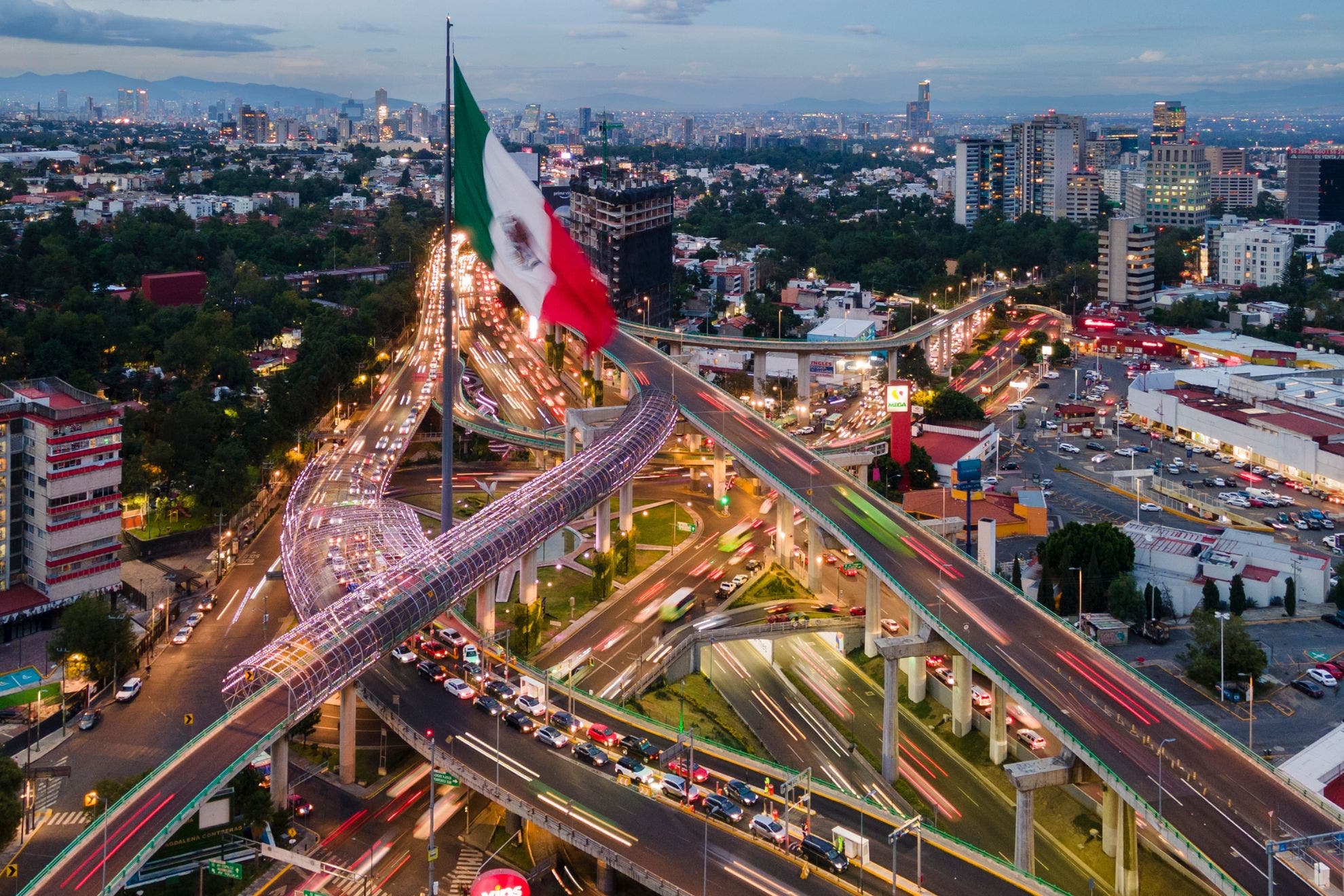
Still, some travelers chose to explore beyond the headlines, arriving in Mexico City to see the country, its capital, and its people firsthand.
Khalid Alolyan, a fan from Saudi Arabia, documented that perspective. His experience challenged the narrative he had heard before arriving in Mexico.
Social media reaction and a different reality
His videos quickly gained traction online, not just for showing visits through different neighborhoods in Mexico, but for the reception he received from locals along the way.
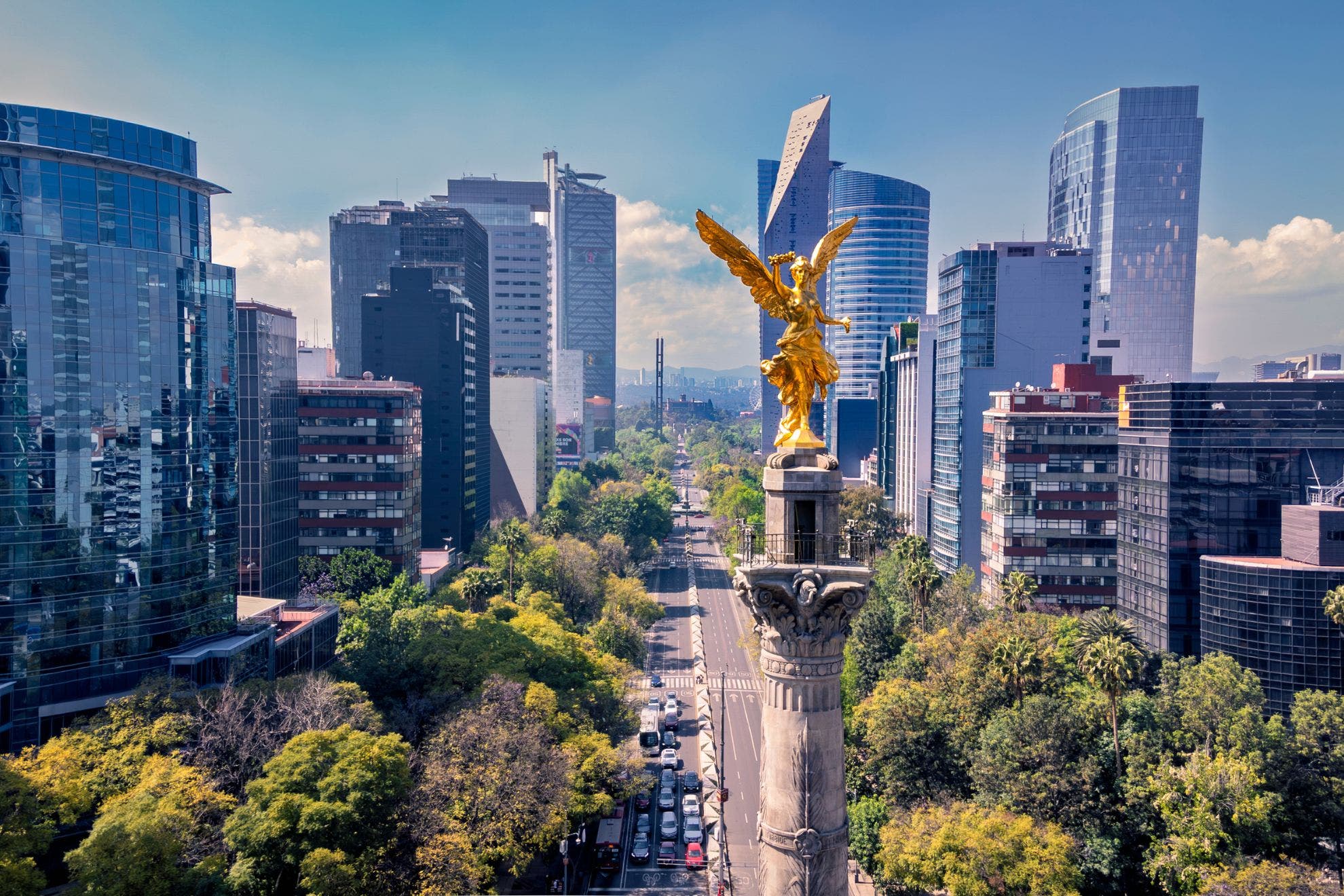
In his account, he described arriving with expectations shaped by repeated warnings about crime and gangs. What he found instead, he noted, was a city full of movement and daily life, where people were approachable and neighborhoods felt active and colorful. He also highlighted how present color was across streets, homes, and public spaces, giving the city a distinct atmosphere during his solo visit.
First-hand experience in Mexico City
Alolyan’s journey placed him directly inside popular areas of the capital, where interactions with locals became the central part of his experience.
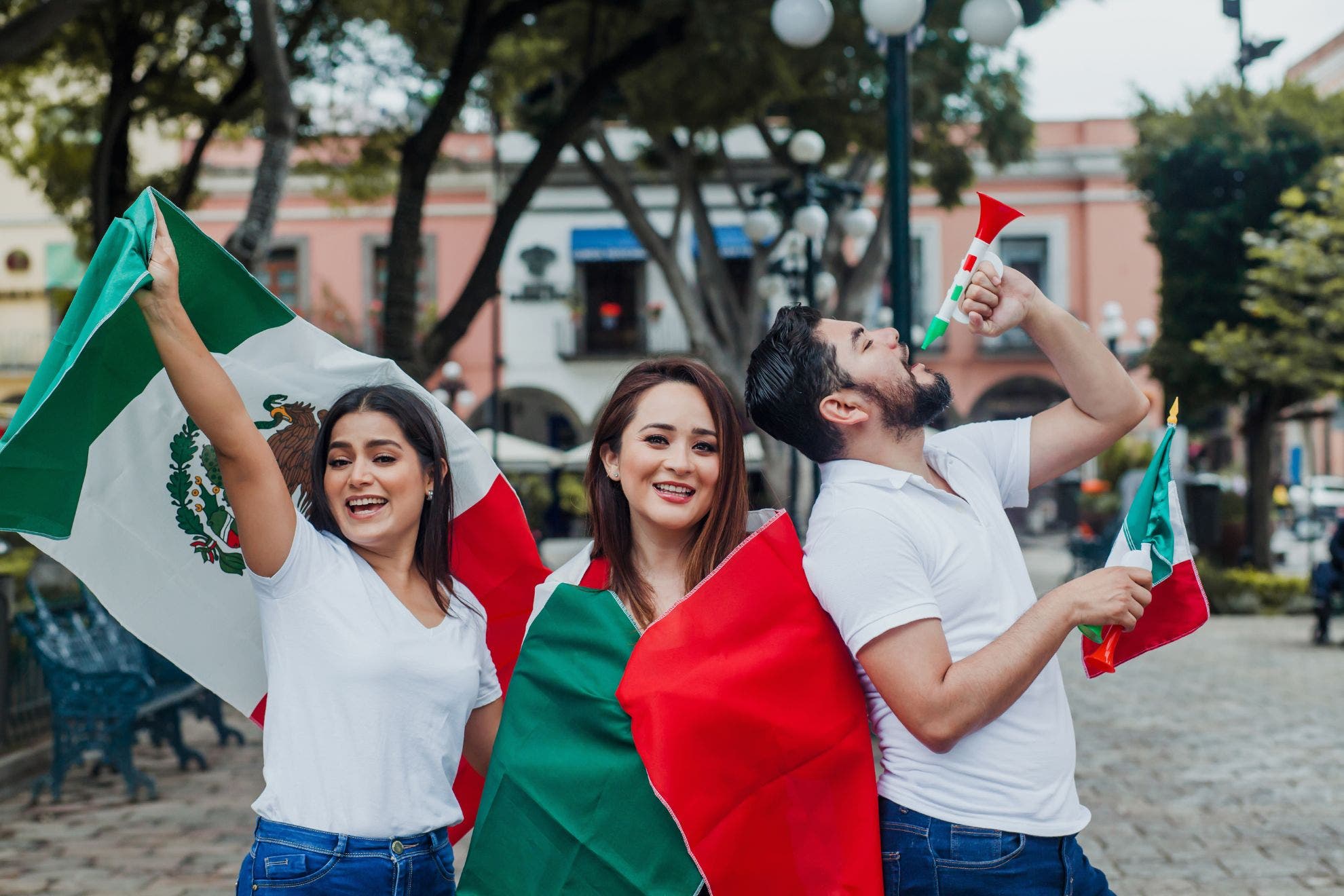
Rather than distancing himself, he engaged with people who, according to his account, were open, helpful, and willing to share their environment. The encounter extended beyond simple tourism, as he was invited into everyday spaces, including vehicles and homes, while being introduced to local culture.
Culture, pride, and connection
The Saudi fan also came across murals in these neighborhoods created in reference to the World Cup, reflecting how deeply the event is being felt locally. He observed a sense of pride in how residents speak about their city, history, and identity.
His experience suggested a disconnect between outside perception and what he encountered on the ground. He emphasized that many of the people he met were hardworking, welcoming, and willing to help, even in challenging daily conditions. The interaction between him and locals became one of the most shared aspects of his journey online.
Global reaction to what he showed
The videos led to broader discussions, with some fans even expressing that they would prefer a World Cup hosted entirely in Mexico, citing the way visitors are received and included by local communities.
During the tournament period, differences in language, culture, or background appear less relevant in these interactions. Communication, as seen in Alolyan’s experience, often happens through gestures, openness, and shared curiosity rather than formal barriers.
What stood out in his case was not just the visit itself, but the contrast between expectation and reality. His trip added another layer to the ongoing conversation about how countries are perceived versus how they are experienced on the ground.
The World Cup continues to be about football and competition, but stories like this also underline another dimension of the event: the breaking of stereotypes, the crossing of borders, and the unexpected connections formed far from the pitch.