
Copa America Preview: Team By Team Guide
Our man in Chile provides the ONLY Copa America guide you'll need.
beIN SPORTS
By Nick Dorrington (@chewingthecoca)
World-Cup finalists Argentina can be fancied to win their first major international trophy in 22 years at this year’s Copa América. They won the competition the last time it was hosted on Chilean soil back in 1991 and have, in Éver Banega, Nicolás Otamendi, Javier Pastore, Lionel Messi and Sergio Aguero, some of Europe’s most in-form players at their disposal.
Gerardo Martino is happy with the progress his side have made since his appointment last August. His ambitious attacking approach could, however, make them vulnerable against teams who strike swiftly on the break. Argentina played the best football of the 2007 Copa América in Venezuela, only for Brazil to blow them away in the final with a devastatingly efficient display of counter-attacking football. They will hope to avoid a similar fate in Chile.
Dunga was the Brazil coach in 2007 and returned to the role in the wake of last summer’s World Cup following the departure of Luiz Felipe Scolari. He was not a popular choice, but his brand of well-organised, transition-based football has seen his side to nine consecutive victories, including seven clean sheets, in the build-up to the Copa América. Brazil’s lack of variety could, though, prove problematic against obdurate opponents.
Hosts Chile are seeking their first ever major international trophy. Successive World Cup qualifications under Marcelo Bielsa and then Jorge Sampaoli and some impressive performances in Brazil last summer suggest this could be as good a chance as they will have to break their duck. With players such as Alexis Sánchez, Arturo Vidal and Claudio Bravo plying their trade at top European clubs they are rightfully one of the favourites.
Colombia went one round further than Chile last summer to reach the World Cup quarter-finals for the first time in their history and they come into the Copa América on the back of seven consecutive victories. Injuries have thinned out their midfield options but with James Rodriguez as their attacking conductor and a clutch of top-quality strikers, they will nevertheless hope to challenge for what would be just their second continental crown.
Uruguay will be without the services of Luis Suárez and will struggle to hold onto the trophy they won four years ago in Argentina. Óscar Wáshington Tabárez is still at the helm and is gradually instituting a long-overdue changing of the guard in various areas of the team. Uruguay look a little disjointed at the moment and their defensive unit, marshalled by the excellent Diego Godín, will have to be at its very best if they are to perform well in Chile.
[[{"uri": "/media/60836", "style": "height: 288px; width: 640px;"}]]
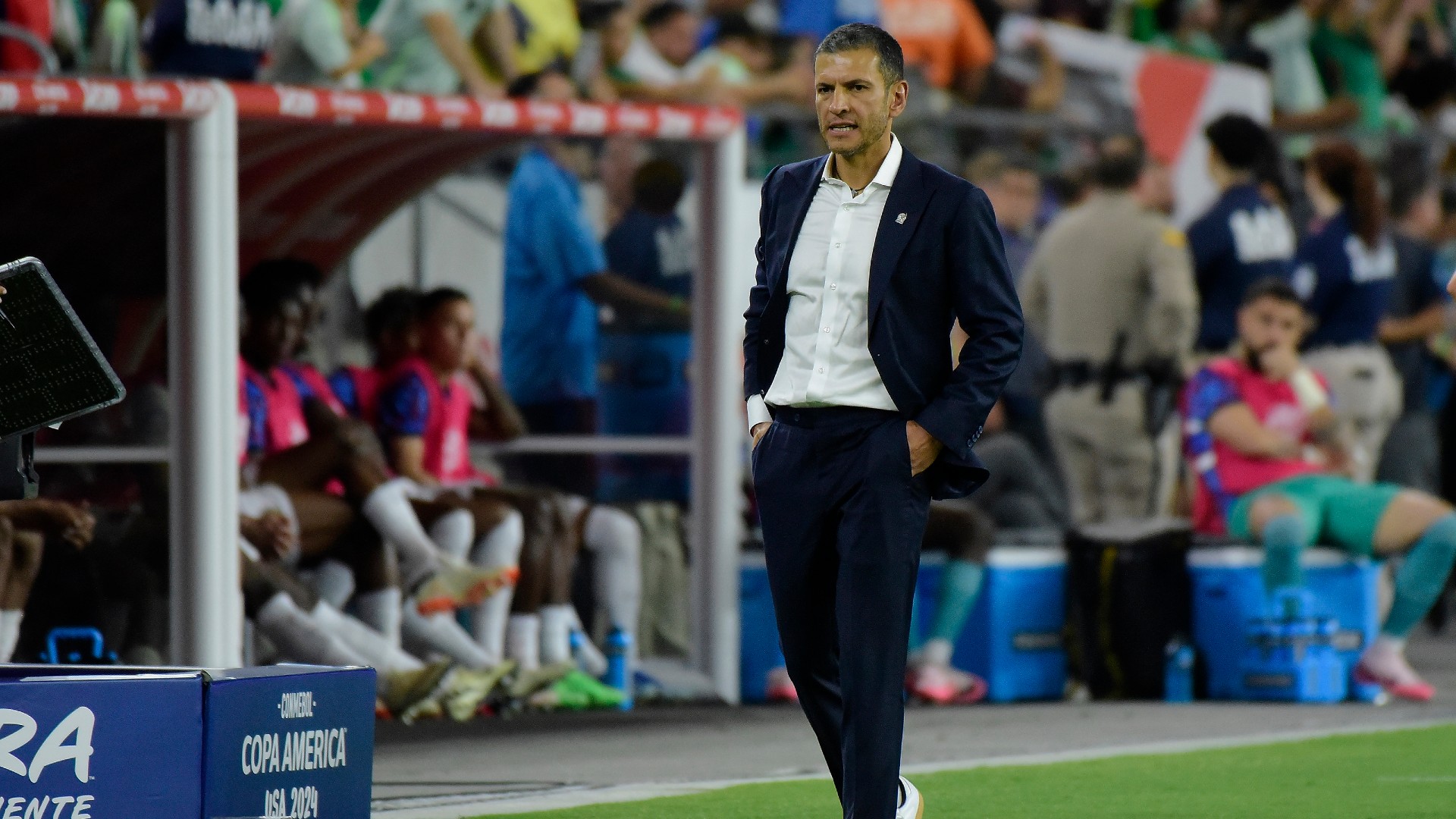
Mexico have selected an understrength squad due to their participation in next month’s CONCACAF Gold Cup. Miguel Herrera still has some quality players to work with but they are very unlikely to match their runners-up finishes of 1993 and 2001.
Ecuador will be relying on their strong Emelec contingent to lead them to a solid showing just a few months into Gustavo Quinteros’ reign as national team coach. Over half of the squad are current or former Emelec players, with eight of them having turned out for the club during Quinteros’ successful three-year spell in charge at the Estadio George Capwell. Antonio Valencia and Felipe Caicedo will be missed, but they are otherwise in decent shape.
Ramón Díaz has initiated the generational change that he feels was neglected by some of his predecessors in the Paraguay post. However, a lack of talent in key areas and the team’s unfamiliarity with his favoured formation mean that it is unlikely they will repeat their run to the 2011 final. Peru coach Ricardo Gareca is highly respected for his work with Vélez Sársfield and has a good attack at his disposal but far fewer quality options in defence and midfield.
Venezuela are yet another country who have changed their coach since the qualifiers for the last World Cup, although Noel Sanvicente has declined to make wholesale changes to the group that was formed by César Farías. They will rely on an experienced defence to provide a platform for some of their younger talents in the final third.
Bolivia are likely to struggle without the wily (and fabulously moustachioed) Basque coach Xabier Azkargorta in their dugout. They lost 5-0 away to Argentina in Mauricio Soria’s first match in charge and lack the necessary quality to compete at his level. Finally, Jamaica are somewhat of an unknown quantity. Their coach, Winfried Schafer, believes they are capable of making the last eight, but they are in a tough group and it is difficult to see them doing so.