
Few appointments could have a stronger philosophical connection than Xavi Hernández becoming head coach of Netherlands.
Xavi Hernández’s Biggest Challenges With Netherlands
After another disappointing World Cup exit, Xavi Hernández takes charge of Netherlands with a fascinating challenge: reconnect one of football’s most influential national teams with its traditional identity while finally turning attractive football and individual talent into international success.
The former Barcelona midfielder and coach was officially appointed on August 12, replacing Ronald Koeman and signing a contract through the 2030 World Cup.
Xavi arrives after another frustrating tournament for the Oranje.
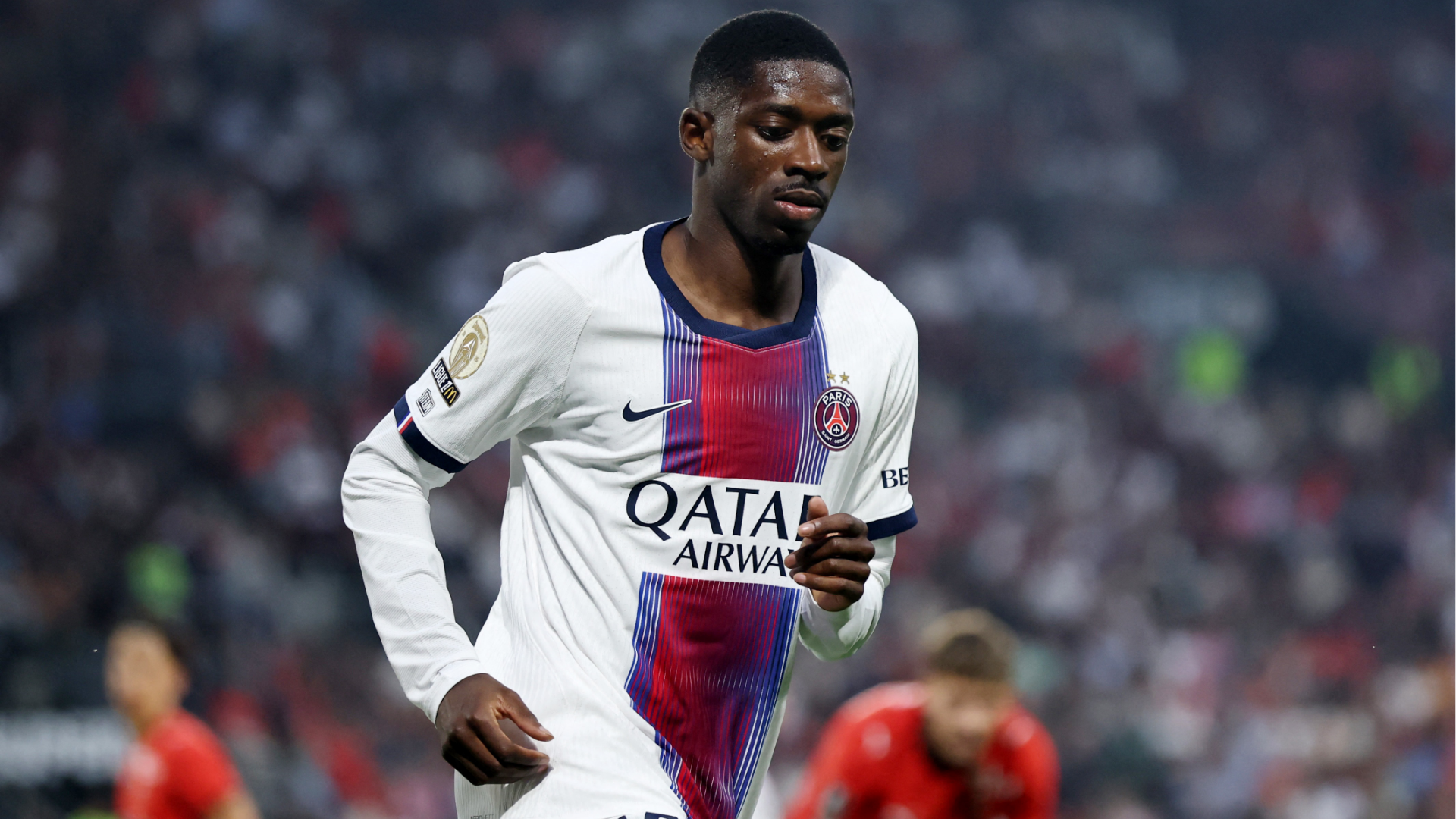
Netherlands finished first in their group and scored ten goals during the opening stage of the 2026 World Cup, but their campaign ended immediately in the Round of 32. Morocco equalized in stoppage time before eliminating the Dutch 3-2 on penalties. Koeman subsequently decided to step down.
For Xavi, the challenge is not simply to win matches. It is to make Netherlands look and feel like Netherlands again — and prove that identity can still produce trophies.
Returning to Dutch Football’s Roots
There is an obvious connection between Xavi’s football education and the country he now represents.
The influence of Johan Cruyff transformed Barcelona, while Dutch coaches such as Louis van Gaal and Frank Rijkaard played important roles during Xavi’s career.
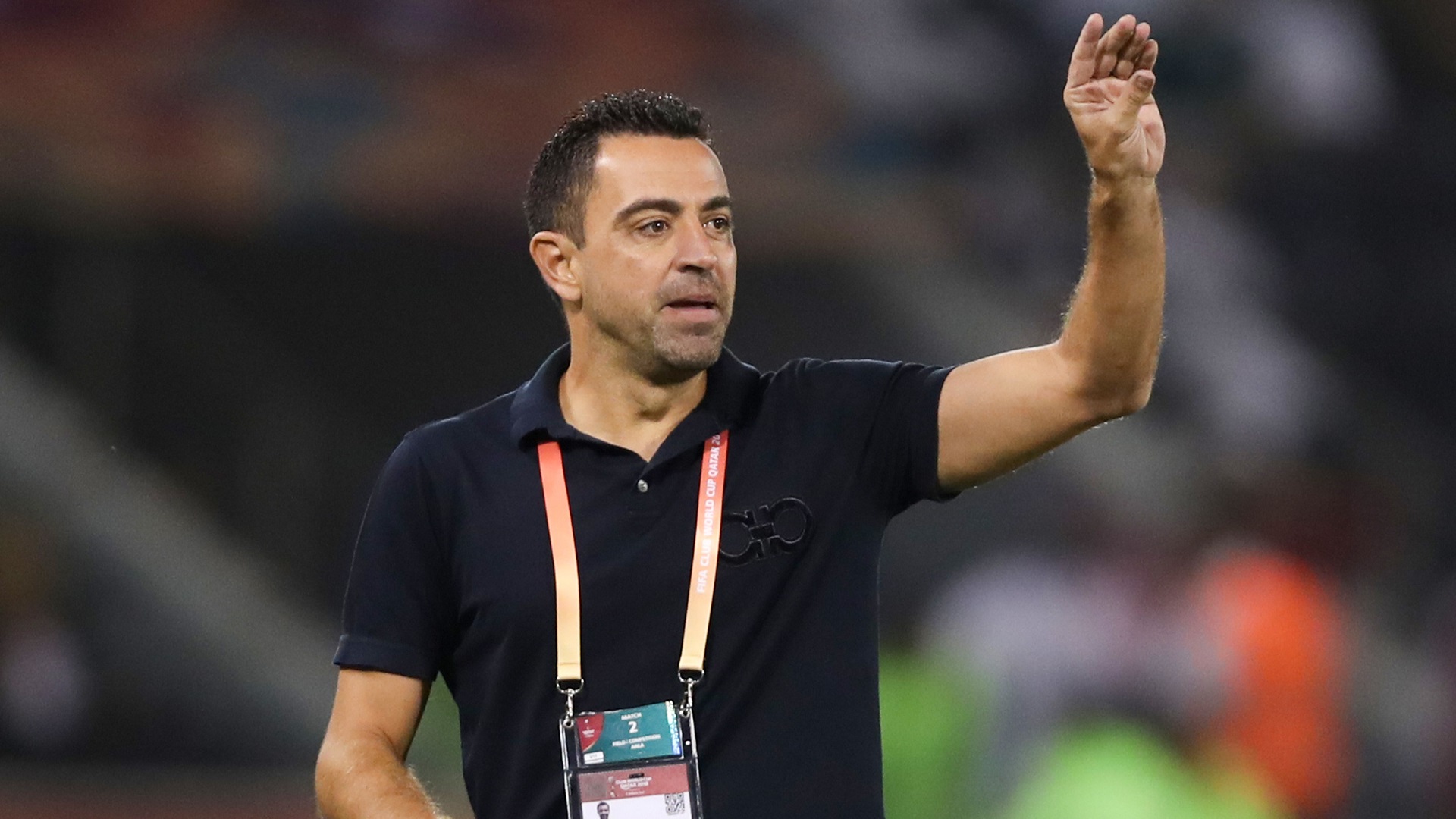
The Spaniard acknowledged that history when he accepted the position, describing himself as, in some ways, a “son of Dutch football.”
At his presentation, Xavi made his intentions clear. He wants an attacking team that dominates possession and identified the 4-3-3 and 3-4-3 as systems that fit his philosophy.
That sounds naturally compatible with the Oranje tradition. The more difficult part will be making it effective.
Netherlands have spent decades associated with influential football ideas, but their only major international trophy remains EURO 1988.
Xavi must find the balance between protecting that identity and avoiding becoming trapped by it.
Maximizing a Talented Generation
The squad provides him with an interesting foundation.

Virgil van Dijk remains an important leader, while Frenkie de Jong, a player Xavi knows extremely well from Barcelona, can become central to his possession-based midfield.
Around them, players such as Cody Gakpo, Xavi Simons, Tijjani Reijnders and Micky van de Ven give the new coach different options across the team.
Xavi has already spoken with De Jong and Van Dijk ahead of his first matches.
The question is whether he can turn those individual qualities into a more consistent collective.
Xavi vs Klopp to Begin the New Era
His first match could hardly be more symbolic.
Netherlands host Germany at the Johan Cruijff ArenA on September 24 in the UEFA Nations League. On the opposite bench will be Jürgen Klopp, also making his debut as a national-team coach.
The Oranje will then visit Serbia on September 27 and Greece on October 1 before hosting Serbia on October 4.
Those four competitive games mean Xavi will have to introduce his ideas quickly.
But the larger objectives are EURO 2028 and the 2030 World Cup.
For a coach so deeply influenced by Dutch football, the opportunity has an almost circular quality. Xavi learned from a philosophy that travelled from the Netherlands to Barcelona.
Now his challenge is to bring his interpretation of those ideas back to where they came from — and make them win.