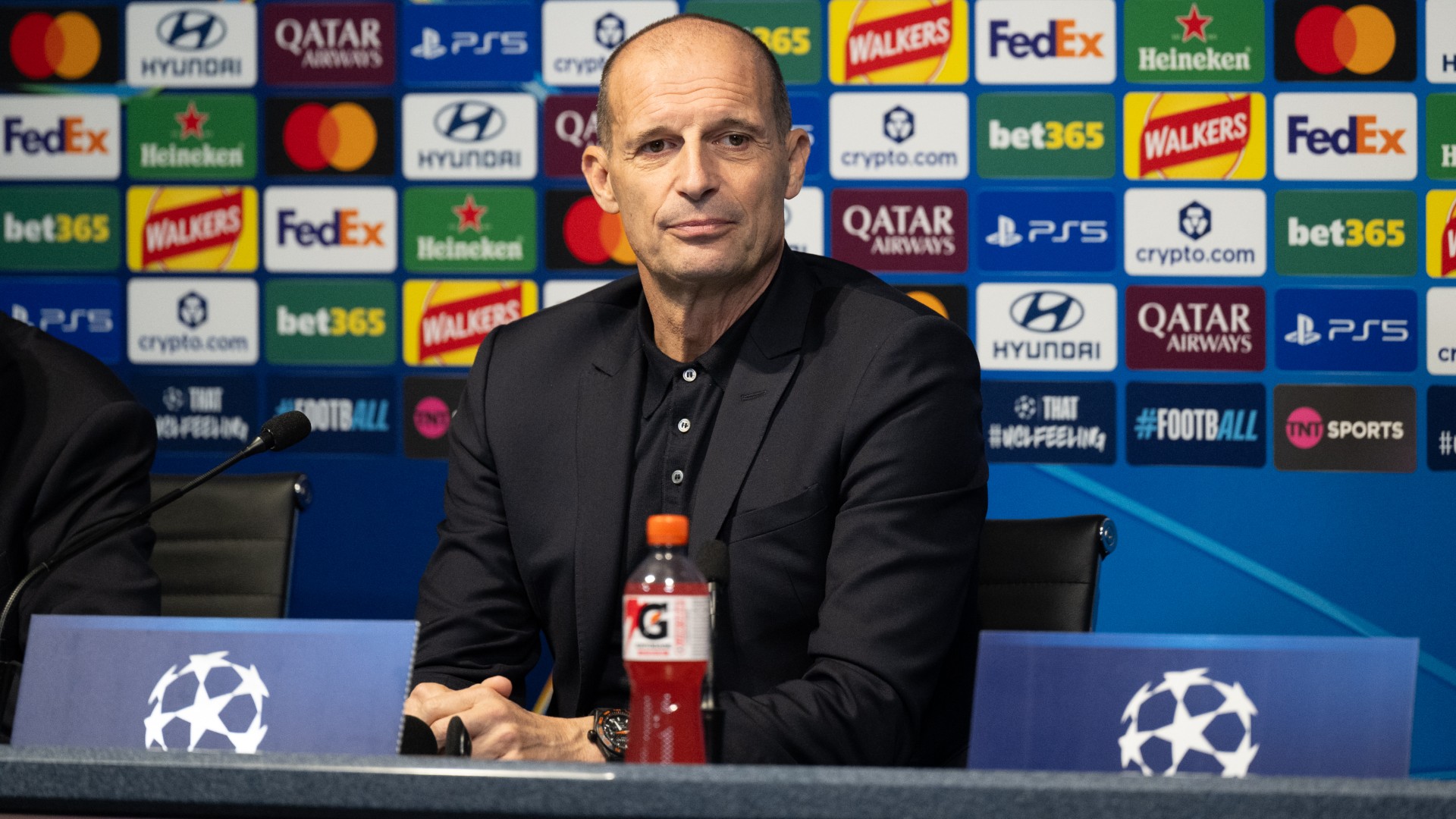

Roberto Mancini has already rebuilt Italy once. Now he has been asked to do it again.
Roberto Mancini’s Biggest Challenges With Italy
Three years after his controversial departure, Roberto Mancini is back in charge of Italy. The coach who led the Azzurri to European glory now faces a very different challenge: rebuild confidence after a third consecutive World Cup absence and make Italy a major international force again.
The Italian Football Federation officially confirmed his return on July 28, almost three years after his unexpected resignation in August 2023. Mancini, who led the Azzurri to the EURO 2020 title, begins his second spell with a four-year contract and a clear mission: return one of international football’s historic powers to where it believes it belongs.
This time, however, the starting point is even more difficult.
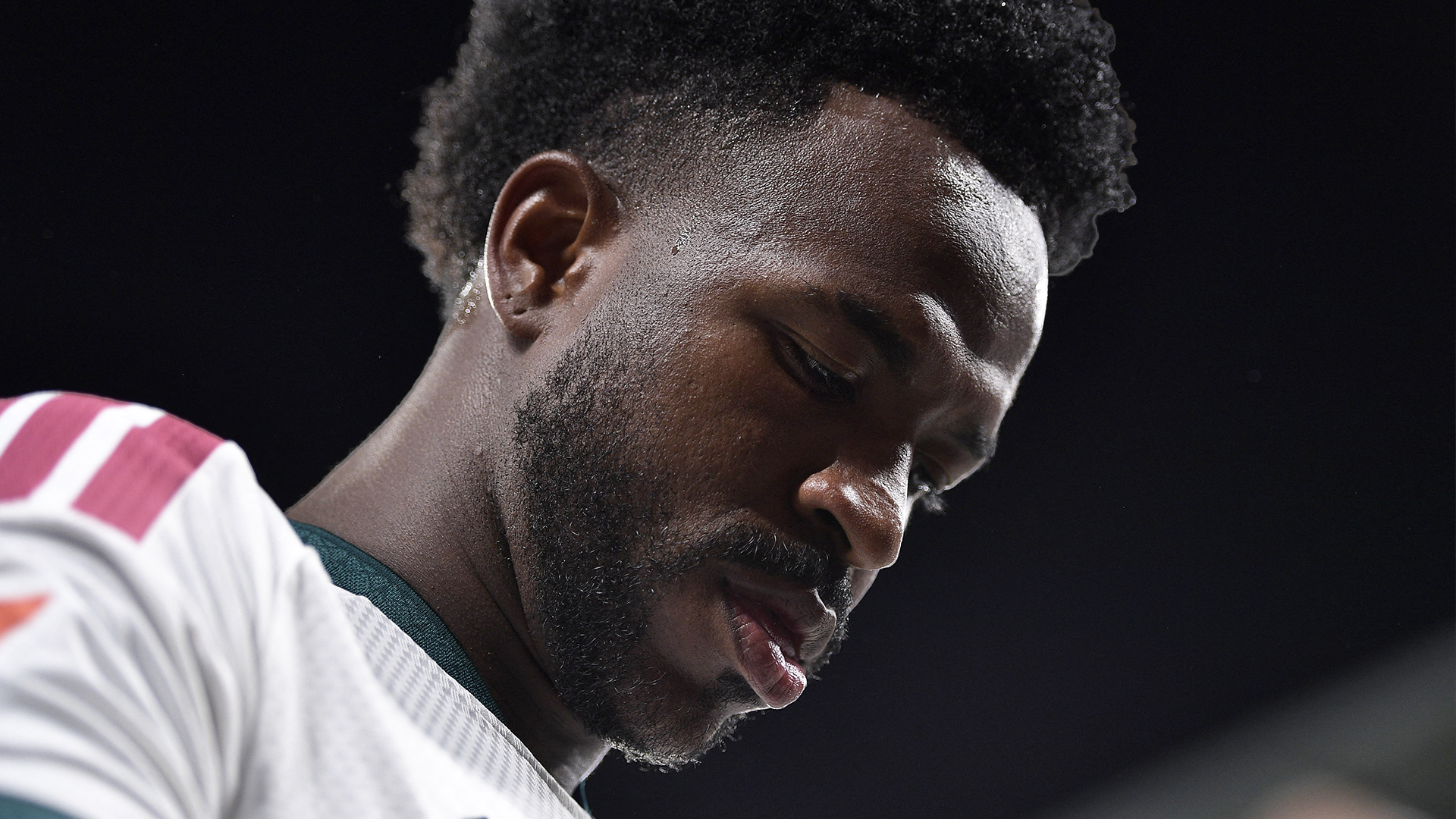
Italy failed to qualify for the 2026 World Cup, extending an extraordinary drought. The four-time world champions have now missed three consecutive editions after also failing to reach Russia 2018 and Qatar 2022.
For Mancini, the challenge is no longer simply winning another trophy. It is making the World Cup normal for Italy again.
Rebuilding After Another Failure
There is an unavoidable irony to Mancini’s return.
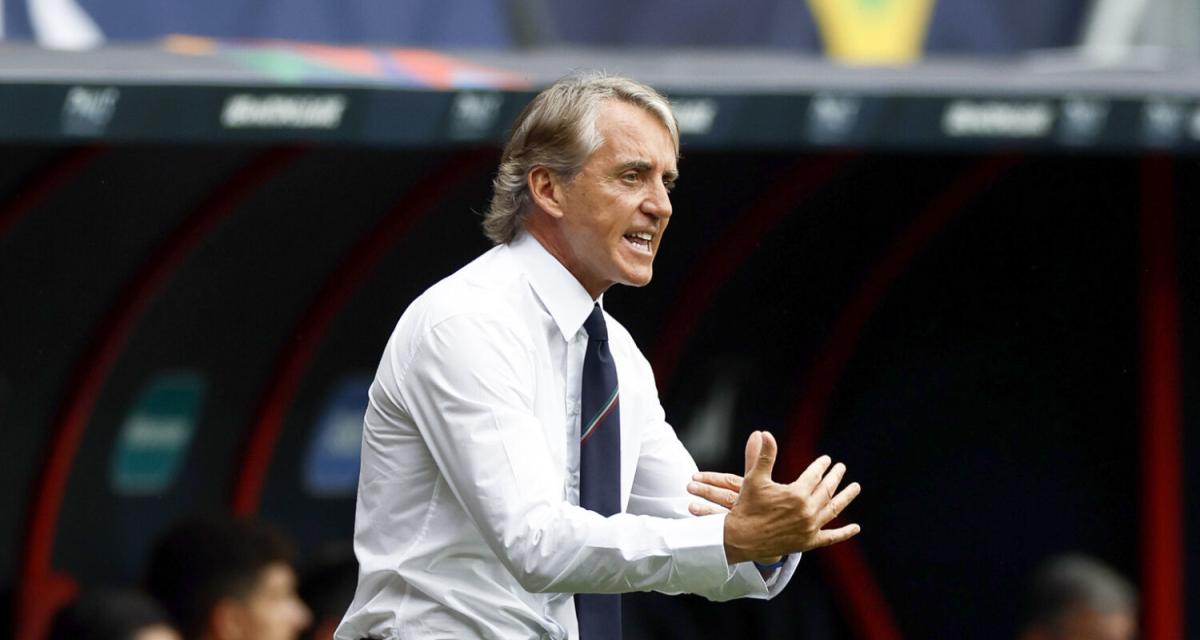
During his first spell, he inherited a national team devastated by missing the 2018 World Cup and transformed it into European champions. Italy also set a world-record 37-match unbeaten run during that period.
But his cycle contained its own major disappointment: failure to qualify for the 2022 World Cup.
Mancini has now acknowledged that leaving the national team in 2023 was a mistake, explaining that communication problems contributed to his decision. His second opportunity therefore carries a personal dimension as well as a sporting one.
He is not simply returning. He is returning to finish unfinished business.
Building the Next Italy
Mancini’s first successful rebuild relied on creating a strong collective rather than waiting for a generation of global superstars.
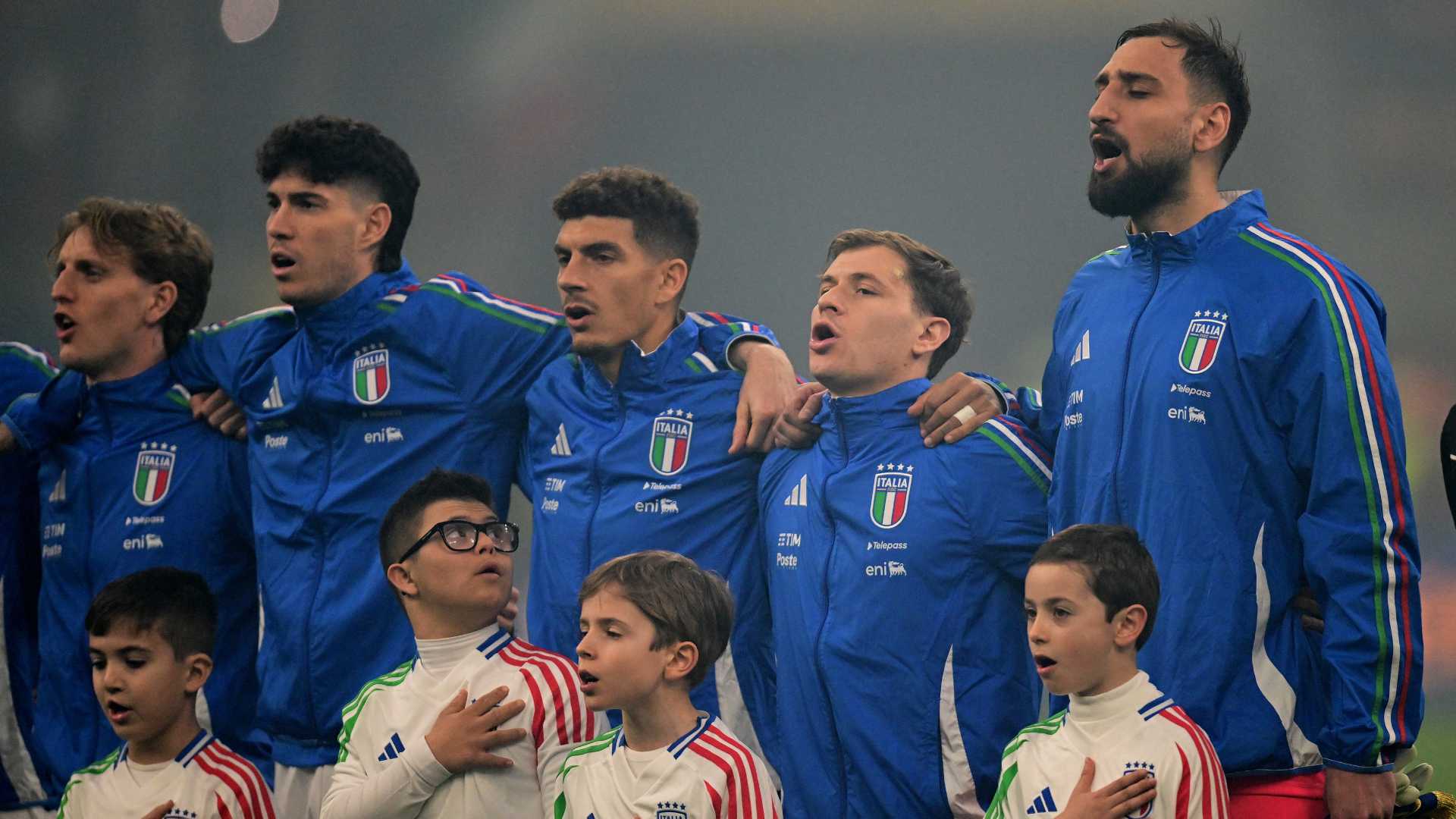
A similar approach may be necessary again.
Gianluigi Donnarumma and Nicolò Barella remain important reference points, but Mancini must also accelerate the integration of younger players and create a team capable of developing through the next four years.
The coach has already stressed the importance of giving young Italians opportunities, while Claudio Ranieri’s appointment as FIGC Technical Director and President of Club Italia adds another experienced figure to the new project.
Nations League, EURO 2028, World Cup 2030
Mancini himself has clearly defined the roadmap.
First comes the Nations League. Then qualification for EURO 2028. Only after that, he said, should Italy turn its attention toward the World Cup.
His first international window will immediately test the new project.
Italy host Belgium in Rome on September 25, travel to Türkiye three days later and then visit France on October 2. They finish the window against Türkiye in Bologna on October 5.
Four competitive matches against strong opposition leave little room for a gradual beginning.
EURO 2028 will eventually provide the first major measurement of Mancini’s second spell, but the deepest challenge lies further ahead.
An entire generation of young Italian supporters has never watched the Azzurri play at a World Cup.
Mancini has already given Italy one of its greatest recent nights by winning the European Championship at Wembley. His second act will be judged by something more fundamental: making sure Italy finally returns to football’s biggest stage.