
A World Cup quarter-final would represent success for many national teams. For Belgium, however, the 2026 tournament left the feeling that another cycle had reached its limit.
Mark van Bommel’s Biggest Challenges With Belgium
After Belgium reached the quarter-finals of the 2026 World Cup, Mark van Bommel has replaced Rudi Garcia with a clear target: manage the Red Devils’ generational transition while building a team capable of challenging for UEFA EURO 2028.
The Red Devils reached the last eight before losing 2-1 to eventual champions Spain. Shortly afterwards, the Belgian federation decided not to extend Rudi Garcia’s contract and appointed Mark van Bommel as his successor.

The Dutchman officially took charge on August 15 and signed a contract through UEFA EURO 2028. His arrival begins another attempt to reshape a national team that has spent years transitioning away from its celebrated golden generation.
Managing Belgium’s Generational Change
This is perhaps Van Bommel’s biggest challenge.
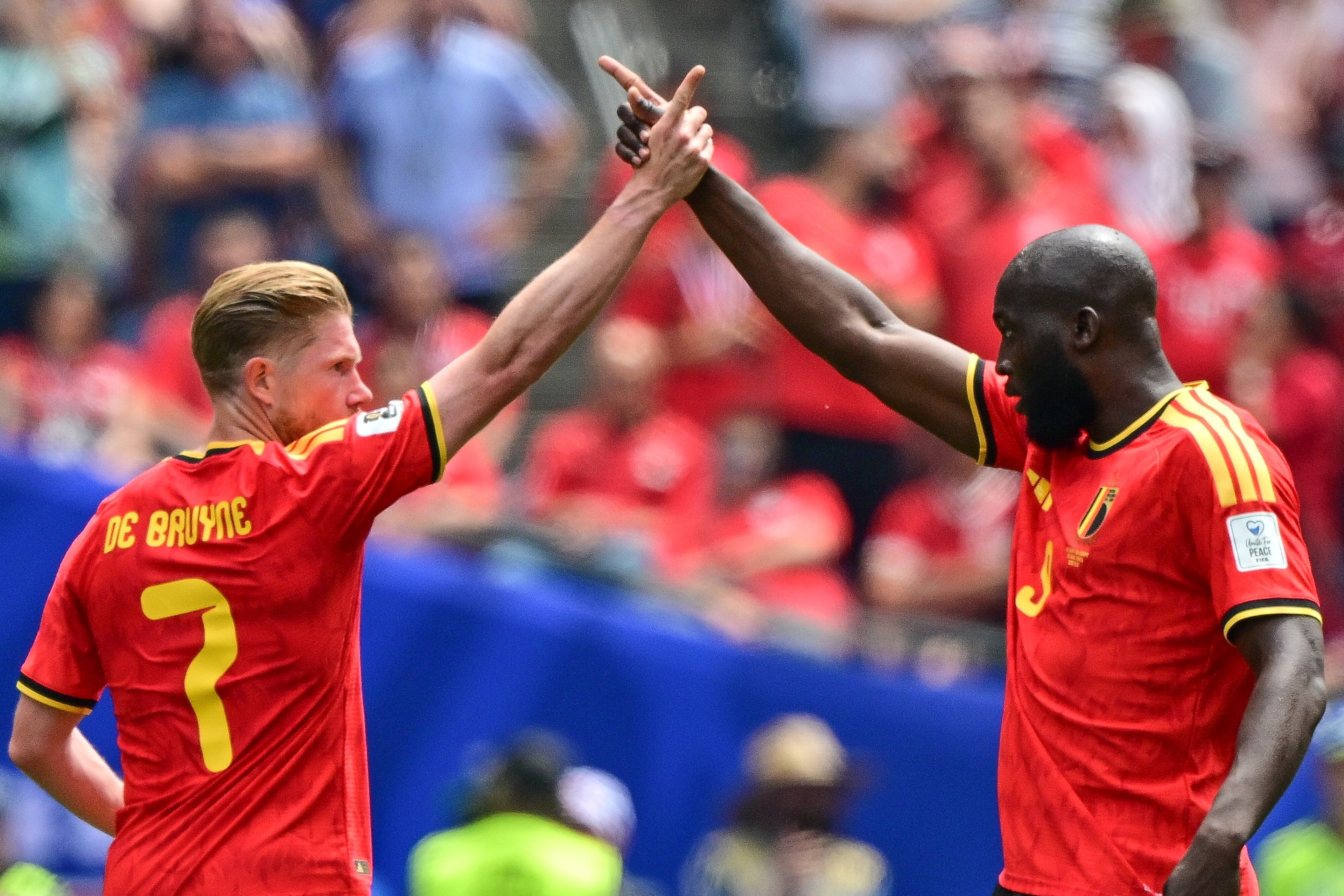
Kevin De Bruyne, Thibaut Courtois and Romelu Lukaku have been defining figures of Belgian football for more than a decade, but planning for 2028 and beyond means constructing a team that cannot depend exclusively on the stars of the previous generation.
At the same time, Belgium already has important players in or approaching their prime. Youri Tielemans was named captain under Garcia in 2025, while the national team has gradually introduced younger talent around its established names.
Van Bommel therefore needs evolution rather than a complete rebuild: preserve experience where it remains useful while creating space for the players who can lead Belgium’s next era.
An Immediate Test in the Nations League
There will be little time for experimentation without consequences.
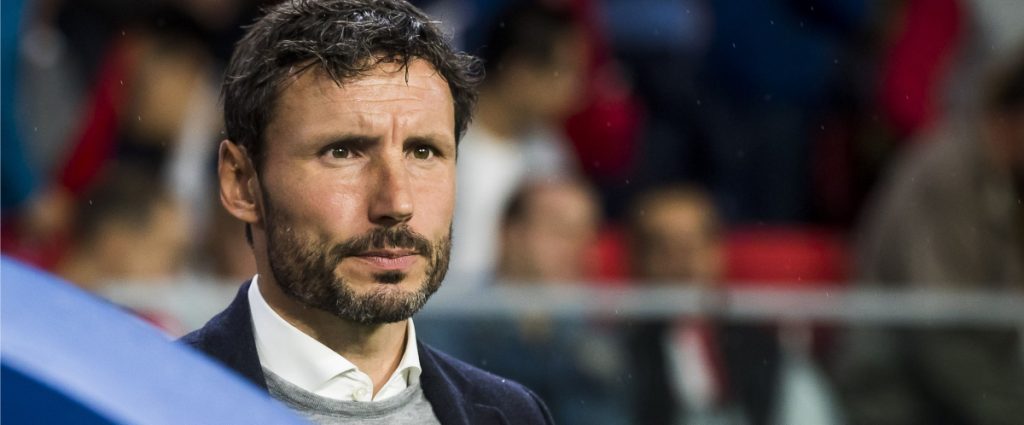
Van Bommel’s first competitive campaign begins on September 25 away to Italy in the UEFA Nations League. Three days later, Belgium host France, before facing Türkiye on October 2 and travelling to France on October 5.
Belgium were drawn in League A Group 1 alongside France, Italy and Türkiye, giving their new coach four demanding matches during his first international window.
That schedule should provide an immediate indication of how Van Bommel wants his team to play.
The former PSV Eindhoven, VfL Wolfsburg and Royal Antwerp coach arrives with significant knowledge of Belgian football. His greatest coaching achievement came with Antwerp in 2022-23, when he led the club to a domestic league and cup double.
The Real Target Is EURO 2028
The Nations League offers Van Bommel an immediate competition, but his contract makes the longer-term objective clear.
UEFA EURO 2028 will be the tournament by which his project is ultimately judged.
Belgium spent much of the previous decade among international football’s highest-ranked teams without converting that consistency into a major trophy. Their best World Cup result remains third place in 2018.
Van Bommel’s challenge is different from simply recreating that generation. He must establish a new hierarchy, decide which veterans remain essential and give the emerging group enough responsibility to develop before 2028.
The quarter-final appearance in 2026 showed that Belgium remain competitive. The next step is proving they can evolve without losing that level.
Van Bommel inherits a team that does not need to start again. His task is more complicated: knowing what to preserve, what to change and when to make the transition.