
Portugal entered the 2026 World Cup with one of the most talented squads in the tournament and ambitions of finally adding the one major trophy missing from their history.
Jorge Jesus’ Biggest Challenges With Portugal
After Portugal’s Round of 16 exit at the 2026 World Cup, Jorge Jesus begins a new cycle with two major objectives: compete immediately in the Nations League while preparing a talented generation for a future in which Cristiano Ronaldo will no longer be at its centre.
Instead, their campaign ended in the Round of 16.
A 1-0 defeat against Spain brought the tournament to an early conclusion and also ended Roberto Martínez’s tenure. Days later, the Portuguese Football Federation appointed Jorge Jesus as the new national-team coach.

At 71, Jesus takes charge of his country for the first time after more than three decades in club management. His challenge is unusual: Portugal do not lack talent, but must turn that talent into a team capable of consistently competing for major trophies.
And hovering over everything is one unavoidable question: what comes after Cristiano Ronaldo?
Preparing Portugal for the Post-Ronaldo Era
The 2026 World Cup marked a turning point for Portugal: it was Cristiano Ronaldo’s final World Cup.
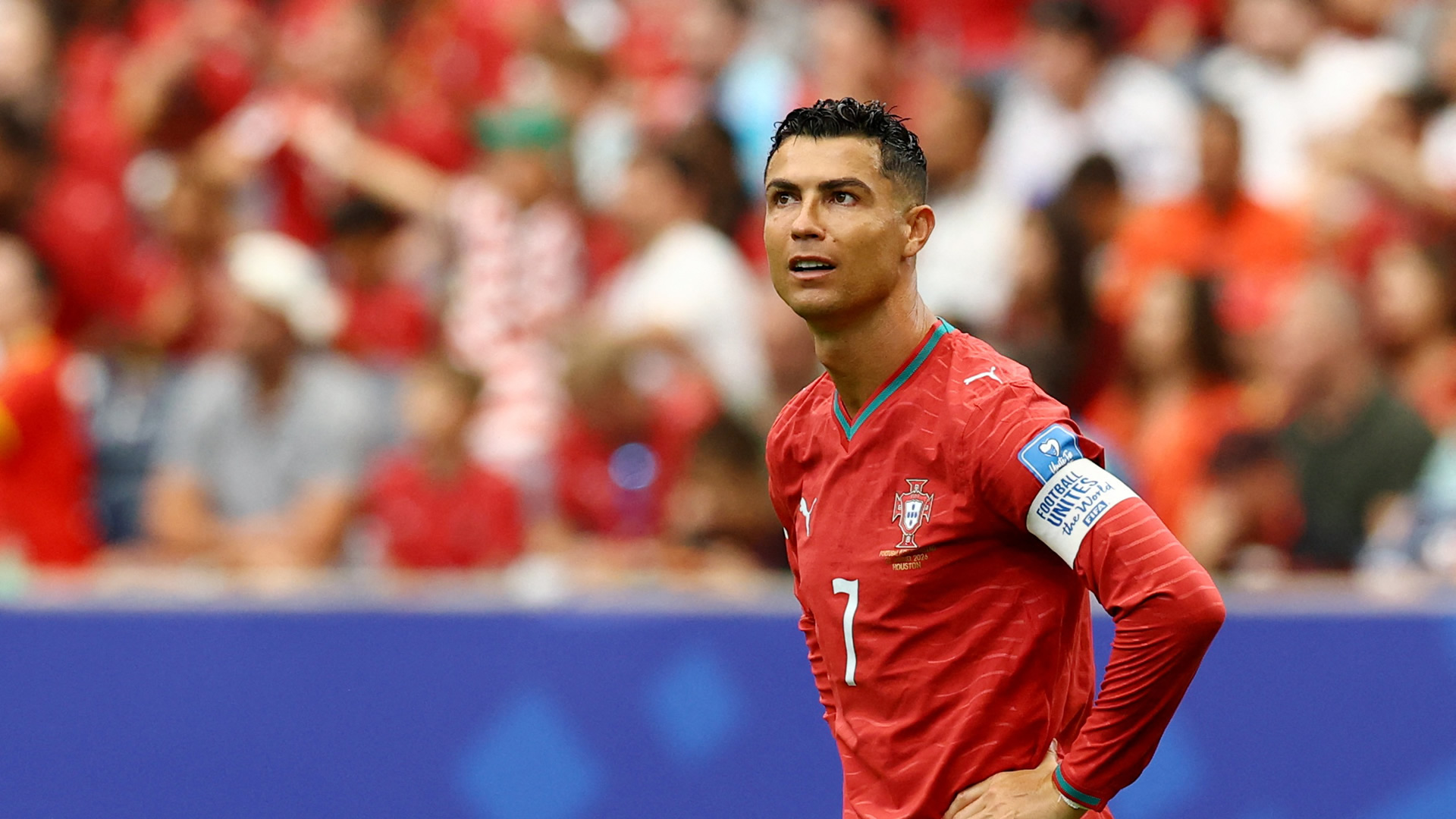
Although the forward has not officially announced his retirement from international football, his World Cup journey ended after six consecutive appearances, from Germany 2006 through 2026. Regardless of how much longer he continues to represent Portugal, Jorge Jesus must already begin preparing the team for the post-Ronaldo era.
Jesus knows him particularly well after coaching him at Al-Nassr, but his responsibility is now much broader. He must begin building a national team whose attacking identity, leadership and goalscoring no longer depend on the player who stood at the centre of Portugal’s project for more than two decades.
The good news for Portugal is that the foundations already exist.

Players such as Bruno Fernandes, Bernardo Silva, Rúben Dias and Diogo Costa provide experience and leadership, while João Neves, Vitinha and Nuno Mendes represent a generation ready to take on greater responsibility.
The Nations League can provide the first stage of that transition and EURO 2028 its first major test. But the real horizon is the 2030 World Cup: the first tournament Portugal must prepare to enter without Cristiano Ronaldo as its central figure after an era that began at Germany 2006.
A New Football Identity
There will also be a significant tactical transition.
During his presentation, Jesus made a striking statement: his playing philosophy has “nothing” to do with the way Portugal previously played. He wants to introduce his own ideas and emphasized that his team has come to win.

That represents another challenge.
National-team football offers considerably less training time than club football, while Jesus has built his career around detailed tactical work and demanding training sessions.
He must now translate those methods into short international windows.
The Nations League Comes Immediately
There will be no extended rebuilding period.
Portugal begin their 2026-27 UEFA Nations League campaign against Wales on September 24. They then visit Norway on September 27 and Denmark on October 1 before hosting Norway on October 4.
Portugal know this competition particularly well. They won the inaugural Nations League in 2019 and lifted the trophy again in 2025.
For Jesus, it provides an immediate opportunity to compete while beginning the transition.
But the larger target is EURO 2028.
By then, the Portuguese team could look very different. Ronaldo may no longer be there, leadership roles will have changed and Jesus will have had two years to establish his identity.
Beyond that lies the 2030 World Cup, partly hosted by Portugal.
The challenge is therefore not simply replacing Cristiano Ronaldo. No individual player can do that.
Jesus must make sure that when the most important era in Portuguese football history finally ends, Portugal are ready to begin another one.