
- Home >
- Soccer >
- FIFA World Cup >
- The 10 national teams already emerging as contenders to win the 2030 FIFA World Cup
The 10 national teams already emerging as contenders to win the 2030 FIFA World Cup
The national teams entering the 2030 World Cup as favorites
The 2026 FIFA World Cup has just brought an unforgettable chapter to a close, but international soccer is already beginning to look ahead to the next major tournament.
The 2030 competition will be an especially symbolic edition, as it will celebrate the centenary of the first World Cup and will have Spain, Portugal and Morocco as its main hosts, along with commemorative matches in Argentina, Paraguay and Uruguay.
Sports Illustrated compiled a ranking of the top 10 favorites to lift the trophy in 2030, taking into account their recent performances, emerging generations and the circumstances that could favor them during the tournament.
10. Norway
Norway showed during the 2026 World Cup that it can compete against the major powers and will now look to build on that progress.
Its greatest weapon will continue to be Erling Haaland, who will be 29 years old when the competition begins and could arrive at the tournament in the prime of his career.

9. Italy
Italy is going through one of the most difficult periods in its recent history, but its World Cup tradition and the quality of its squad continue to provide hope.
Players such as Gianluigi Donnarumma, Alessandro Bastoni, Sandro Tonali and Nicolò Barella could still be part of the team in 2030.

8. Brazil
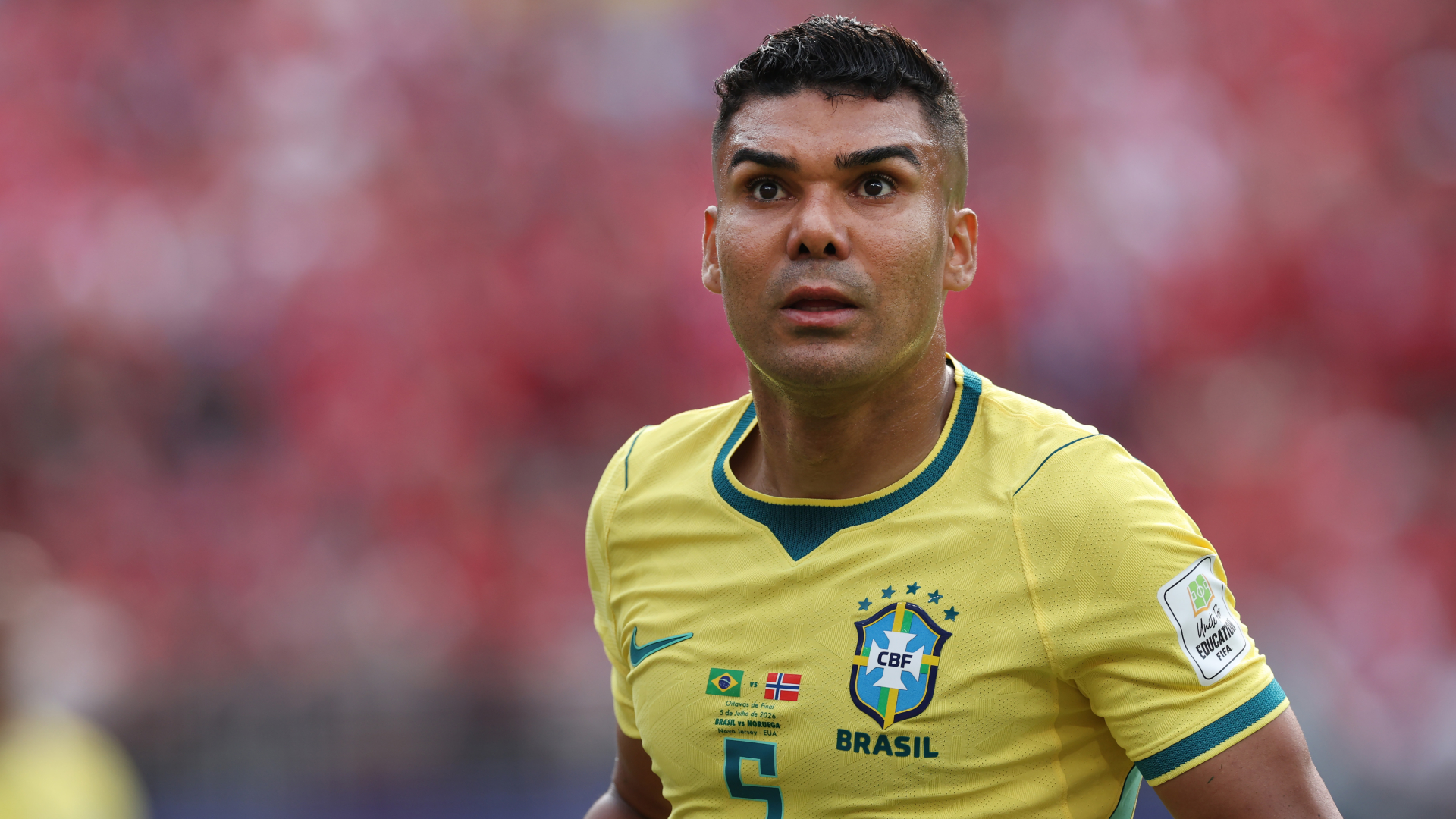
Brazil continues searching for the formula that will allow it to win a sixth star after several tournaments marked by eliminations against European national teams.
The Seleção could build its next project around Vinícius Júnior, Endrick and Estêvão, who would arrive at the 2030 World Cup at important stages of their careers.
However, its main challenge will be turning all that individual quality into a balanced and competitive team.
7. Argentina
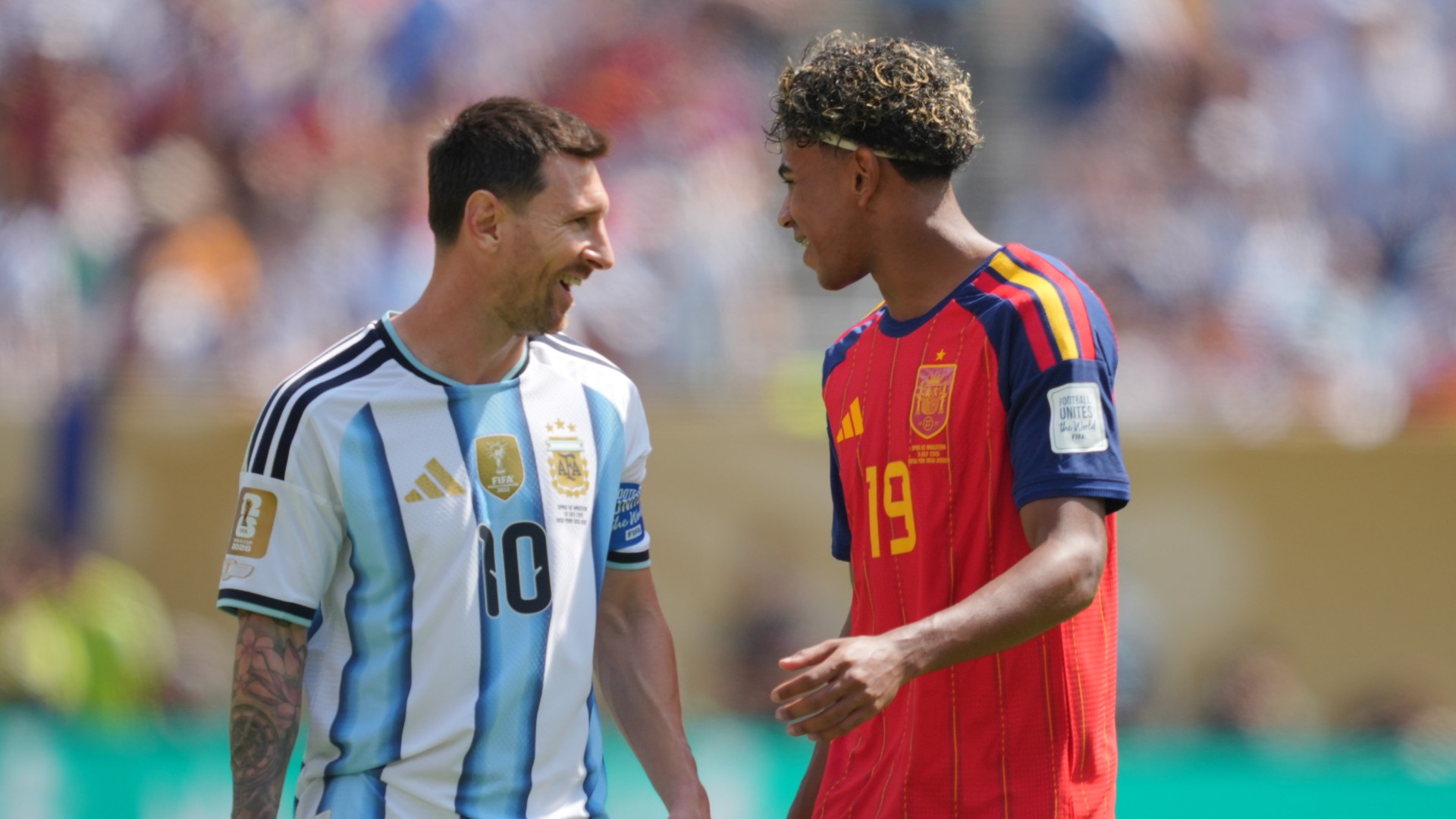
Argentina will have to begin a new era following the end of the cycle led by Lionel Messi.
La Albiceleste will still have experienced players such as Julián Álvarez, Enzo Fernández and Lisandro Martínez, who could become the leaders of the next project.

6. Germany
Germany will look to leave behind a disappointing period at the World Cup and regain its status as an international powerhouse.
The German national team has a core led by Jamal Musiala, Florian Wirtz, Nico Schlotterbeck and Nathaniel Brown, along with a young generation featuring several promising players.
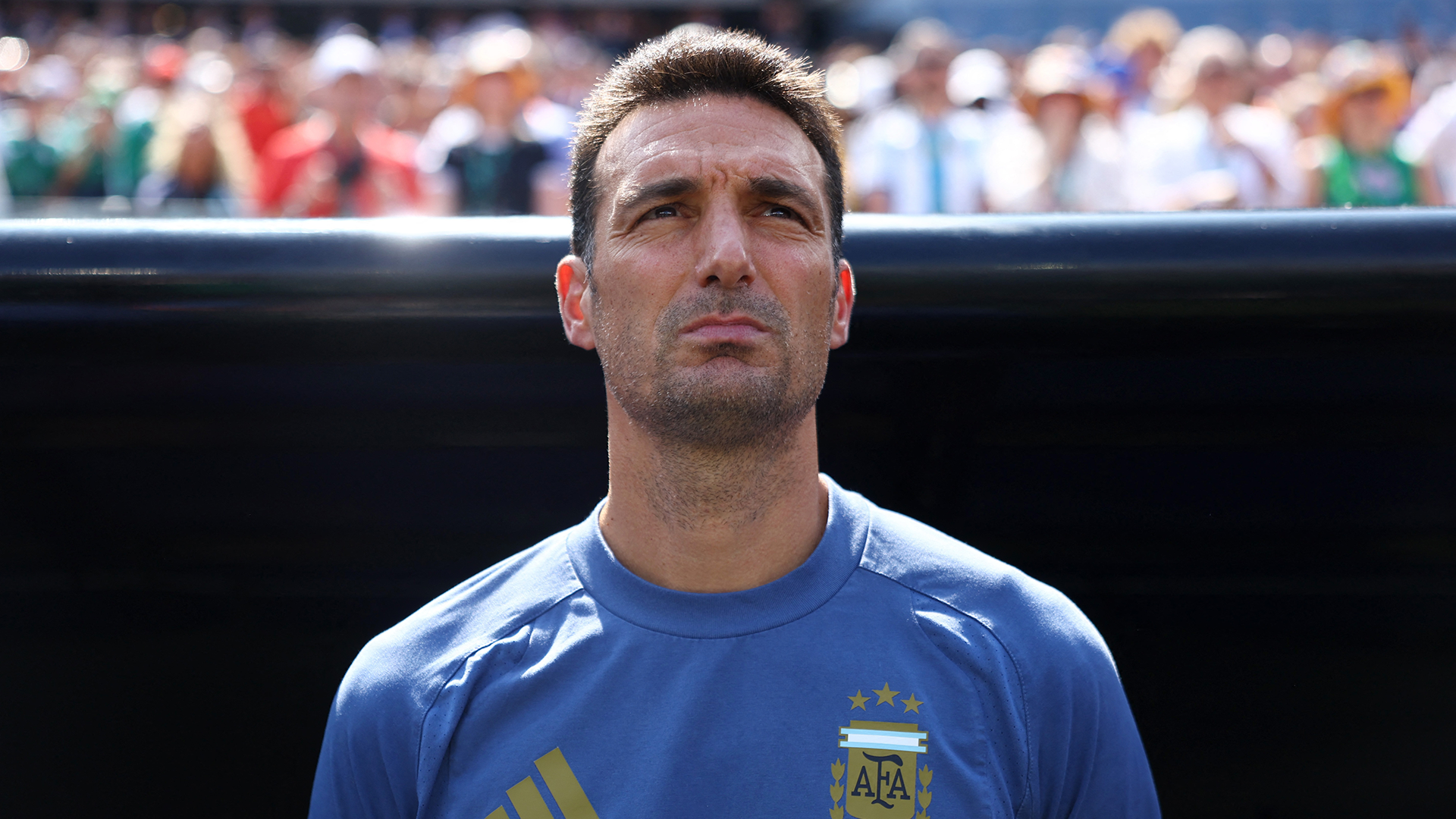
5. Portugal
Portugal will play part of the 2030 World Cup on home soil and will arrive with a generation capable of competing for the title.
Players such as Nuno Mendes, Vitinha and João Neves will still be at ideal ages to lead the team, while Geovany Quenda and Mateus Fernandes could establish themselves among the stars of European soccer.
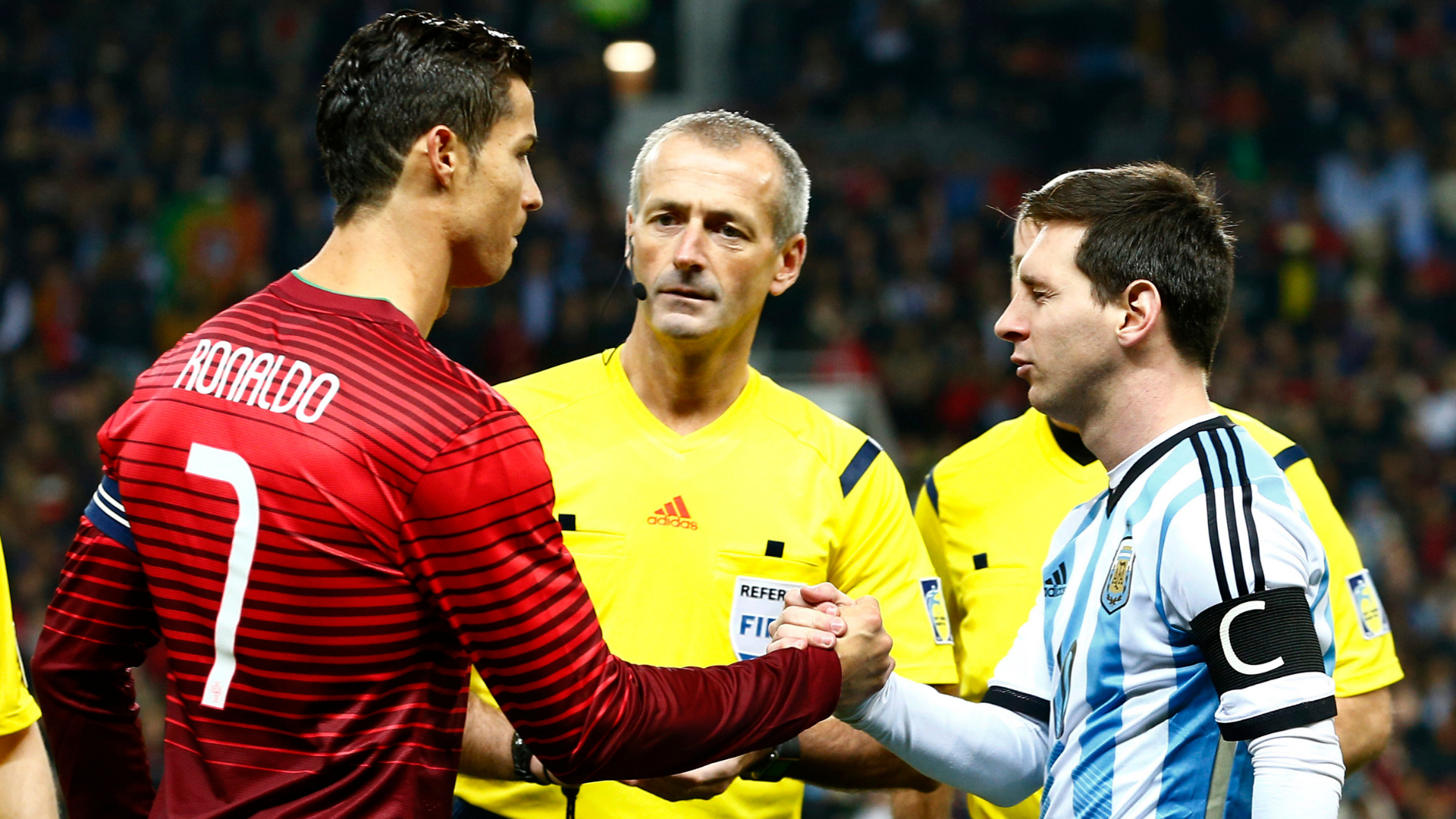
4. Morocco
Morocco confirmed in recent tournaments that its historic performance at Qatar 2022 was no coincidence.
The Atlas Lions have established themselves among the most competitive national teams in the world and will have the additional boost of playing as hosts in 2030.
Achraf Hakimi, Brahim Díaz, Ayyoub Bouaddi and Ismael Saibari could form the foundation of a team strengthened by several members of the generation that won the 2025 FIFA U-20 World Cup.

3. England
The generation led by Jude Bellingham, Bukayo Saka, Declan Rice, Elliot Anderson and Marc Guéhi should remain among the best in the world over the coming years.
The strength of England’s youth national teams and the constant emergence of talent in the Premier League also suggest that the Three Lions will once again compete to reach the final stages.

2. France
France has one of the deepest talent pools in international soccer. Kylian Mbappé will be 31 years old in 2030 and could still arrive at the tournament as one of the best players in the world.
He could be surrounded by Michael Olise, Désiré Doué, Bradley Barcola and William Saliba, as well as a new generation of players expected to emerge over the coming seasons.
Zinedine Zidane’s presence on the sidelines also creates excitement around a project that will seek to extend France’s dominance.

1. Spain
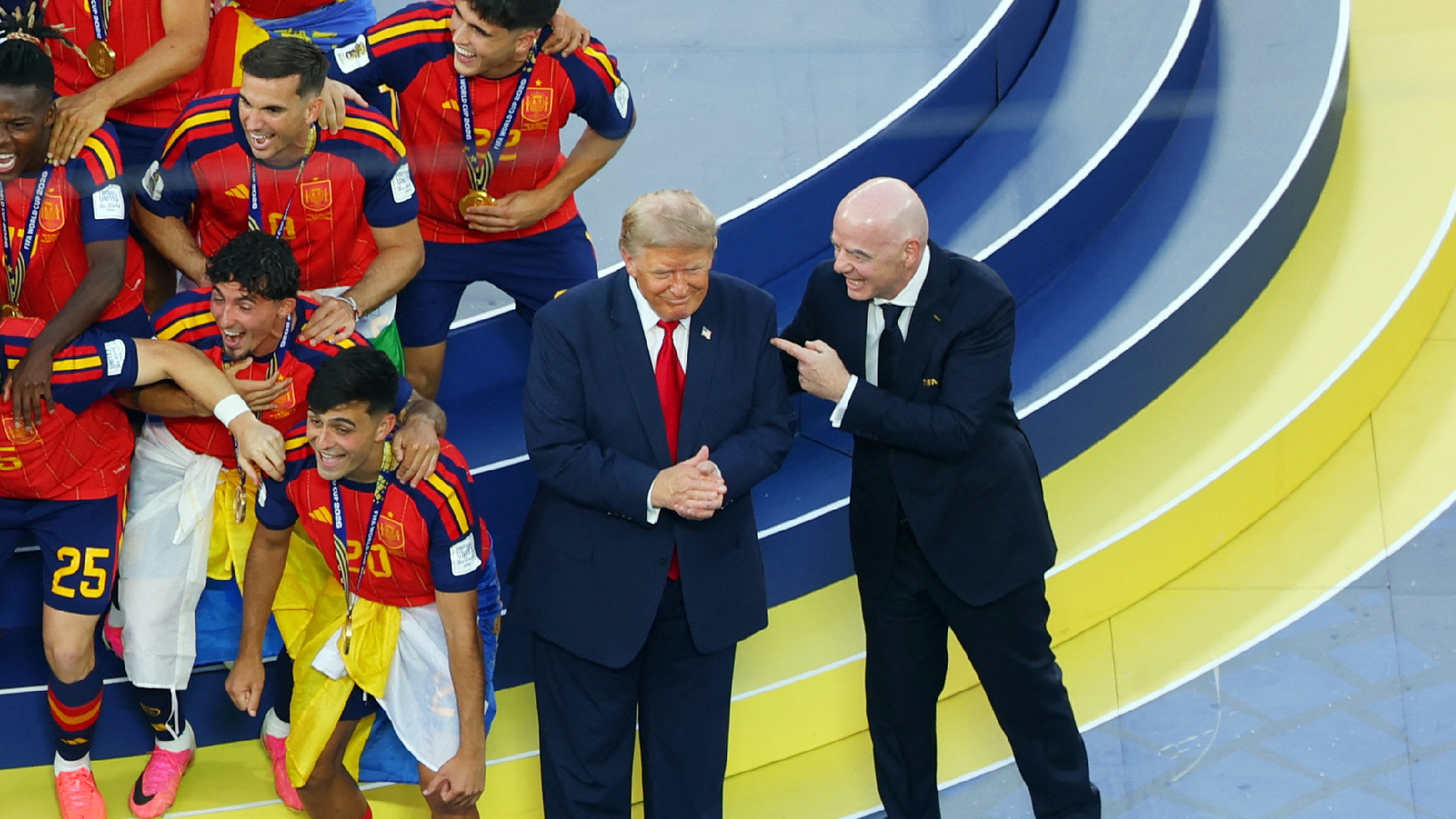
Spain begins the road to 2030 in a privileged position after winning the world title and becoming one of the most dominant national teams on the planet.
La Roja will have the opportunity to defend its crown as a host nation and will retain a large part of its current generation.
Lamine Yamal, Pedri, Nico Williams, Pau Cubarsí, Dani Olmo and Marc Cucurella could still play important roles within the team.
A ranking that can always change
Four years is a long time in soccer. Injuries, coaching changes, emerging talents and generational renewals could completely alter the landscape before the opening match.
National teams such as the Netherlands, Colombia, Japan and the United States could also move closer to the group of contenders if they maintain their progress.
For now, Spain, France and England occupy the top positions, but the centenary edition promises an open battle between the traditional powers and several national teams looking to write a new chapter in World Cup history.