
Spain Dominates World Football: The Numbers Explain Why
For many years, Spain was known for playing attractive football, but not for winning the biggest trophies.
Everything changed at the start of the new millennium.
What began with victory at UEFA Euro 2008 evolved into a football model that now dominates the global game at both the national team and club levels. Winning the 2026 FIFA World Cup confirmed that Spain's success is no coincidence, but the result of more than two decades of consistent development.
The numbers tell the story.
A Winning Model That Has Stood the Test of Time
Since 2001, Spanish clubs and national teams have produced one of the most successful eras any country has experienced in football history.
Across the four biggest competitions—the FIFA World Cup, the UEFA European Championship, the UEFA Champions League, and the UEFA Europa League—Spanish representatives have reached 23 international finals against foreign opposition and won all 23.
The statistic is extraordinary.
Every time a Spanish club or national team has reached one of those finals against a team from another country, it has lifted the trophy.
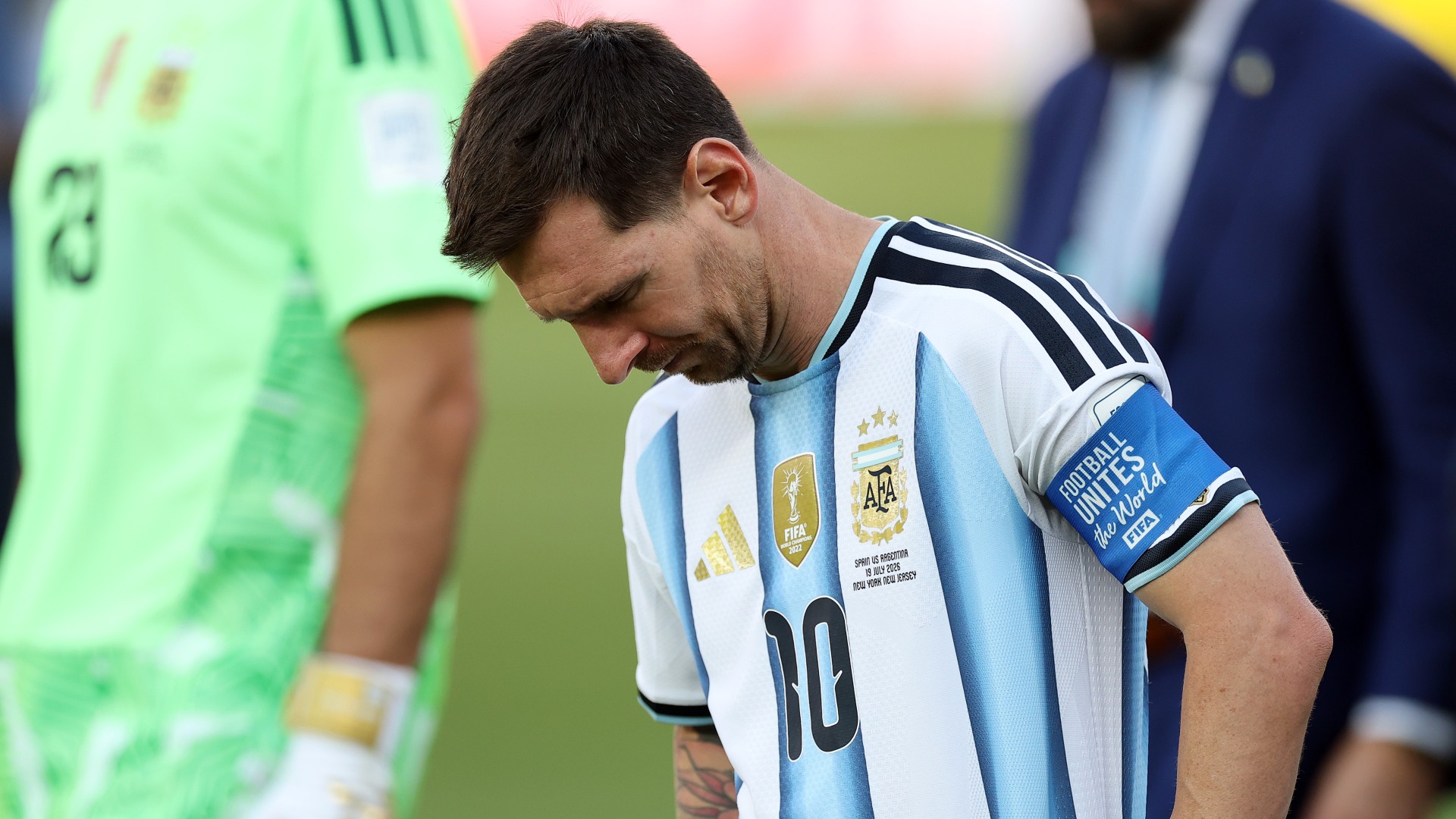
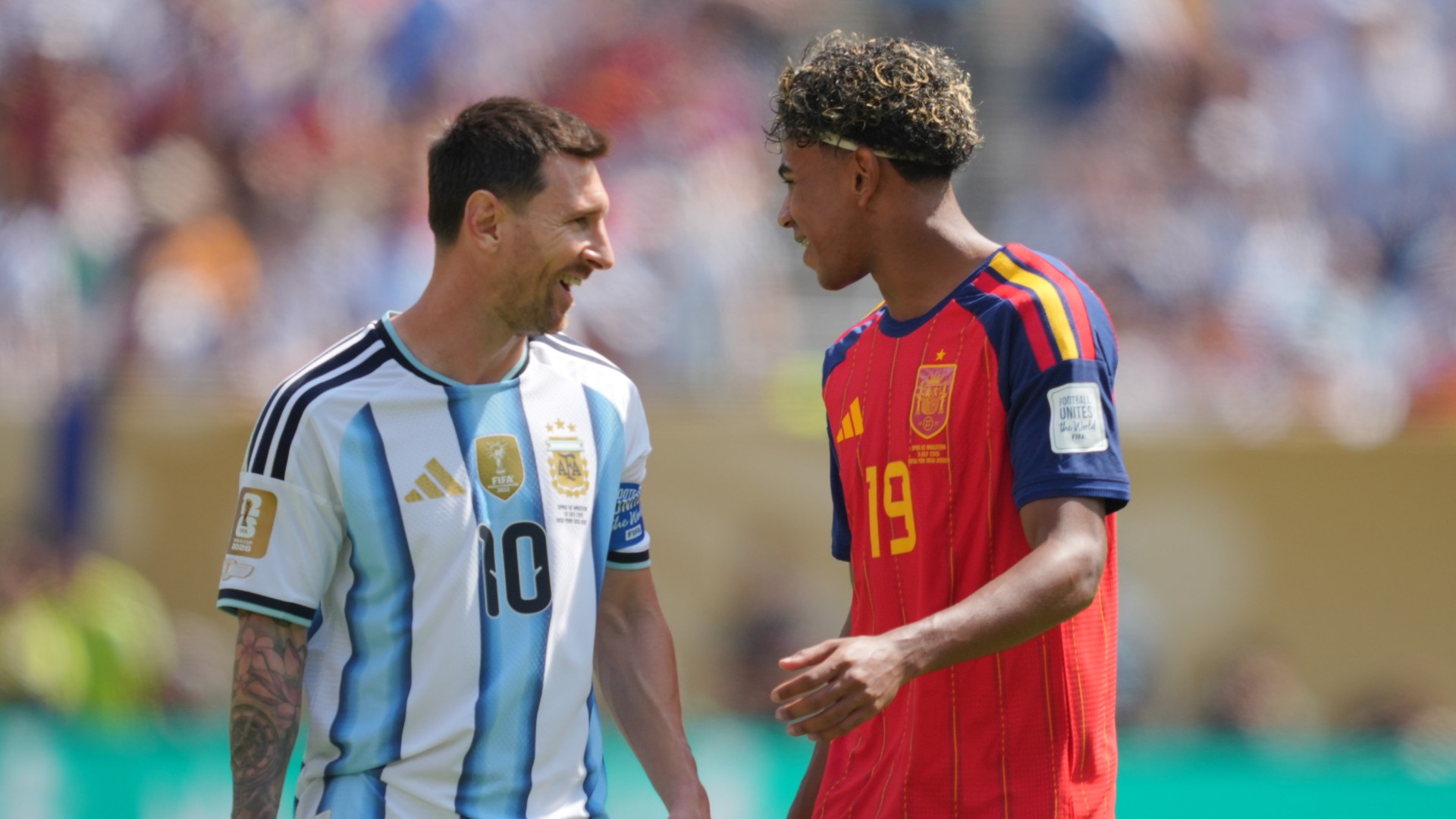
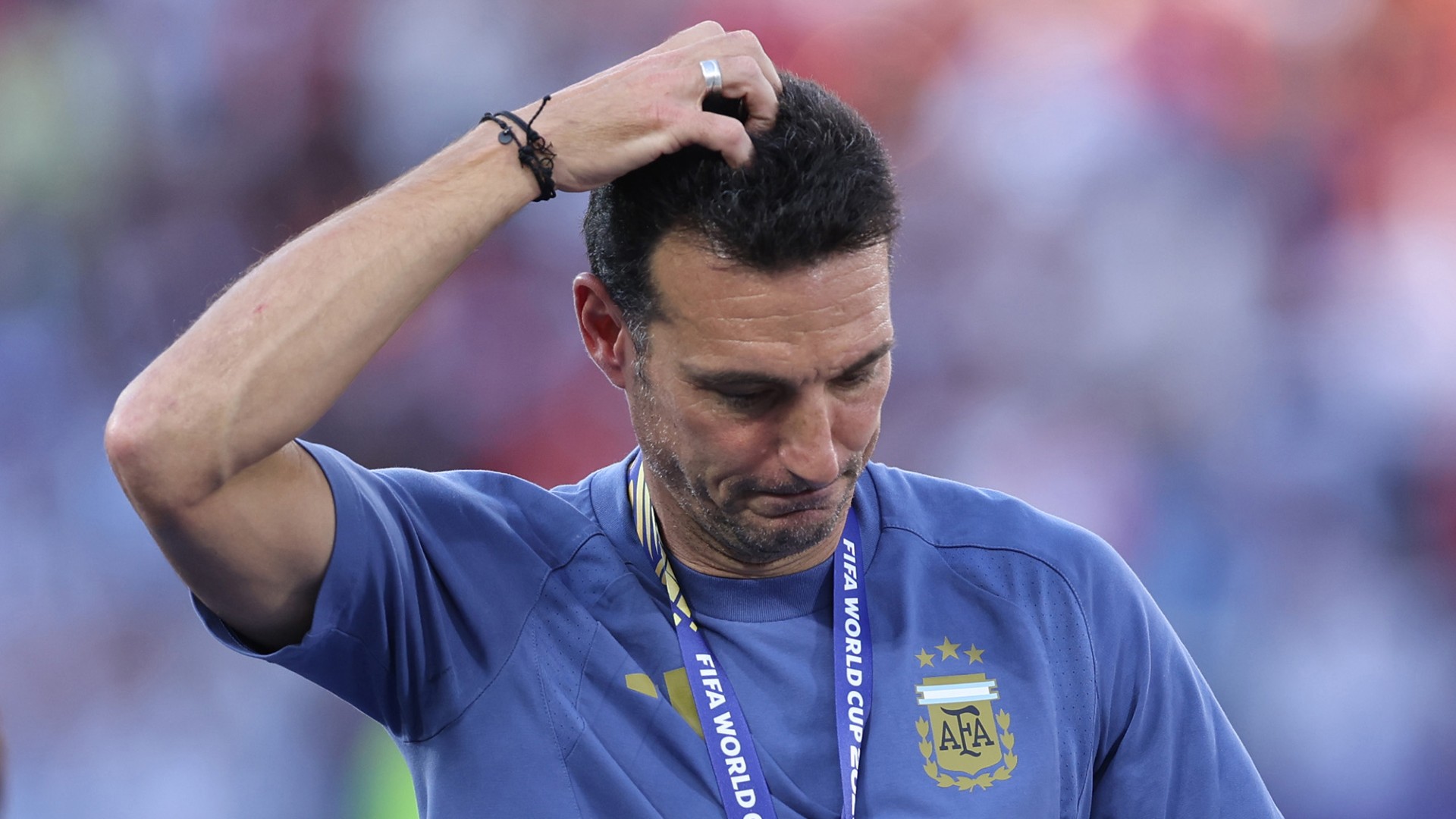
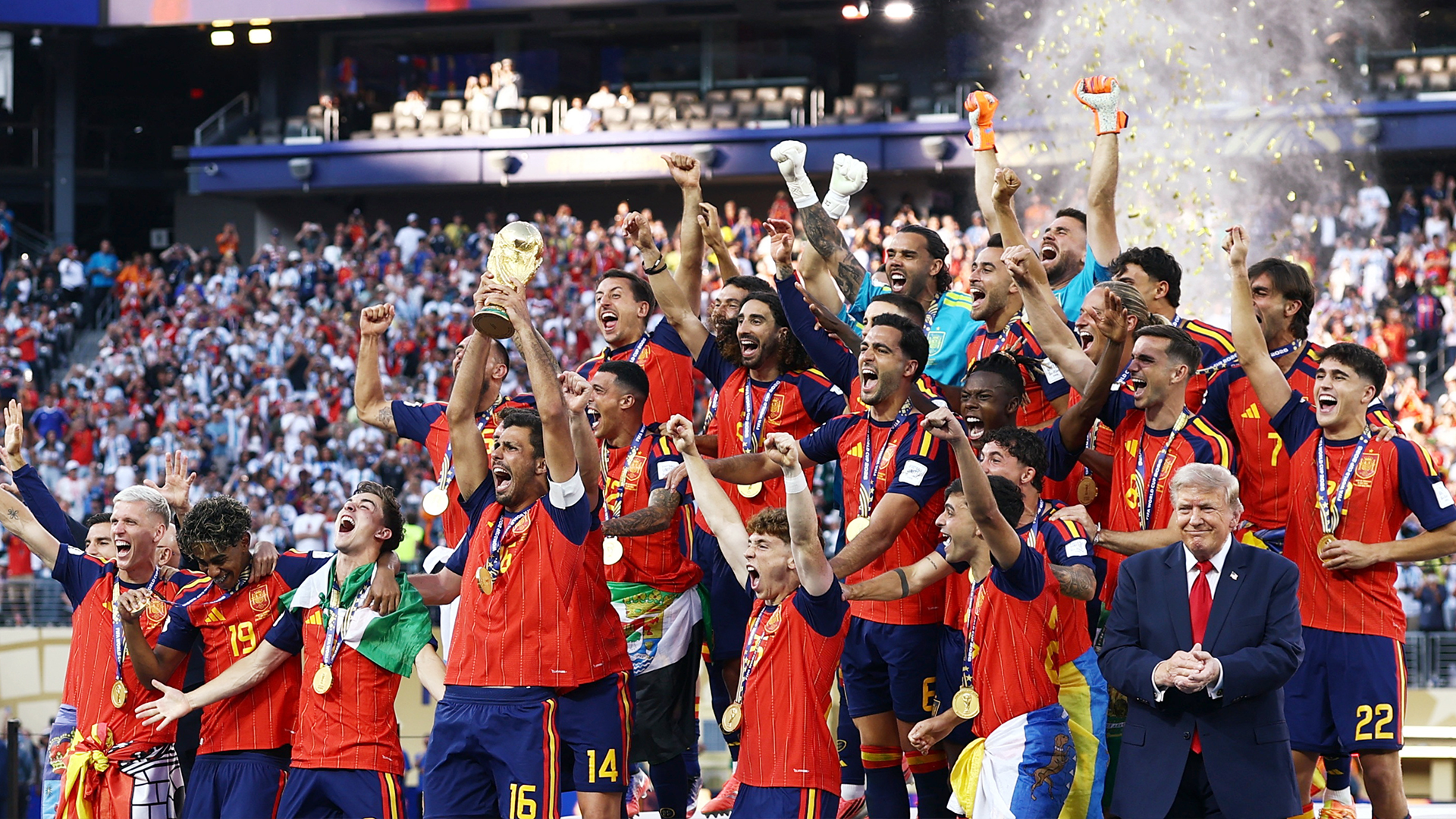
With its victory over Argentina in the 2026 FIFA World Cup final, Spain claimed its second world title, adding to the historic triumph at the 2010 FIFA World Cup in South Africa.
That success joins the UEFA European Championship titles of 2008, 2012, and 2024, along with the 2023 UEFA Nations League, cementing La Roja as one of the defining national teams of modern football.
More Than Just a Golden Generation
For years, many believed Spain's dominance was simply the result of a once-in-a-lifetime generation led by Xavi Hernández, Andrés Iniesta, Iker Casillas, Carles Puyol, David Villa, and Sergio Ramos.
Time has proven otherwise.
The real success lies in the system.
The arrival of Luis de la Fuente demonstrated that Spanish football continues to produce elite-level talent.
Today, players such as Rodri, Pau Cubarsí, Lamine Yamal, Fabián Ruiz, Pedri, Marc Cucurella, and Mikel Oyarzabal represent a new generation that has preserved Spain's football identity while adding greater intensity, verticality, and tactical flexibility.
Success Begins at the Youth Level
Much of Spain's success is built long before players reach the senior national team.
The youth teams of the Royal Spanish Football Federation (RFEF) have consistently won European and world titles, while clubs such as FC Barcelona, Real Madrid, Athletic Club, Real Sociedad, and Valencia CF continue developing players with a clearly defined football philosophy.
That continuity allowed Luis de la Fuente to know many of his players long before taking charge of the senior team.
Several had already won trophies under him in the youth ranks.
That long-term development has become one of Spain's greatest strengths.
Spanish Clubs Continue to Set the Standard
Spain's dominance extends well beyond the national team.
Since the 2000-01 season, 26 UEFA Champions League finals have been played, with Spanish clubs winning 11 of them.
Real Madrid claimed eight of those titles, although two came in all-Spanish finals against Atlético de Madrid, while FC Barcelona added another three.
Spain's influence goes even further.
Spanish clubs or Spanish managers have been represented in 18 of the last 26 Champions League finals.
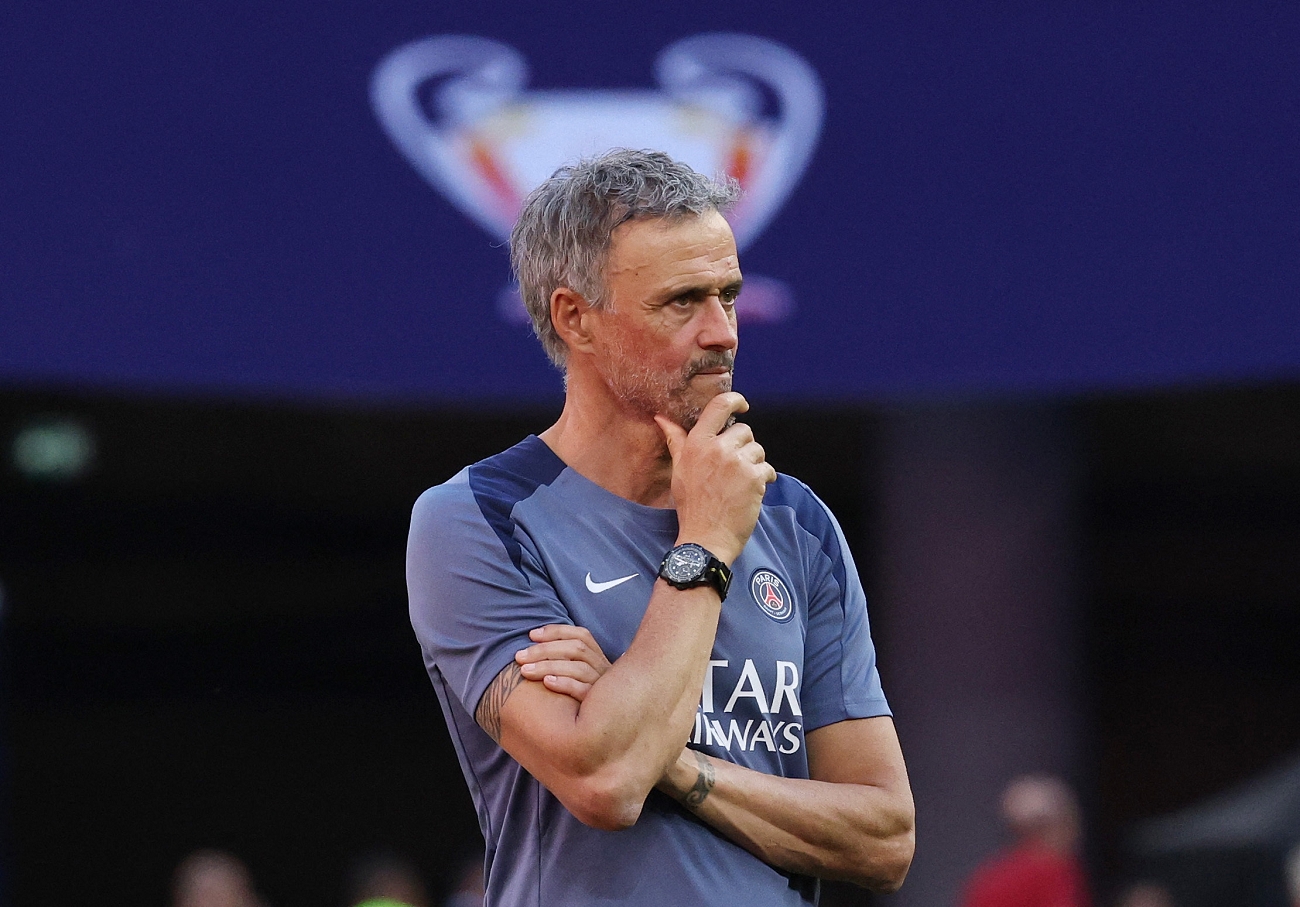
Valencia CF reached the 2001 final against Bayern Munich. Pep Guardiola won one Champions League title and lost another with Manchester City, while Rafael Benítez also experienced both victory and defeat with Liverpool. More recently, Luis Enrique guided Paris Saint-Germain to back-to-back European titles.
Overall, Spanish football has been represented in 18 of the last 26 Champions League finals, highlighting its impact both on the pitch and on the sidelines.

The Europa League Also Speaks Spanish
The pattern continues in the UEFA Europa League.
Spanish clubs have won 12 of the last 26 finals.
Sevilla FC built an almost unmatched dynasty with seven titles, including one won against Espanyol.
Atlético de Madrid lifted the trophy three times, including one all-Spanish final against Athletic Club, while Valencia CF and Villarreal CF each added one title.
Spanish managers also enjoyed success abroad.
Deportivo Alavés reached the 2001 final against Liverpool. Rafael Benítez won the competition with Chelsea, Xabi Alonso finished runner-up with Bayer Leverkusen in 2024, and Unai Emery lifted the trophy with Aston Villa in 2026.
In total, Spanish clubs or coaches have appeared in 17 of the last 26 Europa League finals.
The Numbers Tell the Story
When combining Europe's two biggest club competitions, Spain's dominance becomes even more impressive.
Of the last 52 UEFA Champions League and UEFA Europa League finals, Spanish football has won 23, representing approximately 44 percent of all titles available.
Even more remarkably, Spanish clubs or Spanish managers have been represented in 35 of those 52 finals, roughly 67 percent.
In other words, two out of every three major European club finals have featured a Spanish club or a Spanish coach.
Those figures explain why Spain's success goes far beyond a single generation of players.
It is a football culture that continues to shape the sport across Europe.
Spanish Coaches Continue to Influence the Game
Spain's football philosophy also thrives on the sidelines.
Managers such as Pep Guardiola, Luis Enrique, Unai Emery, Xabi Alonso, and Rafael Benítez have exported Spanish coaching principles throughout Europe while winning major trophies.
Although each has his own style, they all share a foundation built on tactical intelligence, ball control, positional play, and the ability to influence matches through coaching.
That is why Spain's impact extends well beyond LaLiga.
Its football philosophy travels with its coaches.
Women's Football Leads the Way as Well
Spain's dominance is not limited to the men's game.
In recent years, Spanish women's football has followed exactly the same path.
The Spain Women's National Team is the reigning world champion, while FC Barcelona Femení has established itself as Europe's dominant club by winning multiple UEFA Women's Champions League titles.
Individually, Alexia Putellas won the Ballon d'Or in 2021 and 2022, while Aitana Bonmatí captured the next three editions, further demonstrating the extraordinary talent produced by Spanish football.
With the men's triumph in 2026, Spain became the first nation in history to simultaneously hold the men's and women's FIFA World Cup titles.
It is not simply a great men's generation.
It is a football structure that continues to succeed at every level.
A Blueprint for the Future
While other football powers navigate rebuilding phases and generational transitions, Spain appears to have found a sustainable formula.
Its success does not depend on one superstar.
It depends on a system.
A system that develops players, produces elite coaches, invests in youth development, and maintains a clear football identity from the academy level all the way to the senior national team.
The second FIFA World Cup title in 2026 does not mark the end of an era.
Instead, it appears to be another chapter in a football model that continues to set the standard for the rest of the world.