- Home >
- Soccer >
- FIFA World Cup >
- Luis de la Fuente Defines Spain’s Preliminary World Cup Squad: Injuries, Doubts, and an Almost Untouchable Core
Luis de la Fuente Defines Spain’s Preliminary World Cup Squad: Injuries, Doubts, and an Almost Untouchable Core
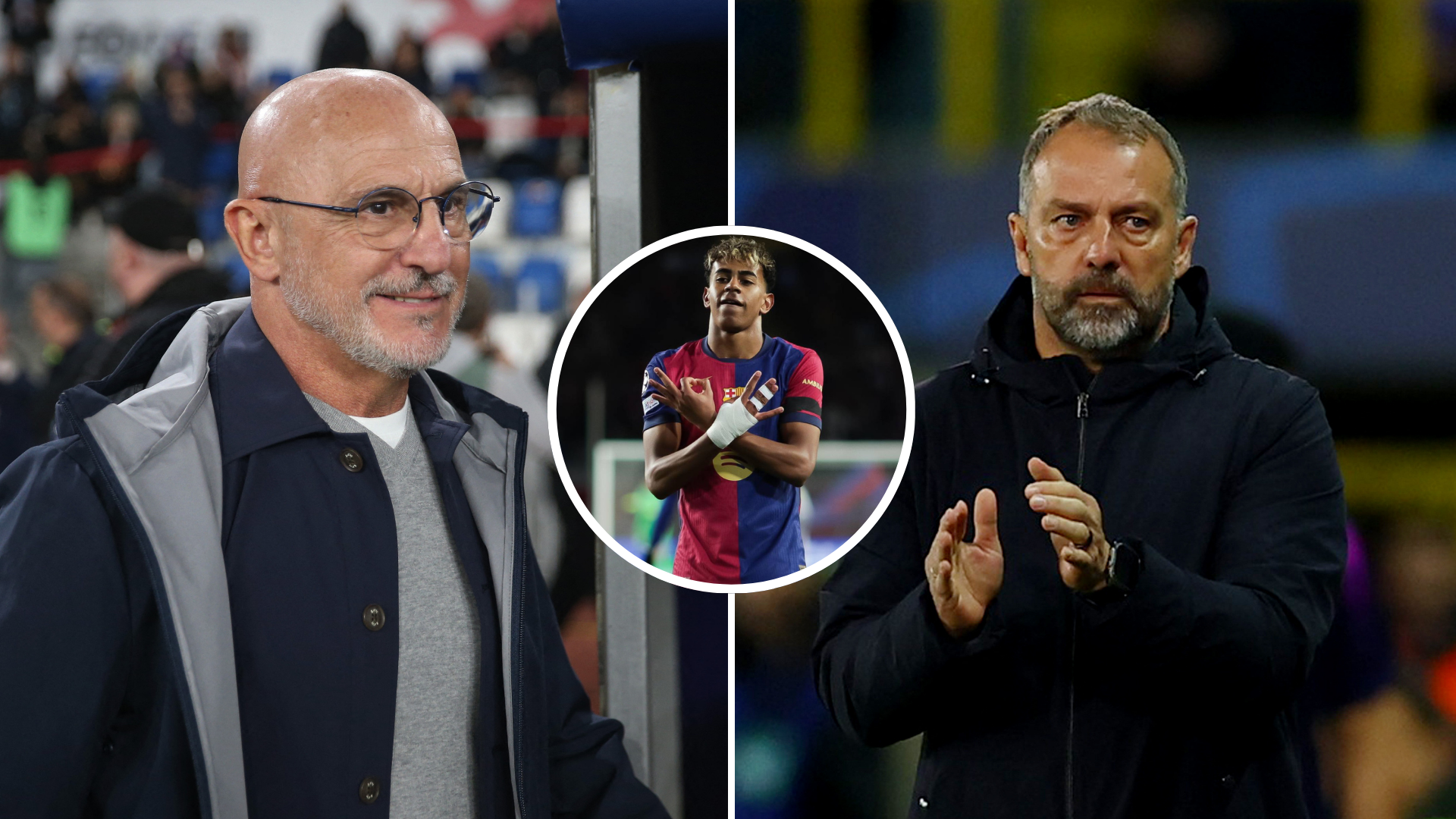
Luis de la Fuente has already submitted Spain’s 55-man preliminary squad for the 2026 World Cup. Injuries, fitness concerns, and several surprises will shape the battle for the final 26 spots.
Luis de la Fuente enters the most critical stage before the World Cup
The countdown to the 2026 World Cup is officially underway, and in Spain there is a clear feeling. Luis de la Fuente submitted the preliminary list of up to 55 players required by FIFA on May 11, a list that will not officially be made public but will define Spain’s fate throughout the tournament.
The Spanish manager plans to use the maximum number of spots allowed by FIFA to protect the squad against any unexpected injuries. And he has every reason to do so. Spain heads into the World Cup with several key players dealing with physical issues and others arriving exhausted after a demanding club season.
The situation forces the coaching staff to handle every detail with extreme caution. FIFA will maintain the rule introduced during the pandemic: national teams can bring 26 players, but any injury replacement must come directly from that original preliminary list. That makes this document far more than just an administrative step.
Injuries create major concerns for Spain
The biggest concern around the Spanish camp has a clear focus: the physical condition of its stars. Several key players are either recovering from injuries or carrying fitness issues into the tournament.
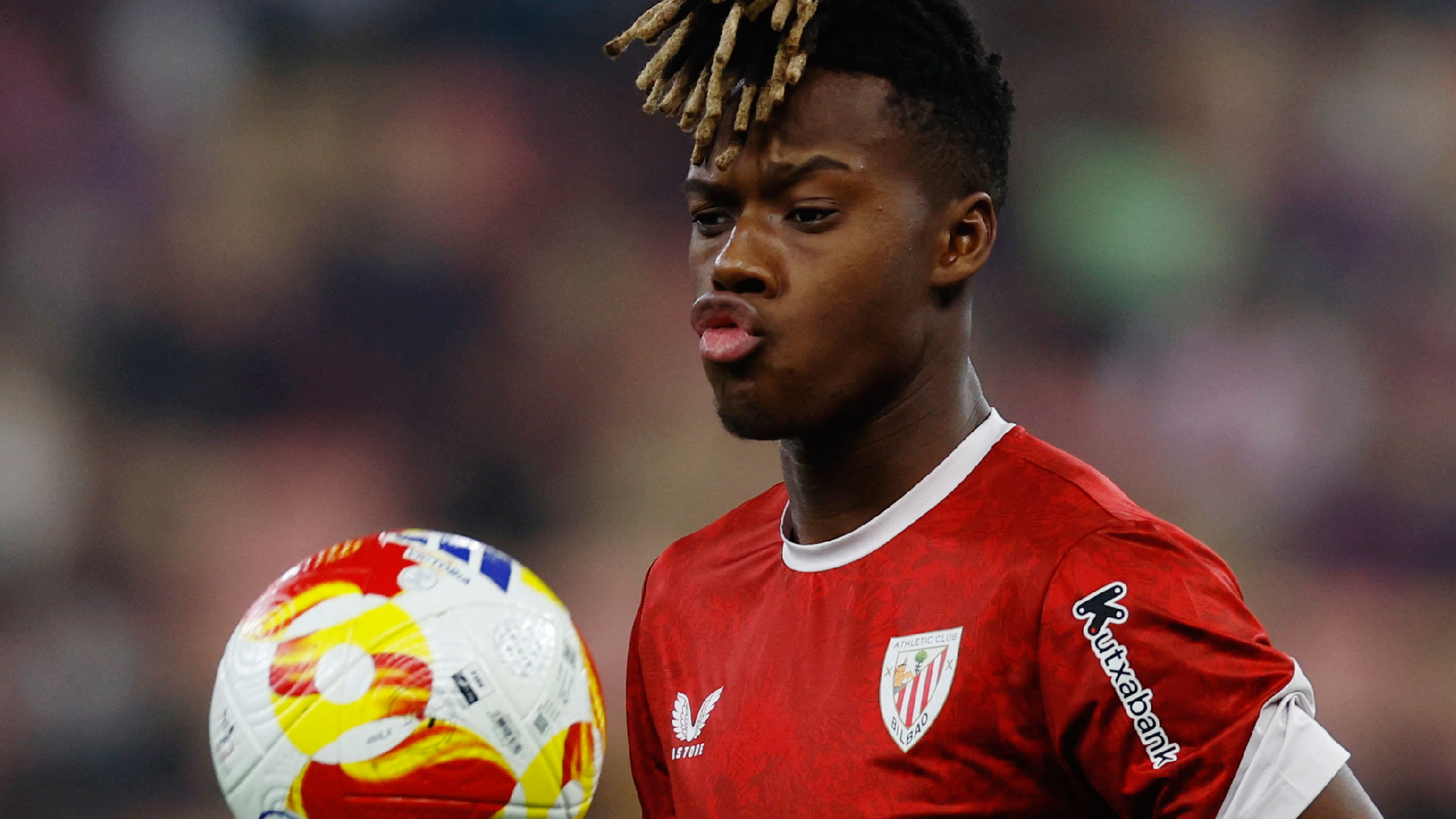
One of the most worrying cases is Rodri, who missed Manchester City’s latest matches and continues to raise doubts regarding his physical condition. On top of that, players like Lamine Yamal, Mikel Merino, and Nico Williams are also being closely monitored despite being considered essential to Spain’s attacking system.
In Nico Williams’ case, the news appears positive and the injury is reportedly not serious, but concerns remain due to the intense schedule ahead. According to reports, the coaching staff plans to gradually reintegrate players dealing with physical discomfort in order to avoid setbacks before the World Cup opener.
The situation surrounding Gavi has also attracted attention. After overcoming a serious knee injury that sidelined him for months, the Barcelona midfielder has regained continuity and publicly stated that he feels fully ready to compete again.
Spain’s core appears defined, but important debates remain open
Although the final squad has not yet been announced, the backbone of the team already seems fairly clear. In goal, Unai Simón and David Raya are considered untouchable, while the debate focuses on the third goalkeeper spot.
The rise of Joan García has created serious competition for Álex Remiro, who had been a regular in previous call-ups. That battle could become one of Luis de la Fuente’s most discussed decisions before the final list is revealed.
Defensively, the biggest absence is undoubtedly Dani Carvajal. Injuries and a lack of continuity ultimately pushed him away from what could have been his final World Cup. Meanwhile, names such as Pedro Porro, Marcos Llorente, Marc Cucurella, and Alejandro Grimaldo appear to have secured their places.
At center-back, Spain blends youth and experience. Pau Cubarsí is already viewed as a guaranteed starter, while Aymeric Laporte and Dean Huijsen currently hold the advantage. Other alternatives include Robin Le Normand, Mosquera, Eric García, and Marc Pubill.
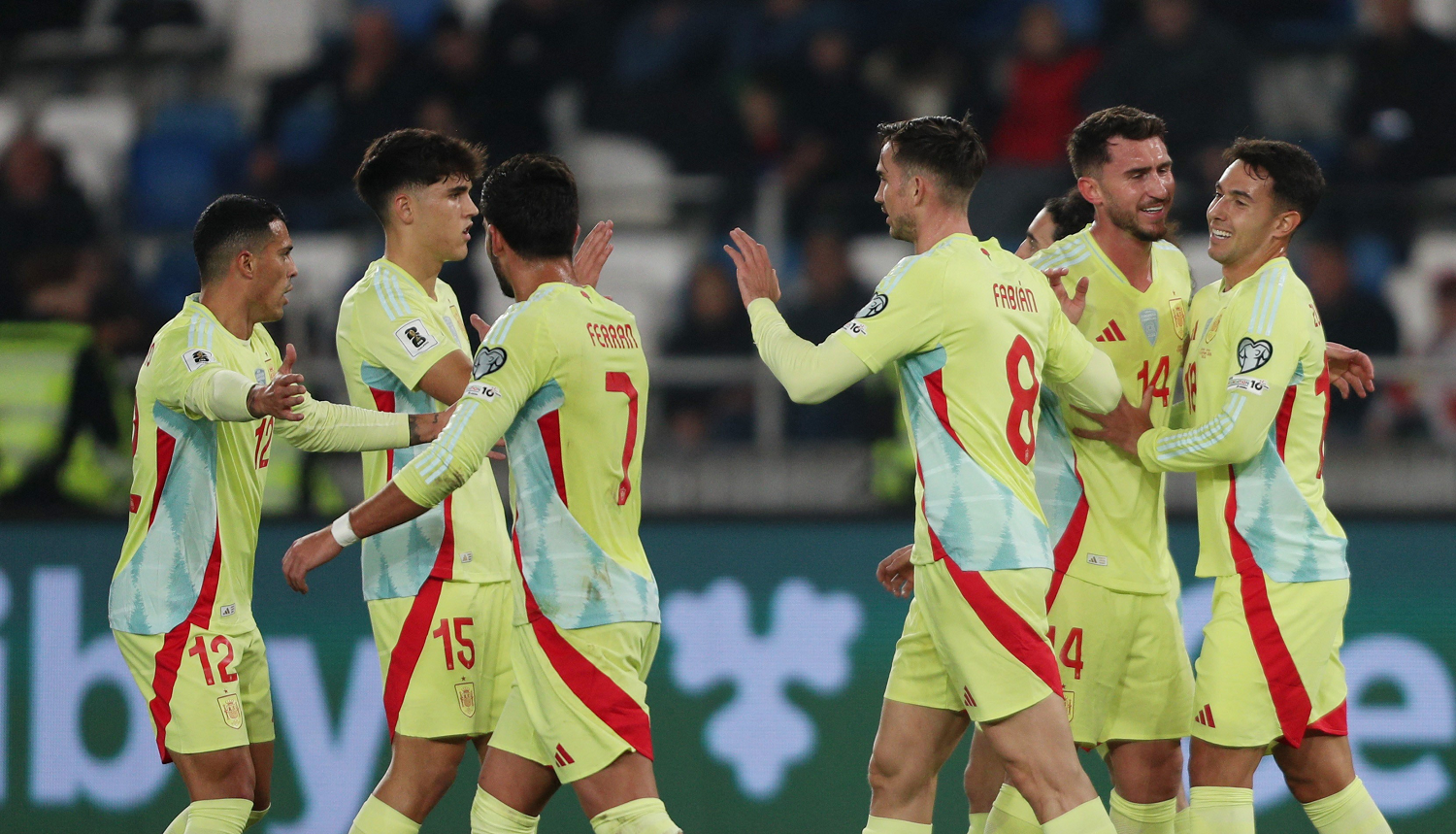
The midfield may be Spain’s strongest area in terms of pure talent. Pedri, Fabián Ruiz, Dani Olmo, Martín Zubimendi, Rodri, and Fermín lead a generation filled with technique, intensity, and versatility.

Lamine Yamal leads Spain’s growing World Cup dream
If there is one player who symbolizes Spain’s excitement heading into the World Cup, it is Lamine Yamal. Despite carrying physical wear after an extremely demanding season, there is complete confidence within the national team that he can become one of the tournament’s biggest stars.
Spain knows a huge part of its hopes depends on the talent of its young generation. Lamine’s creativity, Nico Williams’ explosiveness, and the experience of players like Mikel Oyarzabal and Ferran Torres form an attack capable of challenging any national team in the world.
But beyond the individual names, there is a growing feeling that Luis de la Fuente has finally achieved something Spain had been searching for over the last few years: a clear competitive identity. The blend of experienced leaders and elite young talent has transformed La Roja into a far more unpredictable and dangerous side.
On May 25, De la Fuente will announce an extended squad to begin preparations, while the final 26-man roster must be submitted to FIFA by June 1. That is when speculation will end and Spain’s real World Cup journey will officially begin.