
Few coaching appointments could generate more expectation in German football than Jürgen Klopp taking charge of Germany.
Jürgen Klopp’s Biggest Challenges With Germany
After another disappointing World Cup, Jürgen Klopp takes charge of Germany with a mission that goes beyond results: restore a clear football identity, reconnect the national team with its supporters and turn a four-time world champion into a genuine title contender again.
The former Borussia Dortmund and Liverpool manager officially succeeded Julian Nagelsmann in August, signing a four-year contract that will take him through EURO 2028 and the 2030 World Cup.
He arrives at a difficult moment.
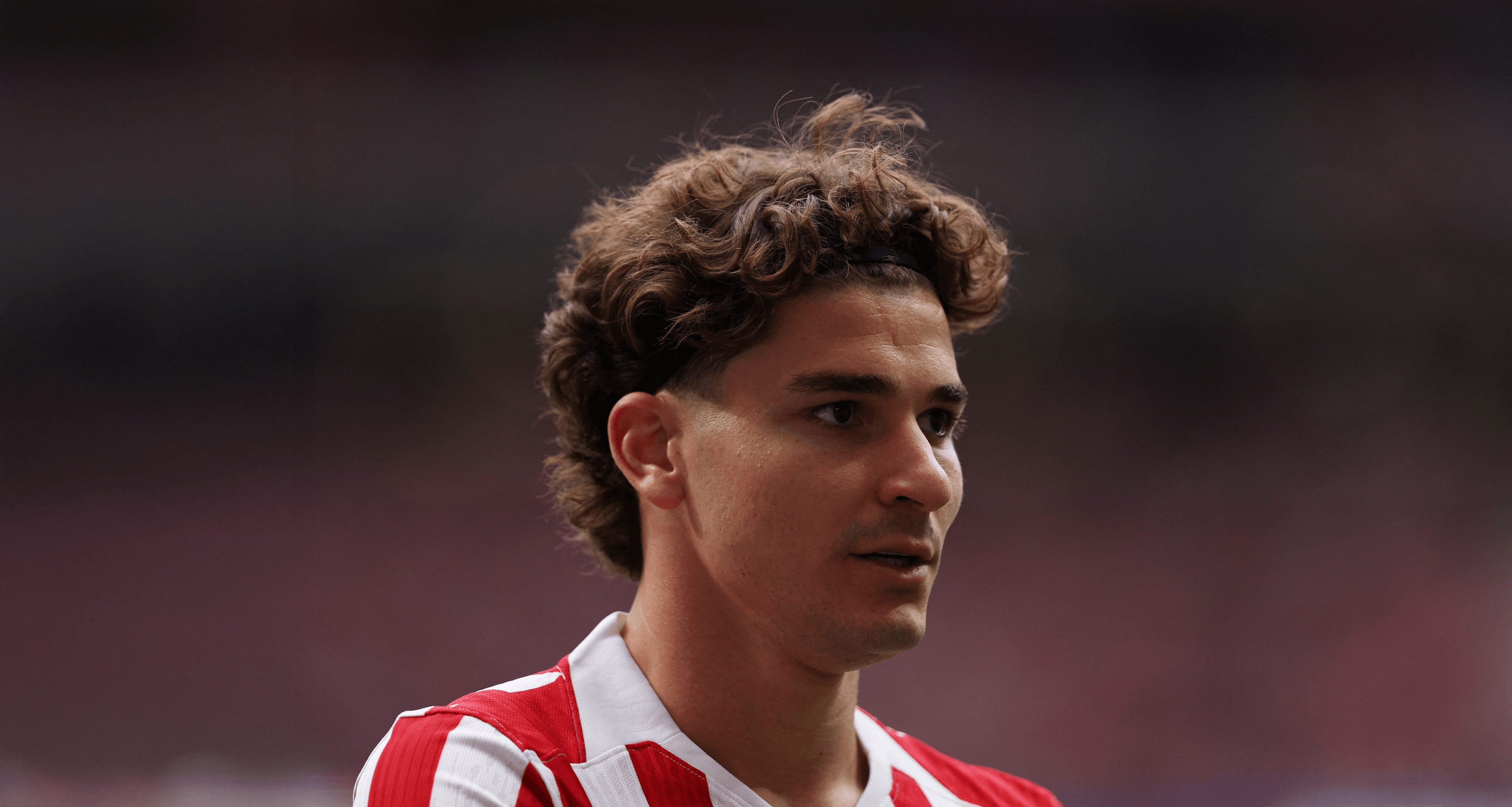
Germany were eliminated by Paraguay in the Round of 32 at the 2026 World Cup, continuing a remarkable sequence of disappointing performances on football's biggest stage. After winning the tournament in 2014, Germany failed to survive the group stage in both 2018 and 2022 before suffering another early exit in 2026.
Klopp's first challenge is therefore clear: make Germany a tournament team again.
Creating a Recognizable Germany
Klopp has already suggested that significant changes are necessary.
At his presentation, he spoke about establishing a clear playing idea based on organization, intensity and counter-pressing — principles closely associated with his successful teams at Dortmund and Liverpool.
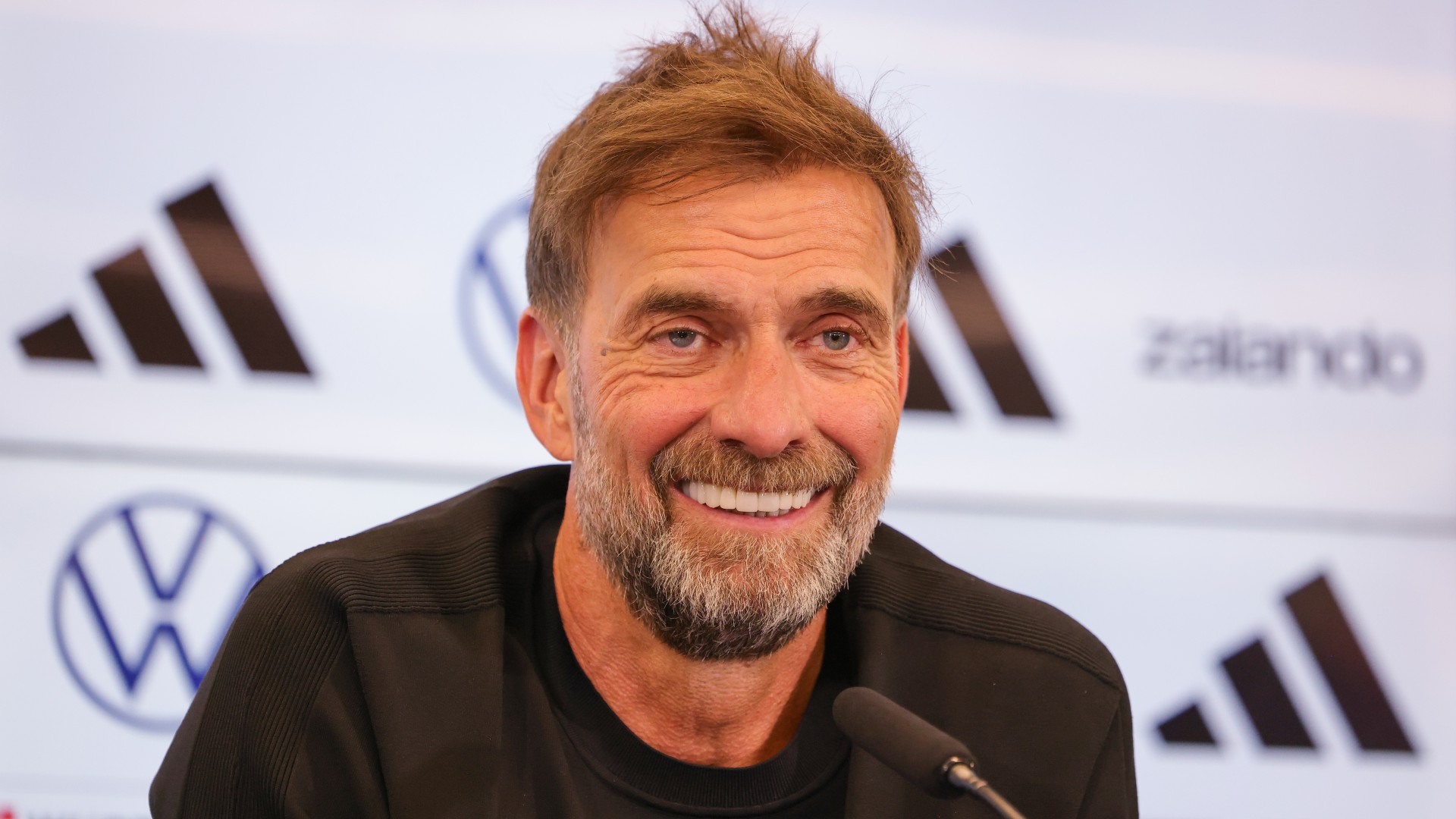
Germany have talented players, but Klopp himself acknowledged that the squad cannot simply be compared with countries such as France on individual quality.
That makes collective identity even more important.
The new coach must find the right structure around established figures such as Joshua Kimmich, while maximizing a generation featuring players like Jamal Musiala and Florian Wirtz.
There are also positions where questions remain. FIFA highlighted the need for greater creativity, stability and attacking threat, while the goalkeeper position, right-back and centre-forward remain areas requiring decisions.
Reconnecting Germany With Its National Team
Klopp's challenge is not exclusively tactical.
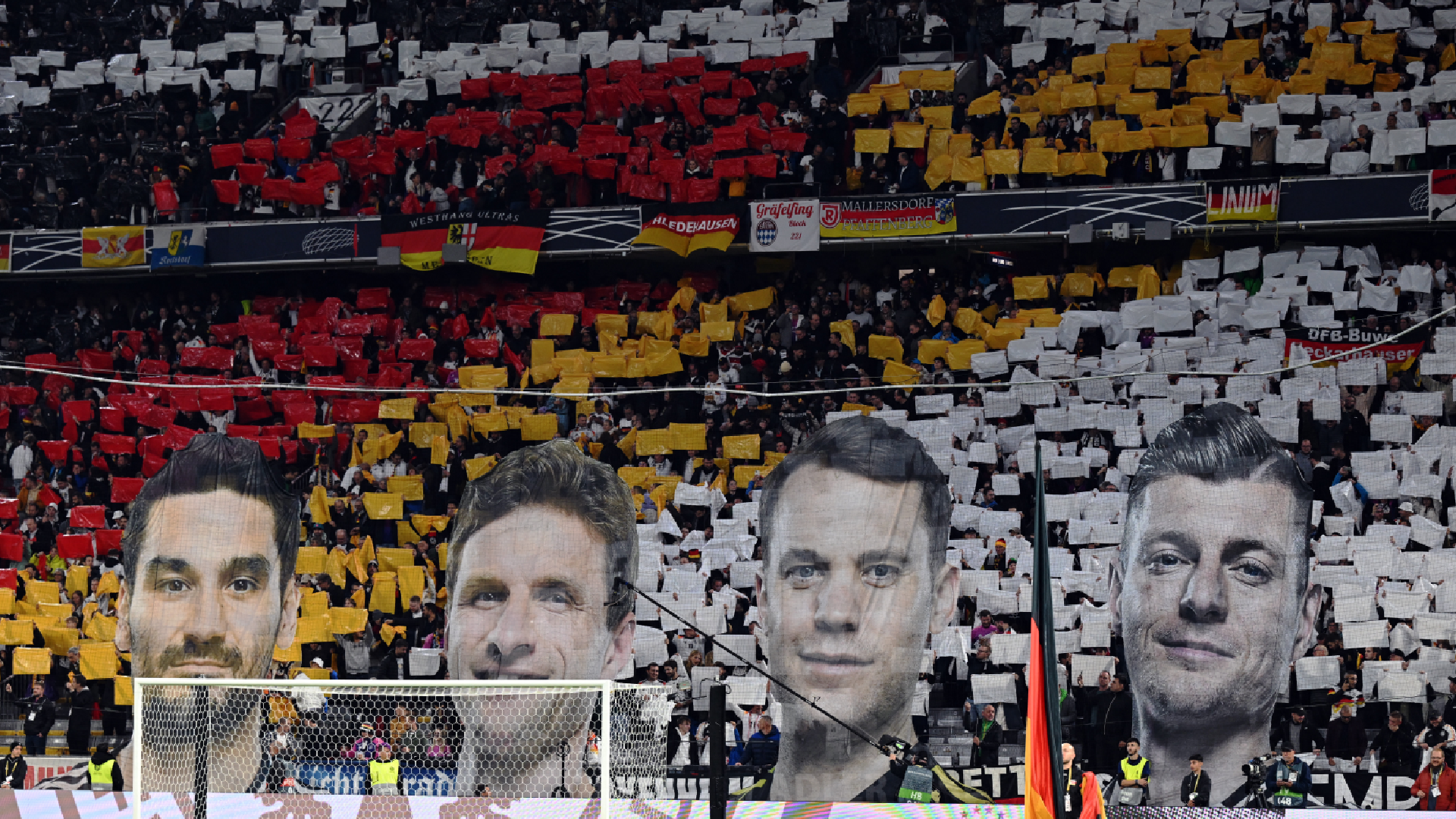
During his presentation, he said few institutions can unite Germans in the same way as their national team. That idea could become central to his project.
Germany's repeated World Cup disappointments have changed expectations around a team historically associated with competing until the final stages of major tournaments.
Klopp possesses something particularly valuable in that context: an ability to create emotional connections between teams and supporters.
His task will be to make watching Germany exciting again while simultaneously restoring the belief that the team can compete with the world's best.
The First Test: Nations League
There will be no long preparation period.
Klopp's debut comes against Netherlands in Amsterdam on September 24 in the UEFA Nations League. Germany will then face Greece on September 27, Serbia on October 1 and Greece again on October 4.
Those four competitive matches provide an immediate opportunity to introduce his football.
But the real targets are further ahead.
EURO 2028 will be Klopp's first major tournament, followed by the 2030 World Cup. His four-year contract makes clear that Germany are thinking beyond an immediate reaction to another disappointing summer.
Klopp does not need to recreate the Germany of 2014. Football and the squad have changed too much for that.
His challenge is to create the next version: intense, recognizable and capable of making opponents fear Germany again.
For a country with four World Cups, simply returning to knockout football is not enough.
Klopp has been hired to make Germany believe it can win again.