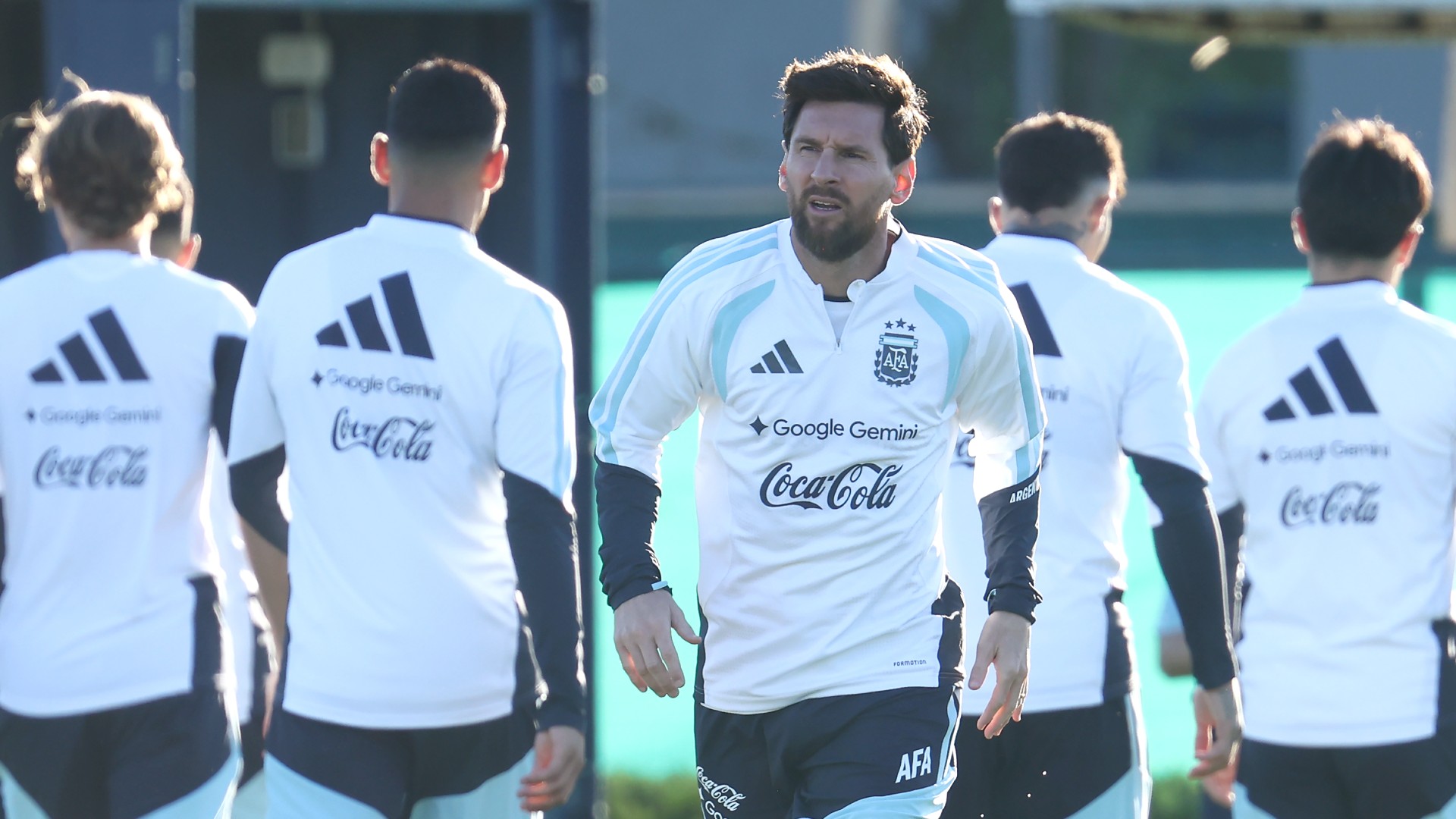

When Lionel Messi made his senior Argentina debut in 2005, the Albiceleste were in a very different position. They had not won a senior international trophy since the 1993 Copa América and had spent years trying to regain their place at the very top of international football.
Argentina Before and After the Lionel Messi Era
Lionel Messi joined an Argentina team that had spent years chasing another major trophy and leaves behind a champion side with a transformed training structure, improved facilities and a new generation already beginning to emerge.
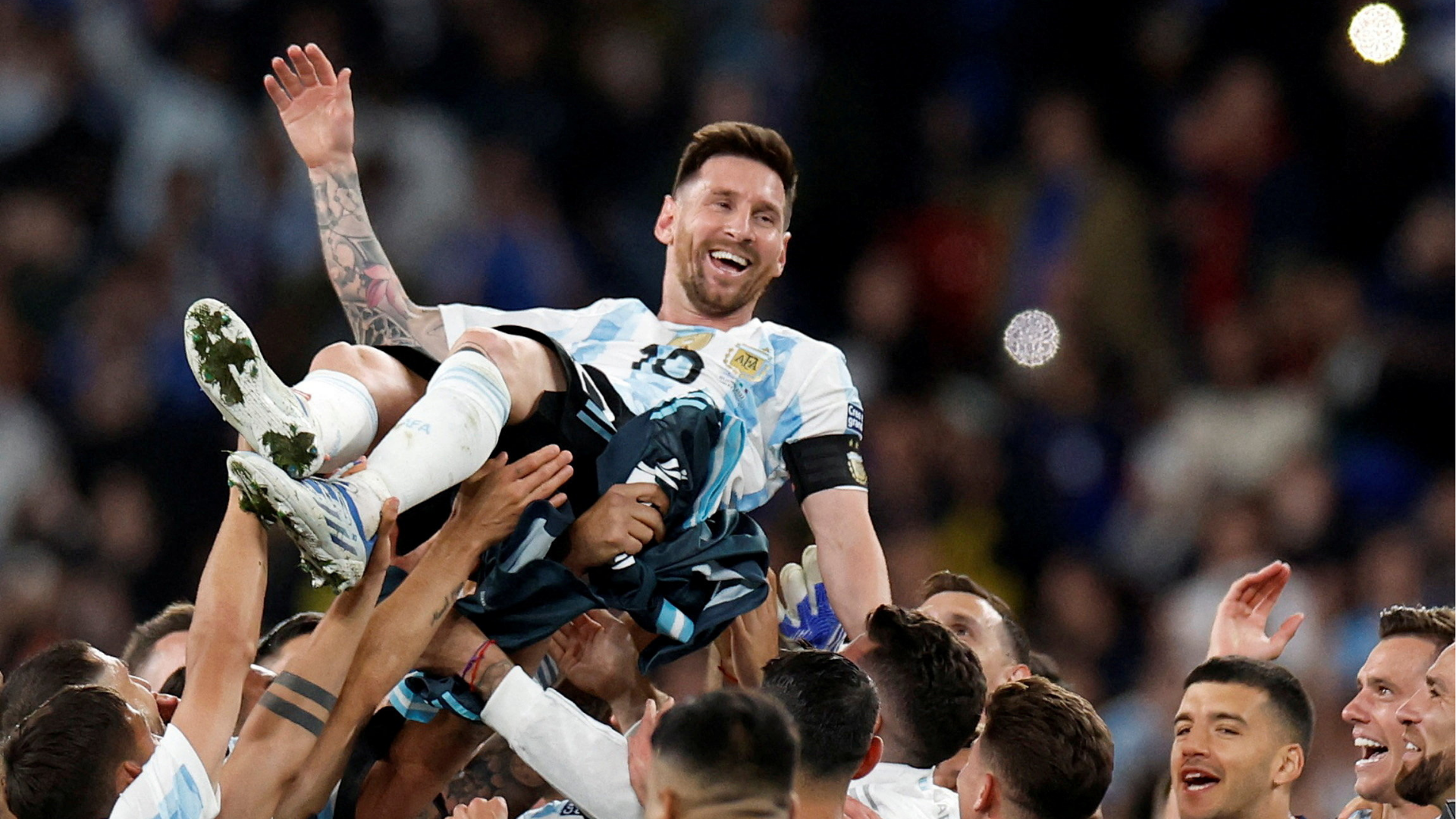
More than two decades later, Messi leaves after playing a central role in an era that delivered the 2021 Copa América, 2022 Finalissima, 2022 FIFA World Cup, 2024 Copa América and another World Cup final in 2026. He announced his international retirement on August 31 and will play his farewell match against Benin at the Monumental on October 6.
From Painful Defeats to a Winning Structure
The transformation did not happen immediately. With Messi, Argentina lost the finals of the 2007 Copa América, 2014 World Cup and the 2015 and 2016 Copa América tournaments.
The major breakthrough arrived under Lionel Scaloni and a generation that finally converted competitiveness into trophies. But Argentina's transformation during the Messi era also took place away from the pitch.
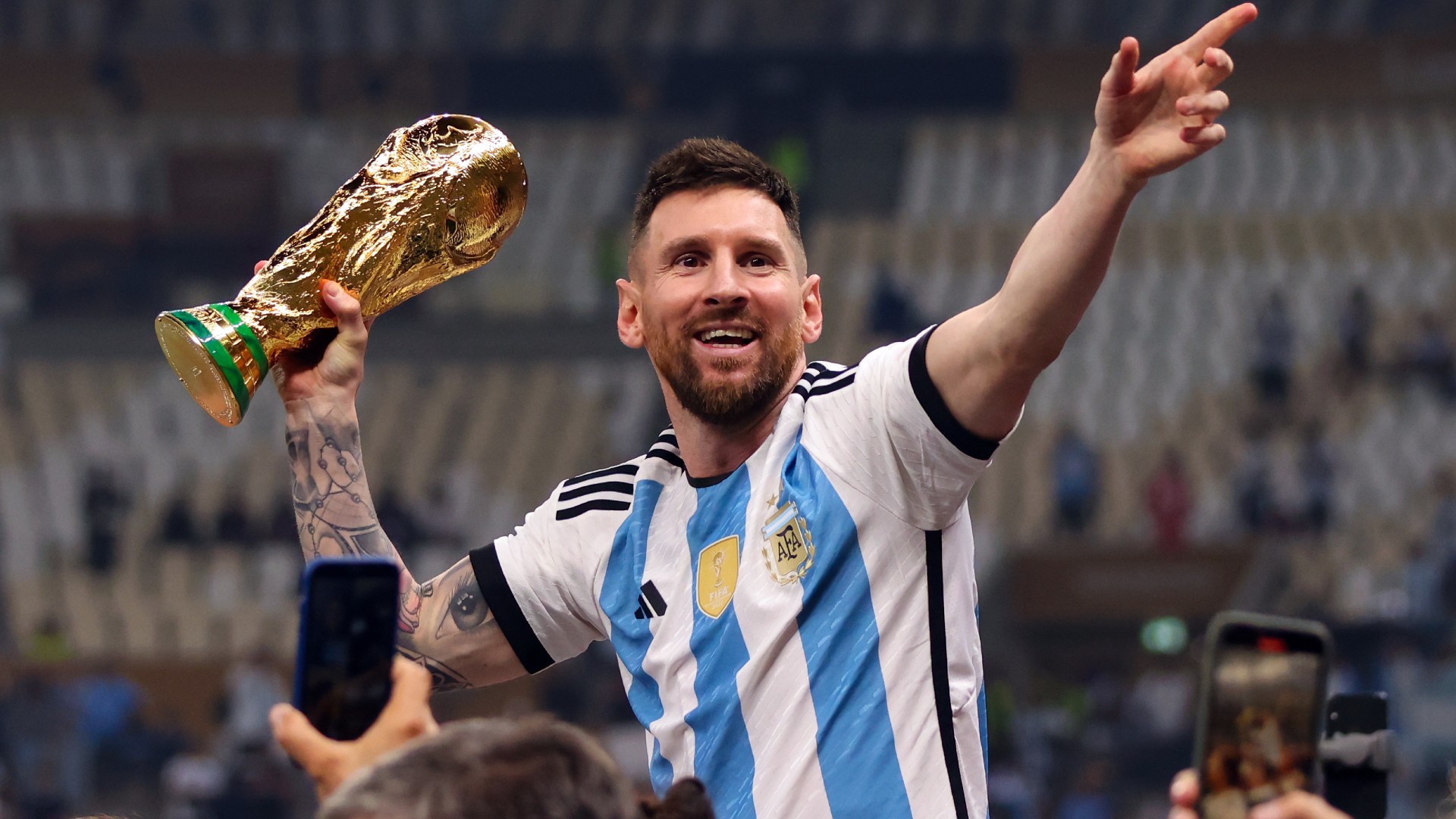
AFA's training complex in Ezeiza underwent extensive modernization. Bedrooms, dining areas, locker rooms, gyms, medical facilities and recovery areas were renovated, while new technology was introduced to analyze training sessions. In 2023, the complex was named Lionel Andrés Messi, alongside plans for national-team accommodation, a high-performance center, medical facilities, recovery areas and an auditorium.
Further work included new natural-grass pitches and renovations to the youth facilities. AFA said in 2025 that more than 80 construction projects had been carried out at Ezeiza since 2017, while work began in September 2026 on a new two-story, 450-square-meter gym for the senior national team.
A New Generation Is Already Emerging
Argentina's transition is also underway on the field.
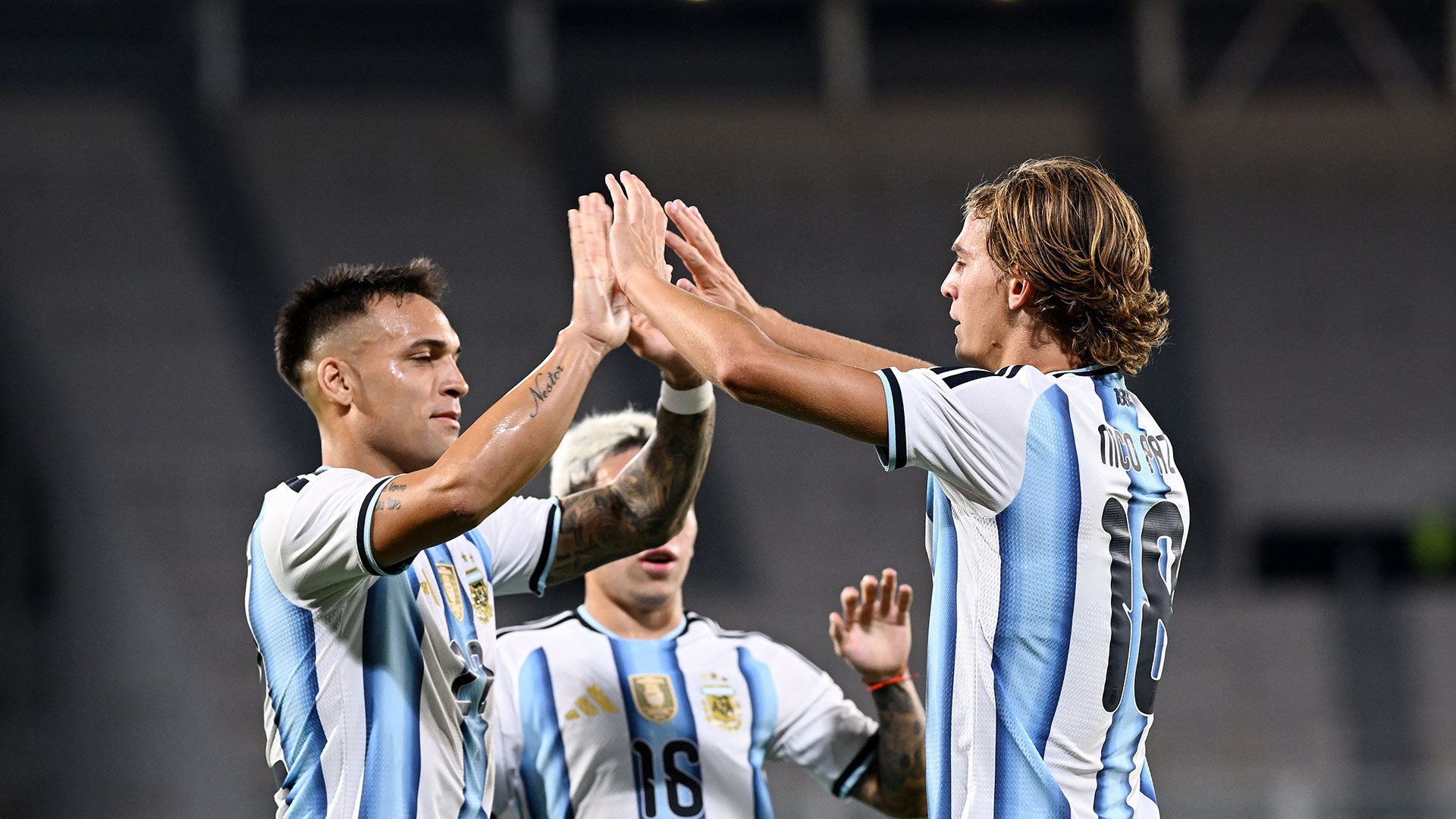
Nico Paz, now 22, was part of Argentina's 2026 World Cup squad and was named the best young player of the 2025/26 Serie A season after recording 12 goals and seven assists for Como. He also scored in Argentina's recent 4-0 win over Bolivia.
Franco Mastantuono recently scored his first senior international goal against Burkina Faso, while 19-year-old Boca Juniors forward Leonel Flores has already been called into Scaloni's squad and earned minutes during the new post-World Cup cycle.
Another example is 19-year-old Boca midfielder Tomás Aranda, who made his senior Argentina debut against Honduras in June. Players such as Gianluca Prestianni, Valentín Barco and Máximo Perrone are also part of a broader renewal process.
The True Legacy of the Messi Era
Argentina are losing a player who cannot be replaced individually. But the national team Messi leaves behind is structurally and competitively very different from the one he joined.
There is a championship-winning core, an established coaching structure, high-performance infrastructure, a stronger pathway between youth and senior teams and young players already receiving opportunities.
The challenge of the post-Messi era will not be to find “the next Messi.” It will be to determine whether everything built during these years can allow Argentina to remain among the world's elite once the player around whom so much of its history revolved is no longer on the pitch.