
World Cup 2026: How the New 48-Team Format Will Actually Work
A World Cup overhaul is coming, but not exactly in the way everyone imagines. The 2026 edition brings a structure shift that hides a bigger twist you won’t see coming.
A World Cup That Redefines Everything
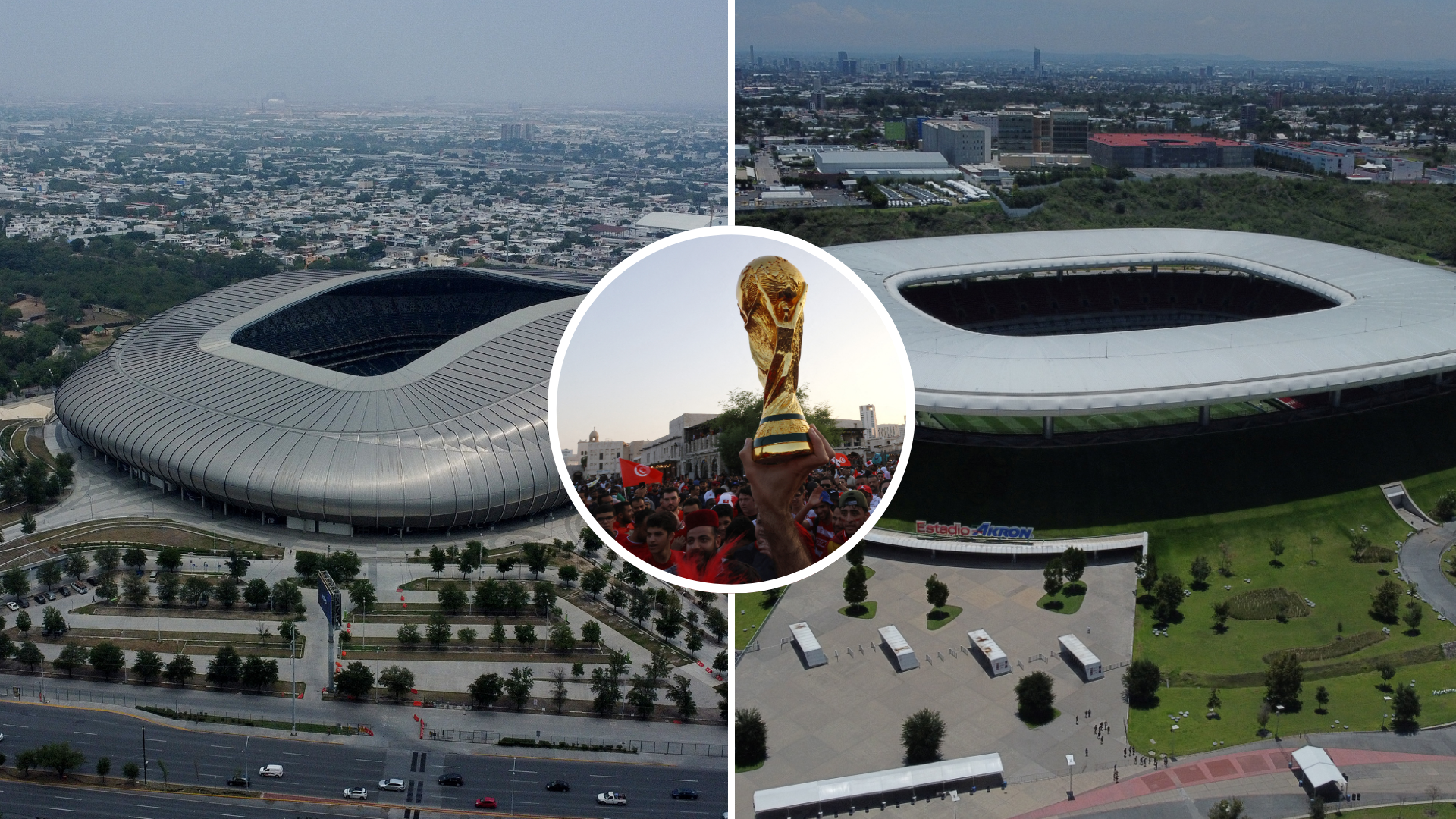
The 2026 World Cup will mark a historic turning point for global football. For the first time ever, 48 national teams will compete in a tournament jointly hosted by Mexico, the United States, and Canada, creating the biggest and most ambitious edition in the history of the sport. FIFA had been exploring expansion for years, and this event will serve as the ultimate test for a redesigned global spectacle.
It will also be the first World Cup hosted by three nations, a move meant to broaden the tournament’s reach, diversify its venues, and elevate fan experience across an entire continent. But beneath the scale and excitement, the real transformation lies in how the competition itself will be structured.

The New Format: More Groups, More Teams, More Football
With the expansion to 48 teams, the tournament will be split into 12 groups of four. From each group, the top two teams will advance automatically, while the eight best third-place teams will also qualify. This creates a brand-new knockout phase featuring 32 teams, a massive shift from the traditional path used for decades.
This format is designed to reduce the risk of intentional draws or negotiated results in the final round of group play—an issue that has concerned FIFA in the past. By allowing the best third-place teams to advance, every match gains importance and teams have far less room to manipulate outcomes. The competition becomes more intense, more strategic, and more inclusive.
The expansion also affects the scale of the tournament: the World Cup will grow from 64 to 104 matches, lasting a total of 39 days, seven more than previous editions. More days, more cities, and more nonstop drama.
Why Expand to 48 Teams?
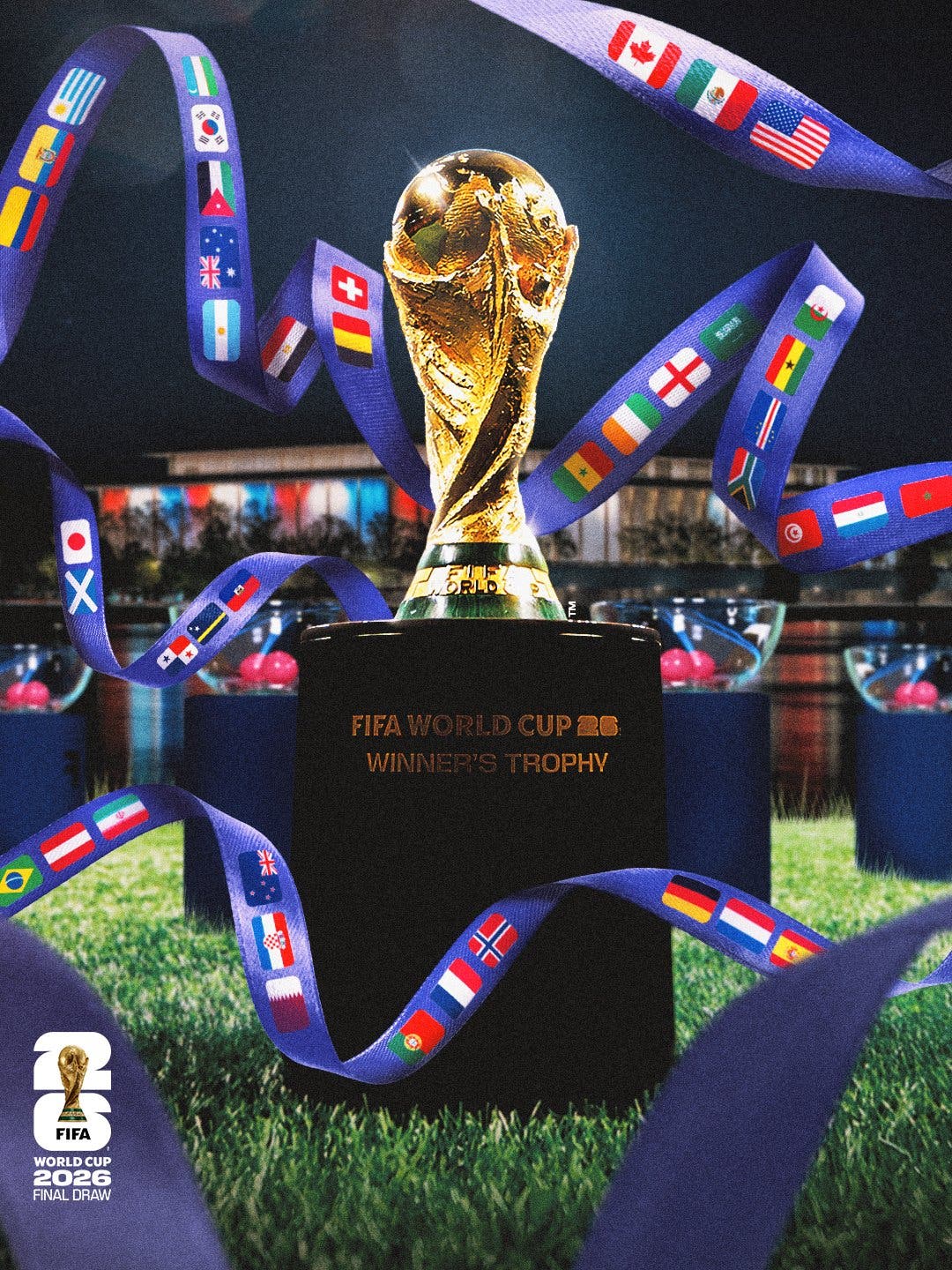
The goal is to boost the global development of the game, offer more opportunities to emerging football nations, and bring the World Cup closer to regions that historically struggled to qualify. It’s also part of FIFA’s long-term vision to continue growing the sport’s global footprint.
A Tournament Built to Break Old Patterns
The 2026 World Cup will be the ultimate test of a bold new format that may define the next era of international football. More teams, more stories, and a completely reimagined road to the trophy—this edition promises a spectacle unlike anything before.