
- Home >
- Soccer >
- Premier League >
- The Michael Carrick Effect: The Change at Manchester United That Seems to Be Working
The Michael Carrick Effect: The Change at Manchester United That Seems to Be Working
Manchester United are finding themselves again. With Michael Carrick in charge, Old Trafford regains its energy, the academy matters once more, and the club finds stability after months of uncertainty.
An immediate shift in atmosphere at Old Trafford
Manchester United needed more than results: they required emotional stability and a clear sense of direction. The arrival of Michael Carrick as interim manager triggered an immediate change in the club’s environment. Old Trafford stopped feeling tense and once again became a place of support and collective energy.
The victory in the derby against Manchester City was the first visible sign, but not the only one. From the stands to the dressing room, United showed a more compact, committed and recognizable version of themselves. Carrick did not promise a revolution, only order, and that simple premise felt refreshing for a club worn down by uncertainty.
Carrick and leadership rooted in the club’s memory
The figure of Michael Carrick brings the consensus that his predecessors failed to achieve. A former captain, serial winner and long-time silent leader on the pitch, his return reconnected the club with its collective memory. The backing of Sir Alex Ferguson reinforced the idea of continuity and respect for United’s historical identity.
After a spell marked by tactical rigidity and internal disconnect under Rúben Amorim, Carrick opted for simple, human decisions. Less public confrontation, closer relationships with players who compete with commitment and coherence.
The team responds: order, intensity and belief
On the pitch, United showed clear signs of recovery. Defensive solidity, aggression in midfield and more direct transitions defined the approach. Players such as Harry Maguire, Lisandro Martínez, Casemiro and young Kobbie Mainoo provided balance against City.
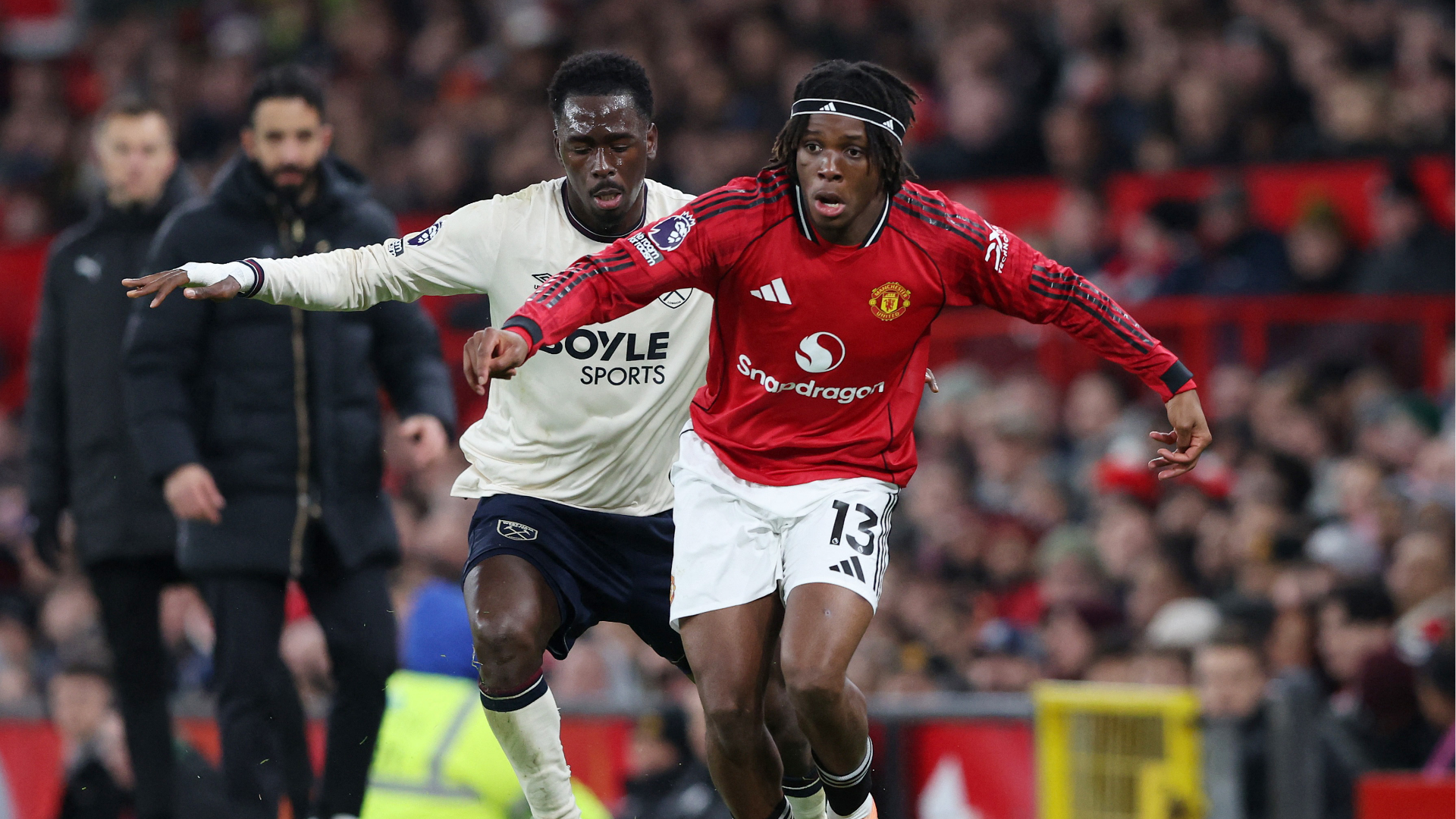
Mainoo’s return to the starting lineup, after being previously sidelined, was interpreted as a vote of confidence in the academy and a break from the recent past. The midfielder responded with personality, reinforcing the idea that young talent once again has a place in the first team.

The academy returns to the heart of the project
One of Carrick’s most symbolic messages came off the pitch. His presence at a Manchester United Under-21 match, alongside his coaching staff, was read as a clear statement of intent. The academy, historically a pillar of the club, is once again being watched and valued.
This approach has also had a calming effect around the club. Protests against the Glazer family and Jim Ratcliffe have eased, giving way to a truce driven by expectation. With the team now fifth in the Premier League, the dream of returning to the Champions League no longer feels distant.
The upcoming challenge against Arsenal will be a major test, but Carrick’s United have already achieved something fundamental: they believe in themselves again.