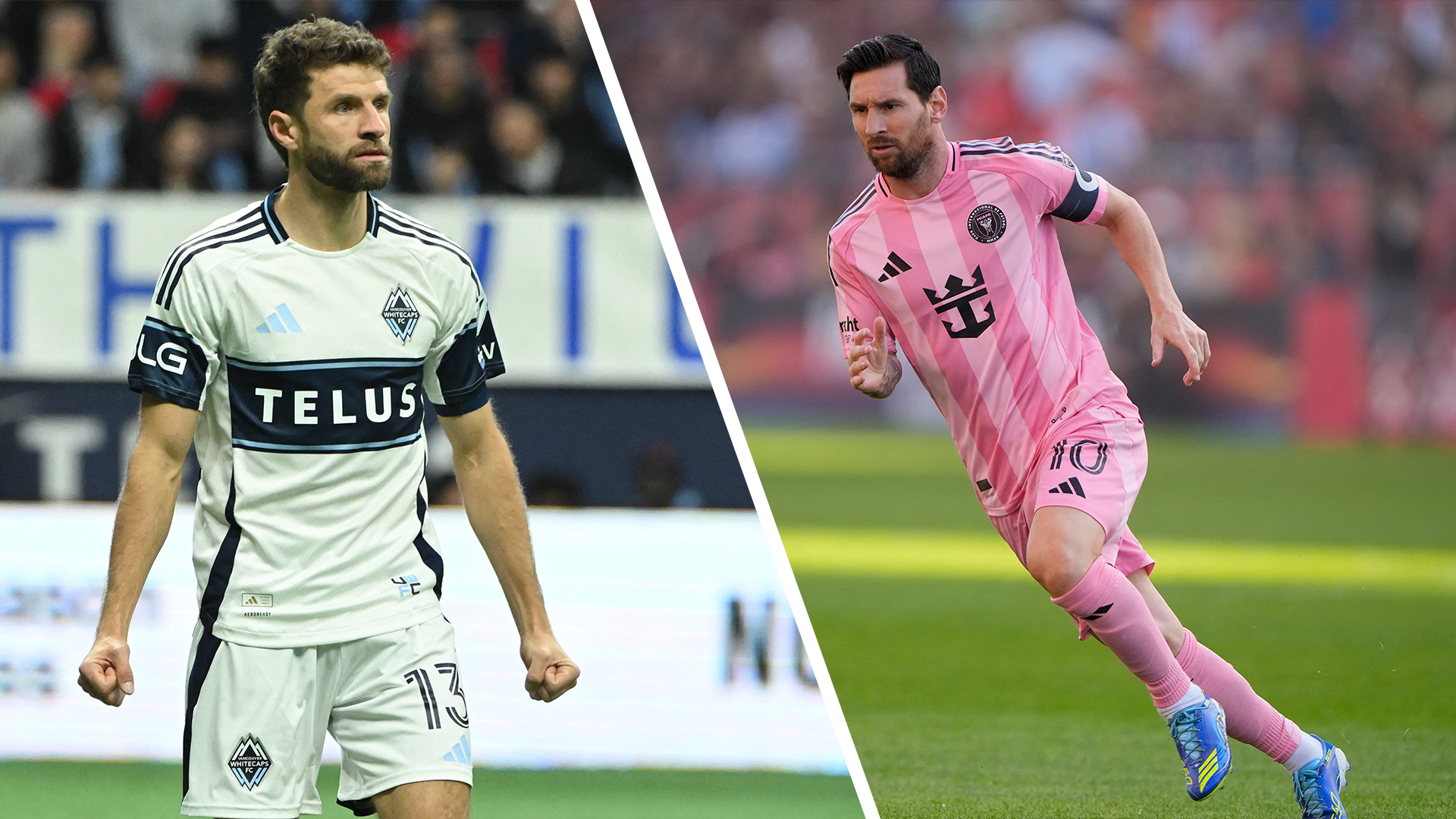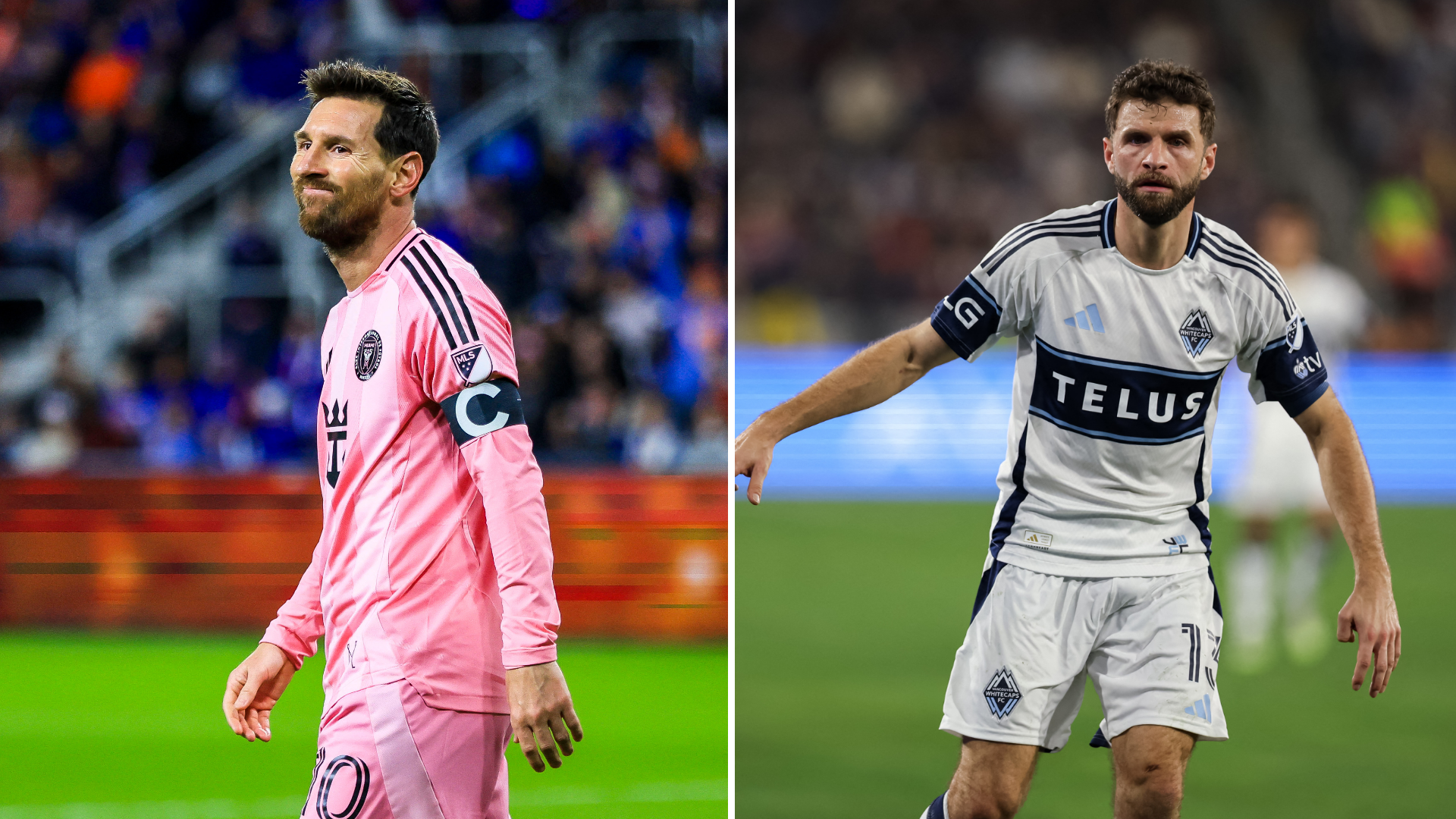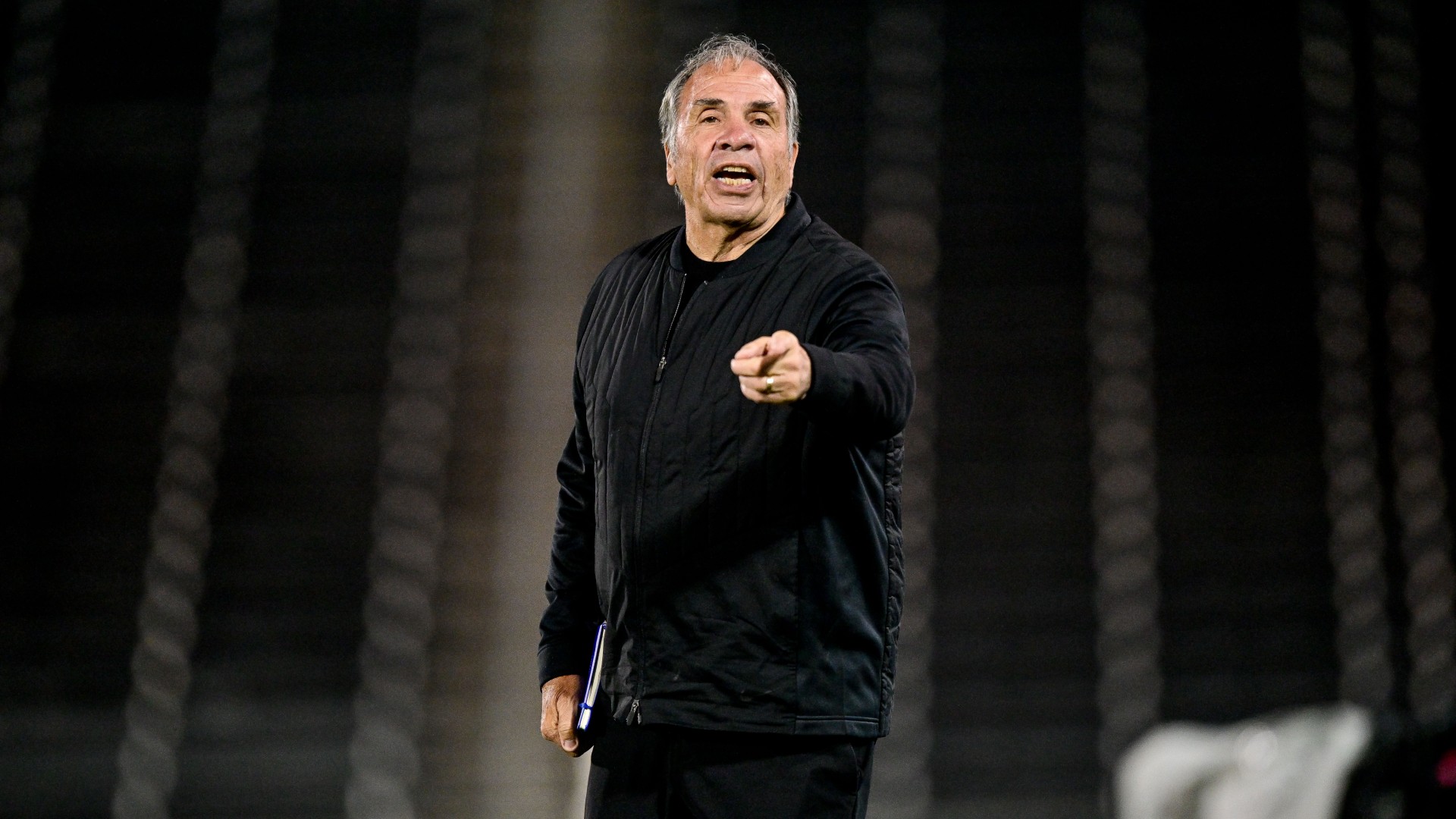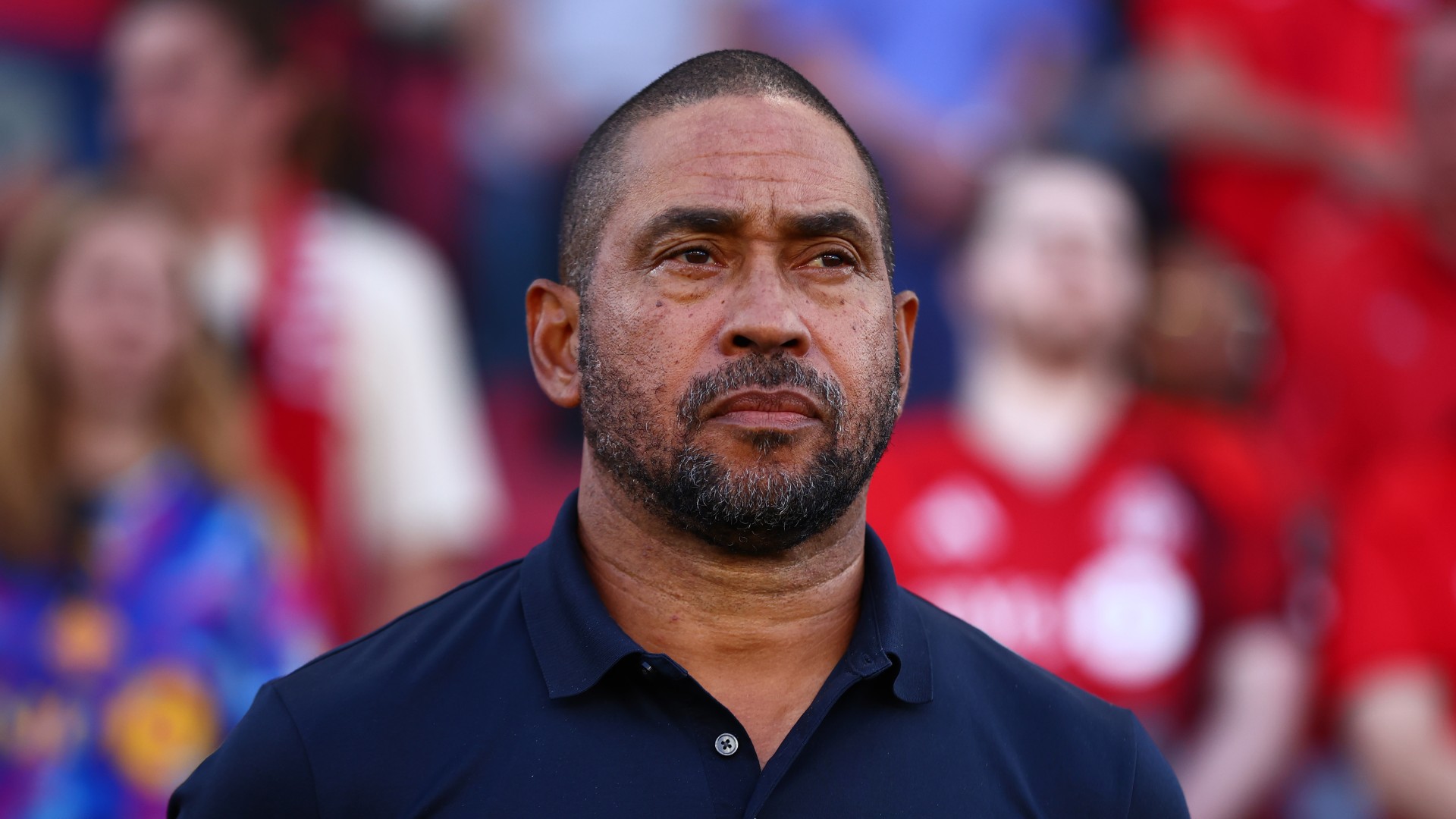

The hosting of the MLS Cup Final has become a topic of debate in recent days, especially after it was confirmed that Inter Miami will face Vancouver Whitecaps on Dec. 6 — and the match will be played in Miami, even though Vancouver entered the postseason as a higher seed in the West.
Why Inter Miami Have Home Advantage in the MLS Final
Despite being seeded lower than the Vancouver Whitecaps, Inter Miami will play the MLS Cup Final at home — and here’s the explanation behind the rule.
Supporters’ Shield Points Decide the Venue
Many fans assume seeding alone determines home-field advantage, but the MLS system changes once the playoffs reach the final. While Vancouver entered as Western Conference seed No. 2 and Inter Miami as Eastern seed No. 3, the rule prioritizes total regular season points — not bracket seeding — when deciding the host for the championship match.
During the regular season, Inter Miami earned 65 points — more than Vancouver’s 63 — and only trailed Philadelphia Union and FC Cincinnati in the Supporters’ Shield standings. Vancouver matched San Diego FC with 63 points but lost the tiebreaker on total wins, placing them second in the West.

Therefore, by virtue of having a superior point total, the final will be held at Chase Stadium — the home of Lionel Messi and company — giving Miami a statistical edge. Historically, MLS teams playing at home have won 12 of the past 16 finals.
Messi vs Müller: The Stars Collide
Beyond stadium logistics, the emotional weight of this matchup is massive. The final will showcase a duel between global icons: Lionel Messi, leading Inter Miami, and Thomas Müller, driving Vancouver Whitecaps in his first full MLS season.
Earlier this year, both teams met in the semifinals of the Concacaf Champions Cup, where Vancouver prevailed with 2–0 and 3–1 victories. But now the conditions are different: a single-match final, in hostile territory, with everything on the line.
MLS Cup rules are simple:
✔ One match only
✔ Extra time if tied after 90
✔ Penalties if needed
If Inter Miami win, it would mark their first MLS Cup championship — with Messi reaching a historic 48 career titles. If Vancouver triumph, they would join a select group capable of winning both their domestic cup (Canadian Championship) and MLS Cup in the same season.

MLSCristiano Ronaldo’s Emotional Message to Messi
MLSMessi Breaks His Silence After His Father’s Death
MLSNeymar Could Reunite With Messi and Suárez

MLSLionel Messi Denied the Rumors About Thiago
MLSHoyos: "Messi would be Picasso"

MLSWhy Doesn’t Luis Suárez Play With Inter Miami?
MLSLionel Messi Surprises With a Donation

MLSDe Bruyne Could Join Lionel Messi at Inter Miami

MLSCasemiro struggles as Messi returns to Inter Miami
MLSTremendous Revelation from Casemiro About Messi
MLSInter Miami Denies Wrongdoing In Casemiro Transfer