
Luis Enrique: “I Let My Players Decide Who Takes Penalties”
A Coach Who Breaks the Mold
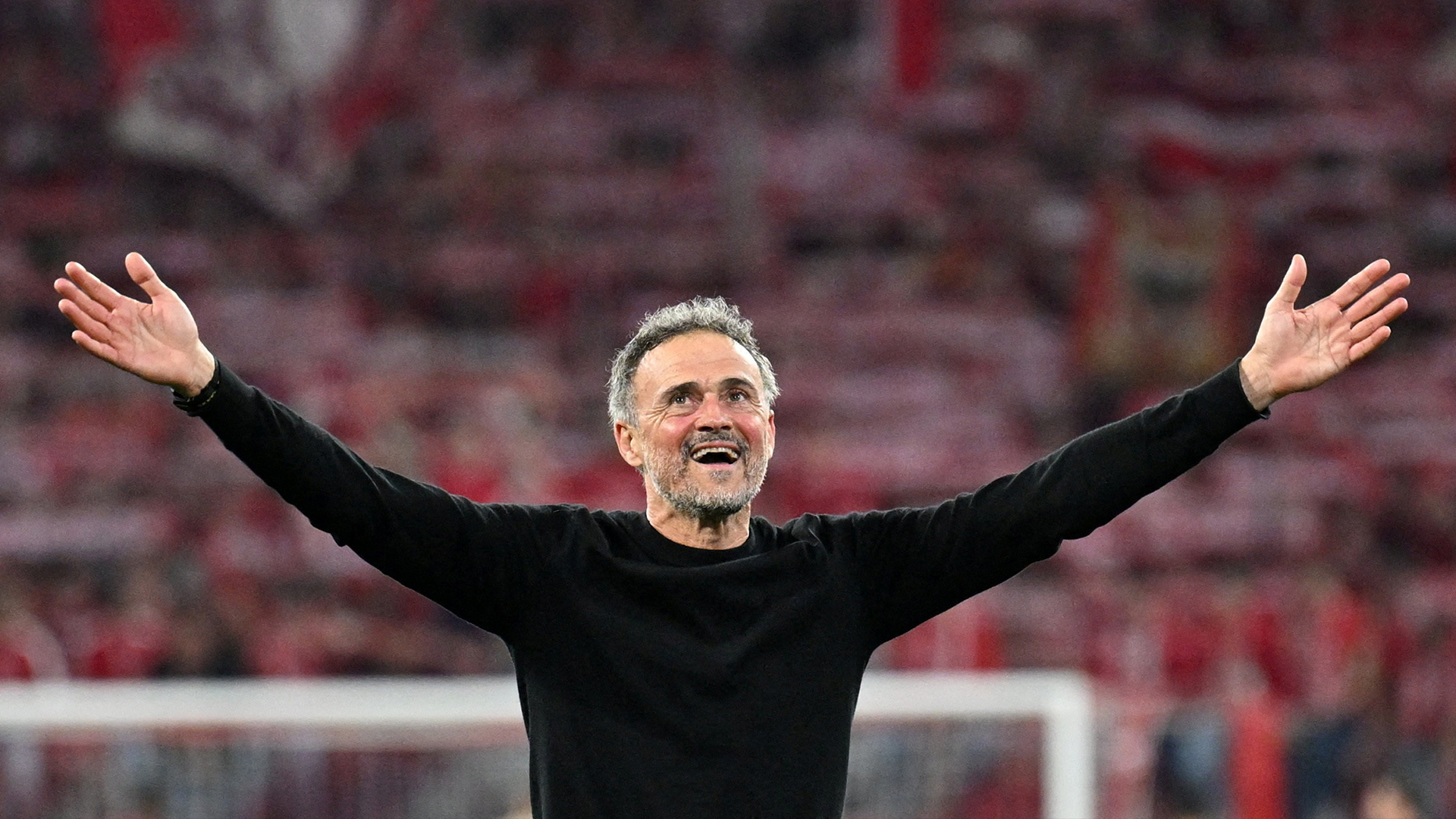
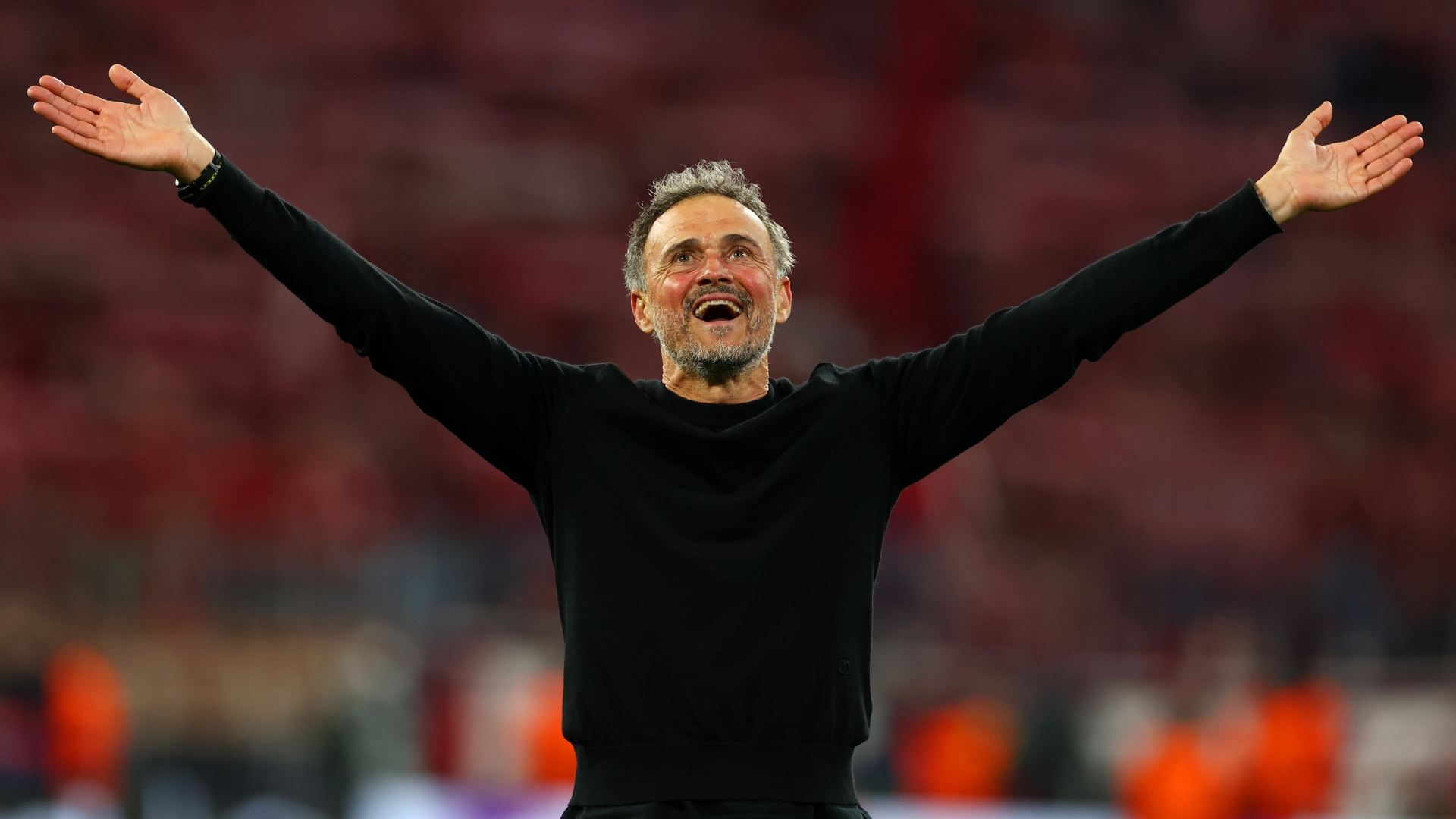
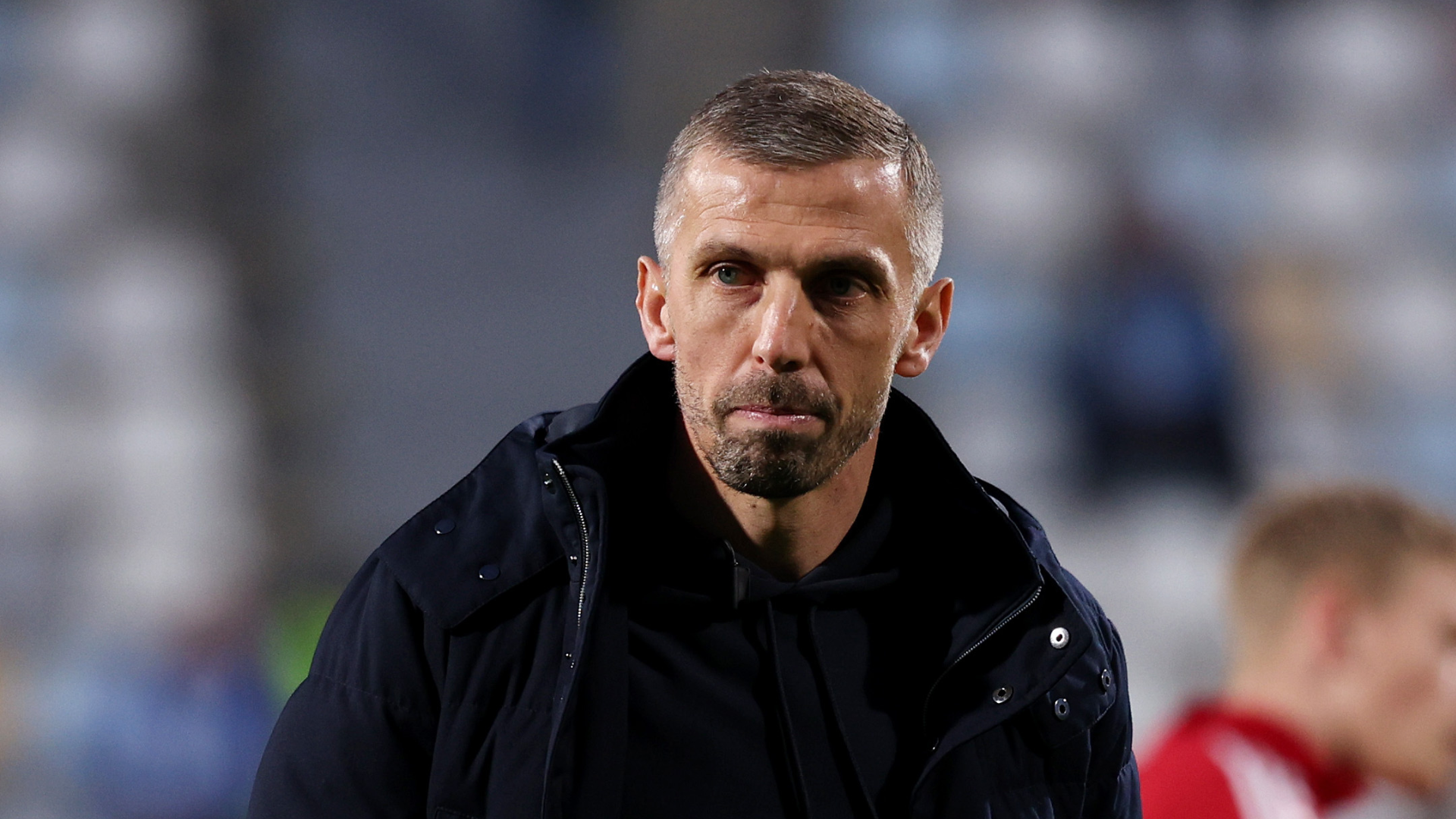
Luis Enrique has proven throughout his career that he is not a conventional coach. The Spanish manager, a European champion known for his strong personality, often makes decisions that spark debate in the football world. To some, they may seem risky or unusual, but results have backed much of his approach. His teams tend to show a clear identity, a well-defined attacking style, and, above all, competitiveness in key moments.
Over the course of his career, Luis Enrique has made it clear that he ხედs football from a different perspective. Beyond tactics or physical preparation, he believes the emotional component and in-game awareness are essential when making decisions.
One of the most striking examples occurred recently during his time with Paris Saint-Germain. After suffering a broken collarbone, the coach chose to watch the first halves of some matches from the stands, a move that drew attention within the football community.
Far from being случай, Luis Enrique explained that from that position he could gain a much broader view of the game. From above, he said, it is easier to detect tactical movements, spaces, runs, and collective behaviors that may go unnoticed at pitch level.
According to the coach, that perspective allows him to provide more precise instructions at halftime and adjust strategic aspects with greater clarity. Although the decision seemed strange to many, it is part of a philosophy based on detailed analysis and the constant search for competitive advantages.

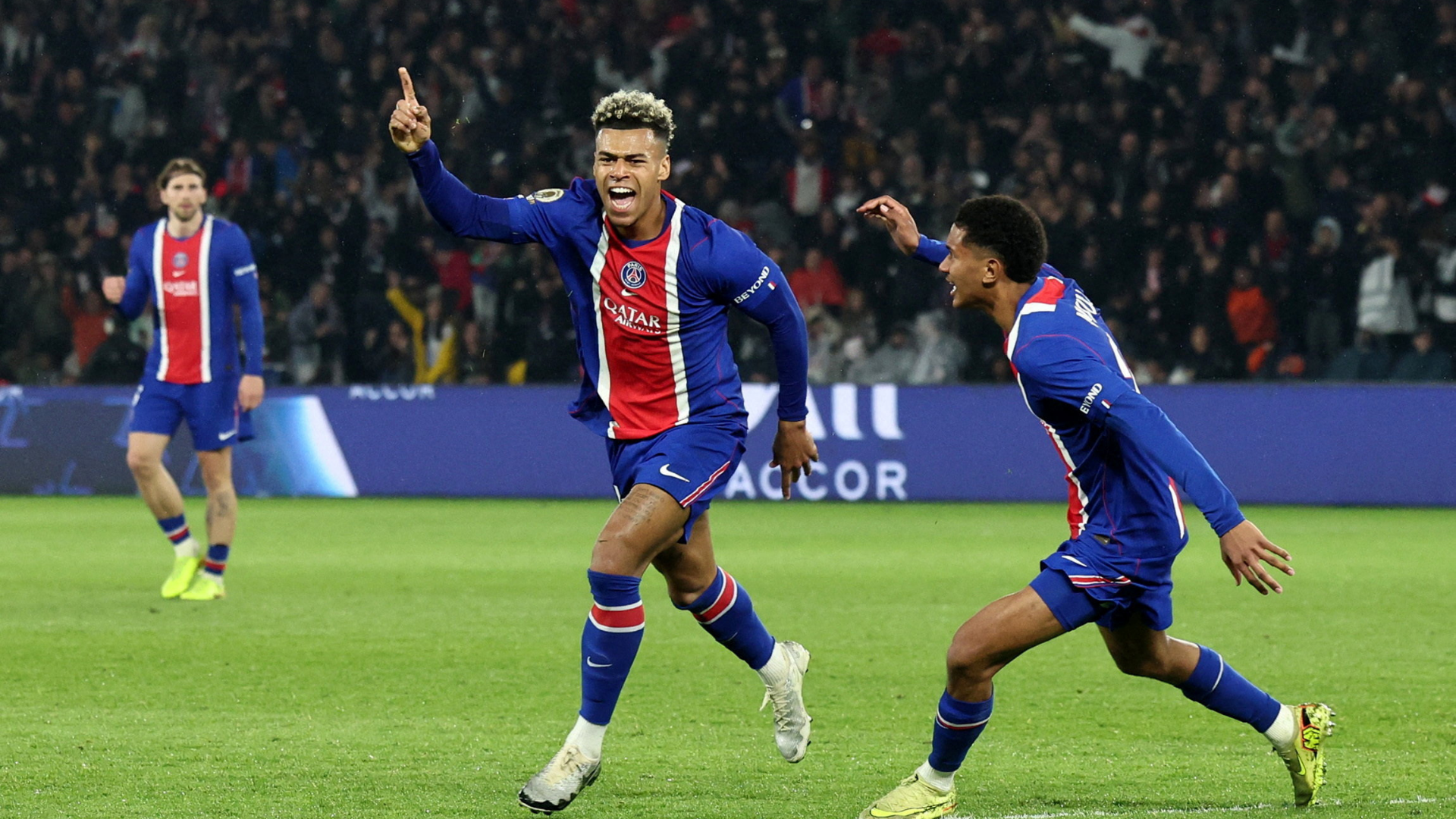
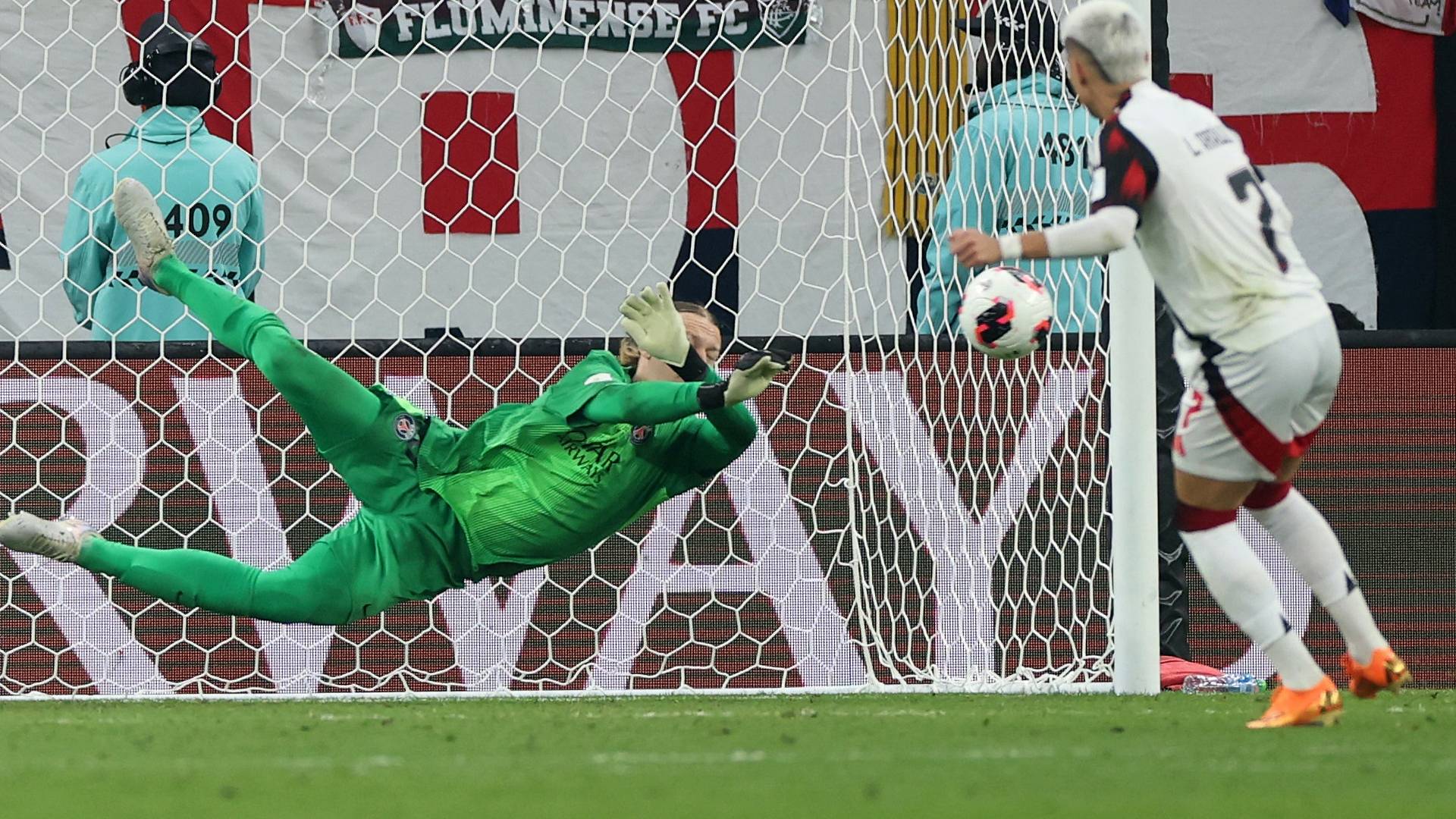
Now, Luis Enrique is once again generating conversation with another unusual stance: allowing players themselves to decide who takes penalties during a match.
In most teams, penalty takers are defined in advance. There are established hierarchies, and typically the coach determines who has priority from the spot. However, the Spanish manager believes that decision should be made on the field.
For him, from the bench it is difficult to fully interpret a player’s emotional state at a specific moment in the game. Confidence, physical feeling, match rhythm, and mental state are factors that, in his view, can only be truly sensed by those directly competing.
As a former player, Luis Enrique understands that there are matches where a footballer feels especially confident or is in the ideal emotional state to take on that responsibility. For that reason, he prefers that the group communicates and makes the decision based on what is happening on the pitch.
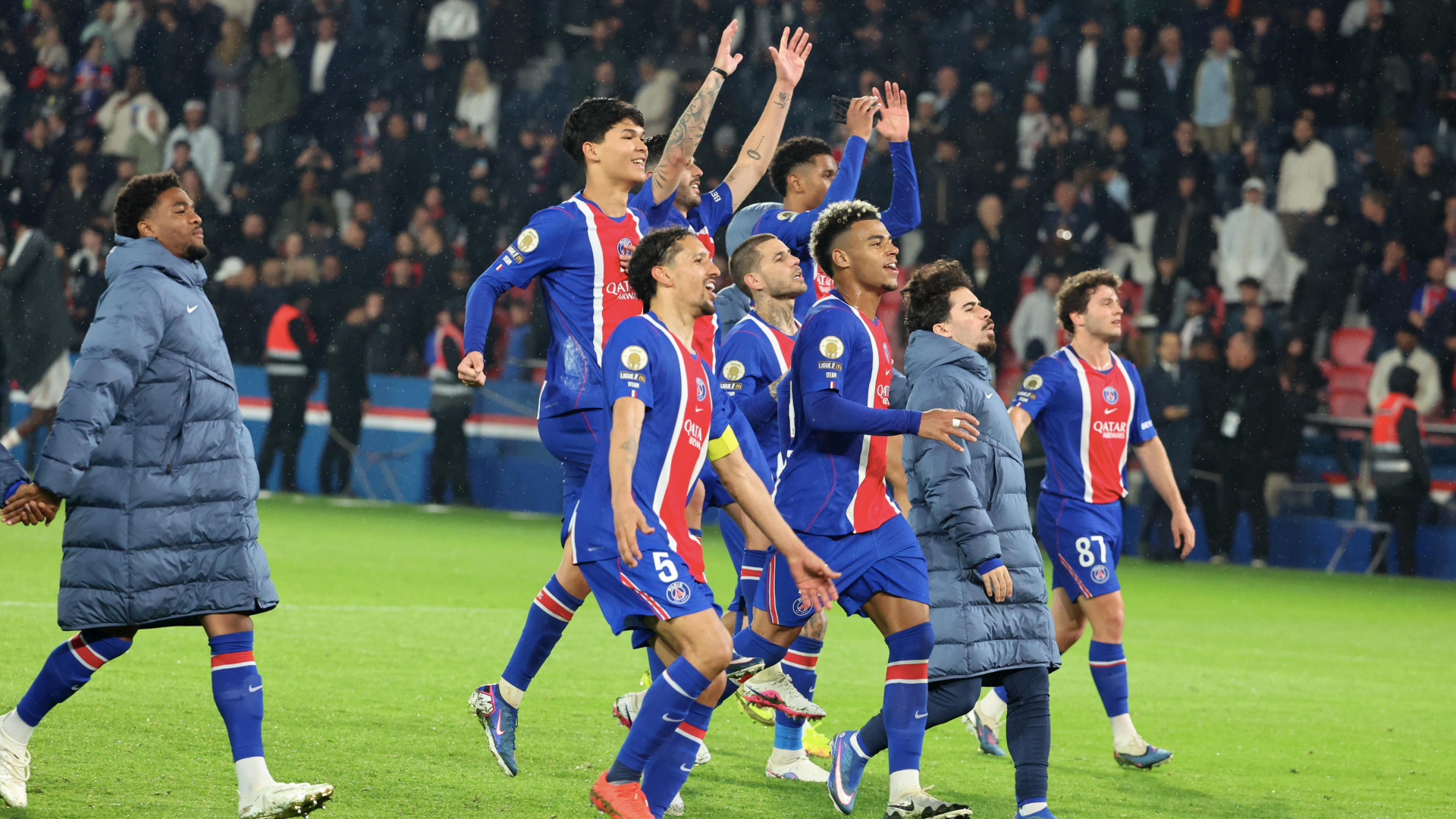
The intention is not to create conflict or break hierarchies, but to encourage collective responsibility and strengthen trust among teammates. The coach wants the team to take ownership and for decisions to arise naturally from the flow of the game.
This philosophy also reflects an important trait of Luis Enrique: his trust in players. He understands that, although the coach prepares the match and designs the strategy, those who truly experience the rhythm of the game are the players.
That is why, rather than controlling every detail from the outside, he opts to give freedom in specific situations. For Luis Enrique, football is also about interpreting emotions, sensations, and moments—something that often cannot be decided from the bench.