
Transfer Market: Boca Juniors’ Traffic Light
Paulo Dybala, the gem that could change history
The ultimate desire
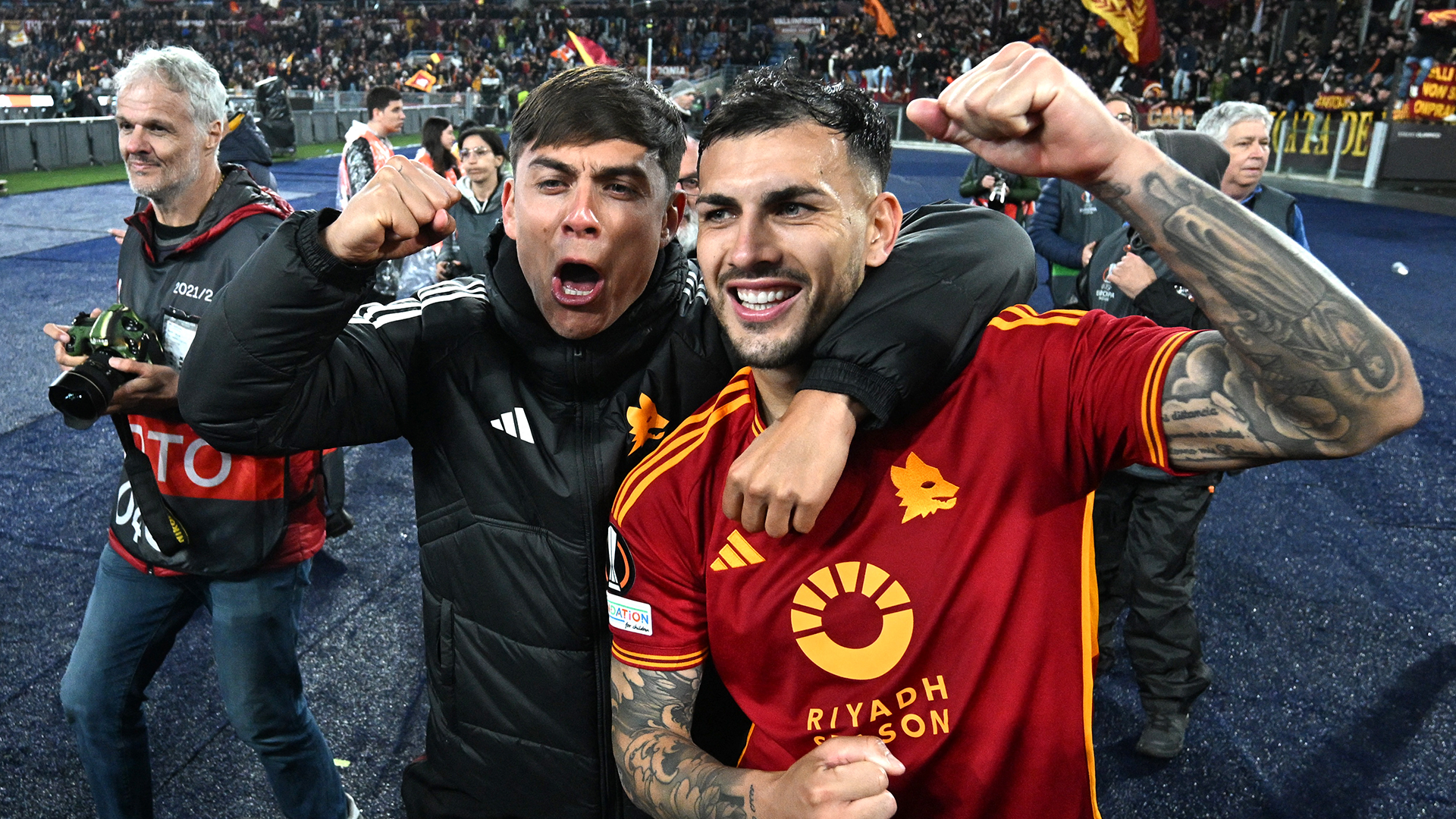
A declared Boca fan, with a contract at Roma until June 2026 and no renewal yet agreed, Paulo Dybala emerges as the star attraction of the transfer market. The club claims to have the contract ready and the resources “set aside,” and all signs point to his arrival taking place mid-year, in line with the sporting plan for the second half of the season.
His quality is unquestionable; the focus lies on his physical history, marked by muscle injuries and a tendon tear that kept him sidelined for over 100 days in 2025. Even so, if the “Joya” decides to return to the country, Boca would gain leadership, unpredictability, and a high-profile figure capable of tipping continental series and reshaping the competitive landscape of South American football.

Marco Verratti, the European mastermind who entices
According to information circulating from Fabrizio Romano’s usual sources, the name of Marco Verratti has once again gained traction on Boca’s radar. The Italian midfielder, currently out of the European spotlight and open to new challenges, emerges as a market opportunity as unexpected as it is strategic.
A personal friend of Leandro Paredes and with a career full of elite titles—Champions League, domestic leagues, and cups—Verratti fits perfectly into the idea of a dominant midfield: peripheral vision, surgical first passes, tempo control, and composure in high-pressure situations.
His potential arrival would be much more than a reinforcement: it would send a political-sporting message across the continent. Boca doesn’t just want to compete—they want to control the tempo, the ball, and the pressure in big matches, with a European mastermind raising the standard and spreading authority in every possession.
Marino Hinestroza, open negotiations and mounting pressure
Marino Hinestroza has gone from being a developmental prospect to a concrete negotiation target. The winger has 8% of his transfer rights up for discussion, currently under negotiation, while Boca has already submitted an offer of $6 million plus performance-based bonuses, awaiting a response from Atlético Nacional.
Meanwhile, the player himself did not attend training—a gesture interpreted in Colombia as a clear pressure tactic to unblock his departure and accelerate his arrival at Boca. Without the media weight of other names in the market, Hinestroza offers what Boca has been seeking for international competition: pure speed, wing-based unpredictability, and the ability to break open tight matches.
The stage is set: an offer on the table, the selling club evaluating, and the player pushing. Now, the ball is in Atlético Nacional’s court.

.
The transfer market is just beginning and, as usual, it promises to be long, dense, and full of speculation. None of the parties involved are willing to rush or close deals that don’t meet their own urgencies and objectives: clubs protect their assets, players weigh their options, and intermediaries play their own timing.
In this context, Boca is moving with calm and conviction, fully aware that the transfer window doesn’t close until March and that impatience is rarely a good advisor. There are no unnecessary rushes—only a strategic reading of a unique year, marked by an international market that promises very high activity.
The proximity of the 2026 United States World Cup will be a determining factor: players need to showcase themselves, accumulate minutes, and compete in high-stakes scenarios to secure a place in their national teams. In this landscape, Boca remains one of the most prominent showcases in the world—a club that exposes talent, enhances it, and projects it to the next level.
That’s why, beyond the rumors, progress, and obstacles, Boca knows that time is also on its side. The market will adjust, needs will align, and when that happens, the pieces will start to fall into place.