
- Home >
- Soccer >
- LaLiga >
- Two Sides of the Coin: Barcelona Stuck With Flick While Real Madrid Sacked Xabi
Two Sides of the Coin: Barcelona Stuck With Flick While Real Madrid Sacked Xabi
With nearly identical early records, Hansi Flick and Xabi Alonso experienced very different outcomes at Barcelona and Real Madrid, highlighting how belief—or the lack of it—can shape a club’s direction.
In elite football, trusting a head coach can be the difference between building a long-term project and pulling the plug too soon. Over recent months, Barcelona and Real Madrid have offered a clear example of that contrast. Despite posting almost identical results in their first 34 matches, Hansi Flick and Xabi Alonso were treated very differently by their respective clubs.
Both managers recorded 24 wins, four draws, and six losses during that stretch. Yet while Flick was backed by the Barcelona board, Xabi Alonso was dismissed after just seven months in charge at Real Madrid.
Barcelona’s Patience With Flick
At Barcelona, the leadership chose to stand behind Hansi Flick, believing his project required time and stability. Despite setbacks and defeats that sparked criticism, the club maintained its confidence in the German coach and prioritized the team’s long-term development over short-term pressure.
The message from the board was consistent: results would not be judged in isolation, but alongside the evolution of the team’s identity and playing style. That support helped create stability within the locker room and gave Flick the space to correct mistakes without facing constant ultimatums.
Xabi Alonso, With No Margin for Error at Real Madrid
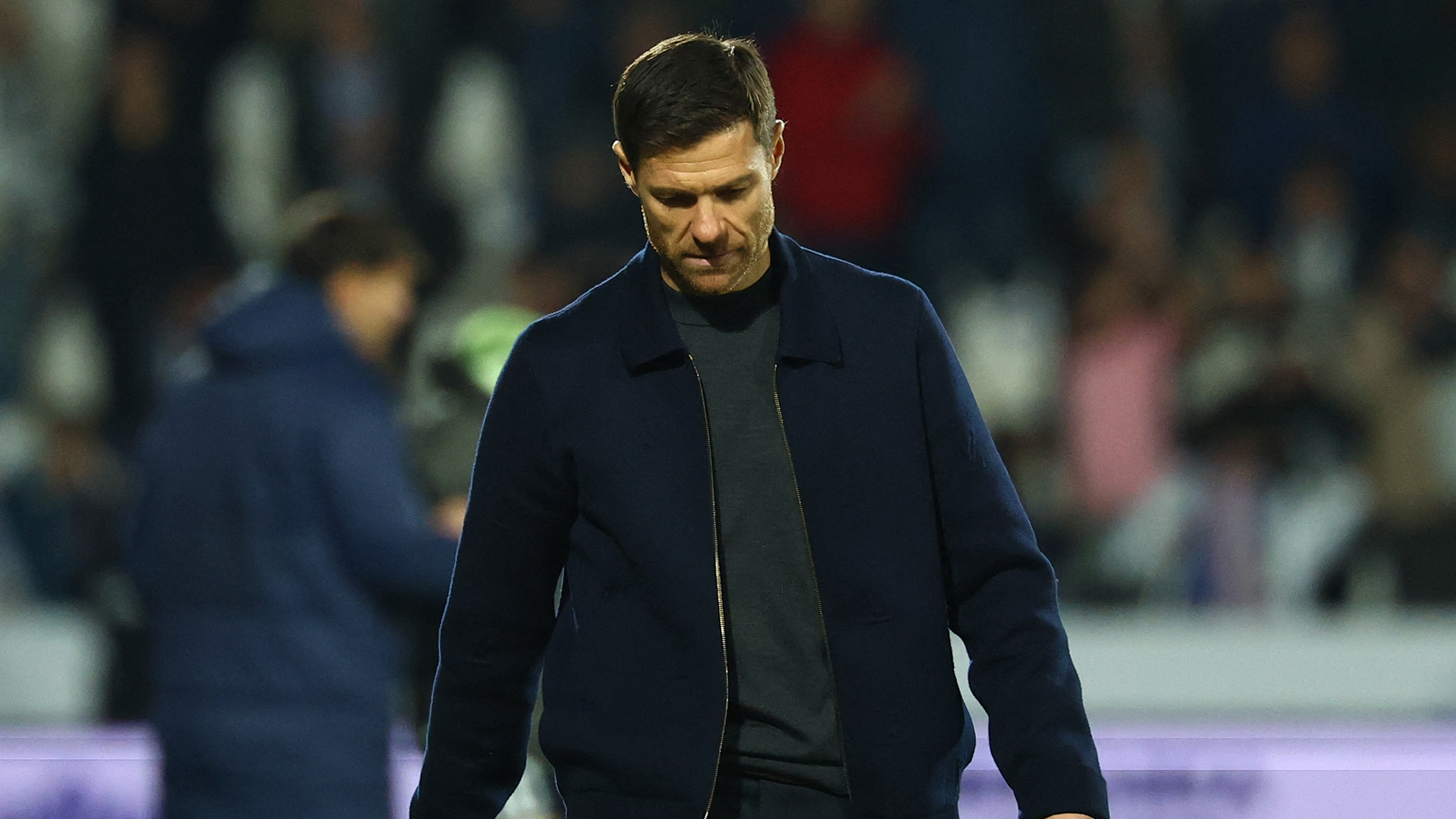
The situation was entirely different for Xabi Alonso at Real Madrid. His tenure lasted just 217 days, from his arrival following Carlo Ancelotti’s departure to the loss in the Spanish Super Cup final against Barcelona. Despite being appointed after a highly successful spell at Bayer Leverkusen, Alonso was never granted the time needed to fully implement his ideas.
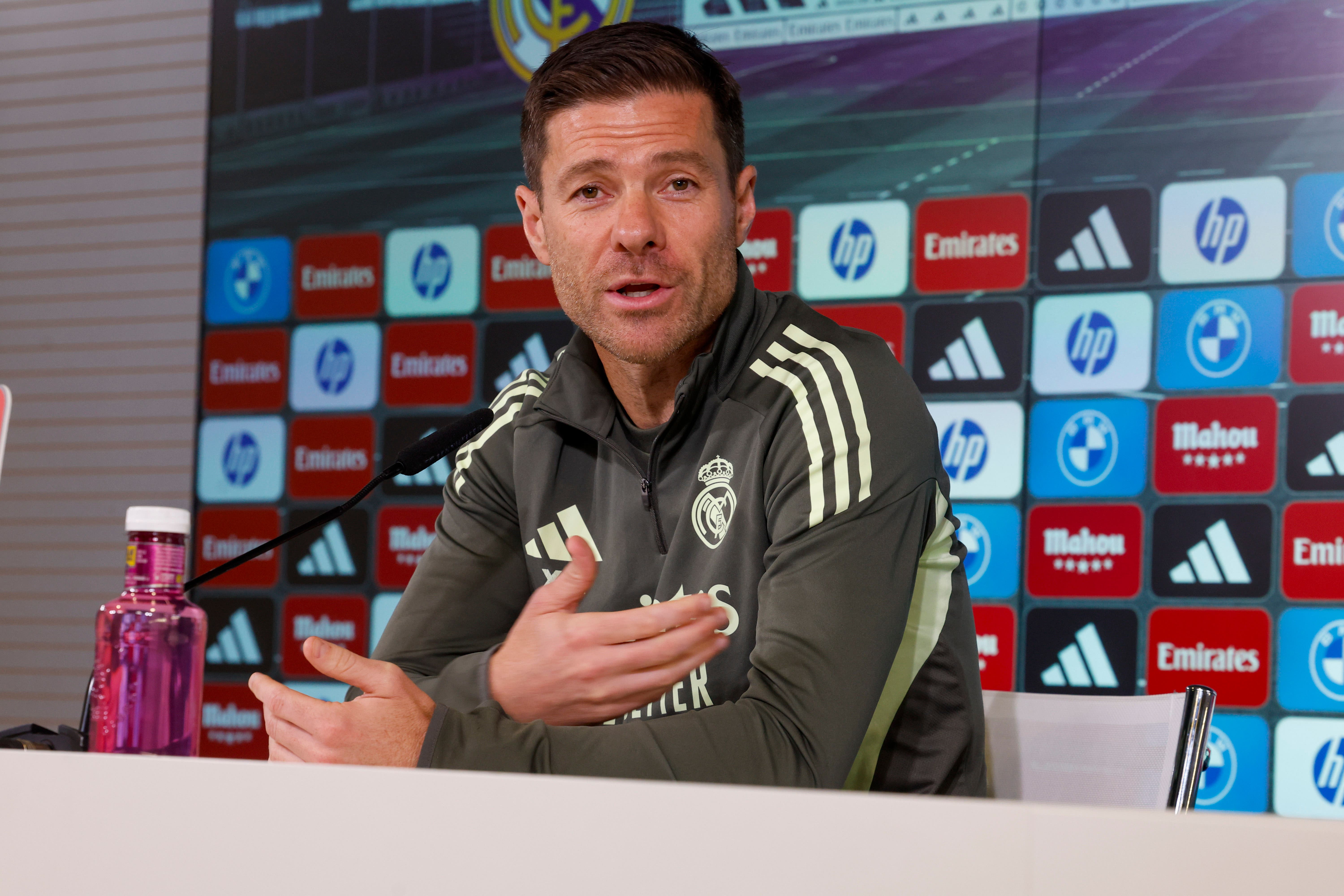
Injuries—up to 26 over various stretches—tactical limitations, and players struggling to adapt to his system gradually weakened the project. Even so, the team remained competitive largely thanks to individual performances, including crucial saves from Thibaut Courtois and goals from Kylian Mbappé.
The breaking point came in high-profile matches. Defeats against major rivals, tactical uncertainty, and a growing sense of lost identity ultimately pushed the club’s leadership to act.
Same Numbers, Different Philosophies
The comparison leads to a clear conclusion: with similar statistics, Barcelona chose patience, while Real Madrid opted for immediate change. One club committed to a process; the other enforced its demand for instant success.
Believing in a coach—or not—remains an institutional decision. Hansi Flick was given time. Xabi Alonso was not. Two sides of the same coin that underline how, at the highest level, context and philosophy matter just as much as the numbers.