
- Home >
- Soccer >
- FIFA World Cup >
- Why the 2026 World Cup Final Between Spain and Argentina Will Be Played During the Day
Why the 2026 World Cup Final Between Spain and Argentina Will Be Played During the Day
The 2026 FIFA World Cup Final between Spain and Argentina will do more than crown a champion. It will also bring back a tradition fans haven't seen in decades, as the biggest match in football will be played in daylight. Here's why FIFA made the change.
Why Will the FIFA World Cup Final Between Spain and Argentina Be Played in the Afternoon?
The 2026 FIFA World Cup is one match away from crowning its new champion, but the final between Spain and Argentina is already making history before kickoff. It's not only because two of the tournament's best teams will battle for football's biggest prize, or because Argentina has the chance to defend its world title. The scheduled kickoff time has become one of the tournament's biggest talking points.
After decades of World Cup finals being played under the lights, FIFA has decided to revive a tradition that many younger fans have never experienced: a championship match played in broad daylight. The showdown on July 19 at MetLife Stadium will end a trend that had become the norm, and the decision was made with a global audience in mind.
A Tradition Returns After More Than Three Decades
The last World Cup Final played entirely in daylight took place at USA 1994, when Brazil defeated Italy in Los Angeles during an afternoon kickoff. Since then, every World Cup Final has been scheduled primarily at night to maximize television audiences and create a dramatic atmosphere.
The closest exception came in Germany 2006, when Italy and France began the final with daylight still visible before the match gradually transitioned into nighttime.
As a result, the clash between Spain and Argentina will not only decide the next world champion, but also mark the return of a tradition that has largely disappeared from modern World Cups.
FIFA's Global Strategy Behind the Kickoff Time
The scheduling decision was far from random. According to information surrounding the tournament's organization, FIFA selected the afternoon kickoff to accommodate viewers across multiple continents rather than focusing solely on fans attending the match in person.
While supporters across North America will watch during the afternoon, much of Europe will enjoy the final during the evening, one of television's most favorable viewing windows. Meanwhile, audiences throughout Africa will also have a convenient kickoff time, while several countries in Asia will watch the match during the early hours of Monday morning.
In other words, FIFA prioritized the tournament's worldwide television audience over the recent tradition of staging the final under floodlights. The objective is simple: allow as many football fans as possible to watch the sport's biggest match at an accessible time.

Spain and Argentina Are Set for a Historic Showdown
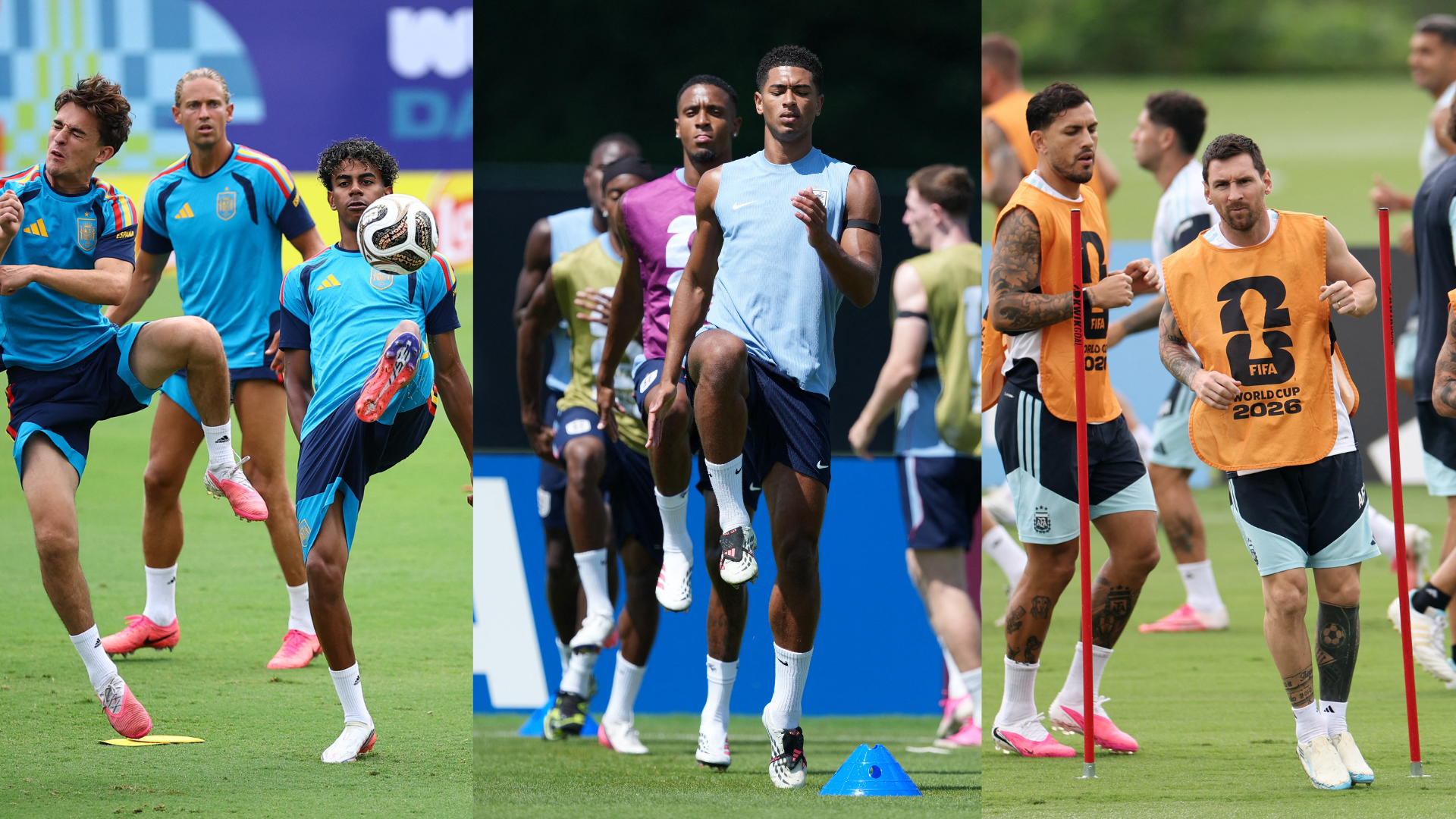
Spain arrives after an outstanding campaign, building one of the competition's strongest defensive records before defeating France in the semifinals. Standing in its way is an Argentina side that once again demonstrated its ability to deliver under immense pressure.
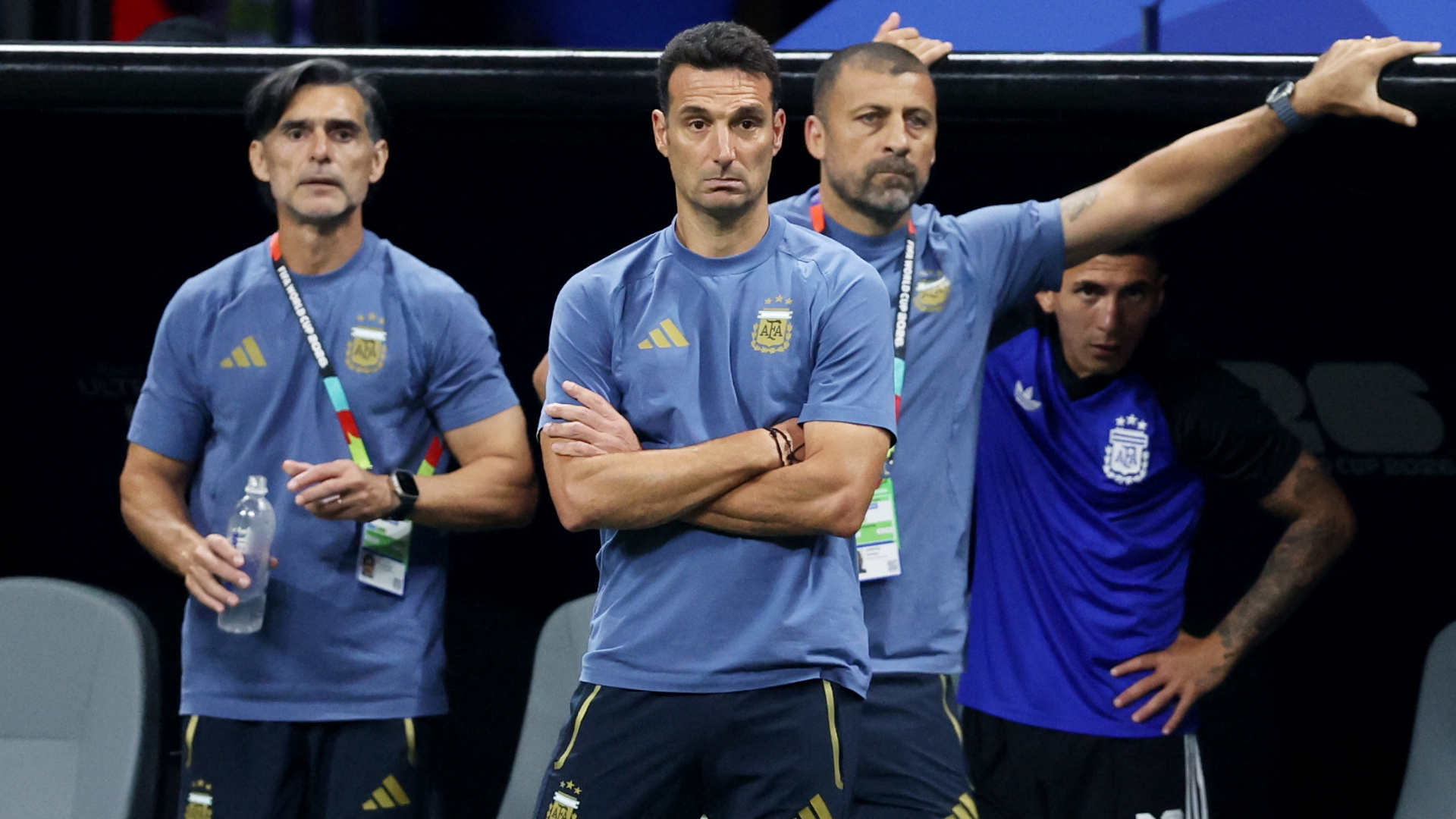
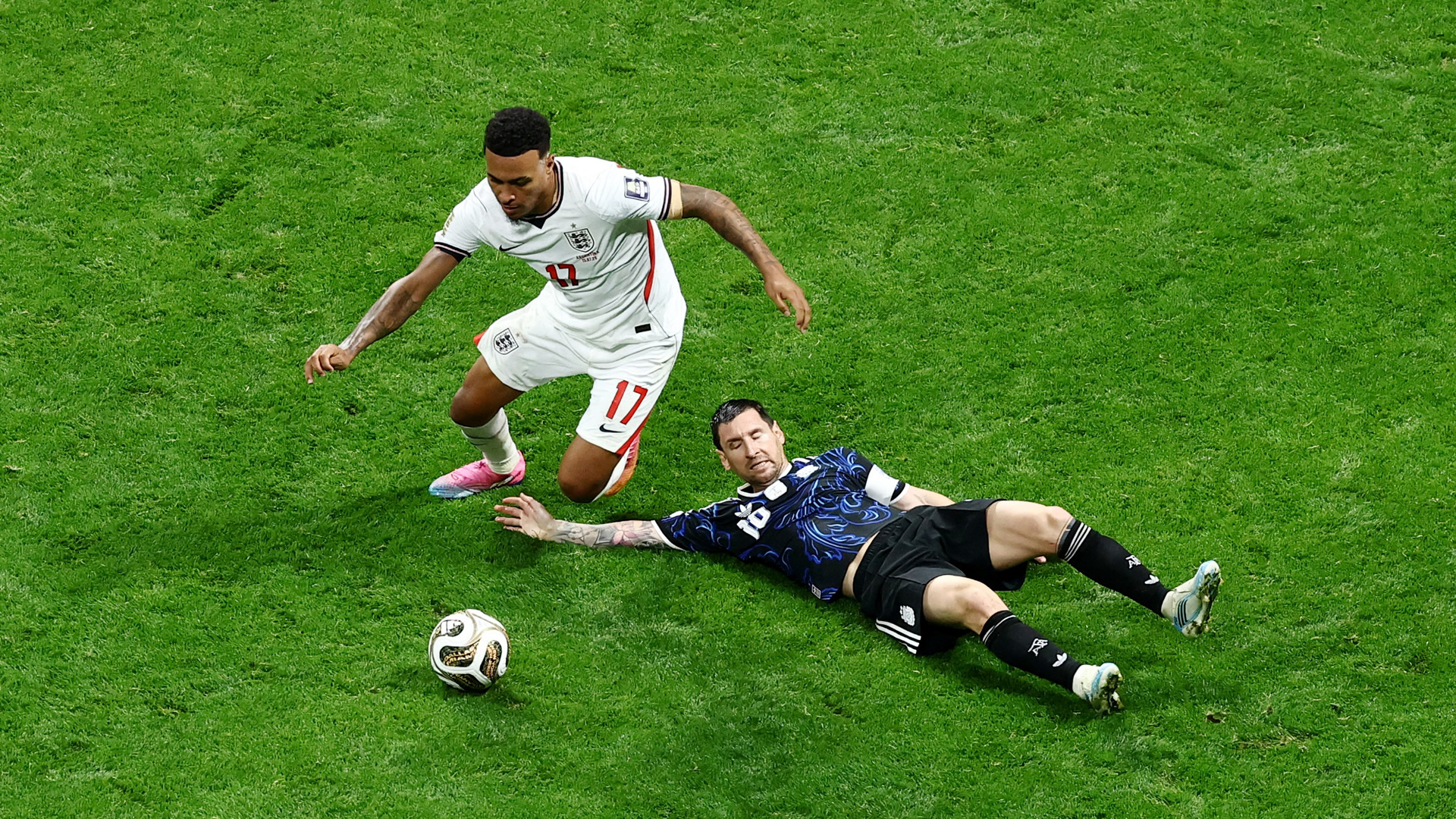
Led by Lionel Scaloni, the reigning champions secured their place in the final with a dramatic comeback victory over England, thanks in large part to another decisive performance from Lionel Messi, who played a direct role in both goals that sealed qualification.
Now, the two football powers will meet at MetLife Stadium, a venue capable of hosting more than 82,000 spectators and one of the most prestigious sporting arenas in the United States.
According to the official World Cup schedule, the final will be played on Sunday, July 19, kicking off at 3:00 p.m. ET.
Follow all the action from the FIFA World Cup 2026 on beIN SPORTS.