
Why Lamine Yamal and Pau Cubarsí Could Be Spain’s Good Luck Charms in the 2026 FIFA World Cup Final
Several historic trends and key factors are in Spain’s favor ahead of the FIFA World Cup Final against Argentina. Discover why Lamine Yamal and Pau Cubarsí could play a crucial role in La Roja’s title hopes.
FIFA World Cup finals are usually defined by established superstars, but history has repeatedly shown that youth can become a decisive factor on football’s biggest stage.
Across several editions of the tournament, the team featuring the youngest player—or players—in the final has gone on to lift the trophy. It is a trend built on freshness, fearless talent, confidence, and unforgettable moments.
Could that historical pattern give Spain an advantage over Argentina in the 2026 FIFA World Cup Final?

SPAIN'S LUCKY CHARMS
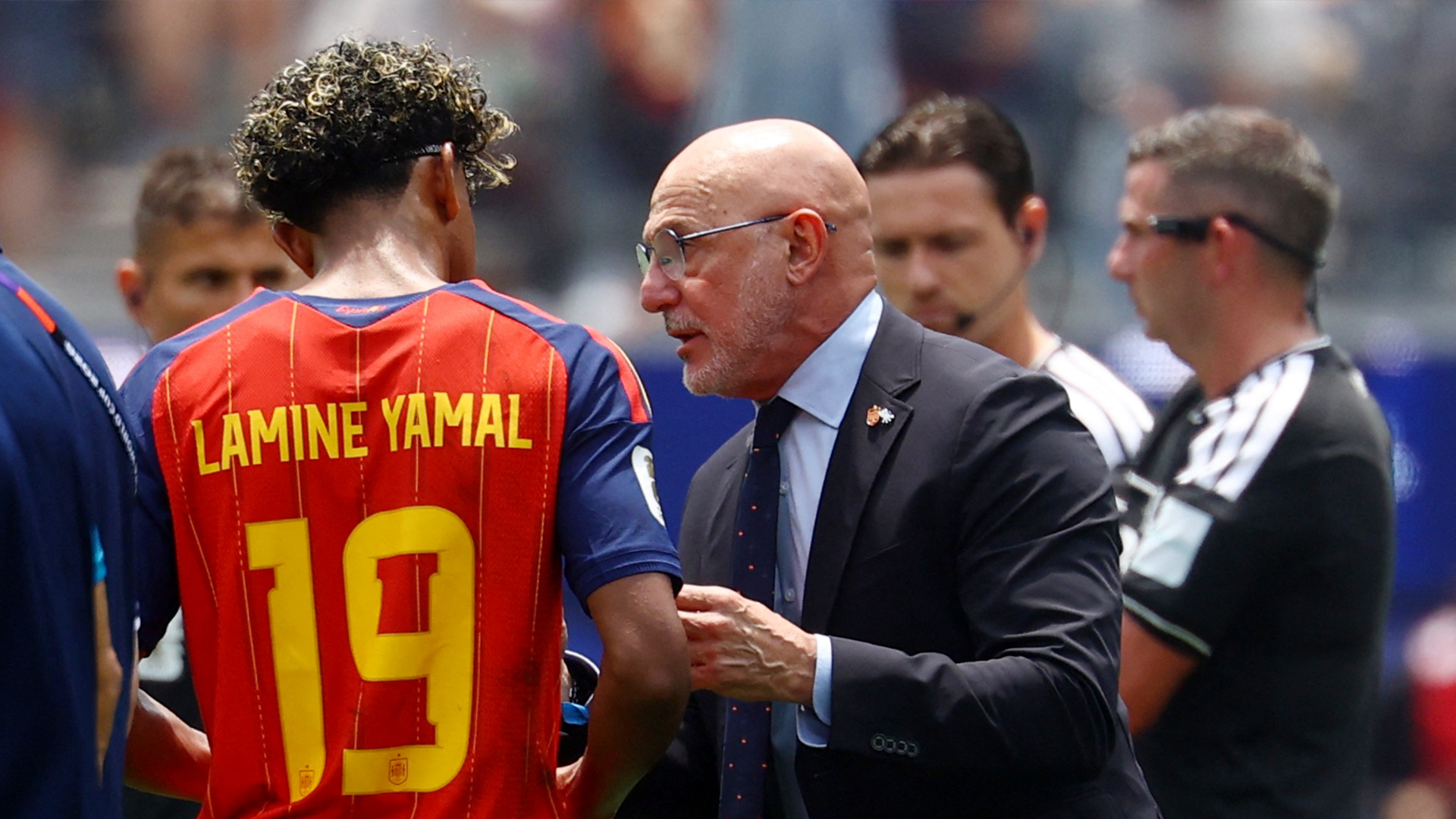
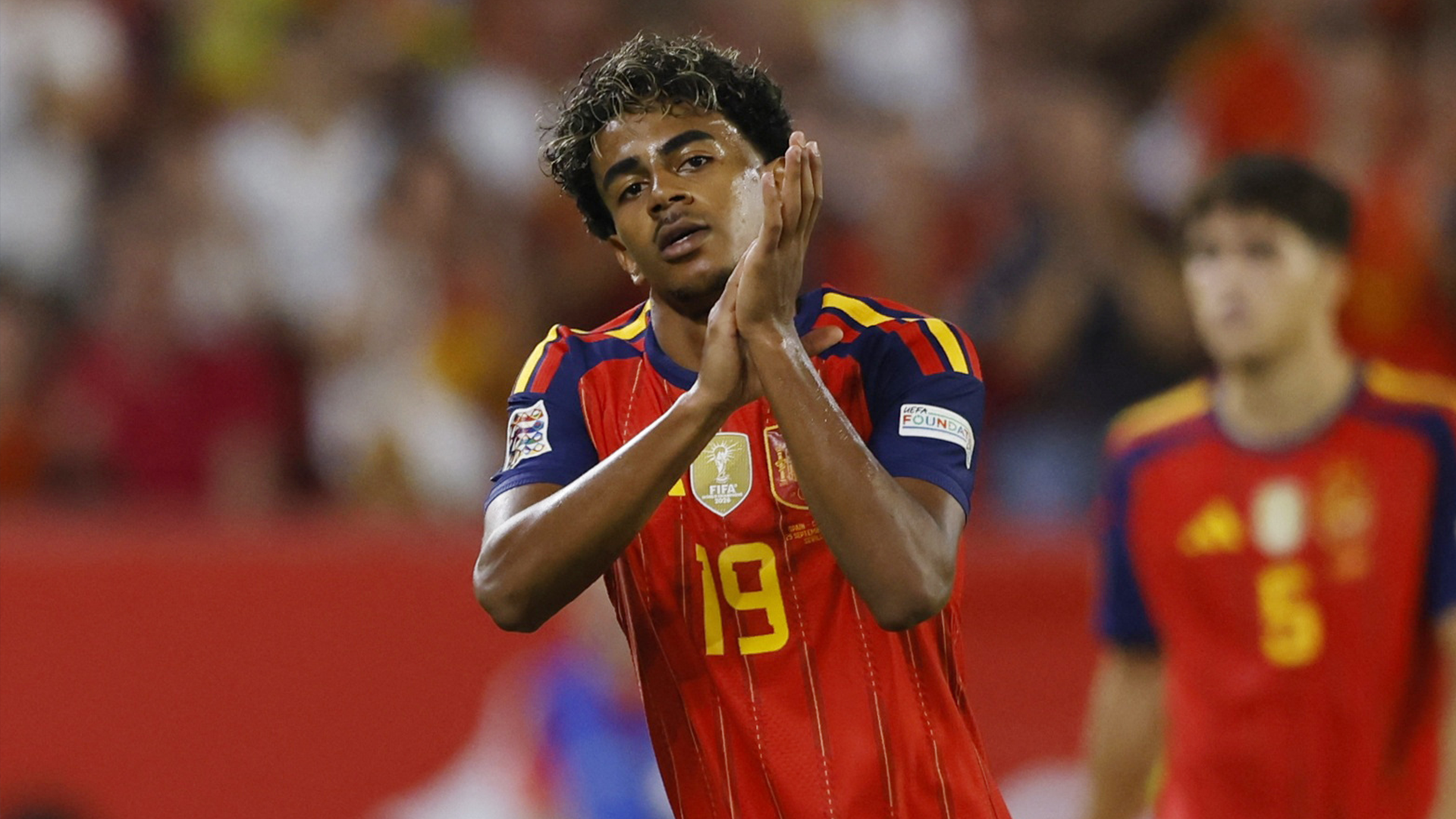
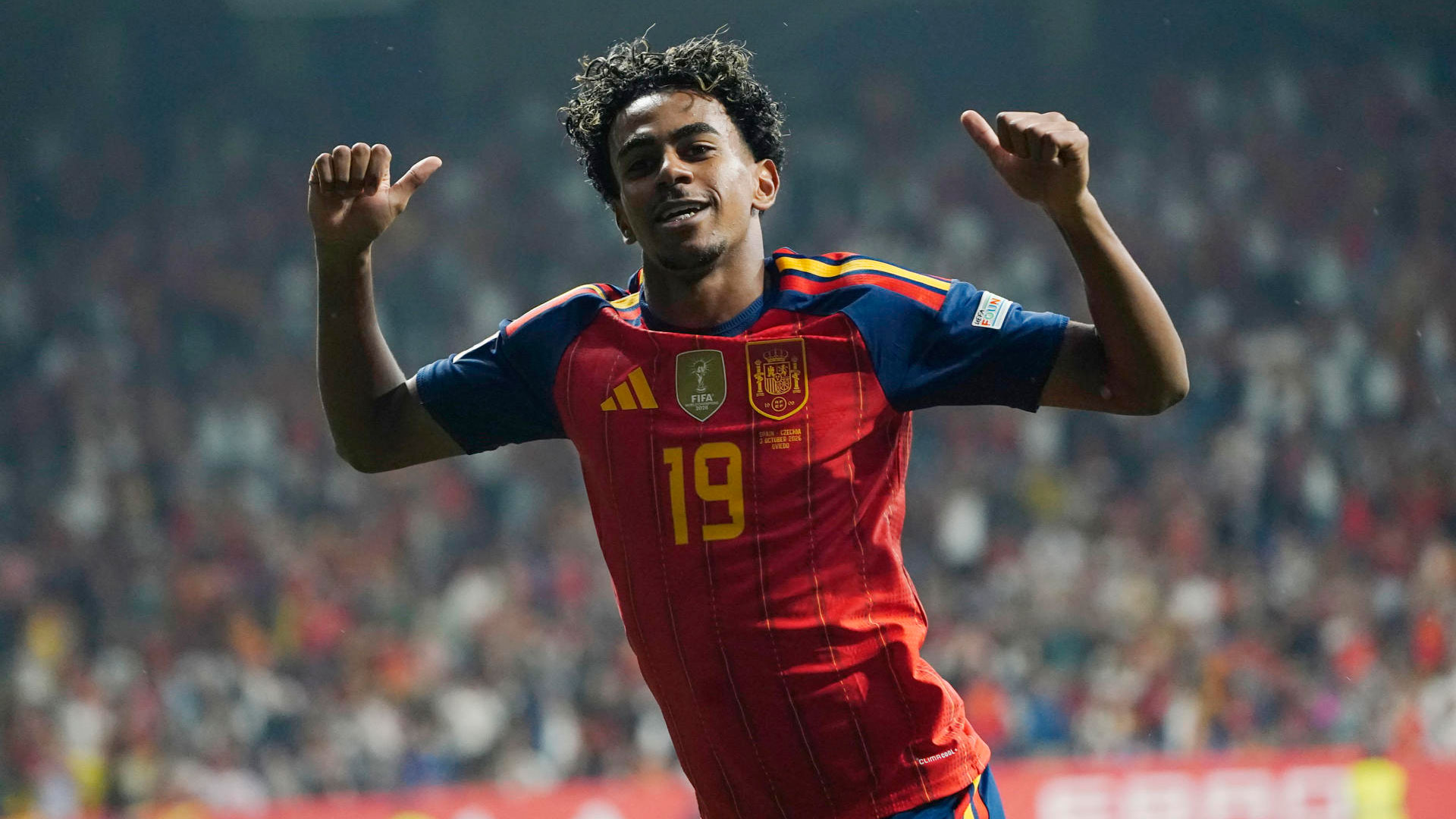
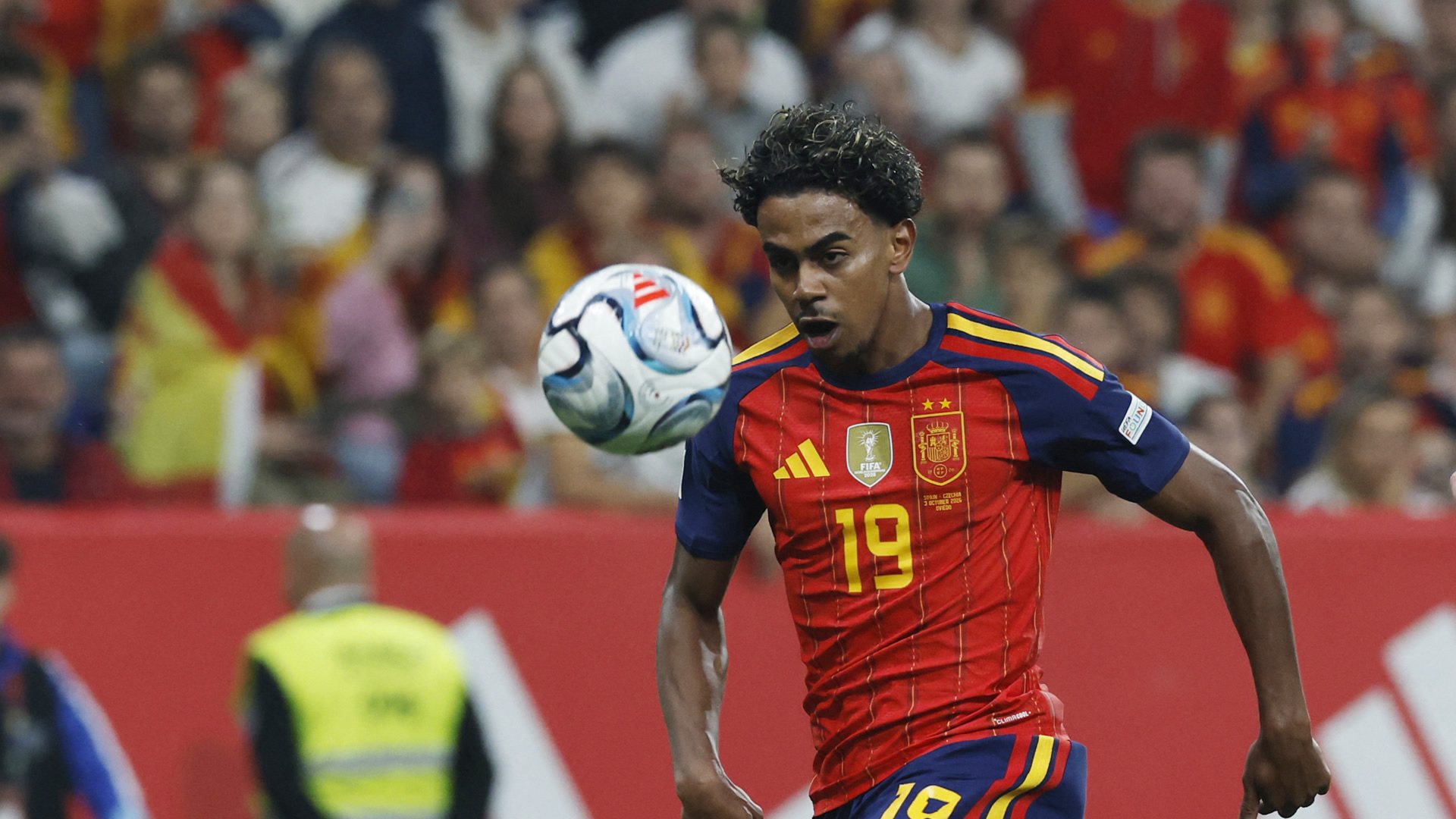
Lamine Yamal (19 years, 6 days) and Pau Cubarsí (19 years, 178 days) have entered the history books as the fourth- and fifth-youngest players ever to reach a FIFA World Cup final.
Could their presence become a problem for Lionel Messi and Argentina’s national team?
The two Spanish teenagers carry a remarkable piece of history. Every teenager who has started a FIFA World Cup final has won the title, with Pelé and Kylian Mbappé as the most famous examples.
Now, Yamal and Cubarsí have the opportunity to join that exclusive group and extend an extraordinary trend.
If Spain fails to win the World Cup, they would become the first teenage starters in history to lose a World Cup final.
Lamine Yamal arrives after winning UEFA Euro 2024 with Spain, while Pau Cubarsí won the gold medal at the Paris 2024 Olympic Games.

HISTORY FAVORS YOUTH... AND SPAIN
The most iconic example remains Pelé.
The Brazilian legend was only 17 years and 249 days old when he played the 1958 FIFA World Cup Final against Sweden.
Not only did he become the youngest player ever to appear in a World Cup final, but he also scored two goals in Brazil’s 5-2 victory, becoming a world champion.
According to World Cup final records, excluding Lamine Yamal and Pau Cubarsí, the 10 youngest players to reach a World Cup final all became champions.
At football’s highest level, youth has never been an obstacle to glory.
Will 2026 finally change that history?

YOUNGEST PLAYERS TO WIN THE FIFA WORLD CUP
- Pelé (Brazil, Sweden 1958) — 17 years, 249 days. Started the final, scored twice against Sweden, and became a world champion.
- Ronaldo Nazário (Brazil, USA 1994) — 17 years, 9 months. Won the World Cup against Italy but did not play in the final.
- Giuseppe Bergomi (Italy, Spain 1982) — 18 years, 201 days. Started the final and defeated West Germany.
- Antônio Wilson Vieira Honório "Coutinho" (Brazil, Chile 1962) — 19 years, 4 months. Part of Brazil’s championship squad, although injury prevented him from playing the final.
- Marco Antônio (Brazil, Mexico 1970) — 19 years, 4 months. Starter in Brazil’s legendary victory over Italy.
- José Altafini "Mazzola" (Brazil, Sweden 1958) — 19 years, 11 months. World champion with Brazil; remained on the bench during the final.
- Kylian Mbappé (France, Russia 2018) — 19 years, 207 days. Starter, goalscorer in the final, and world champion against Croatia.
- Rubén Morán (Uruguay, Brazil 1950) — 19 years, 344 days. Starter in Uruguay’s historic “Maracanazo” victory over Brazil.
- Felice Borel (Italy, Italy 1934) — 20 years, 66 days. Substitute in Italy’s first World Cup title.
- Kaká (Brazil, Korea/Japan 2002) — 20 years, 69 days. Unused substitute in the final against Germany.
More than a statistic, this trend represents one of the defining characteristics of great champions: the ability to trust emerging talents in the biggest moments.
In a World Cup Final, age can become just a number when a player has the ability to change football history.


ARGENTINA, EXPERIENCE ON THE OTHER SIDE
While Spain, led by the youngest player in the tournament, Lamine Yamal, enters the 2026 FIFA World Cup as the sixth-youngest squad with an average age of 26.73 years, Argentina is among the oldest teams, ranking ninth with an average age of 29.04 years.
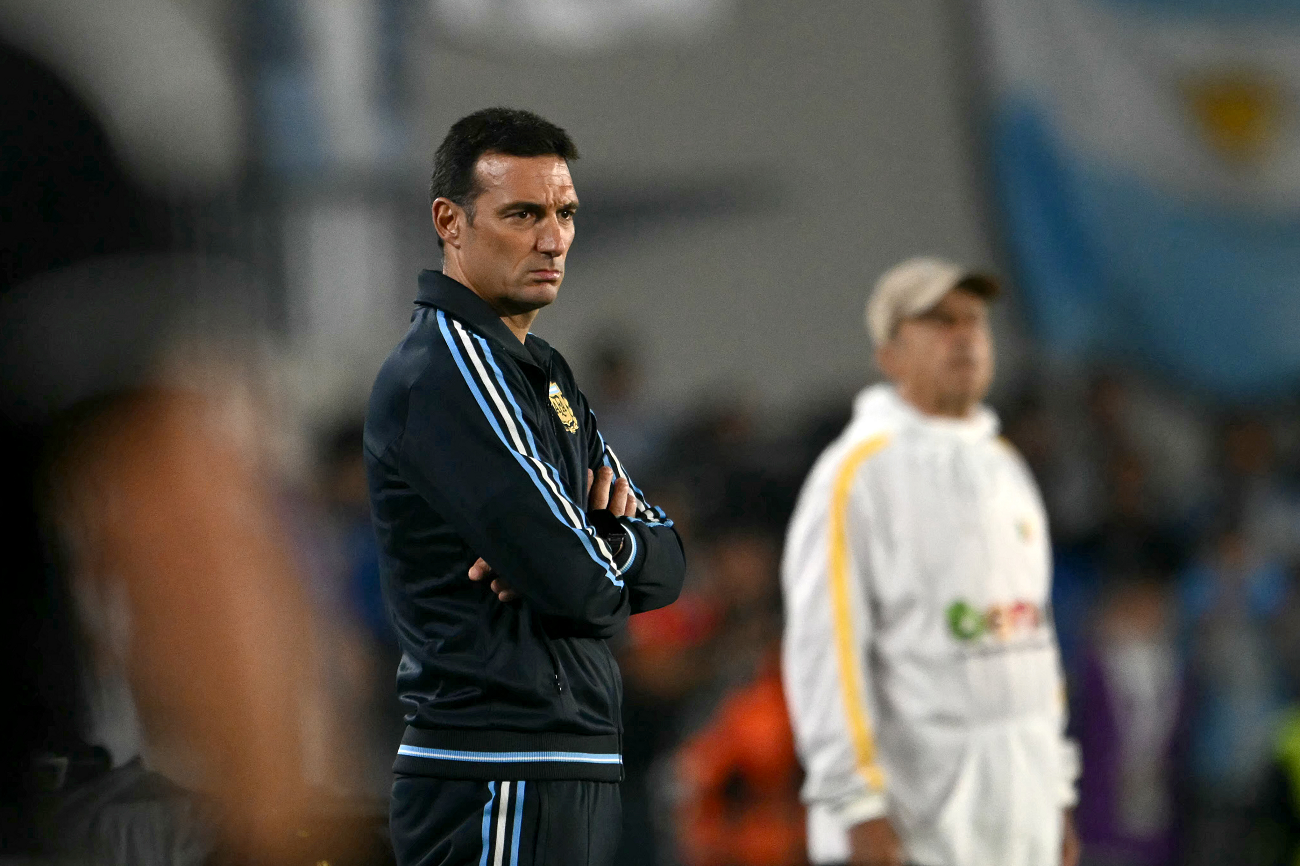
The youngest player in Lionel Scaloni’s squad is Nico Paz, at 21 years old.
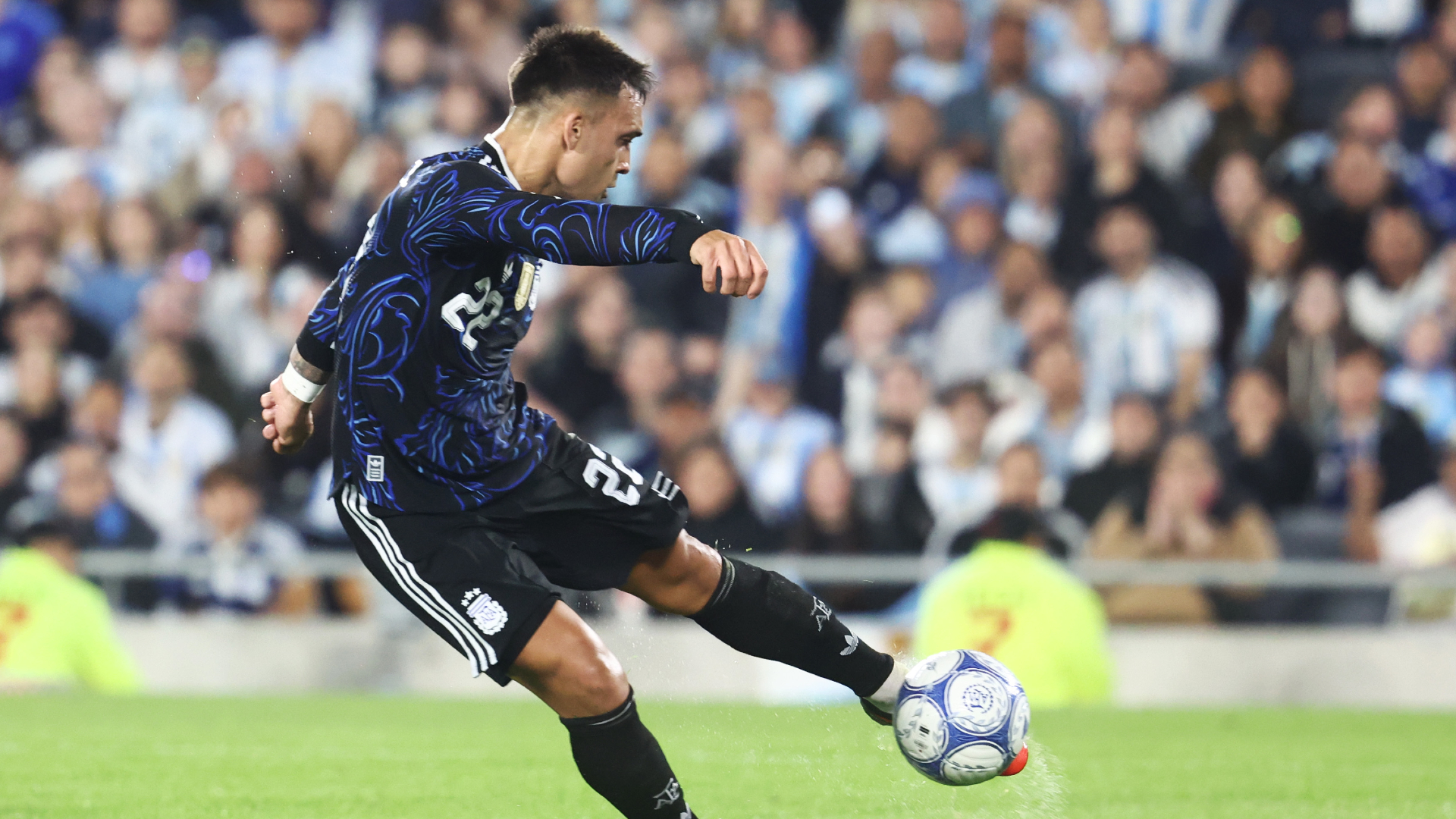
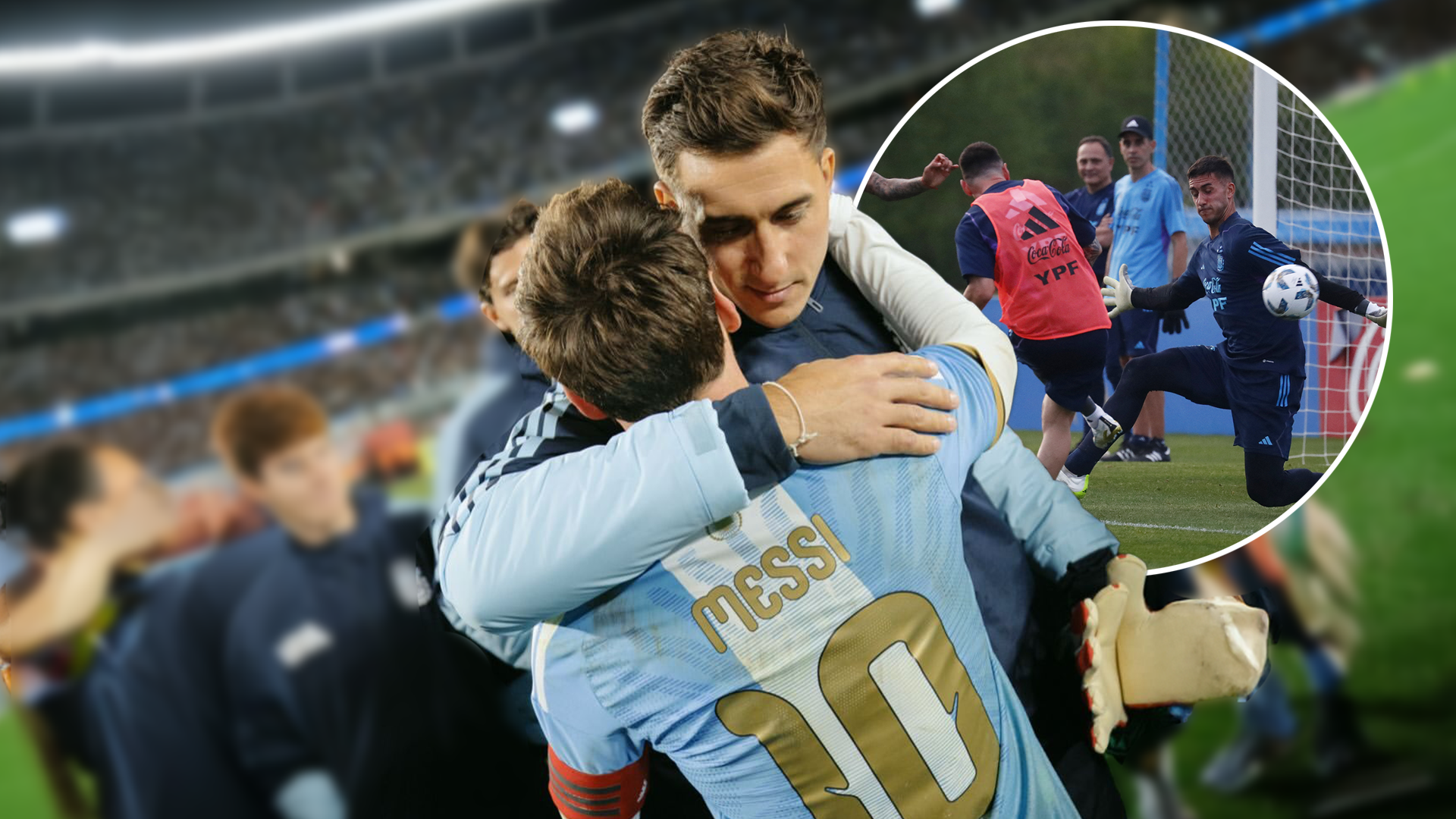
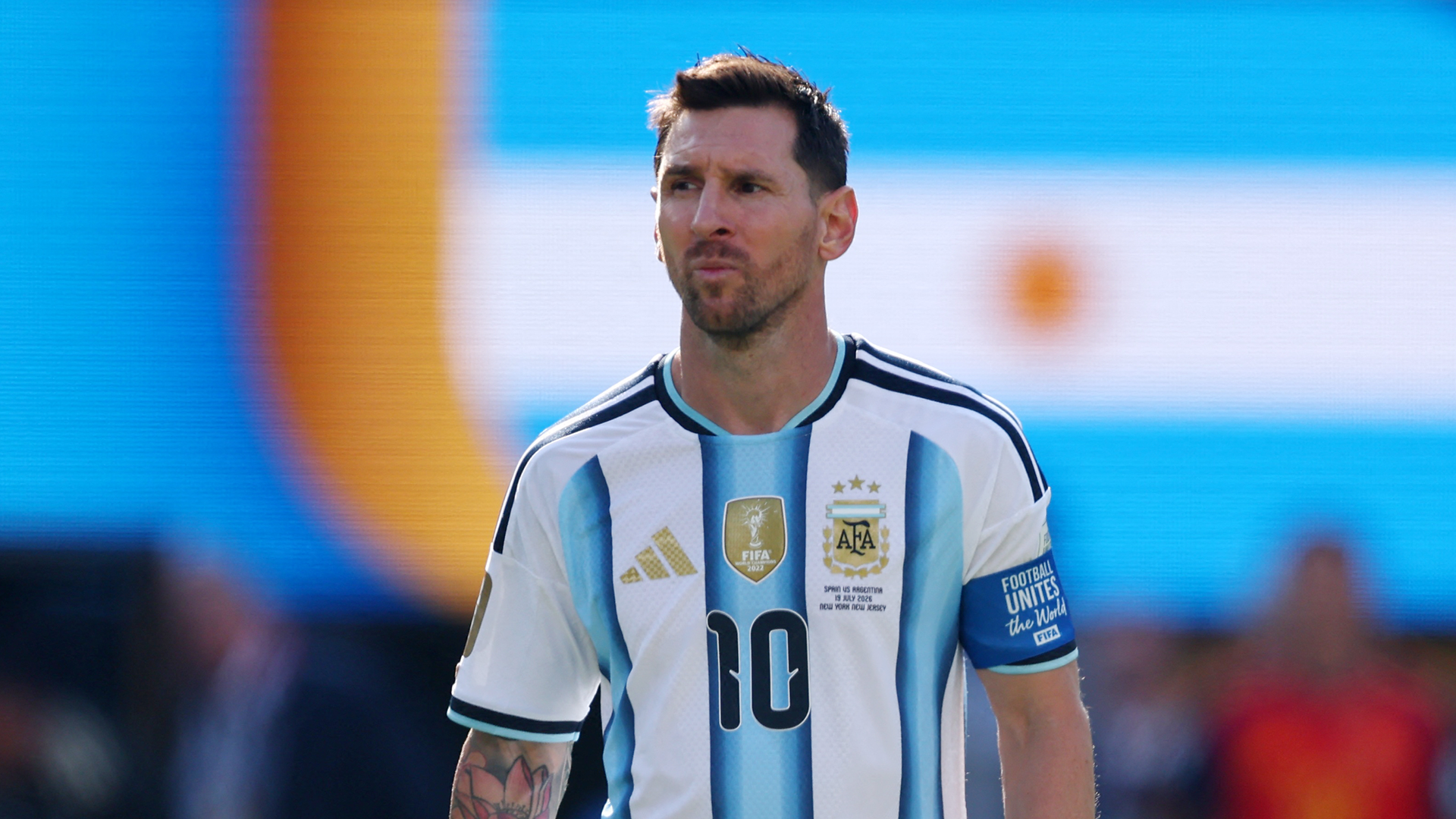
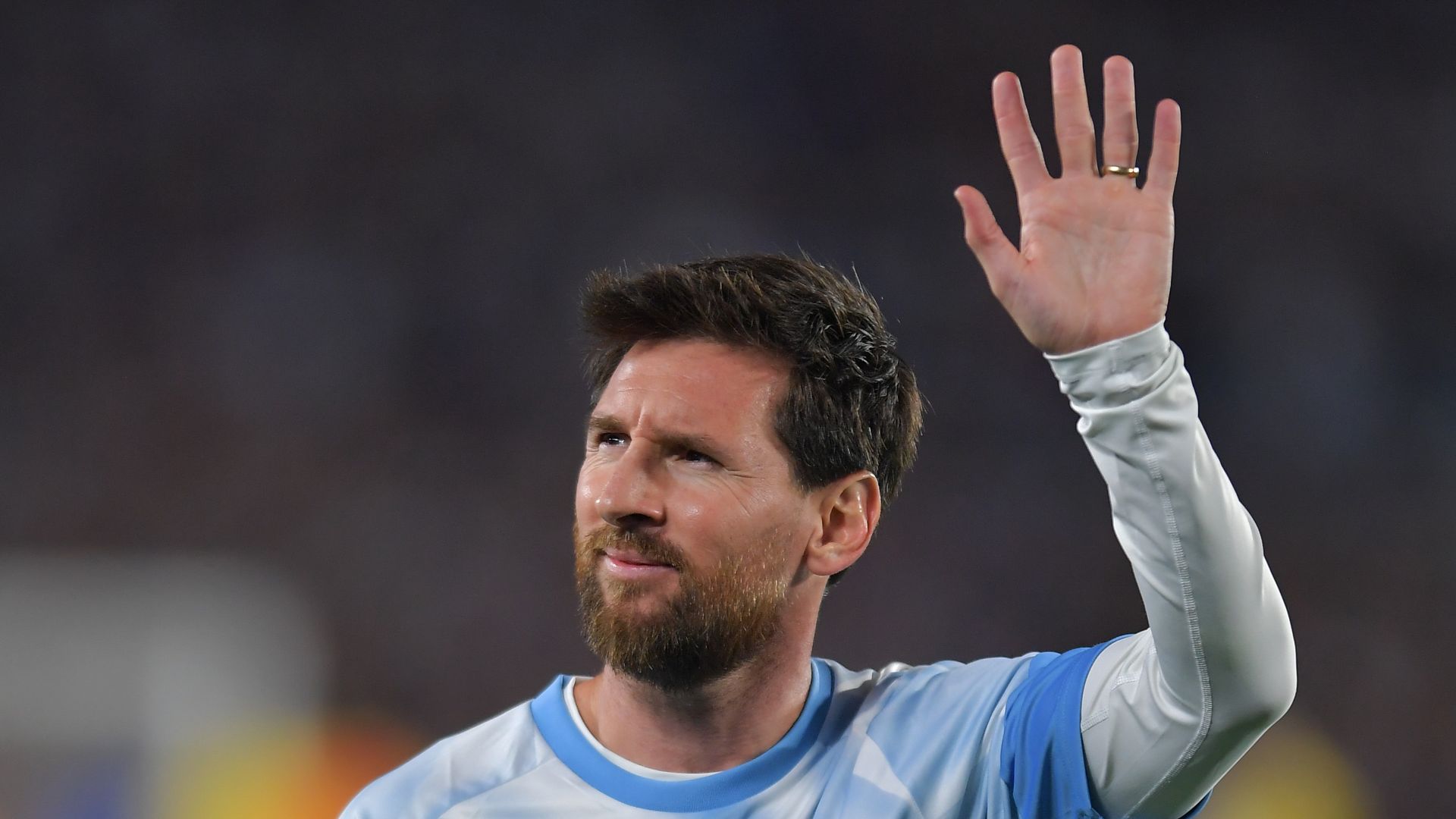
However, Argentina’s biggest weapon remains Lionel Messi.
The captain and reigning world champion is fighting for the Golden Boot as the tournament’s top scorer and continues to be the most dangerous player for La Albiceleste.
Throughout his career, Messi has rewritten FIFA World Cup history records through longevity and excellence.

Messi was 18 years, 11 months, and 22 days old when he made his World Cup debut at Germany 2006, where Argentina was eliminated by Germany in the quarterfinals.
He reached his first World Cup Final at Brazil 2014, aged 27 years and 24 days, but lost again to Germany.
His dream finally came true at Qatar 2022, when at 35 years and 177 days, Lionel Messi lifted the FIFA World Cup after defeating Kylian Mbappé’s France in one of the greatest finals ever played.
Now, at 39 years and 25 days, Messi could become the second-oldest player ever to win the World Cup, behind only Italy’s Dino Zoff, who lifted the trophy at 40 years and 133 days during Spain 1982.
If Argentina wins, it would be Messi’s second World Cup title.
Can Spain’s teenage sensations Lamine Yamal and Pau Cubarsí stop Lionel Messi and Argentina from creating more history?
Or will experience overcome youth in the biggest game in world football?








Lamine Yamal Nasraoui Ebana
Spain
Pau Cubarsí Paredes
Spain

Lionel Andrés Messi Cuccittini
Argentina