
Why did the World Cup Golden Ball end up in Rodri’s hands?
The selection of the World Cup’s best player sparked an immediate debate. While the statistics appeared to point clearly toward one candidate, FIFA considered other factors that ultimately tipped the balance.
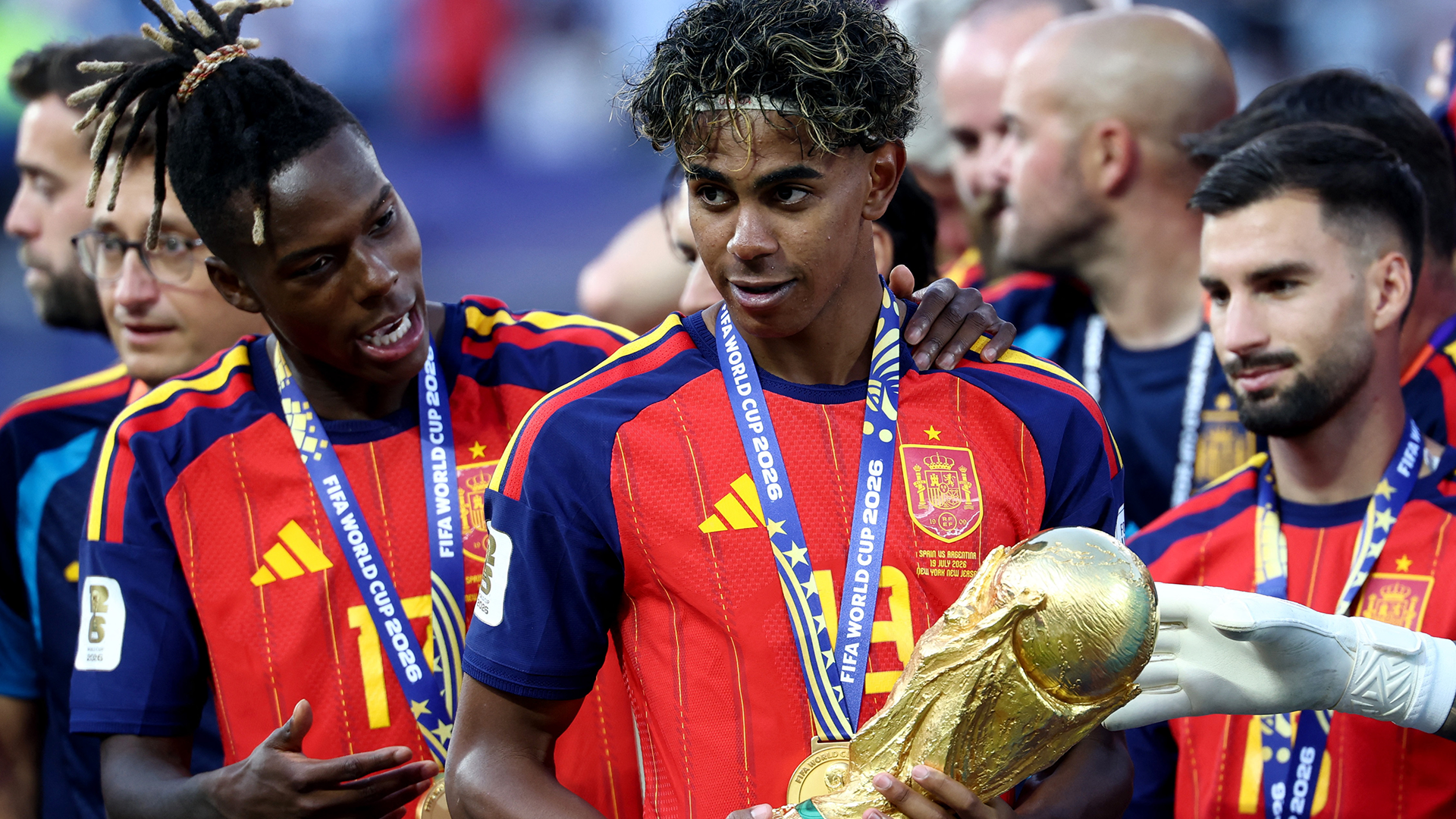
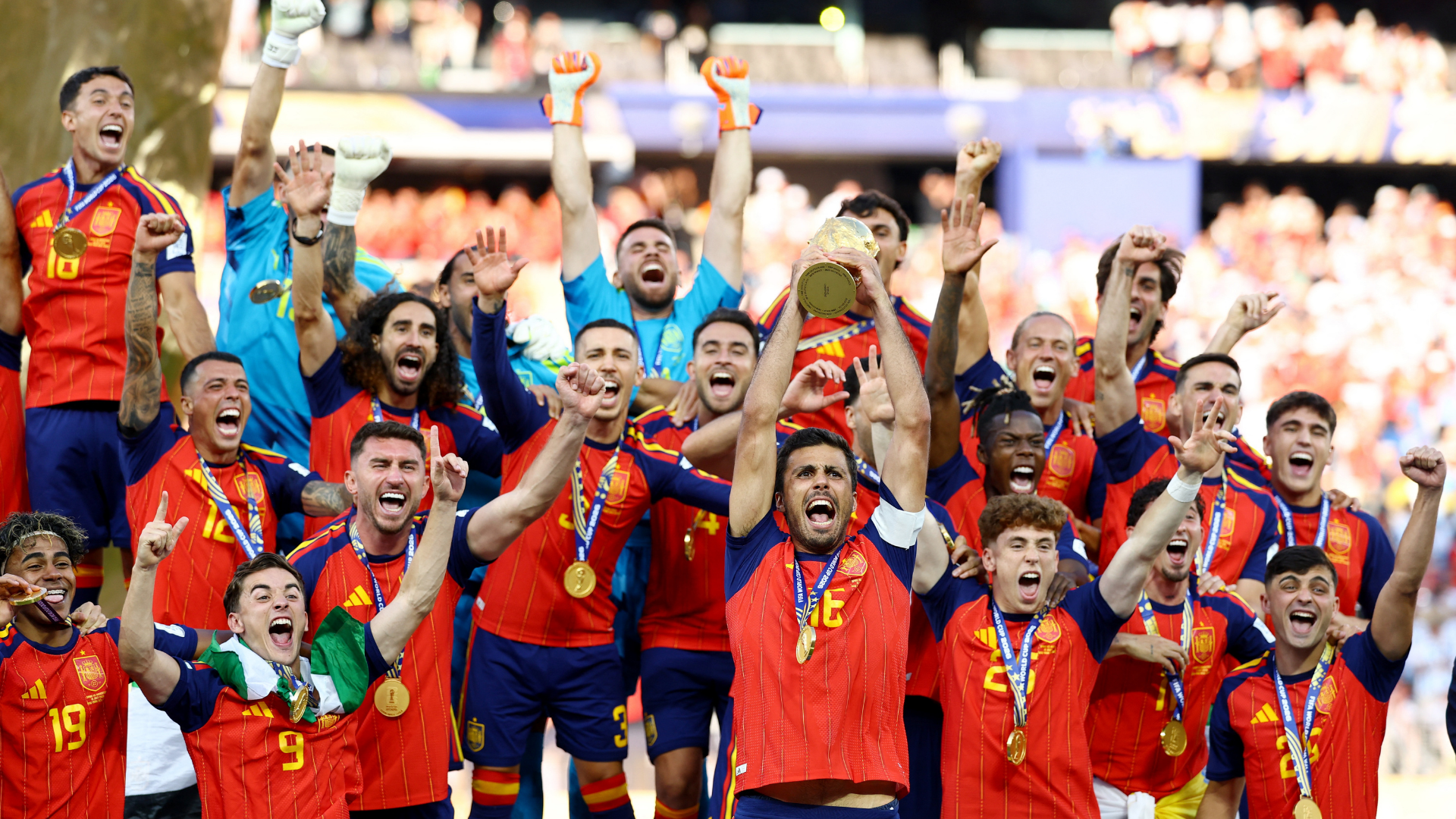
The selection of Rodri Hernández as the winner of the 2026 FIFA World Cup Golden Ball sparked intense debate after Spain lifted the trophy against Argentina.
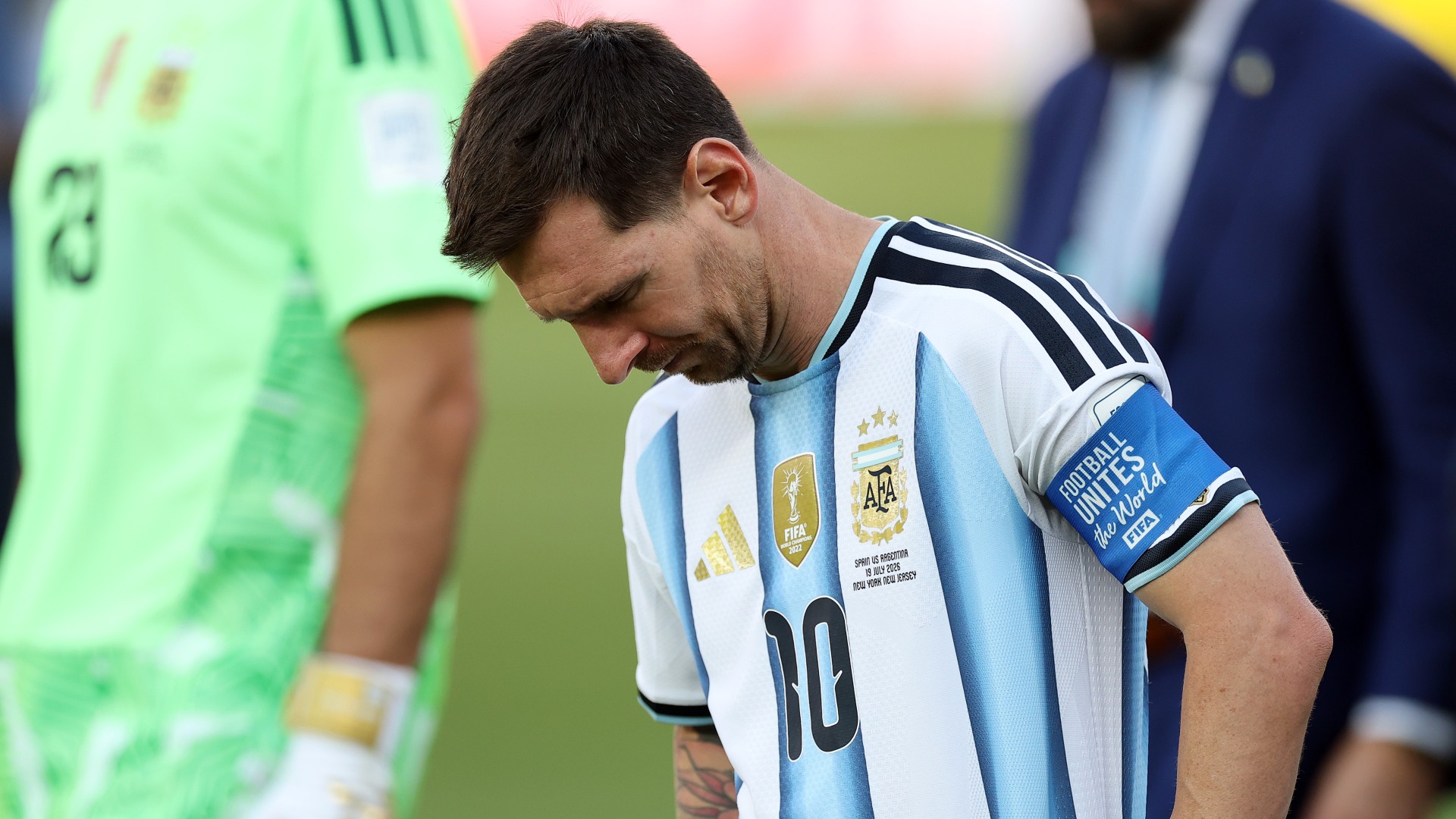
Lionel Messi had finished the tournament with extraordinary attacking numbers and was one of La Albiceleste’s leading figures on their journey to the final. However, the award for the tournament’s best player ultimately went to the captain of the champions.
The champion’s midfield mastermind
Rodri was responsible for organizing the midfield of a Spain team that managed to impose its style against some of the strongest opponents in the tournament.
His importance was not reflected in goals or assists, but rather in his ability to maintain possession, regain control during difficult moments and allow Spain to play on their own terms.
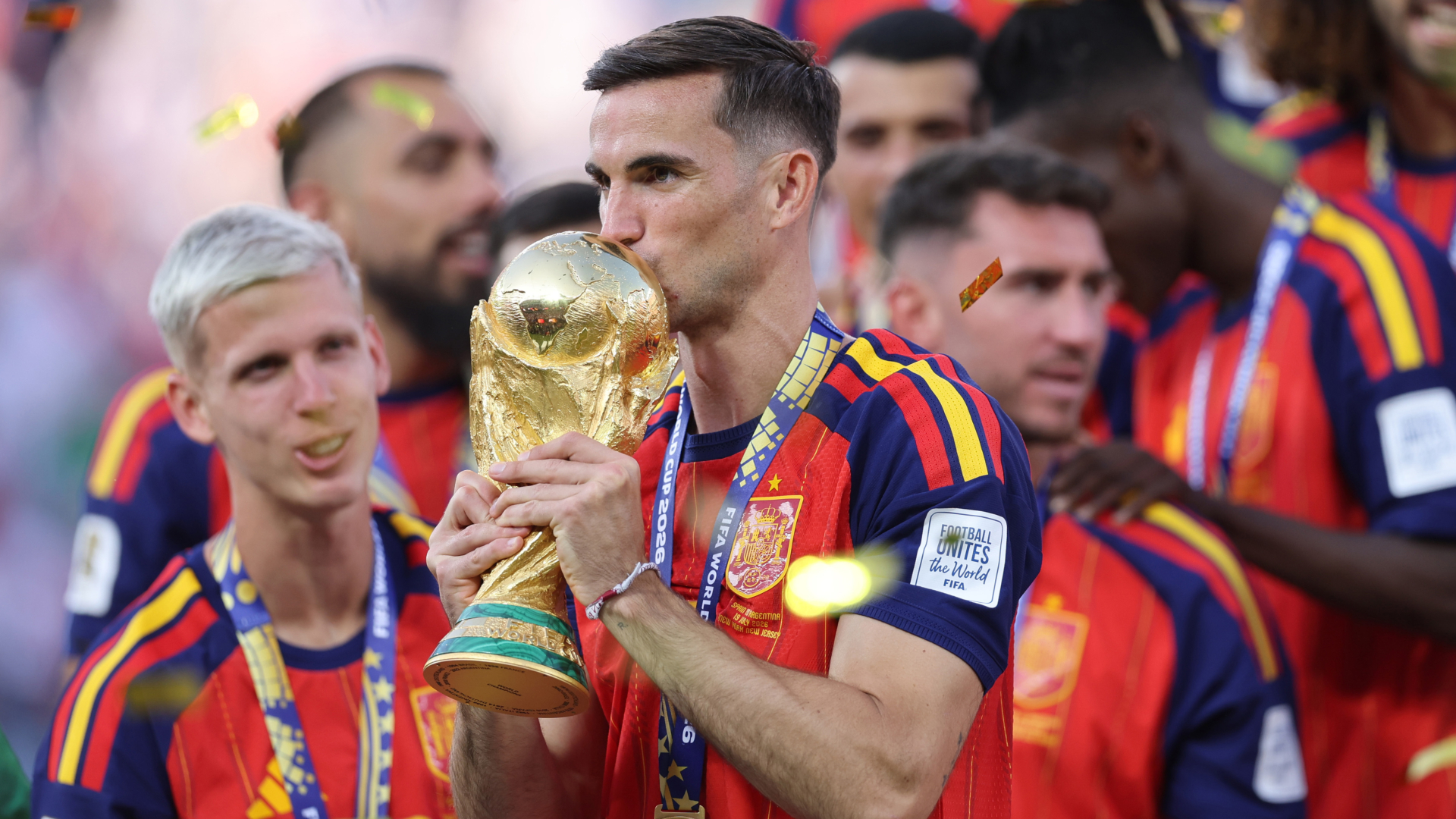
Furthermore, wearing the captain’s armband and lifting the trophy following the victory over Argentina strengthened his candidacy.

A record that supports his selection
One of the strongest arguments in Rodri’s favor was his passing accuracy and volume.
The midfielder completed around 650 passes during the World Cup, the highest total ever recorded by a player in a single edition of the tournament, while finishing with an accuracy rate of nearly 93%.
He also led the competition in completed passes in the final third, with approximately 170, surpassing previous records set by midfielders such as Xavi Hernández at South Africa 2010.
The numbers supporting Messi
The controversy mainly arose because Lionel Messi’s individual statistics were considerably better in attacking areas.
The Argentine finished the tournament with eight goals and four assists, while also completing 28 dribbles and winning five Player of the Match awards.
Rodri, meanwhile, did not score or provide an assist, completed three dribbles and received one Player of the Match award. Messi also earned an average rating of 8.82, compared to the Spaniard’s 7.30, according to data compiled by Sports Illustrated.
The Argentine captain was instrumental in helping his team reach the final, producing outstanding performances from the group stage through the knockout rounds.
Two different ways of dominating a World Cup
Directly comparing Rodri and Messi is difficult because they performed completely different roles.
Messi was the most decisive player near the opposition’s goal, while Rodri was responsible for building the champions’ collective play from midfield.
The final decision appears to have rewarded the Spaniard’s consistency, his leadership as captain, his influence on Spain’s style of play and the significance of winning the World Cup.