

- Home >
- Soccer >
- FIFA World Cup >
- Who benefits from the Mexico vs. England World Cup kickoff potential change?
Who benefits from the Mexico vs. England World Cup kickoff potential change?
FIFA is expected to move the Round of 16 clash in Mexico City to an earlier kickoff because of severe weather concerns.
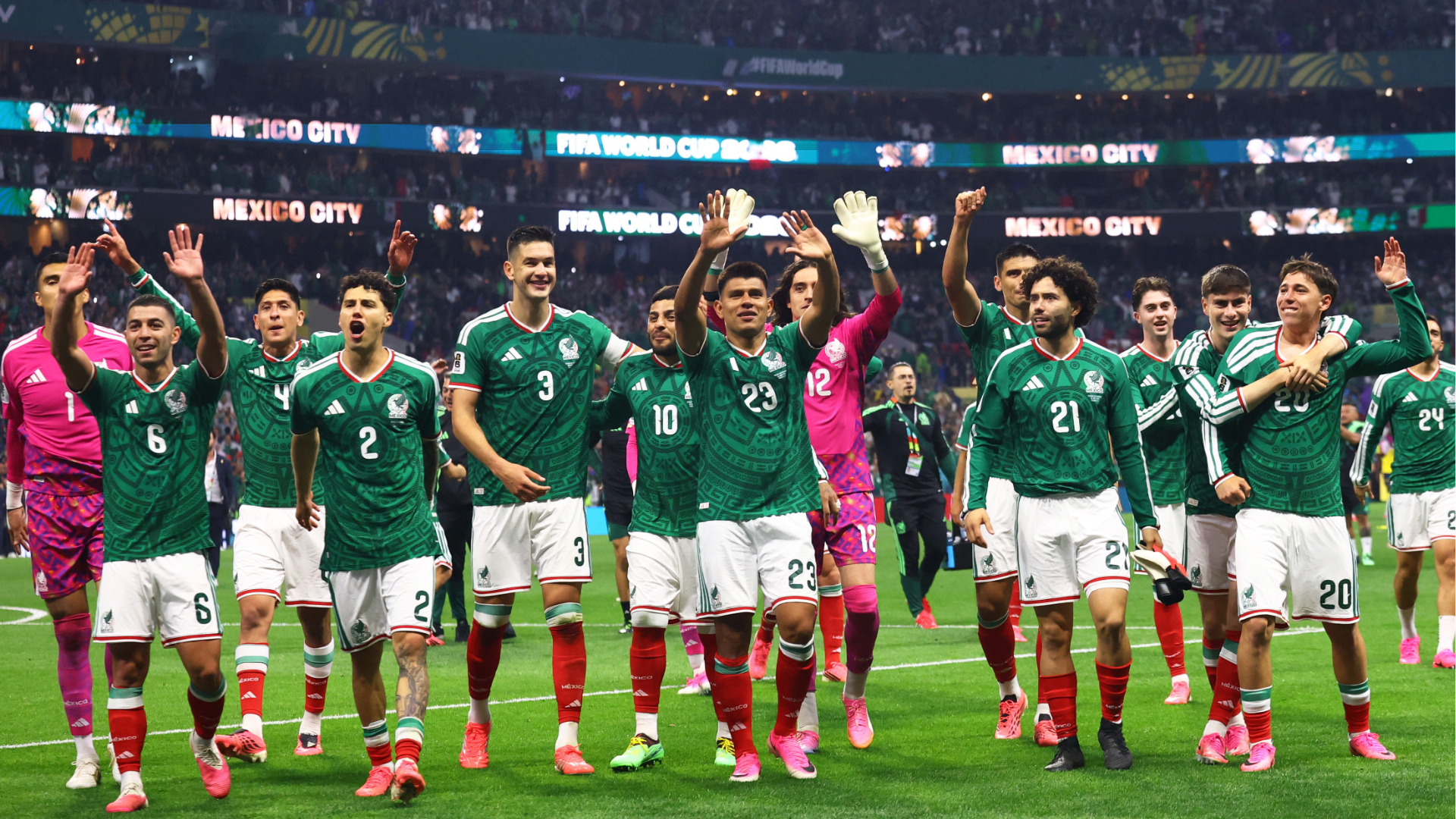
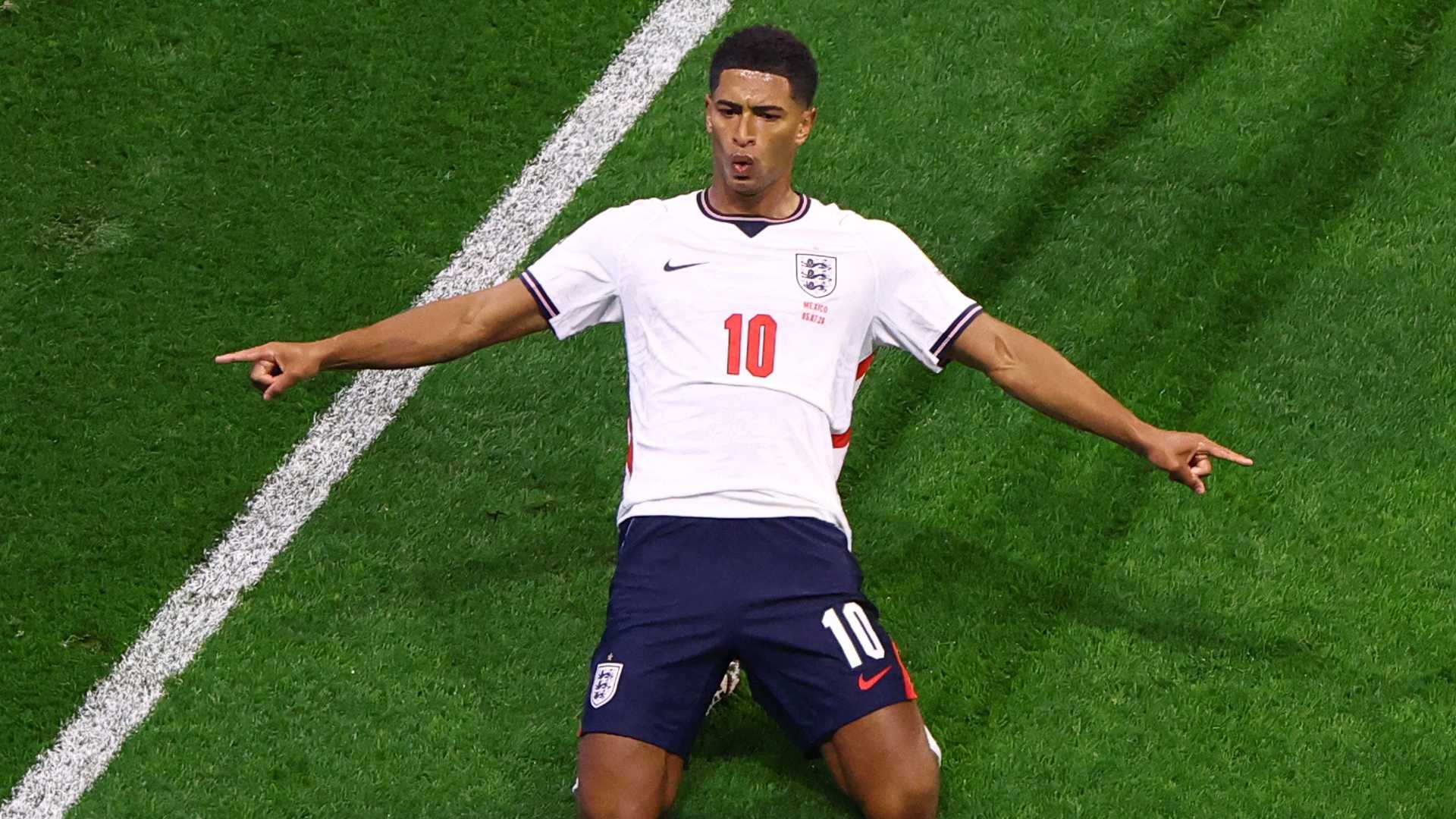
Although FIFA has yet to make it official, Mexico’s Round of 16 World Cup clash against England at Estadio Azteca in Mexico City is expected to be moved from an 8:00 p.m. ET kickoff (6:00 p.m. local time) to 2:00 p.m. ET (12:00 p.m. local time). So, who benefits from the change?

WEATHER CONCERNS
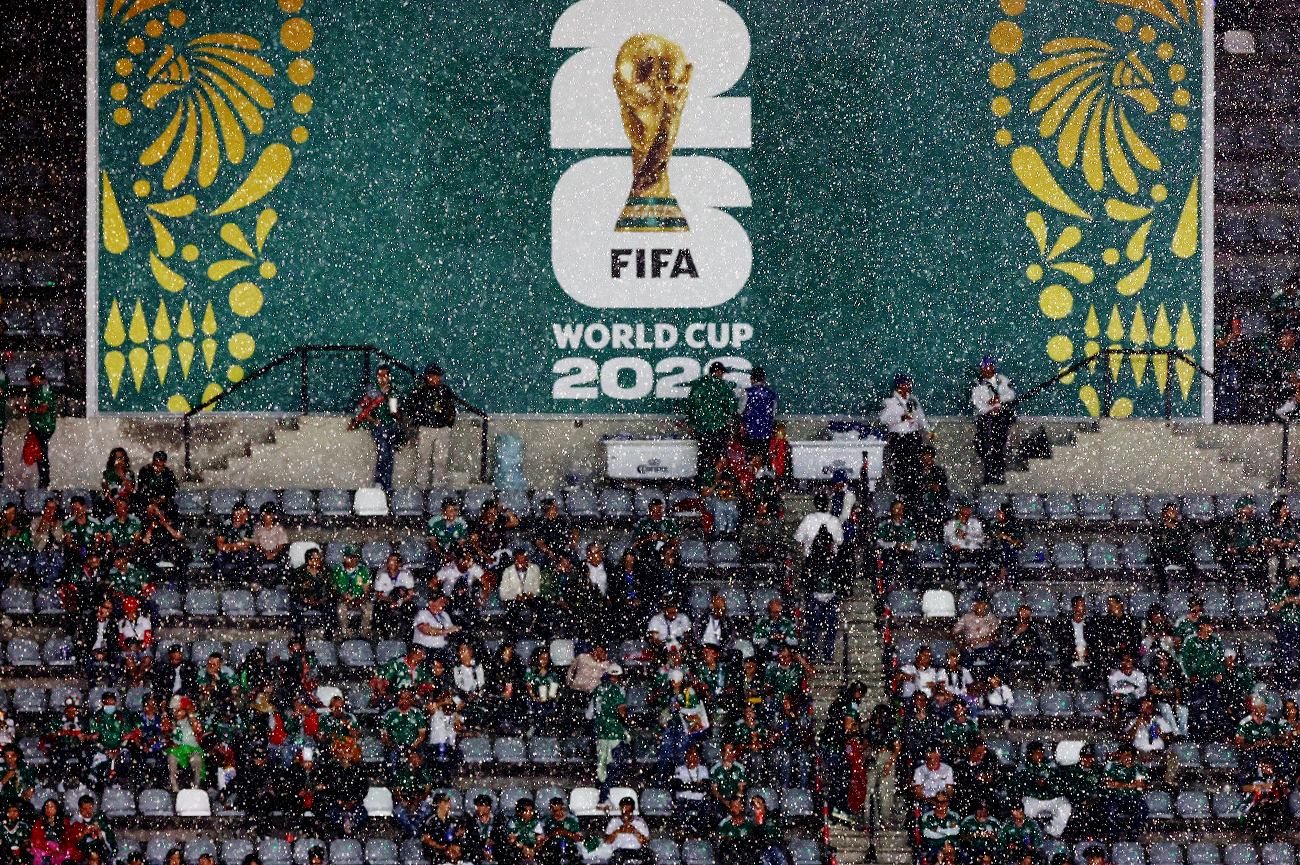
The main reason behind the decision is the threat of thunderstorms, which previously forced Mexico’s Round of 32 match against Ecuador at the same venue last Tuesday, June 30, to be delayed by an hour, kicking off at 10:00 p.m. ET (8:00 p.m. local time) instead of 9:00 p.m. ET (7:00 p.m. local time).
Mexico's National Meteorological Service is forecasting cloudy skies, scattered showers, heavy rainfall (25-50 mm), thunderstorms and possible hail across Mexico City on Sunday afternoon.
Under FIFA's lightning protocol, play is suspended for 30 minutes after every lightning strike within a 13-kilometer (8-mile) radius of the stadium. If storms persist, kickoff could be delayed for hours and, in an extreme scenario, the match could even be postponed.

Who does that favor?
Both teams. However, England’s players—many of whom compete in Europe—are generally more accustomed to these kinds of weather conditions, although thunderstorms are difficult for any side regardless of experience.
Mexican authorities are forecasting partly cloudy skies and cool conditions in the morning, suggesting a lower risk of rain and thunderstorms at a 2:00 p.m. ET kickoff compared to an 8:00 p.m. start.
There is even talk of sunny conditions with temperatures between 24 and 26°C (75–79°F), which on paper could slightly favor Mexico given its familiarity with the climate. However, direct sunlight is a factor that affects all players, regardless of where they come from.
Still, the most likely scenario is a mild midday climate in Mexico City, with a slight chance of rain and lightning.
THE SCHEDULING ISSUE
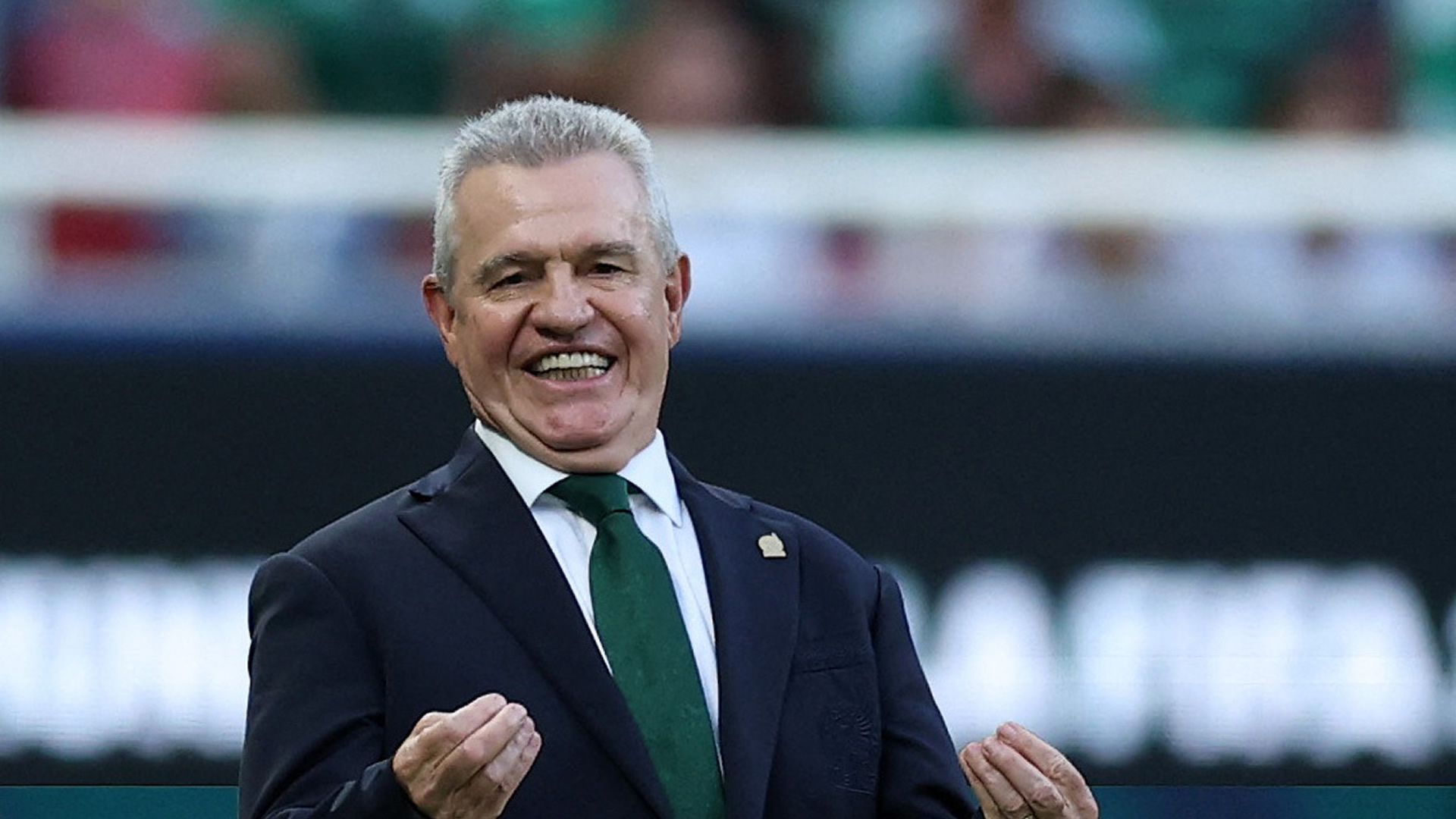
Mexico head coach Javier Aguirre was the first to reveal the schedule change and made no attempt to hide his frustration.
His biggest concern is that moving kickoff forward by six hours completely alters the team's recovery plan, nutrition schedule and medical treatment on matchday.
England could face similar logistical challenges.
The Three Lions must travel from Atlanta to Mexico City, a flight of roughly four hours, plus airport transfers on both ends. Any weather-related travel delays—like the ones Ecuador experienced earlier in the tournament—could further complicate preparations.
FANS ALSO FACE CHALLENGES
The earlier kickoff creates headaches for supporters as well.
Fans typically arrive at the stadium at least two hours before kickoff, meaning thousands will need to adjust travel plans, work schedules and transportation at the last minute.
The challenge may be even greater for England supporters traveling from overseas or from host cities across the United States, many of whom are unfamiliar with Mexico City's transportation and logistics.
EUROPEAN VIEWERS ARE THE BIGGEST WINNERS
If anyone truly benefits from the earlier kickoff, it may be television audiences in Europe.
A 2:00 p.m. ET start translates to 7:00 p.m. in London, a prime-time slot that allows millions of fans across Europe to watch live.
Had the match remained at 8:00 p.m. ET, kickoff in the United Kingdom would have been 1:00 a.m. Monday, dramatically reducing the television audience.
It's no coincidence that the World Cup final is also scheduled for an afternoon kickoff in the United States to maximize global viewership.
MEXICO'S ALTITUDE ADVANTAGE
Beyond the kickoff time, Mexico may hold another important edge: altitude.
Mexico City sits approximately 7,350 feet (2,240 meters) above sea level, one of the highest elevations among World Cup host cities.
England's players have spent the tournament in cities such as Atlanta, Arlington, Foxborough and East Rutherford, all located at much lower elevations.
The thinner air in Mexico City can contribute to quicker fatigue for players who are not acclimated, something Mexico's squad is naturally more familiar with.
HOME-FIELD ADVANTAGE

Mexico may also enjoy a psychological edge.
Playing in front of what is expected to be a heavily pro-Mexico crowd gives El Tri an additional boost.
That said, many players prefer evening kickoffs, when temperatures are cooler and the atmosphere inside the stadium is at its peak—one of the reasons why most of soccer's biggest club finals, including the UEFA Champions League final, are traditionally played at night.
Follow all the action from the 2026 FIFA World Cup on beIN SPORTS
Watch beIN SPORTS Xtra live for free on YouTube
















Javier Aguirre Onaindía
Mexico