
Who Are the Youngest Debutants in FIFA World Cup History?
The FIFA World Cup has seen teenage footballers compete under enormous pressure. From Pelé to Samuel Eto’o, we revisit the youngest debutants in World Cup history and the stories behind their early breakthroughs.
When Age Stops Mattering at the World Cup
The FIFA World Cup is the stage where careers change forever. Some footballers wait years to experience it, others need to establish themselves at elite clubs before earning a chance, and many never get to hear their national anthem at the biggest tournament on the planet. Yet, a select few arrived while still teenagers.
Among all those names, one record has stood untouched for decades. According to historical World Cup records, the youngest debutant remains Norman Whiteside, who appeared for Northern Ireland at Spain 1982 at just 17 years, one month, and 10 days old.
The striker had already generated major expectations in English football thanks to his early rise at Manchester United, where he was even compared to George Best. During that World Cup, he did more than simply debut — he played five matches and helped his nation enjoy a historic run.
Pelé: The Teenager Who Changed Football Forever
Before Norman Whiteside broke the record, the name that seemed impossible to surpass was Pelé, one of the greatest figures in sports history.
At Sweden 1958, the Brazilian made his World Cup debut at just 17 years, seven months, and 23 days old, despite arriving at the tournament surrounded by concerns over physical issues. What followed became one of the greatest stories ever told in World Cup history.
With a mix of personality, talent, and composure far beyond his age, Pelé transformed the fate of Brazil and amazed the world. His goals in decisive matches helped deliver the Seleção’s first-ever World Cup title and marked the birth of a global icon.
Samuel Eto’o, Femi Opabunmi, and Other Early Talents
The list of young debutants does not end with Pelé or Whiteside. Over the decades, several national teams trusted teenage talents, especially countries looking to accelerate rebuilding processes.
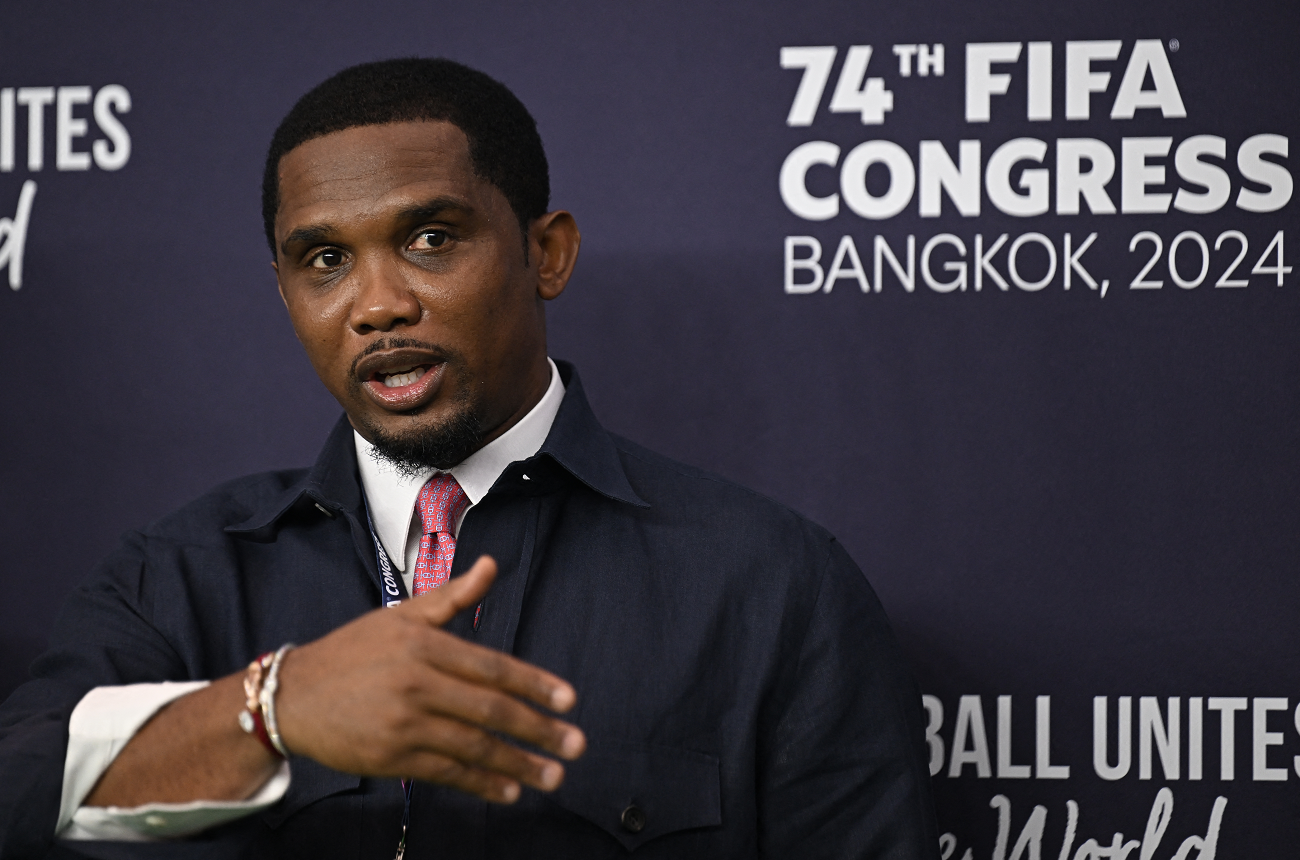
One of the standout examples was Samuel Eto’o, who debuted for Cameroon at France 1998 at 17 years, three months, and seven days old. Though he was only beginning his international journey, the striker eventually built a historic career, becoming one of Africa’s most successful forwards.
Another notable case is Femi Opabunmi, who played at the 2002 Korea-Japan World Cup with Nigeria while still a teenager. His breakthrough seemed to signal a bright future, though his career was later impacted by severe vision-related health issues.
The conversation also includes Salomón Olembé, another Cameroonian player who featured at France 1998, emerging as one of his generation’s promising talents.
The Next Teenager to Enter History
New generations debut earlier than ever at elite clubs, but playing in a World Cup remains different. Pressure, physical demands, and experience continue to heavily influence coaching decisions.
Looking ahead, several young names are already generating excitement around the world. In Mexico, talents such as Gilberto Mora have begun entering conversations ahead of 2026, although still far from the historic records held by names like Whiteside, Pelé, or Eto’o.