
The Tragedy of Andrés Escobar After the Own Goal at USA 1994
The own goal by Andrés Escobar against the United States at the 1994 World Cup became one of football’s most painful episodes. Days later, the Colombia defender was murdered in Medellín.
The 1994 FIFA World Cup left one of the saddest stories in football history. Colombia arrived in the United States with a talented generation led by names such as Carlos Valderrama, Faustino Asprilla, Freddy Rincón, and Andrés Escobar, but the tournament ended as both a sporting and human tragedy.
The team coached by Francisco Maturana had created huge expectations after an impressive qualifying campaign, including the historic 5-0 win over Argentina in Buenos Aires. Many saw the Colombian national team as a potential contender, but the World Cup started in the worst possible way with a defeat to Romania.
The Own Goal That Changed Everything
The second match, against the United States, became the moment that would forever define that campaign. In the first half, Andrés Escobar tried to cut out a cross into the box but ended up sending the ball into his own net.
That own goal opened the door to Colombia’s 2-1 defeat, leaving the team virtually eliminated from the tournament. Although Colombia later beat Switzerland, the result was not enough to prevent an early exit that deeply hurt a country expecting much more from its national team.
A Tragedy Beyond the Field
Days after returning to Colombia, the story took a devastating turn. Andrés Escobar, a defender for Atlético Nacional and one of the most respected players in the squad, was murdered in Medellín at the age of 27.
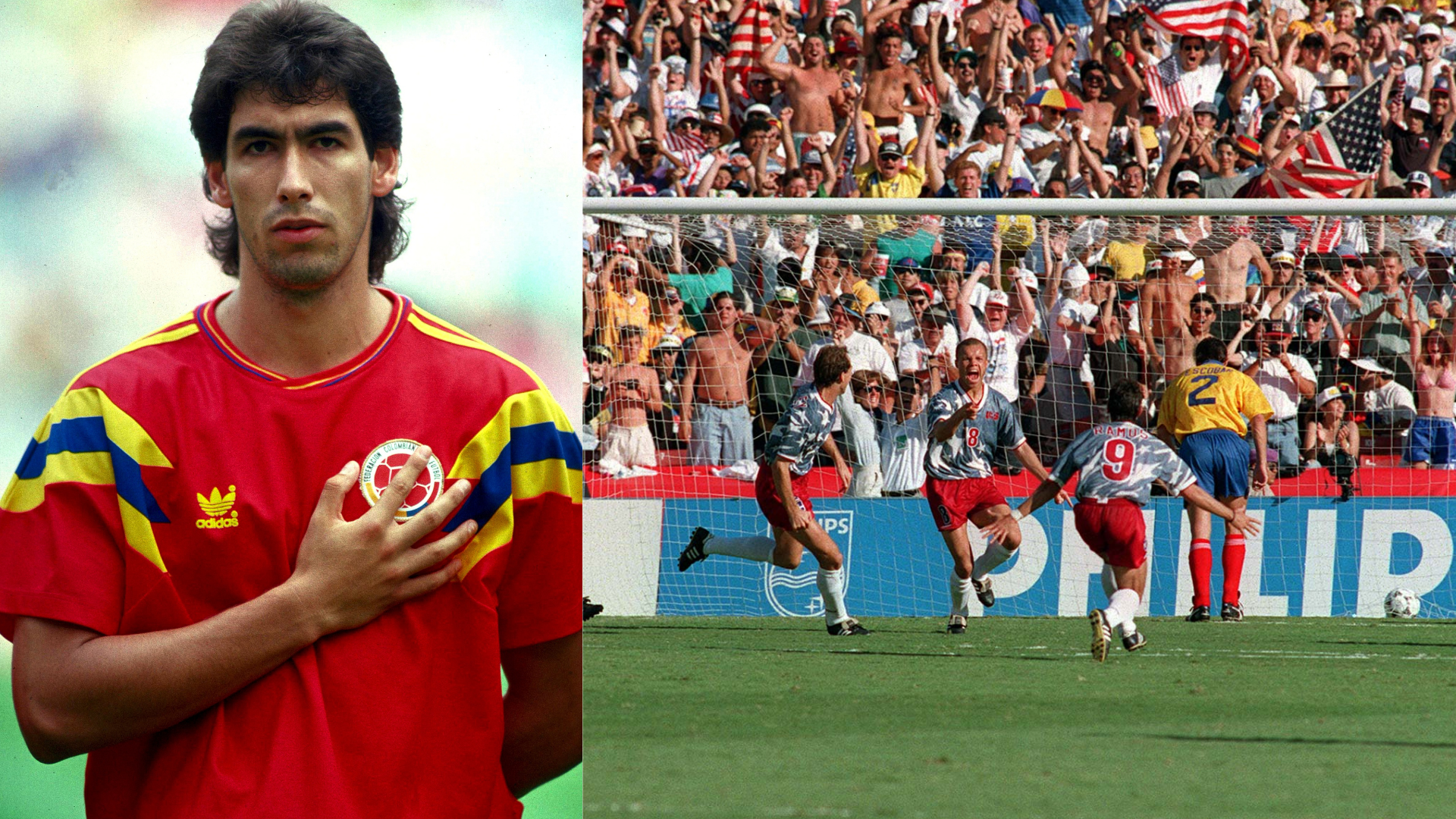
His death shocked the world and showed how a sporting failure had become trapped within a social context marked by violence, drug trafficking, and extreme pressure surrounding football.
The Legacy of the “Gentleman of Football”
Beyond the own goal, Andrés Escobar is remembered as an elegant, disciplined, and respected footballer both on and off the pitch. His nickname, “The Gentleman of Football,” reflects the image he left among teammates, coaches, and fans.
Three decades later, his story remains an open wound for Colombian football. The tragedy of Andrés Escobar is a reminder that no sporting mistake should ever cost a life, and that football, even in its most painful moments, can never be more important than humanity.