
The Top World Cup Controversies and Scandals
Every World Cup brings controversial refereeing decisions, but in 2026, several incidents have fueled debate among fans. From VAR controversies to historic officiating mistakes, these are the calls that have defined the tournament.
Every World Cup carries its share of refereeing controversy — this one is no exception. But for the wave of first-time American viewers tuning in, the calls on the pitch don't read as human error. They read as a fix.
Where longtime fans shrug off a bad offside or a soft penalty, newcomers see something darker: a pattern that seems to bend toward the teams and stars FIFA has the most riding on. And that perception, fair or not, is exactly how you lose a fan for good.
Controversial Calls at the 2026 FIFA World Cup
So far, in this World Cup, there have been several controversial decisions:
- VAR decisions on millimetric plays, including Iran's Jalal Hosseini Khalilzadeh goal and Davinson Sánchez's marginal offside.
- Lionel Messi not receiving a red card after a blatant foul on an Algeria defender.
- Ghana being denied a penalty against England in the 79th minute of a scoreless match.
- Leroy Sané's goal against Ecuador, after Aleksandar Pavlović appeared to kick Pedro Vite in the head during the buildup.
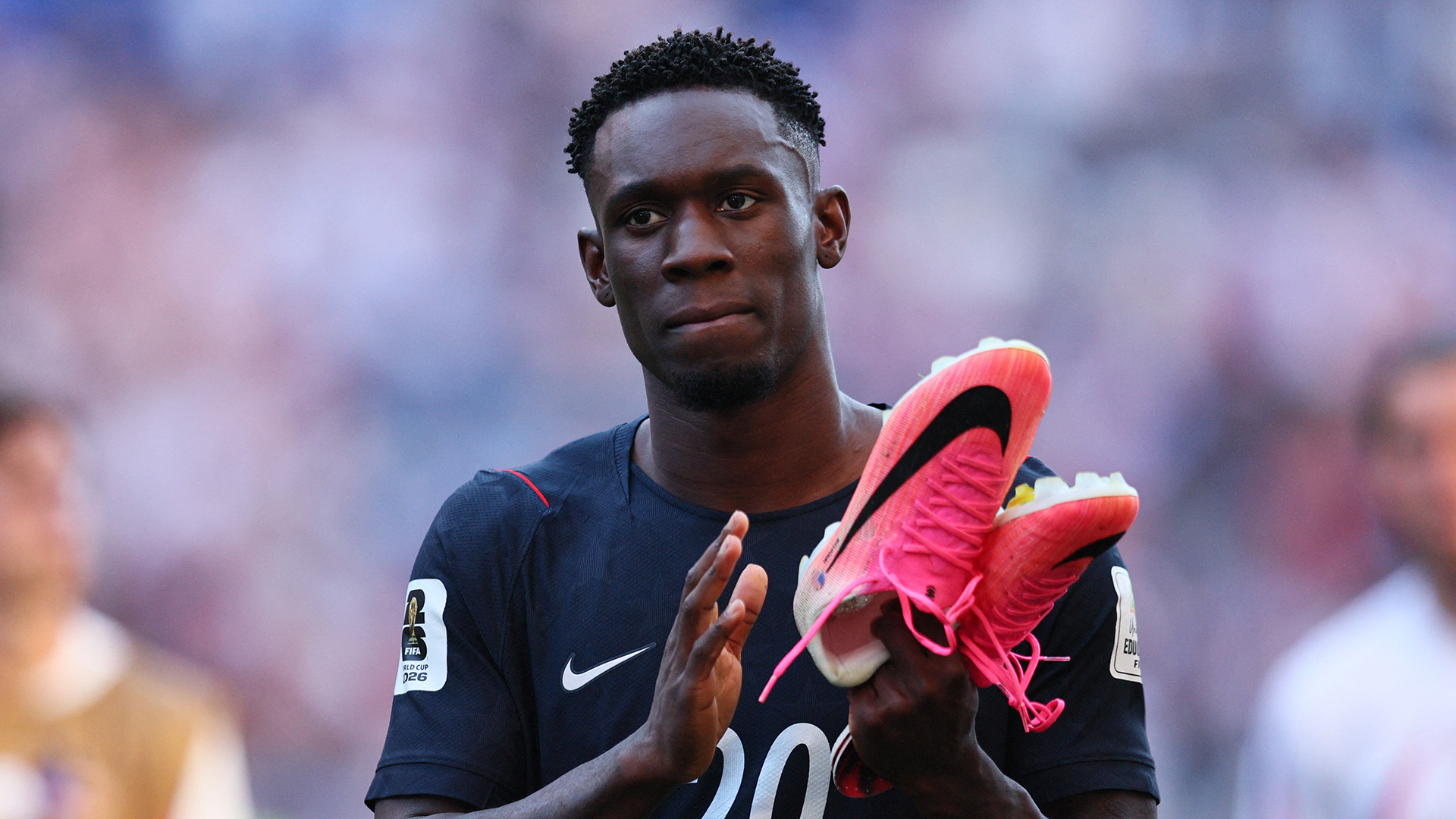
- The entire Folarin Balogun controversy, raising questions about whether it affected the fighting spirit of the United States squad.
- The Portugal vs. Croatia match, where an offside decision in the closing moments favored the Iberian side and denied Croatia a chance to force extra time by the narrowest of margins.
- The officiating inconsistencies during Argentina vs. Egypt. As Sahil Bakshi of ASKNDTV Sports pointed out, VAR reviewed the play extensively to penalize Egypt for a minor infraction in the buildup to its goal but did not review an apparent shirt pull on Mohamed Salah inside the penalty area moments before Argentina scored its decisive third goal.
The Seven Most Controversial Calls in World Cup History
- The Hand of God (1986): Tunisian referee Ali Bin Nasser failed to spot Diego Maradona punching the ball into the net against England.
- Italy vs. South Korea (2002): Ecuadorian referee Byron Moreno came under heavy criticism after sending off Francesco Totti for simulation and disallowing a legitimate golden goal for Italy.
- Spain vs. South Korea (2002): Egyptian referee Gamal Al-Ghandour and his assistants ruled out two legitimate goals for Spain, helping the co-hosts advance on penalties.
- Frank Lampard's Ghost Goal (2010): Uruguayan referee Jorge Larrionda failed to award England a clear goal against Germany, accelerating the implementation of Goal-Line Technology.
- Geoff Hurst's Wembley Goal (1966): Swiss referee Gottfried Dienst awarded England a decisive extra-time goal against West Germany, despite later replays suggesting the ball never fully crossed the line.
- The Harald Schumacher Challenge (1982): West Germany goalkeeper Harald Schumacher knocked out Patrick Battiston of France, but Dutch referee Charles Corver neither called a foul nor issued a card.
- The Disallowed Equalizer (1978): Welsh referee Clive Thomas blew the final whistle while a Brazil corner kick was still in the air, invalidating Zico's header seconds later.
Here's the thing: refereeing was never meant to be an exact science. Basketball, football, hockey — every sport lives with judgment calls that divide opinions and fuel debate. That's not the problem. The problem begins when those debates evolve into distrust, when controversial decisions stop looking like isolated mistakes and instead appear to benefit certain teams or narratives.

What fans truly want isn't perfection. They simply want to believe that the players determine the outcome of the match—not the whistle.