
The Top Scorers in FIFA World Cup History
Ninety-six years ago, the first FIFA World Cup was played in Uruguay. Since then, every edition has shared the same main character: the goal. Beyond the teams, tactics, and stars, there are always players who develop a special relationship with the ball and the back of the net. Footballers who step up when it matters most and ultimately write their names into history. Yet among them all, there is one undisputed king of the World Cup.
These are the top scorers in FIFA World Cup history.
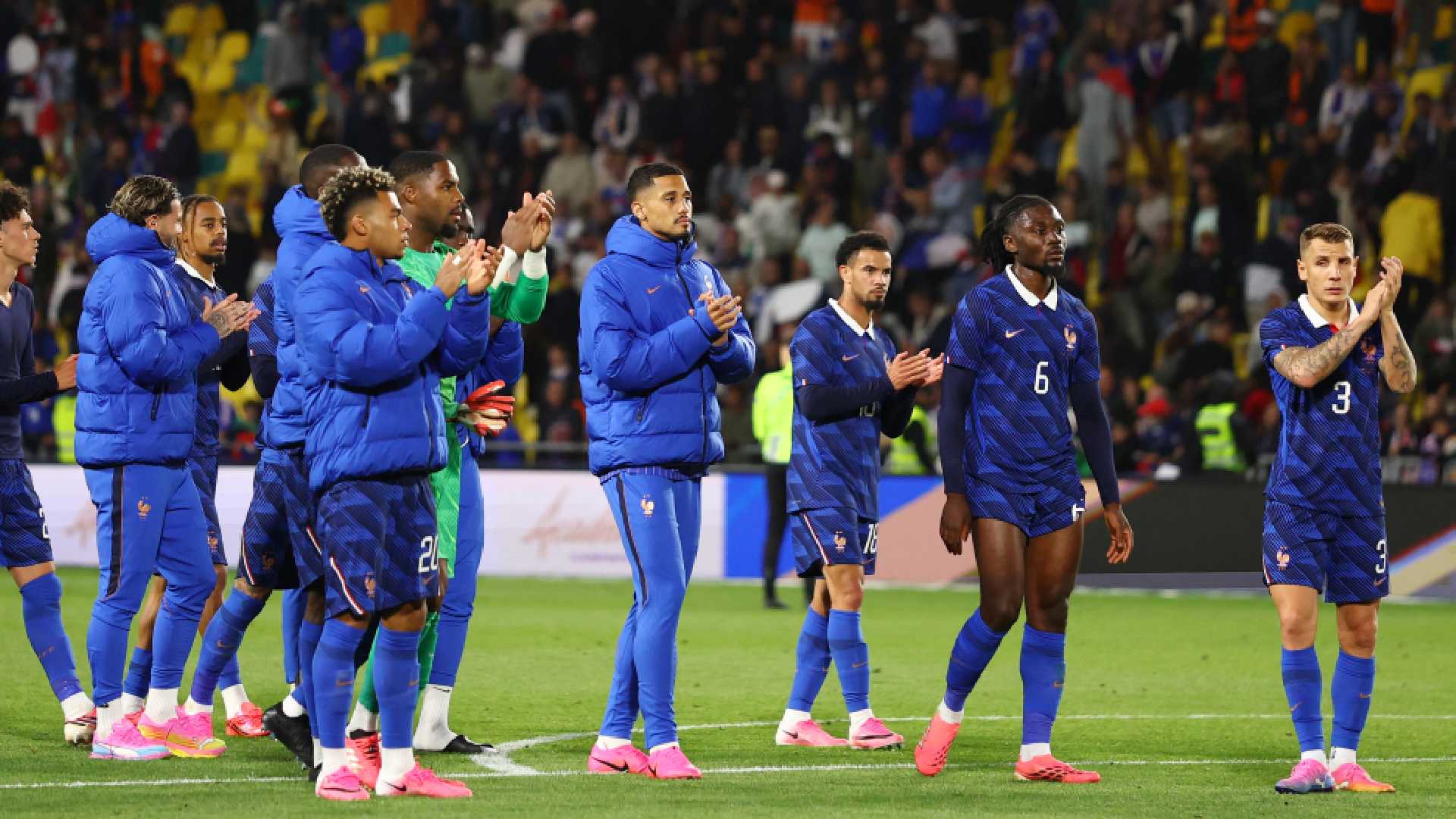
5. Pelé / Kylian Mbappé (12 Goals)
Fifth place features a tie between "O Rei" and one of the players destined to dominate this era: Kylian Mbappé. Both have scored 12 goals in World Cups, although their paths to that total have been very different.
Pelé scored his 12 goals across four World Cup editions. Three of those goals came in finals, the stage where legends are born. Two were against Sweden in 1958, when he amazed the world as a teenager, and another came against Italy at the Estadio Azteca during Mexico 1970, the tournament where he cemented his place as the best player of his generation.
What Mbappé has accomplished is remarkable because of how quickly he reached that mark. In just two World Cups, he has already matched Pelé’s total. Four of his goals have come in finals: one against Croatia at Russia 2018 and the historic hat-trick against Argentina at Qatar 2022. That performance also allowed him to become the player with the most goals scored in World Cup finals. Considering that much of his career still lies ahead, he is one of the strongest candidates to continue climbing this list.
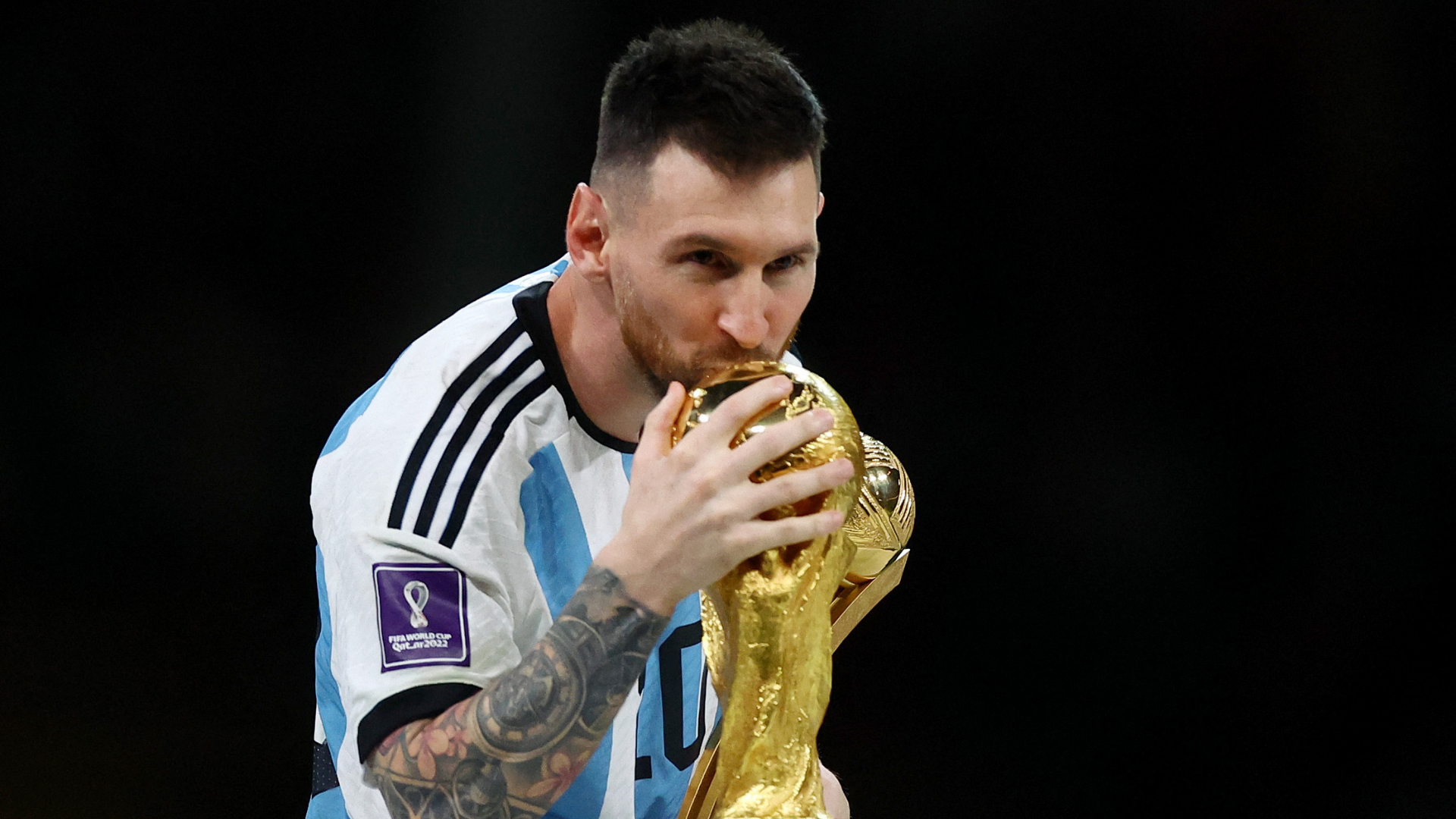
4. Just Fontaine / Lionel Messi (13 Goals)
Fourth place also features a tie, this time between two players separated by more than half a century: Just Fontaine and Lionel Messi.
Fontaine owns one of the most impressive and difficult records to break in football. During the 1958 World Cup in Sweden, he scored 13 goals in just six matches. He opened the tournament with a hat-trick against Paraguay, followed it with a brace against Yugoslavia, scored against Scotland, added two more in the quarterfinals against Northern Ireland, and found the net again against Brazil in the semifinals.
Yet he still had more to offer. In the third-place match, he scored four goals against West Germany to complete a total that seems impossible to reach in modern football. Even more astonishing is that it was the only World Cup of his career. More than six decades later, no player has surpassed his record for goals in a single edition.
Alongside him stands Lionel Messi, who is set to play in his sixth FIFA World Cup with the opportunity to add to his tally. The Argentine star has scored 13 goals across five of the six World Cups he has played, having failed to score only at South Africa 2010. Among his most memorable goals are the two he scored in the Qatar 2022 final against France, a performance that completed a historic career. Messi has already achieved football’s greatest glory by lifting the World Cup trophy, but he still has the chance to climb higher among the greatest scorers in history.
3. Gerd Müller (14 Goals)
With 14 goals comes one of the most lethal strikers football has ever seen: Gerd Müller. The German "Bomber" reached that total in only two World Cups, a testament to the efficiency that turned him into a legend.
His breakthrough came at Mexico 1970, where he finished as the tournament’s top scorer with 10 goals. Among them was a memorable brace against Italy in the legendary semifinal known as the "Game of the Century," one of the most iconic matches in World Cup history.
Four years later, at West Germany 1974, his numbers were more modest but no less important. He scored against Australia, found the net against Yugoslavia in the second group stage, and scored the goal that sent West Germany to the final by defeating Poland. His final World Cup goal would also be his most important: the strike that beat the Netherlands in the final and delivered the world title to West Germany on home soil. It was a fitting conclusion for one of the most feared strikers of all time.
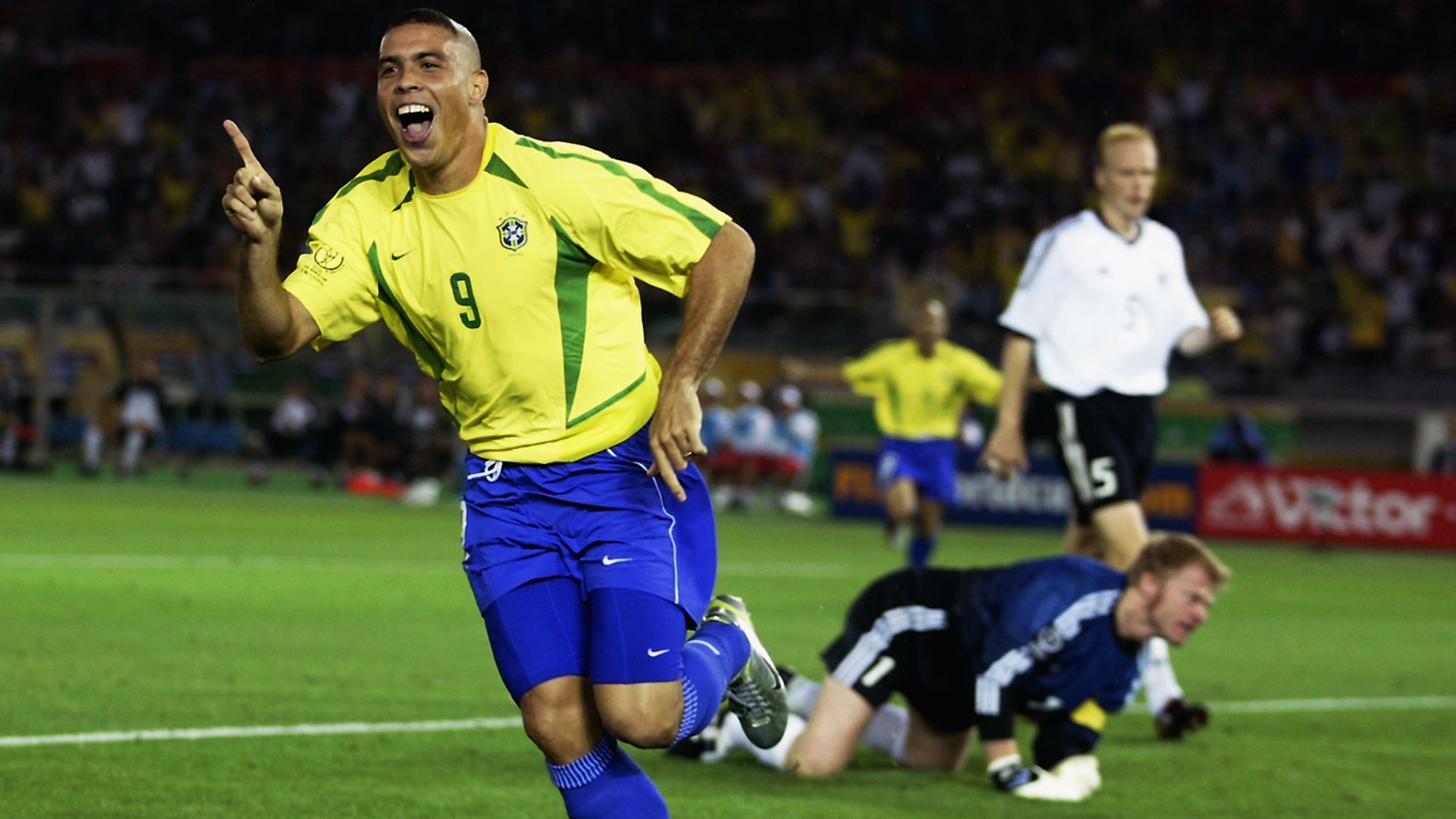
2. Ronaldo (15 Goals)
Before Klose reached the summit, the king of the World Cup had a name: Ronaldo Nazário.
"O Fenômeno" took part in four World Cups, although he did not play a single minute at USA 1994. His scoring story truly began at France 1998, where he scored four goals and helped Brazil reach the final. Among those goals was a crucial strike in the semifinals against the Netherlands.
However, his crowning moment came at Korea/Japan 2002. After overcoming serious injuries that cast doubt on his career, Ronaldo returned to deliver one of the greatest individual performances in World Cup history. He scored eight goals, an extraordinary number for the era, and capped off his tournament with two goals in the final against Germany, giving Brazil its fifth World Cup title.
At Germany 2006, he added three more goals to his tally, reaching 15 and becoming the all-time leading scorer in World Cup history. For years, it seemed impossible that anyone would catch him, but football always finds new legends.
1. Miroslav Klose (16 Goals)
Ronaldo seemed untouchable. His 15 goals represented a historic mark, and many believed decades would pass before anyone surpassed it. Then came Miroslav Klose.
The German striker built his record through patience, consistency, and an extraordinary ability to deliver in key moments. His journey began at Korea/Japan 2002 with five goals. Four years later, he matched that total at Germany 2006, and at South Africa 2010 he added four more to move within striking distance of the Brazilian’s record.
The defining moment came, fittingly, at Brazil 2014. In Ronaldo’s homeland, the German tied the record of 15 goals against Ghana in Fortaleza. Yet the historic moment was reserved for one of the most shocking matches in football history.
In Belo Horizonte, during the semifinal between Germany and Brazil, the infamous Mineirazo took place. With the score already favoring the Germans, Klose pounced on a rebound inside the box and scored the 2-0 in the 23rd minute. It was not just another goal. It was the goal that officially made him the greatest scorer in World Cup history.
While the Mineirão fell silent and Brazil endured one of the most painful nights in its football history, Klose achieved immortality. Days later, he played in the final against Argentina, lifted the World Cup trophy, and closed his international career in the most perfect way possible: as a world champion and the all-time leading scorer in World Cup history.
Records are made to be broken, and perhaps one day someone will surpass his 16 goals. Maybe it will be Mbappé, or perhaps a new star will emerge in the coming decades. But until that day arrives, the summit still belongs to Miroslav Klose.
Because scoring a goal in a World Cup is enough to enter history. Scoring 10 is extraordinary. Scoring 15 is legendary.
But scoring 16 times on football’s biggest stage is to reach a place reserved for only a select few.
It is to become the king of World Cup goal scorers.
Follow all the coverage of the FIFA World Cup 2026 on beIN SPORTS.