
The Netherlands and Its Three Lost World Cup Finals
The Netherlands national team is one of the greatest powers in world football never to have won the FIFA World Cup. The Dutch have reached three finals, yet each time they fell short of lifting the trophy that would have represented the ultimate achievement for a nation that has long been a footballing benchmark.
The Netherlands first qualified for a World Cup in Italy in 1934, where they lost their only match. They returned in France in 1938, but the story was the same: defeat in their opening game and an early trip home. The Dutch then failed to qualify for the next six World Cups, largely because football in the country remained amateur, making it difficult to compete with the era’s major powers.
Everything changed with the arrival of professionalism. During the 1970s, Ajax won three consecutive European Cups, and much of that generation arrived at the 1974 World Cup in West Germany led by the player widely regarded as the best in the world, Johan Cruyff.
The Revolution of Total Football and the 1974 Final
But having Cruyff was not their only weapon. The world was introduced to Total Football. At a time when tactical systems were rigid and positions appeared fixed, the football of Rinus Michels, with Cruyff as the on-field leader, revolutionized the sport through constant movement, positional interchange, high pressing, and fluidity.
The “Clockwork Orange” defeated defending champions Brazil to advance to the final against hosts West Germany. On July 7, 1974, in Munich, the Netherlands faced history and one of their greatest rivals.
Moments after kickoff, Cruyff picked up the ball and dribbled past defenders who could not stop him. He entered the penalty area and was brought down by Berti Vogts, earning a penalty before West Germany had even touched the ball. Johan Neeskens converted the spot kick, scoring what was then the fastest goal ever in a World Cup final.
West Germany was stunned, but Germany remained Germany. In the 25th minute, Paul Breitner equalized from the penalty spot, and before halftime a defensive mistake allowed Gerd Müller to score the decisive 2-1 goal.
During the second half, Cruyff and the Orange Machine crashed into a defensive wall led by Franz Beckenbauer. The Germans absorbed the pressure and ultimately secured the world title.
Argentina 1978: The Post That Changed History
The second final came four years later, once again against the host nation. This time, the Netherlands did not have Johan Cruyff, who chose not to participate in the 1978 World Cup in Argentina. Even so, the Dutch continued to captivate the football world with Total Football and once again reached the final.
The match at Buenos Aires’ Monumental Stadium began differently than the 1974 final. In the 32nd minute, Mario Kempes gave Argentina the lead. However, the Dutch attacking style allowed them to dominate large portions of the match.
In the 82nd minute, Rob Rensenbrink equalized and came within inches of changing history. In the final moments of regulation, Rensenbrink struck the post with a shot that would have won the championship, missing glory by mere centimeters.
In extra time, Kempes once again emerged as the hero, scoring in the 105th minute. Later, Daniel Bertoni sealed the victory in the 115th minute, giving Argentina its first World Cup title and handing the Dutch another heartbreaking defeat.
South Africa 2010: One Goal Away From Glory
The Netherlands had to wait through eight World Cups before returning to the final. This time, it would not be against the host nation, but against one of the tournament favorites: Spain.
The Dutch arrived at the 2010 World Cup in South Africa as a solid team, though not among the leading contenders. They no longer played the Total Football that had made them famous. Under manager Bert van Marwijk, the team adopted a far more physical, defensive, and pragmatic approach.
Johan Cruyff himself criticized that style. He even stated that the team no longer represented the essence of Dutch football and that he preferred to support Spain in the final, as La Roja played a philosophy much closer to Cruyff’s ideals: the famous tiki-taka.
The physical and aggressive strategy employed by the Netherlands worked for much of the match. Spain struggled to create clear opportunities. The Dutch remained compact, disciplined, and difficult to break down, although many believed they had abandoned the traditional principles of Dutch football.
Still, they came agonizingly close to winning the trophy. In the 62nd minute, Arjen Robben found himself one-on-one with Iker Casillas after a perfect counterattack, but the Spanish goalkeeper produced a miraculous save with his foot. Soccer City Stadium in Johannesburg held its breath.
In extra time, the script seemed familiar: Spain monopolized possession while the Dutch defended wave after wave of attacks. Then, in the 116th minute, the decisive moment arrived. Cesc Fàbregas threaded a brilliant pass to Andrés Iniesta, who finished first time past Maarten Stekelenburg to give Spain its first World Cup title.
For the Netherlands, it was a third defeat in a World Cup final.
Will the Fourth Time Be the Charm?
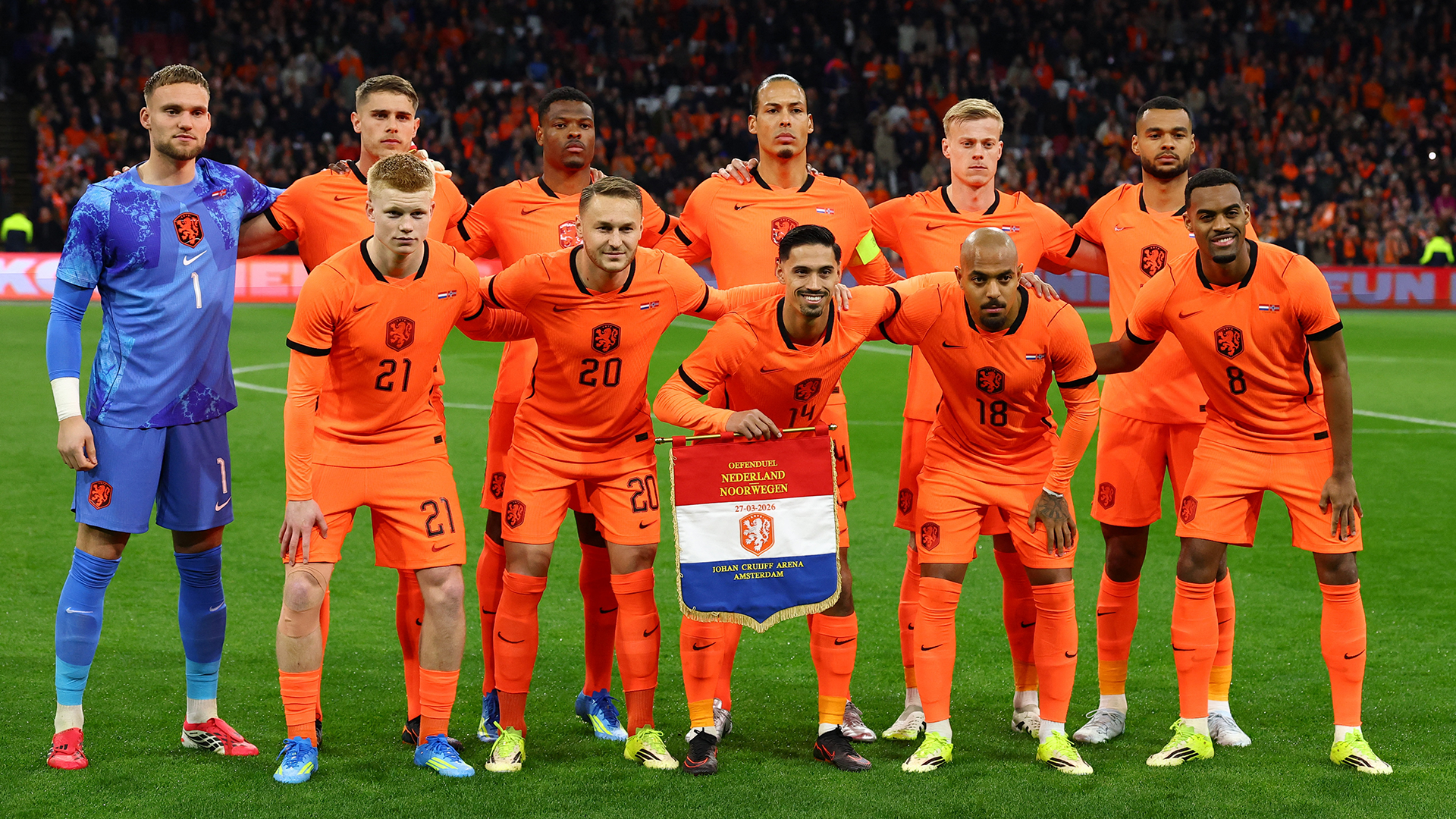
Now, in another FIFA World Cup campaign, the Dutch once again arrive without the label of favorites. But history has shown that being overlooked has never prevented them from making a deep run. They did it in 1974, 1978, and 2010.
Will the fourth attempt finally bring the Netherlands the World Cup title that has eluded them for so long?
Follow all the coverage of the FIFA World Cup 2026 on beIN SPORTS.