
- Home >
- Soccer >
- FIFA World Cup >
- The Matches With the Biggest Squad Value Gaps at the 2026 FIFA World Cup
The Matches With the Biggest Squad Value Gaps at the 2026 FIFA World Cup
The 2026 World Cup will feature massive financial gaps between teams. England, Spain, and France could face nations whose squads are worth up to 50 times less.
England vs Ghana: a nearly $1.6 billion gap
The 2026 FIFA World Cup will not only bring together different generations and footballing styles, it will also showcase some of the biggest financial gaps ever seen in international football. With the tournament expanding to 48 teams, several group-stage matches already look like clashes between global superpowers and underdog nations with limited budgets.
The most striking case is undoubtedly England. The English squad is currently valued at approximately $1.87 billion, making it the most expensive national team in the world heading into the tournament. Led by stars such as Jude Bellingham, Phil Foden, and Bukayo Saka, the Three Lions dominate both on the pitch and in market value.
One of the most fascinating potential matchups is England vs Ghana. While Ghana still carries World Cup pedigree and several established European-based players, its squad value sits around $255 million, leaving a gap close to $1.6 billion compared to England.
The financial difference highlights two completely different football realities. England’s roster is packed with players starring for the richest clubs in Europe, while Ghana relies on a mix of emerging talents and players competing in leagues with far less economic power.
Spain vs Cape Verde and Germany vs Curaçao: the most extreme mismatches
Another match that perfectly represents the new reality of the World Cup is Spain vs Cape Verde showdown. Spain’s squad is valued at nearly $1.51 billion, driven by the rise of young stars such as Lamine Yamal and Nico Williams.
On the other side stands Cape Verde, whose squad value is estimated at only $52 million. That creates a difference of nearly $1.46 billion, making it one of the most financially uneven matches of the entire group stage.
Beyond the money, the contrast is also visible in infrastructure, academy development, squad depth, and international experience. Spain enters the tournament as European champions and one of the favorites to win the World Cup, while Cape Verde would simply look to compete without the burden of expectations.
Another eye-catching clash is Germany vs Curaçao. Germany’s squad is worth approximately $896 million, while Curaçao barely exceeds $32 million, leaving a gap of around $864 million between the two teams.
Yet these are also the matches that capture the romantic essence of the World Cup. A small Caribbean nation facing one of football’s historical giants creates the kind of story only this tournament can deliver.
France vs Norway: a superstar battle with nearly a billion-dollar difference
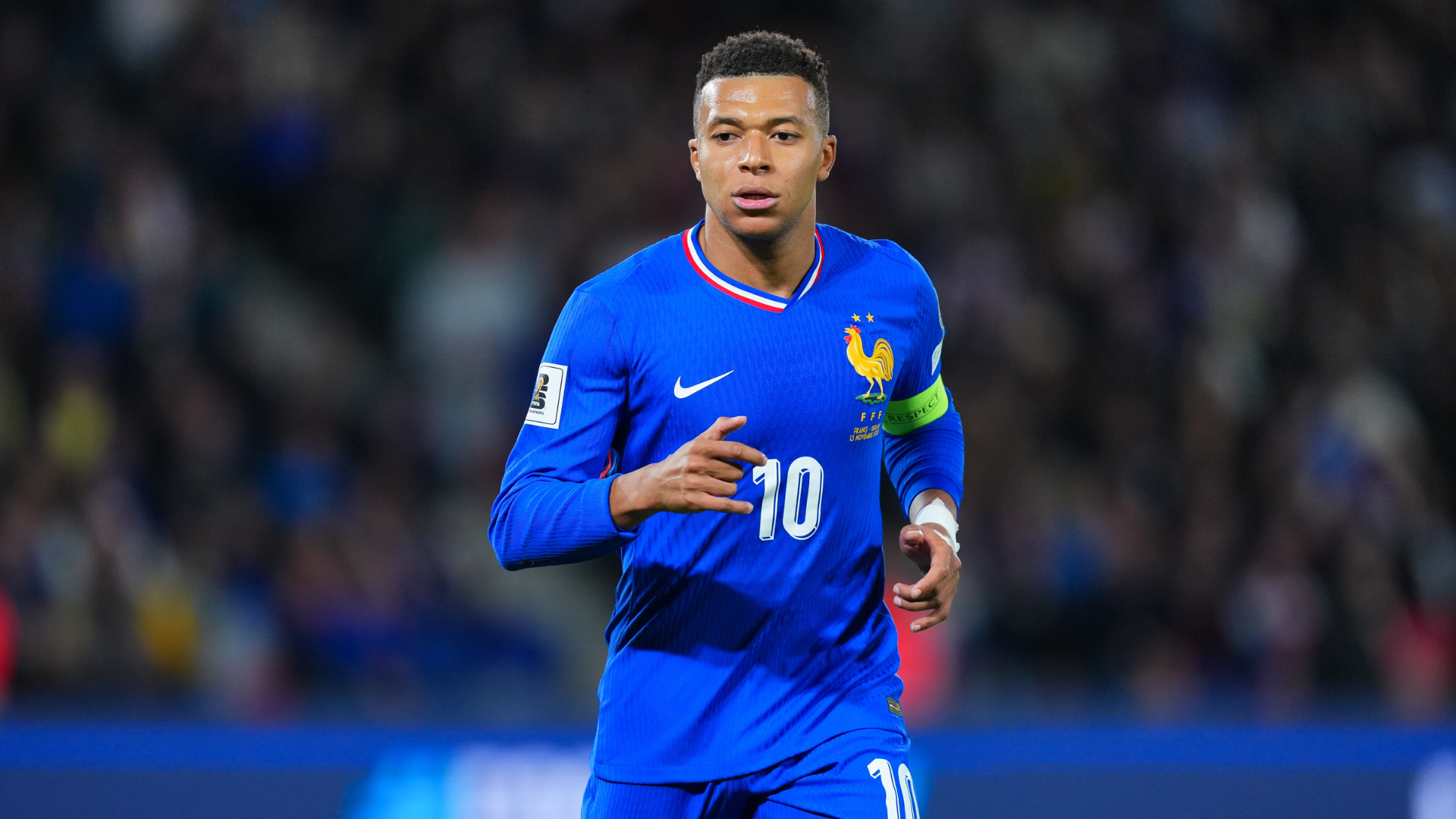
Not every financial mismatch at the World Cup is expected to be one-sided on the field. One of the most exciting group-stage games could be France vs Norway, a matchup filled with elite talent, global superstars, and enormous market values.
France’s squad is valued at approximately $1.57 billion, while Norway sits around $584 million. Although the gap still approaches $1 billion, Norway’s talent level makes this one of the most dangerous fixtures for any favorite nation.
The spotlight will naturally fall on the showdown between Kylian Mbappé and Erling Haaland, arguably the two deadliest forwards in world football. But Norway has already shown that it is far more than a one-man team. Their recent performances in European qualifiers proved they can compete with elite nations.
Brazil and the new “David vs Goliath” matches of World Cup 2026
Another giant expected to dominate financially is Brazil. The Seleção’s squad is valued at nearly $900 million, led by stars such as Vinícius Júnior and a new generation of attacking talent.
If Brazil faces teams such as Haiti or Curaçao, both valued below $60 million, the difference would easily surpass $800 million.
According to several international financial reports, the expansion to 48 teams has dramatically increased the number of “David vs Goliath” matchups. In previous editions, many smaller nations would never even qualify for the World Cup. Now, they will have the opportunity to compete against football’s biggest powers.