
- Home >
- Soccer >
- FIFA World Cup >
- The Deschamps Era Comes to an End in France. Is He the Greatest Coach in Les Bleus History?
The Deschamps Era Comes to an End in France. Is He the Greatest Coach in Les Bleus History?
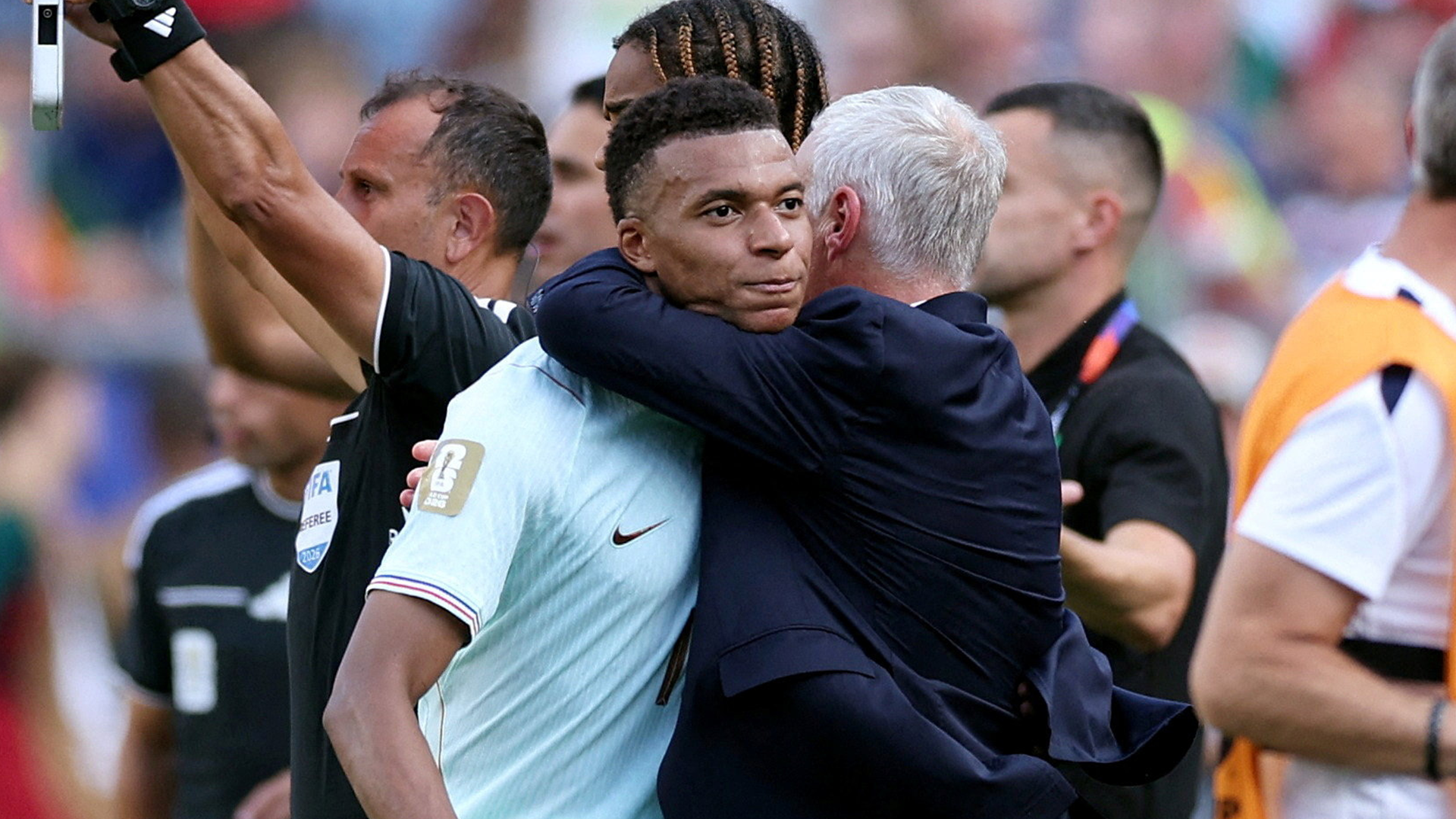
Every great story eventually reaches its conclusion. After 14 years in charge of the France national team, Didier Deschamps will manage Les Bleus for the final time in the third-place match at the 2026 FIFA World Cup. It will bring to a close one of the most successful eras in French football history—one defined by trophies, records, and a generation that reestablished France as one of the world's premier football powers.
The semifinal defeat to Spain ended the dream of winning a second World Cup under Deschamps, but his legacy extends far beyond the result of a single match.
The Architect of a New Golden Era
When Didier Deschamps took charge of France in 2012, the national team was still trying to recover from years of instability and the disappointment that followed the Raymond Domenech era and the disastrous 2010 FIFA World Cup campaign in South Africa.
Fourteen years later, he leaves behind a team that has once again become one of the global benchmarks in international football.
His résumé speaks for itself:
- 2018 FIFA World Cup Champion
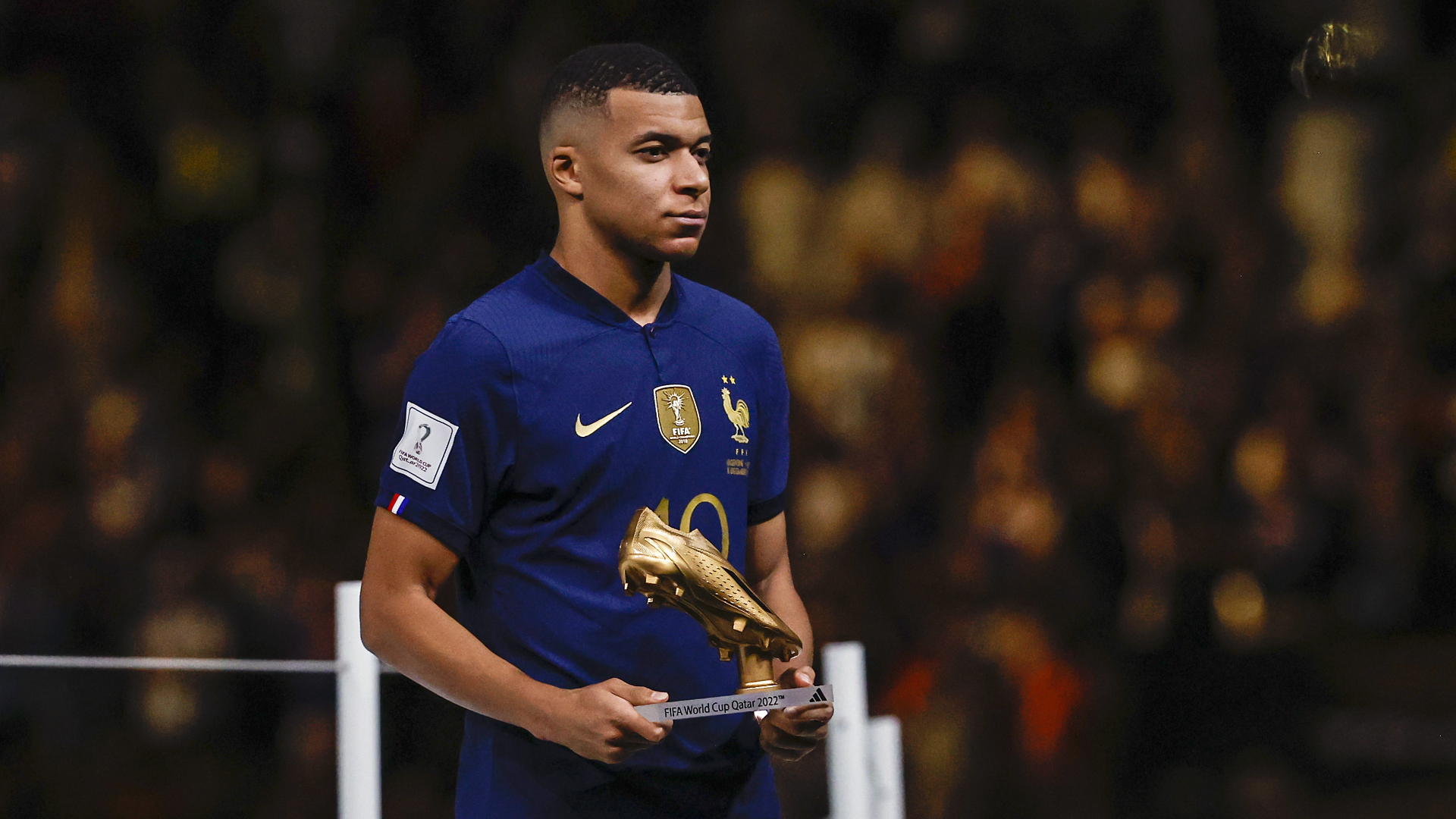
- 2022 FIFA World Cup Runner-up
- 2020-21 UEFA Nations League Champion
- Third Place in the 2024-25 UEFA Nations League
- UEFA Euro 2016 Runner-up
He also compiled an extraordinary record of 181 matches, with 118 victories, 35 draws, and 28 defeats, figures that could still improve in his farewell match at the World Cup.
No coach has managed more matches in the history of the France national team.
The Successor to a Historic Generation
Comparing coaches in France means comparing the generations that shaped the country's football identity.
The first man to transform French football was Aimé Jacquet.
Following the failure of Gérard Houllier, who was unable to qualify France for the 1994 FIFA World Cup, Jacquet rebuilt the national team around a gifted generation that included future legends such as Zinedine Zidane, Didier Deschamps, Marcel Desailly, Lilian Thuram, Bixente Lizarazu, and Fabien Barthez.
The results were remarkable.
In just 53 matches, he recorded 34 wins, 16 draws, and only three defeats. He guided France to the semifinals of UEFA Euro 1996 before leading the country to its first-ever FIFA World Cup title on home soil in 1998.
His work permanently changed the trajectory of French football.
Lemerre Built on an Extraordinary Generation
After Jacquet's departure, Roger Lemerre inherited what many consider the greatest generation in the history of France.
Rather than simply maintaining the team's level, he expanded its dominance.
Under his leadership, Les Bleus won UEFA Euro 2000, defeating Italy thanks to David Trezeguet's unforgettable golden goal, before lifting the 2001 FIFA Confederations Cup, confirming France as the best national team in the world.
He coached 53 matches, collecting 34 victories, 11 draws, and 8 defeats.
His tenure, however, ended abruptly after the shocking group-stage elimination at the 2002 FIFA World Cup in Korea and Japan, where the defending champions failed to score a single goal.

Deschamps and the Mbappé Generation
Two decades later, another man emerged to reshape the future of France.
Ironically, the captain who lifted the nation's first World Cup trophy in 1998 returned to lead an entirely new golden generation.
With Kylian Mbappé as the centerpiece, alongside stars such as Antoine Griezmann, Olivier Giroud, N'Golo Kanté, Aurélien Tchouaméni, Eduardo Camavinga, Ousmane Dembélé, Jules Koundé, William Saliba, Mike Maignan, and a new wave led by Désiré Doué, Deschamps built another squad capable of competing for every major international title.
For more than a decade, France remained a constant contender at the highest level of international football. The team reached two World Cup finals, won the UEFA Nations League, contested another major European final, and consistently ranked among the world's elite national teams.
Beyond the trophies, perhaps Deschamps' greatest achievement was giving Les Bleus a relentless competitive identity. His teams never stopped fighting, even in the most difficult circumstances. That mentality was perfectly illustrated in the unforgettable 2022 FIFA World Cup final, when France recovered from the brink of defeat to force Argentina into a penalty shootout.
Is He the Greatest Coach in French Football History?
The answer depends on how each fan measures greatness.
Aimé Jacquet will forever be remembered for delivering France's first World Cup title.
Roger Lemerre maximized one of the finest generations in football history, leading Les Bleus to the UEFA European Championship and the FIFA Confederations Cup, completing an extraordinary period of dominance at the turn of the century.
But Didier Deschamps achieved something no other French manager had accomplished: keeping France among the world's elite for more than a decade, reaching two FIFA World Cup finals, winning the sport's greatest trophy, capturing the UEFA Nations League, and becoming the longest-serving coach in the history of Les Bleus.
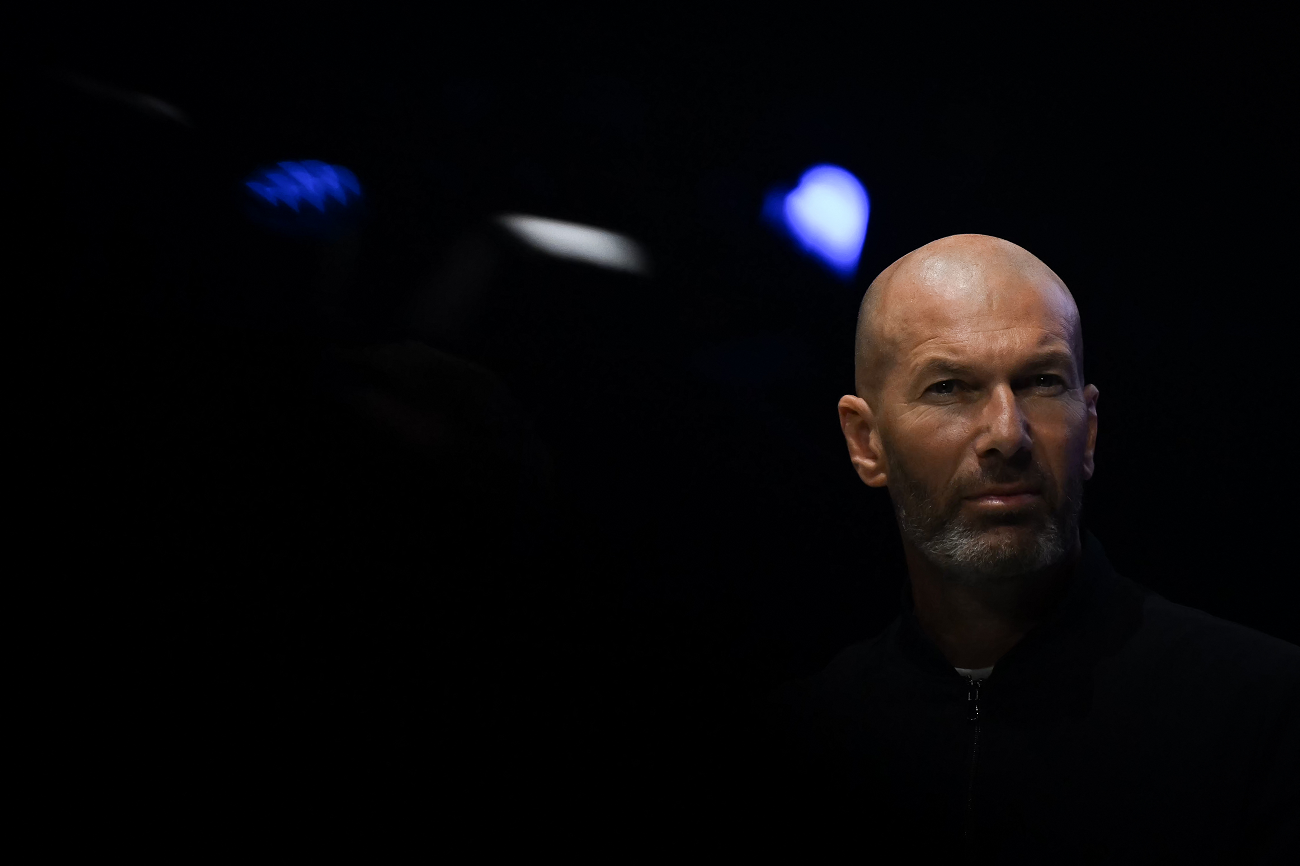
Now, his remarkable chapter comes to an end, with Zinedine Zidane widely expected to begin the next era of French football.
The debate over the greatest coach in France's history will continue.
What is far more difficult to dispute is this: Didier Deschamps leaves behind one of the most successful, consistent, and influential eras Les Bleus have ever experienced.