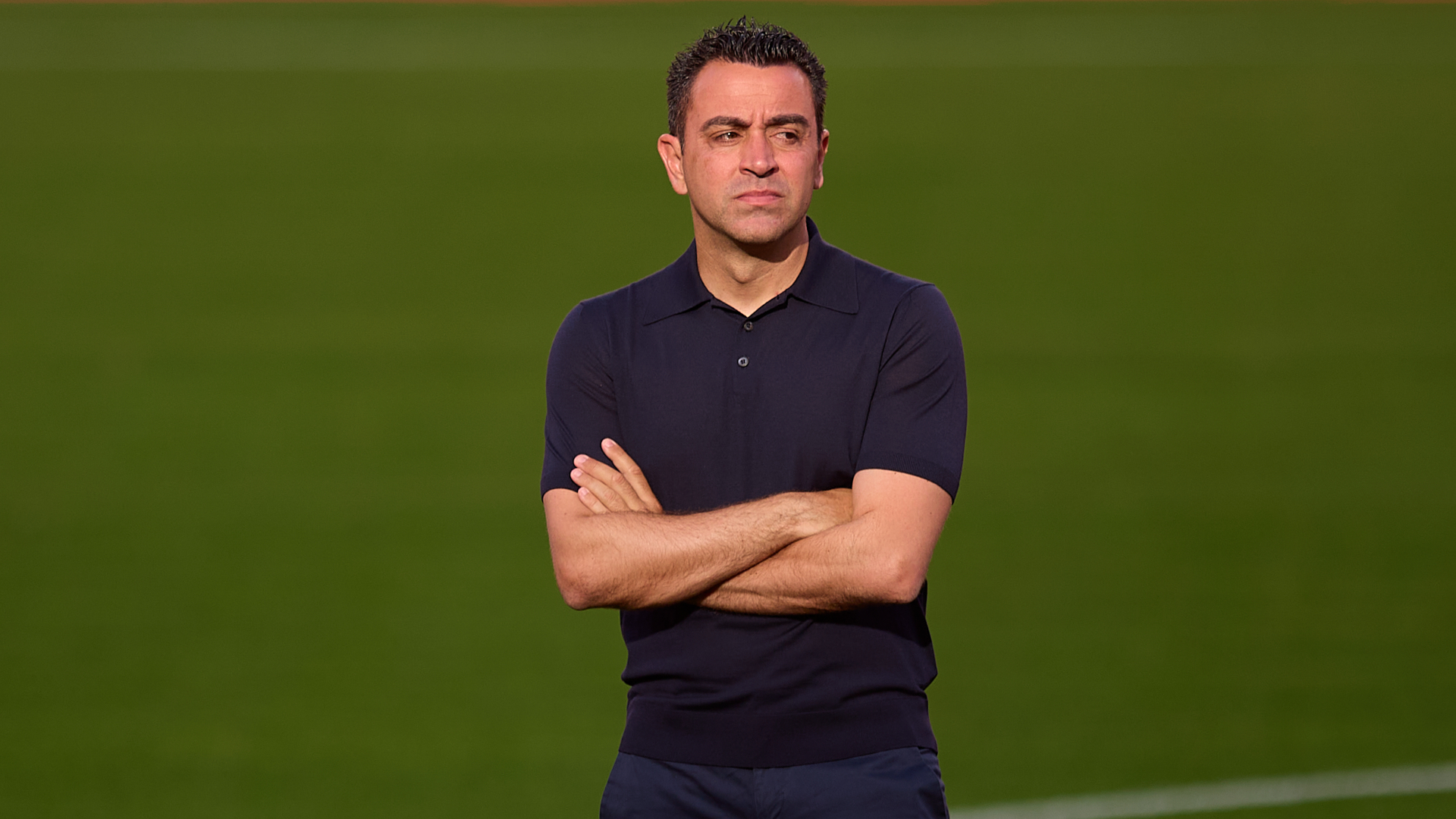

The 2026 FIFA World Cup ended with Spain lifting its second title after defeating Argentina 1-0 in an extra-time final. However, the result of the last game tells only part of the story of a tournament filled with unexpected heroes, record-breaking performances and painful goodbyes.
The Biggest Winners and Losers of the 2026 FIFA World Cup
The 2026 FIFA World Cup delivered champions, records, painful farewells and major disappointments. These were the players, coaches and teams that gained or lost the most during the tournament.
Some players transformed their reputations, several nations exceeded every expectation and a new generation took major steps toward the future. Others failed to deliver when it mattered, while a number of coaches and teams left North America facing difficult questions.
Here are some of the biggest winners and losers of the 2026 FIFA World Cup.

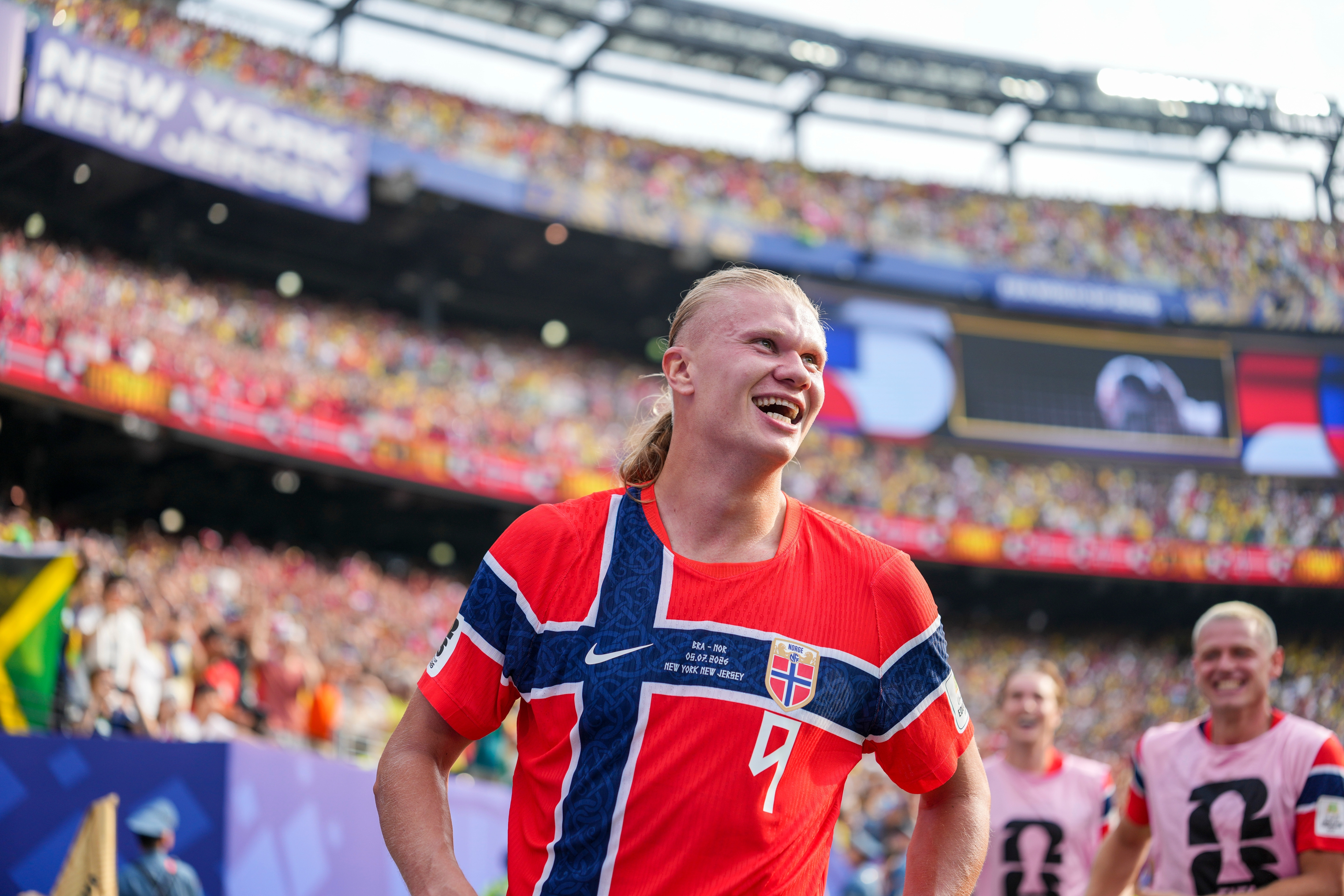
Winner: Erling Haaland
Norway did not reach the semifinals, but Erling Haaland left the tournament as an even bigger global star. The striker scored seven goals in five appearances and carried his country into the quarterfinals, including a memorable brace in a 2-1 victory over Brazil.
His impact went well beyond his scoring numbers. Haaland became the face of a Norwegian team that united an entire country and won over neutral fans. Norway eventually lost to England, but its star forward proved he could also dominate on the one stage that had previously been missing from his career.
Loser: Neymar
While Haaland celebrated the beginning of a new international chapter, Neymar reached the end of his own. Brazil was eliminated by Norway in the round of 16, and the forward confirmed after the defeat that his career with the national team was over.
It was a painful farewell because it left behind the familiar feeling of an unfinished story. Neymar had enough natural ability to define an era, but injuries and inconsistency ultimately limited his legacy. He retired from international football without winning the World Cup he spent so many years chasing.
Winner: Kylian Mbappé
Neymar ended his international career without conquering the tournament, while Kylian Mbappé further established himself as one of the greatest World Cup players ever. The France striker won another Golden Boot and became the first man to finish as the leading scorer at two separate editions.
His goals in the third-place match also moved him ahead of Lionel Messi as the competition's all-time leading scorer. At just 27 years old, Mbappé has enough time to extend the record into territory that may eventually become impossible to reach.

Loser: Julian Nagelsmann
While Mbappé enhanced his reputation as a generational star, Julian Nagelsmann left the tournament with his credibility badly damaged. Germany was eliminated by Paraguay in the round of 32 and once again failed to win a knockout game at a World Cup.
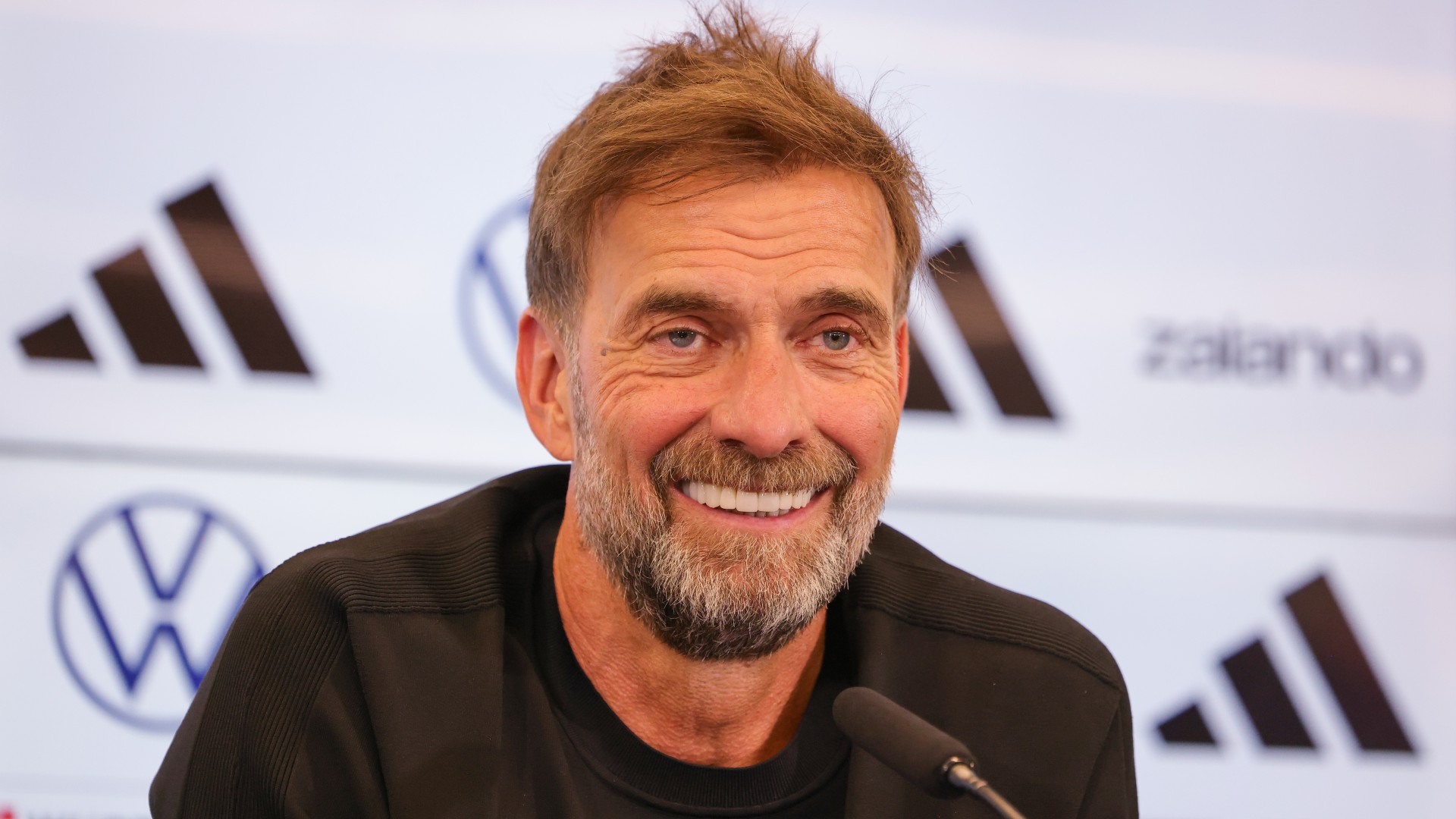
Germany looked predictable, slow and overly dependent on individual inspiration. The defeat accelerated Nagelsmann's departure and opened the door for Jürgen Klopp to begin a new era. For a coach long described as one of Europe's brightest tactical minds, the tournament represented a major setback.
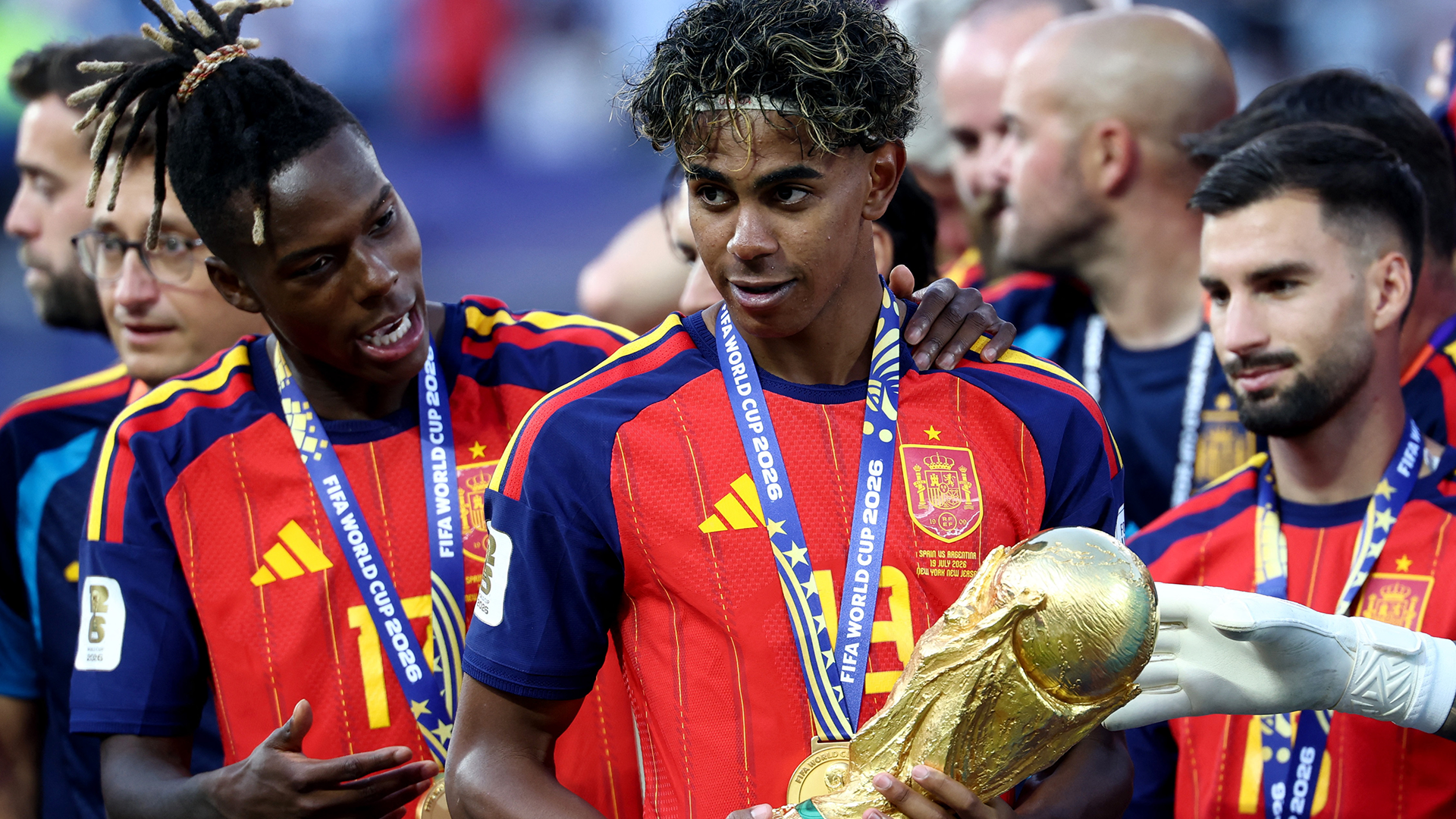
Winner: Lamine Yamal
Germany began another rebuild, while Spain showed that its future is already in excellent hands. Lamine Yamal did not produce his best individual tournament, but at 19 years old he became a world champion after already winning the European Championship.
Injuries affected his attacking output, yet Luis de la Fuente repeatedly praised his sacrifice for the team. The sight of Yamal consoling Lionel Messi after the final offered a powerful image of a possible generational shift: one icon approaching the end and another beginning to write his own story.
Loser: Christian Pulisic
Yamal strengthened his reputation without dominating the tournament, but Christian Pulisic experienced the opposite. The United States captain failed to become the decisive figure his team needed during a World Cup played on home soil.
His injury-related exit during the defeat to Belgium triggered criticism, especially after he spoke about finally having time to rest. Landon Donovan publicly questioned his influence in the biggest games, intensifying the debate over whether Pulisic can truly carry the United States when the pressure is at its highest.
Winner: Cape Verde
While the United States fell short of expectations, Cape Verde became the tournament's most compelling underdog story. The smallest nation by land area ever to qualify for a World Cup competed fearlessly against some of the most powerful teams in the competition.
Cape Verde held Spain to a draw in the group stage and came close to eliminating Argentina in the round of 32. Its blend of veterans, little-known players and a strong collective identity reminded everyone that the World Cup can still produce stories that matter far beyond the final score.

Loser: Senegal
Cape Verde embodied the hope of African football, but Senegal delivered one of the continent's biggest disappointments. The Lions of Teranga led Belgium 2-0 with only four minutes remaining, yet conceded twice before eventually losing in extra time.
The collapse on the field was accompanied by internal disputes, unpaid-bonus complaints and growing tension between the coaching staff and the federation. Pape Thiaw's dismissal after the tournament confirmed that the elimination was not an isolated failure, but the result of a team arriving with too many unresolved problems.
Winner: Lionel Messi
Senegal fell apart when it needed stability. Argentina, on the other hand, reached another final largely because Lionel Messi remained capable of controlling the biggest moments. At 39 years old, the captain recorded eight goals and four assists, earning both the Silver Ball and Silver Boot.
The defeat to Spain denied him a perfect ending, but it did little to diminish the quality of his tournament. Messi carried an inconsistent Argentina side into a second straight final and the third of his career, proving that even at the closing stage of his journey, he could still decide matches at the highest level.

Loser: Cristiano Ronaldo
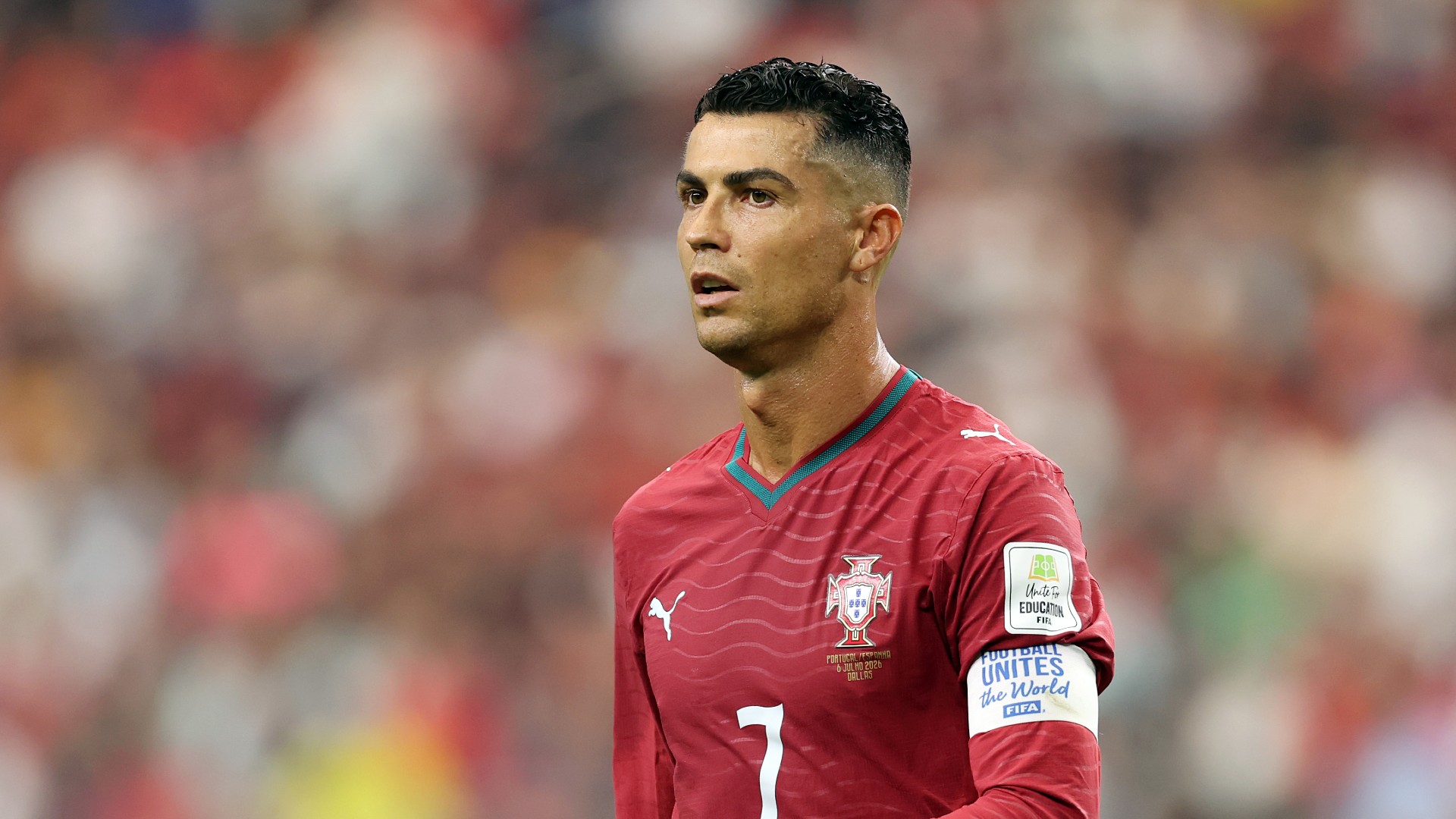
Messi ended the tournament in defeat but still able to shape games. Cristiano Ronaldo, by contrast, left the impression that he had stayed too long. At 41, the Portugal forward looked far removed from the player who dominated world football for nearly two decades.
Portugal once again wasted a deeply talented generation, while Roberto Martínez never found a way to reduce the team's emotional dependence on its captain. Ronaldo scored twice against Uzbekistan, but his lack of movement became a liability against stronger opposition and damaged Portugal's collective attacking structure.
A World Cup of new stars and final goodbyes
Spain was the tournament's ultimate winner, but many of the World Cup's defining stories cannot be measured by a trophy alone. Haaland turned Norway into a genuine force, Mbappé rewrote the record books, Cape Verde defied logic and Messi extended his remarkable longevity.
At the same time, Neymar and Cristiano Ronaldo endured painful farewells, while Germany, the United States and Senegal finished far below their ambitions. The 2026 World Cup closed the door on several eras while confirming that a new generation is already ready to take control.