
How Many FIFA World Cup Finals Has Spain Played?
The Spain National Team will once again compete in a FIFA World Cup final, placing the country on the verge of another historic achievement. Before this edition, La Roja had reached the championship match only once: its unforgettable triumph in South Africa in 2010. Now, 16 years later, a new generation has the opportunity to fight for Spain’s second world title.
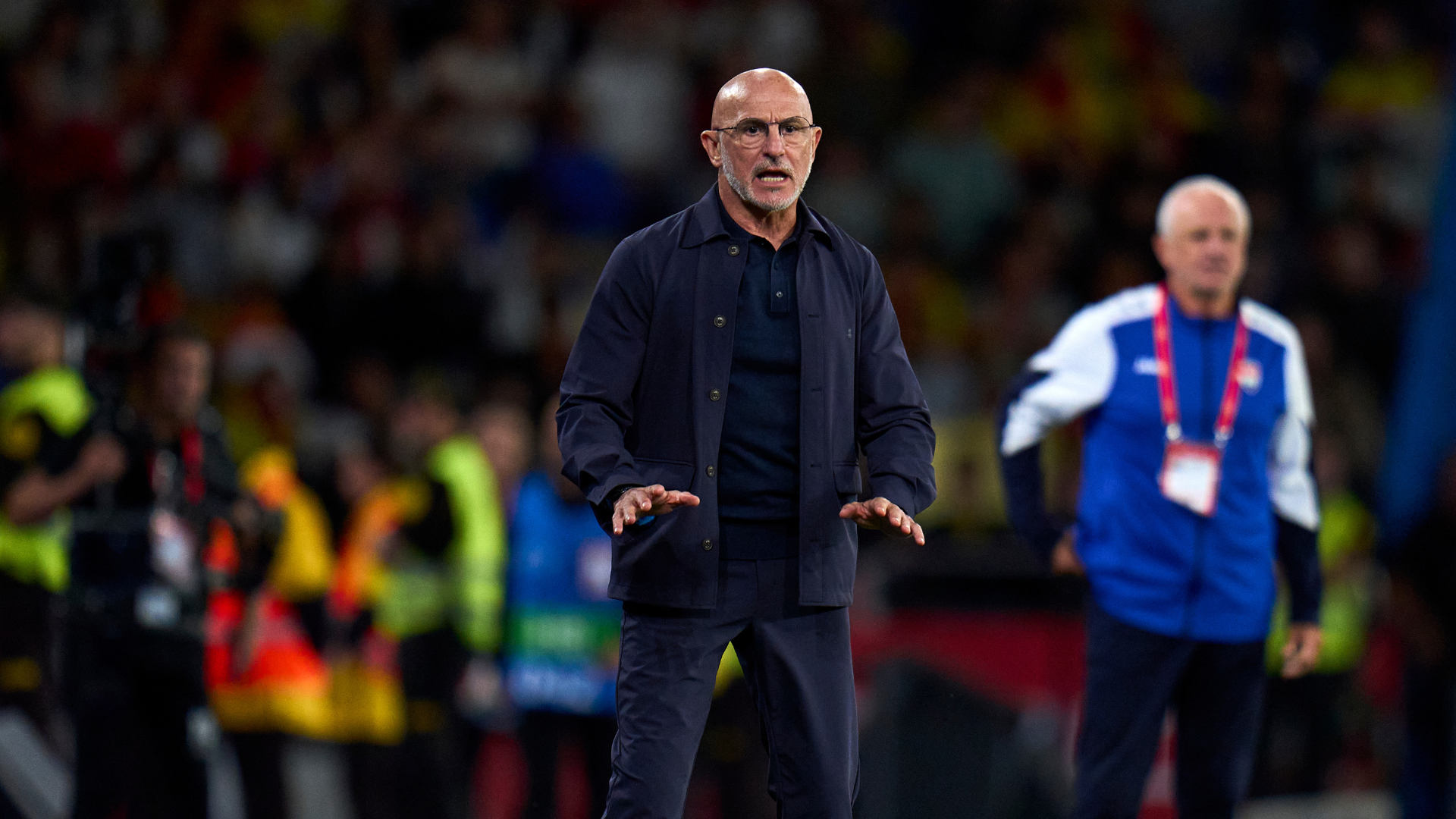
Spain’s presence in the final confirms the exceptional period the country’s soccer program is experiencing. After winning UEFA Euro 2024, the team led by Luis de la Fuente entered the 2026 World Cup as one of the leading title contenders and has responded with increasingly convincing performances as the tournament has progressed.
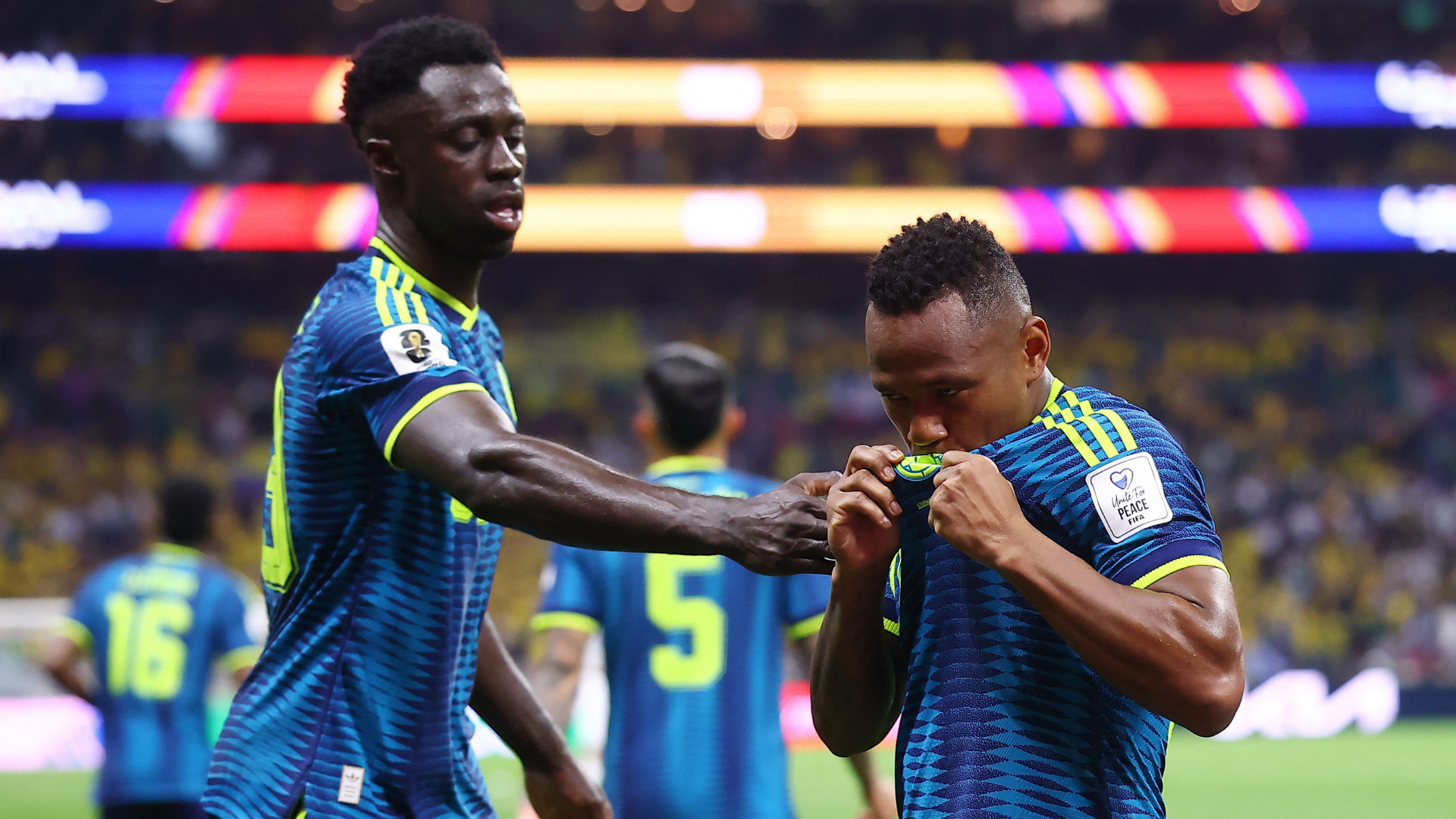
Although its path was not without difficulties, the team continued to evolve throughout the competition. The unexpected draw against Cape Verde in the group stage raised some early doubts, but instead of damaging the squad’s confidence, that result strengthened the group. From that point forward, Spain significantly raised its level and became one of the most dominant teams in the tournament.
From Possession to Vertical Soccer
While the 2010 champions became famous for perfecting “tiki-taka,” the 2026 team represents the natural evolution of Spanish soccer.
Luis de la Fuente’s side still values possession, but it now combines control of the ball with quick transitions, greater width, and a far more aggressive approach when attacking open spaces. That transformation has helped turn Spain into one of the most complete teams in the competition.
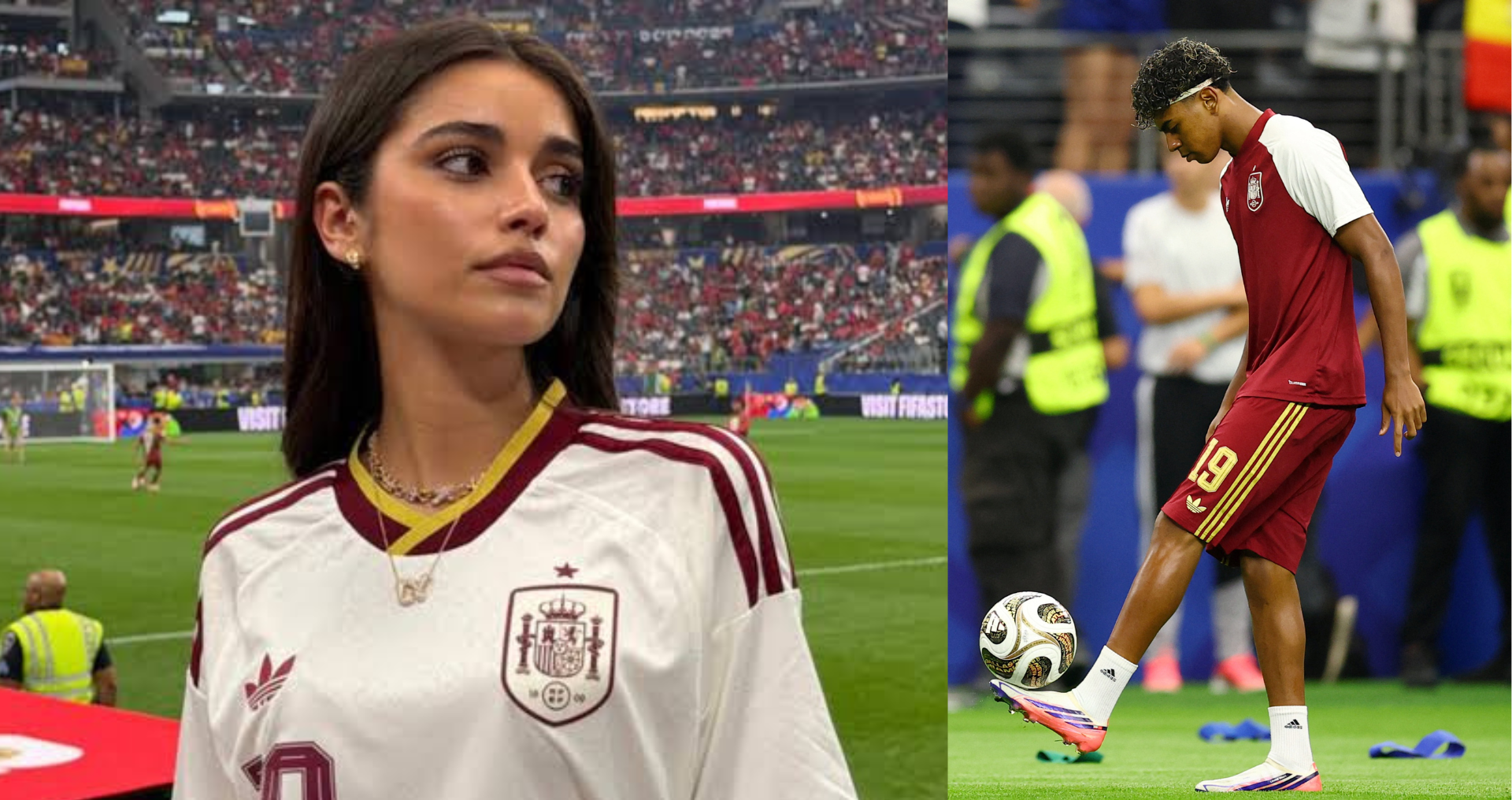
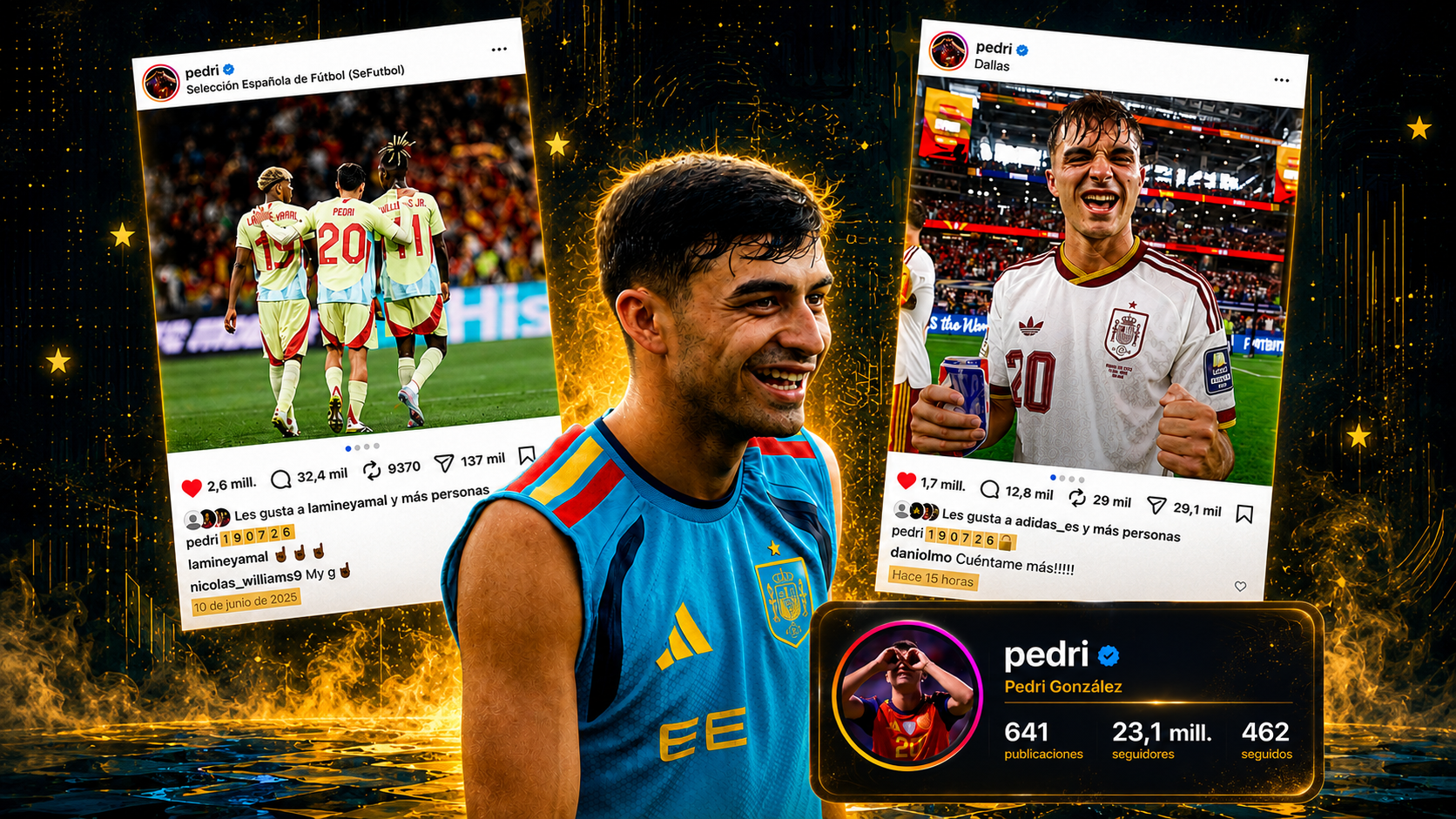
The creativity of Lamine Yamal, the balance provided by the midfield, and a solid defense led by Pau Cubarsí, along with the tireless work of Pedro Porro and Marc Cucurella, have made Spain extremely difficult to overcome. Unlike the 2010 team, this version can dominate through both possession and pace, giving it several different ways to respond to the demands of a match.
A Final to Write a New Chapter
Spain’s only previous World Cup final ended with Andrés Iniesta’s historic goal against the Netherlands, a moment that forever transformed the history of Spanish soccer. Before that triumph, La Roja’s best performance had been a fourth-place finish in Brazil in 1950, when the champion was determined through a final group stage rather than a traditional championship match.
Now, history has presented another opportunity. With a squad blending youth, talent, and experience, Spain will attempt to lift its second FIFA World Cup and prove that this generation deserves a place alongside the legendary team featuring Xavi Hernández, Andrés Iniesta, Iker Casillas, and many other icons.
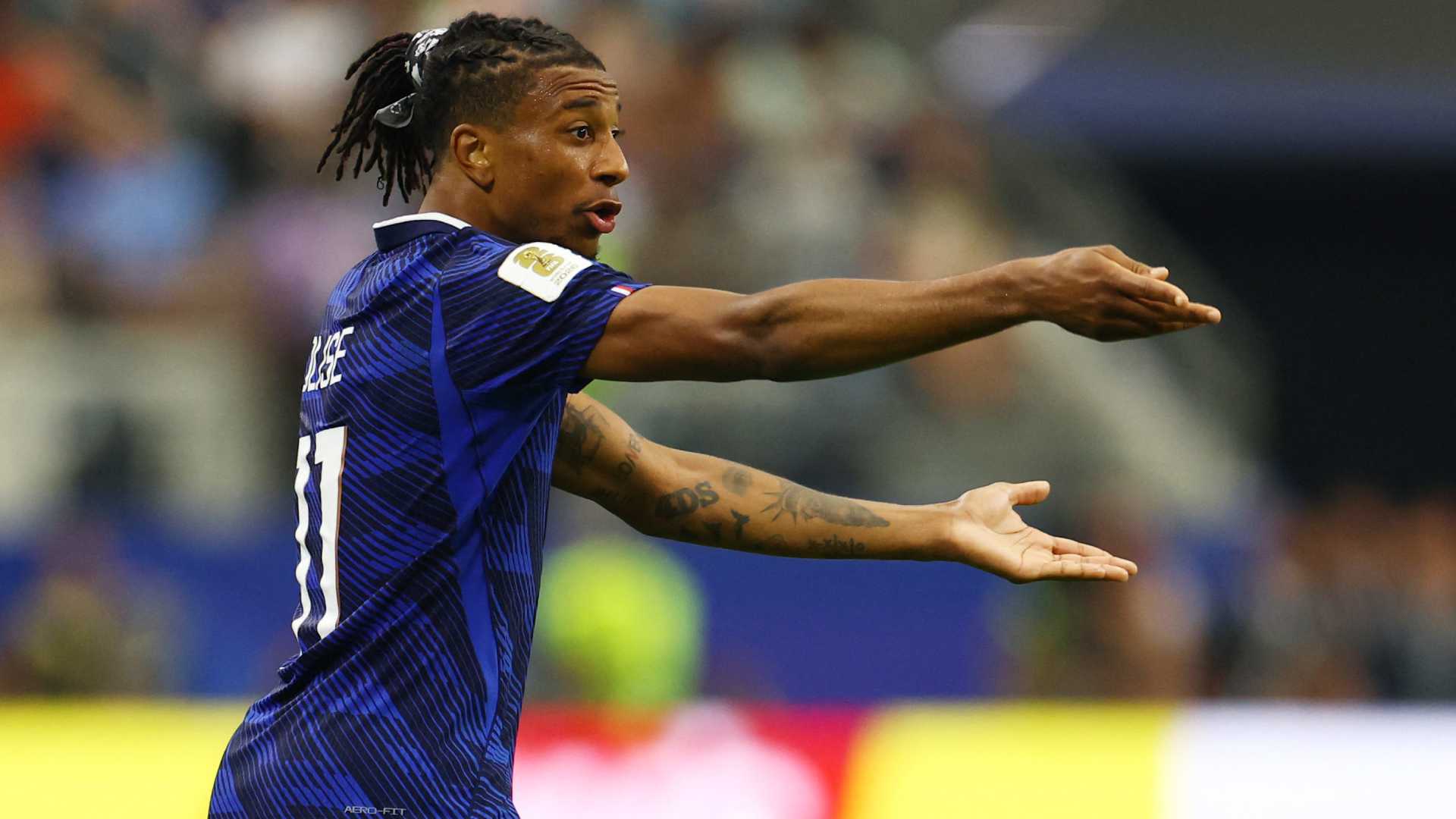
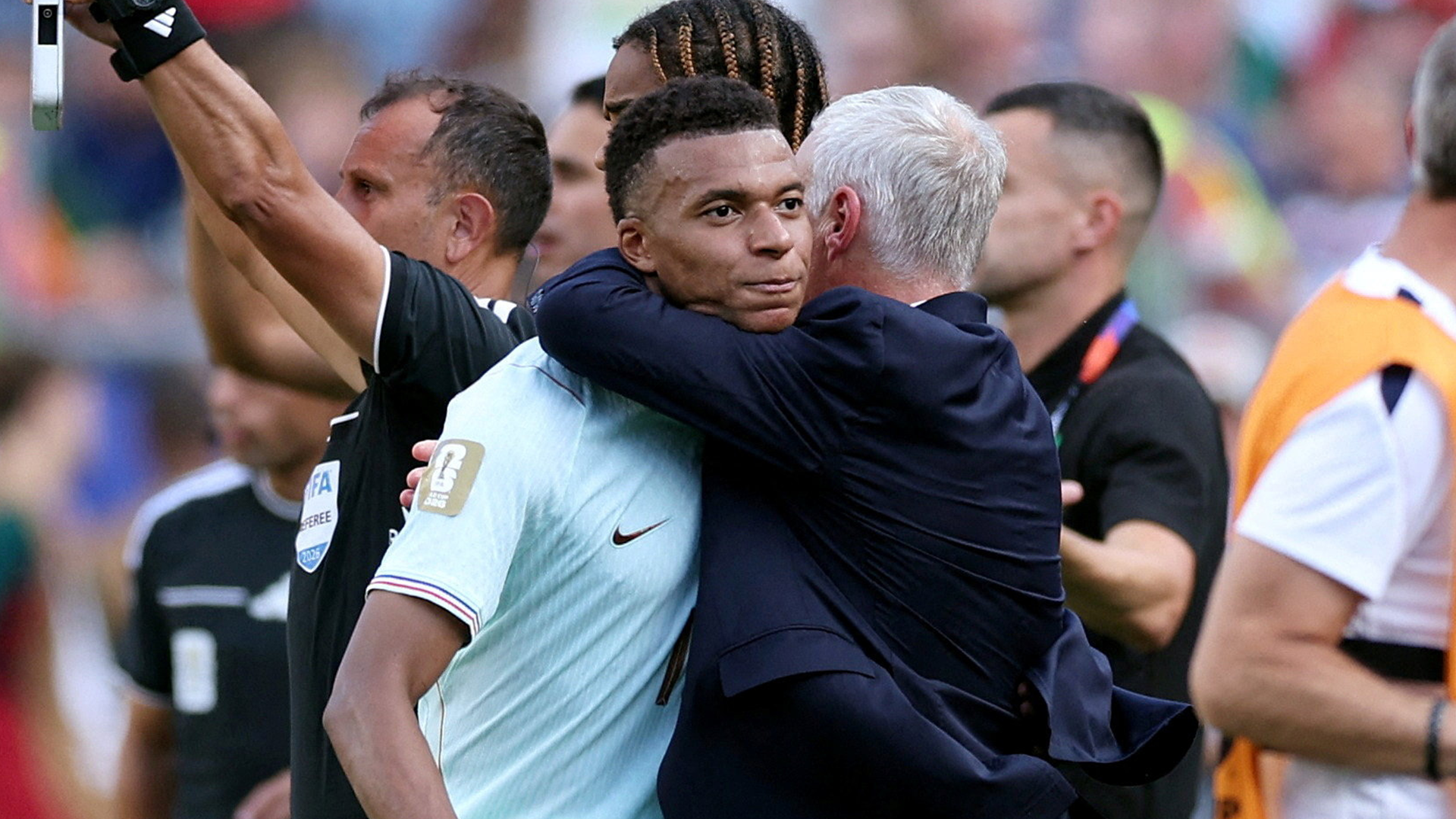
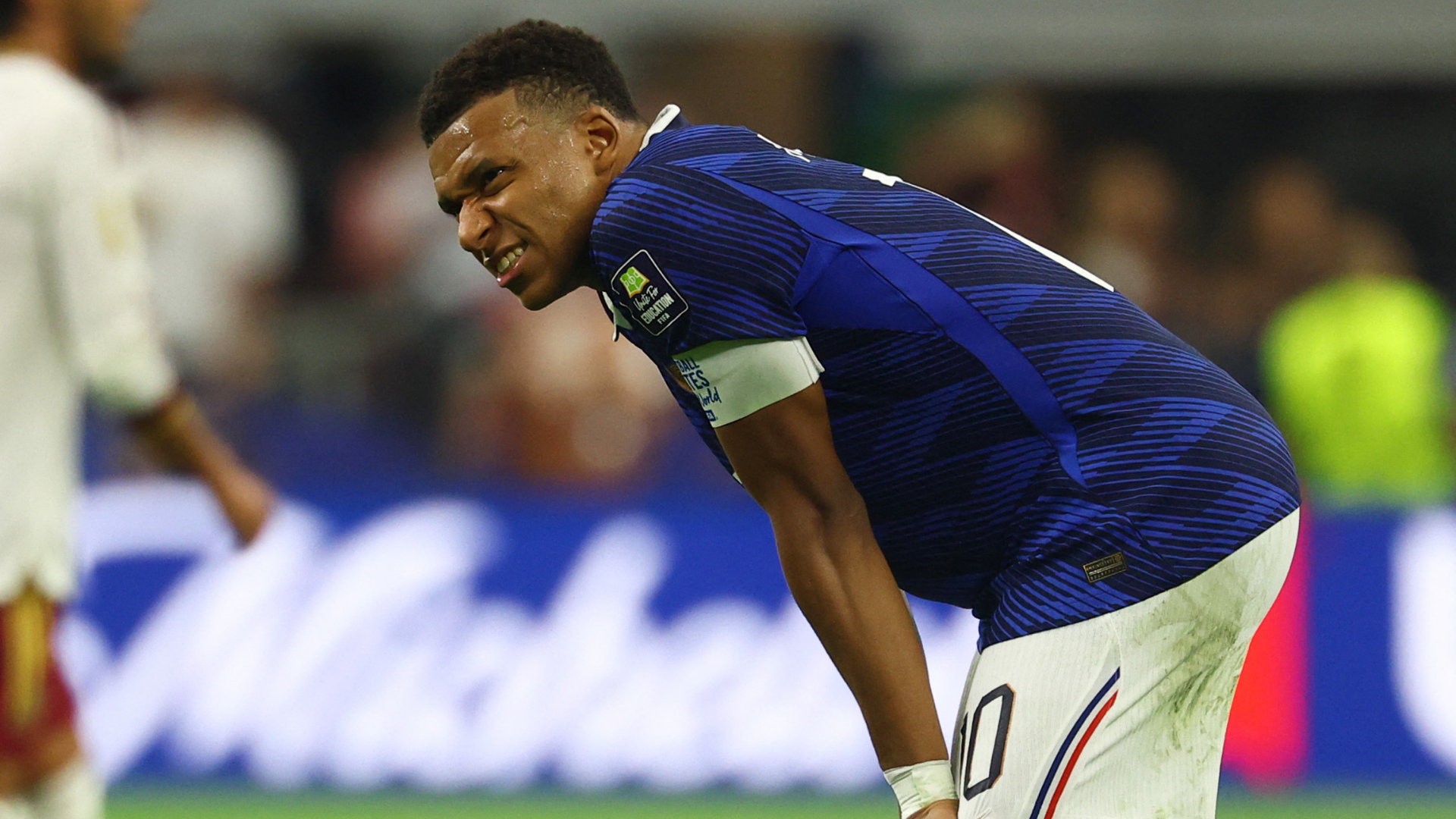
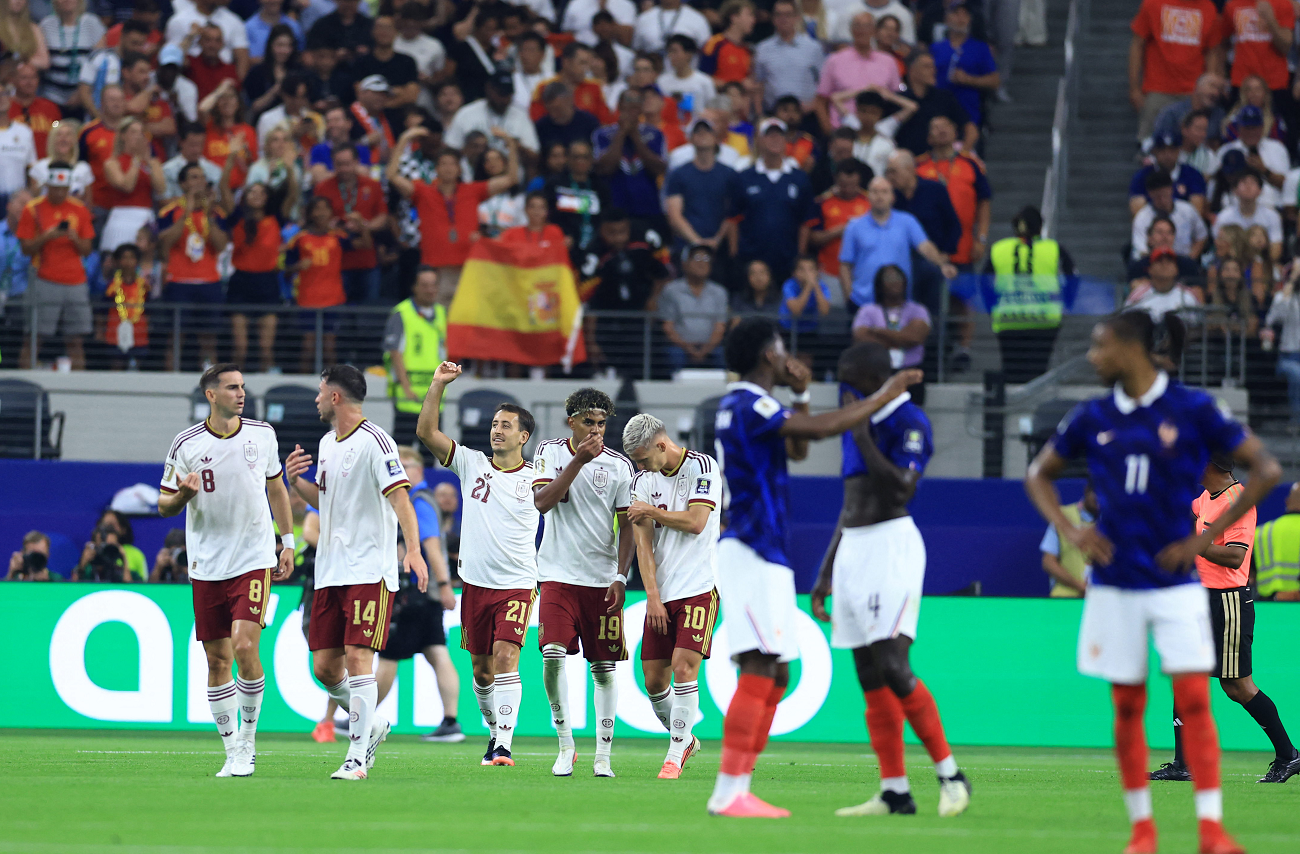
The challenge will be enormous, whether the opponent is Argentina or England, two national teams with rich World Cup traditions. However, the performances delivered during the knockout rounds—especially the authority shown against France—demonstrate that La Roja has every reason to believe it can conquer the world again.
Should Spain maintain the intensity, defensive balance, and attacking efficiency it has displayed throughout this World Cup, the dream of adding a second star to its crest will be more alive than ever.