
FIFA's Controversial Decision for the 2026 FIFA World Cup Final
The 2026 FIFA World Cup Final could break with one of football's longest-standing traditions, as the halftime break is expected to be significantly longer to make room for a major musical performance.
The World Cup Final could feature a historic halftime break
The 2026 FIFA World Cup Final may make history not only because of what happens on the pitch, but also because of what takes place during halftime.
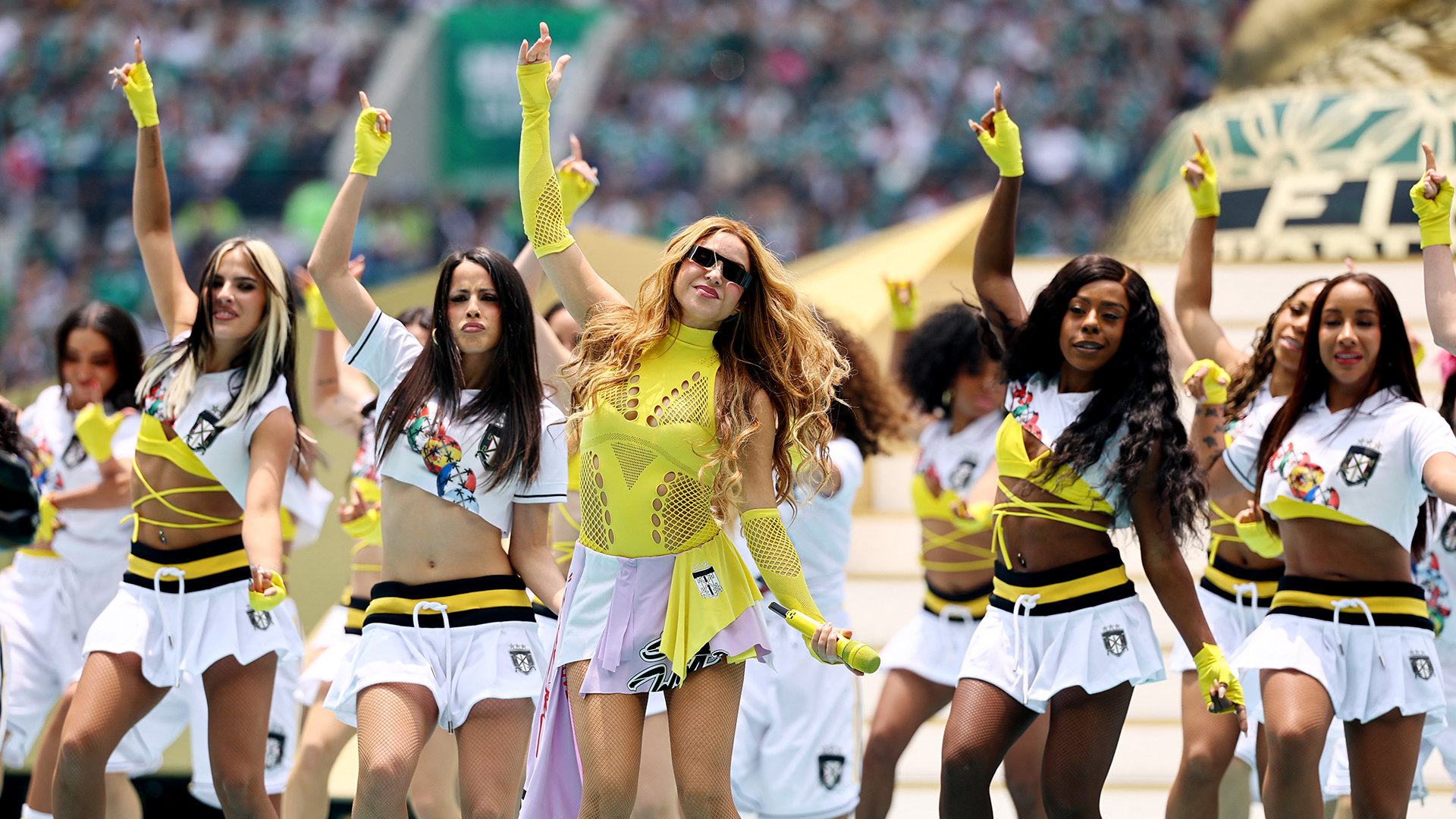
According to multiple reports, including one from The Times, the halftime interval is expected to last around 30 minutes—twice the traditional 15-minute break—to accommodate a large-scale musical performance.
If confirmed, it would mark the first time a FIFA World Cup Final includes a halftime show of this magnitude, bringing the tournament's biggest match closer to the format seen at other major global sporting events.

Can FIFA make this change?
The short answer is yes.
The 2026 FIFA World Cup competition regulations allow FIFA to implement specific decisions regarding the organization of the tournament whenever it deems appropriate.
The regulations also state that those decisions take precedence over other provisions governing the competition.
As a result, extending halftime would not represent a change to the IFAB Laws of the Game, but rather an organizational decision made under the competition's own regulatory framework.
What do the Laws of the Game say?
Law 7 of the IFAB Laws of the Game states that halftime should not exceed 15 minutes.
However, it also makes clear that the duration of halftime is determined by the competition's regulations and may be adjusted under the rules governing that specific tournament.
In the case of the FIFA World Cup, the competition regulations give FIFA the authority to make organizational decisions such as this one.
There is already a recent precedent
While it would be unprecedented for a FIFA World Cup Final, it would not be the first time FIFA has extended halftime for one of its major competitions.
During last year's FIFA Club World Cup Final, the halftime interval was also lengthened to accommodate an entertainment show, creating a precedent that could now be replicated on football's biggest stage.
The objective is reportedly to transform the World Cup Final into a global entertainment event that combines elite football with a world-class halftime production.
A decision that is already generating debate
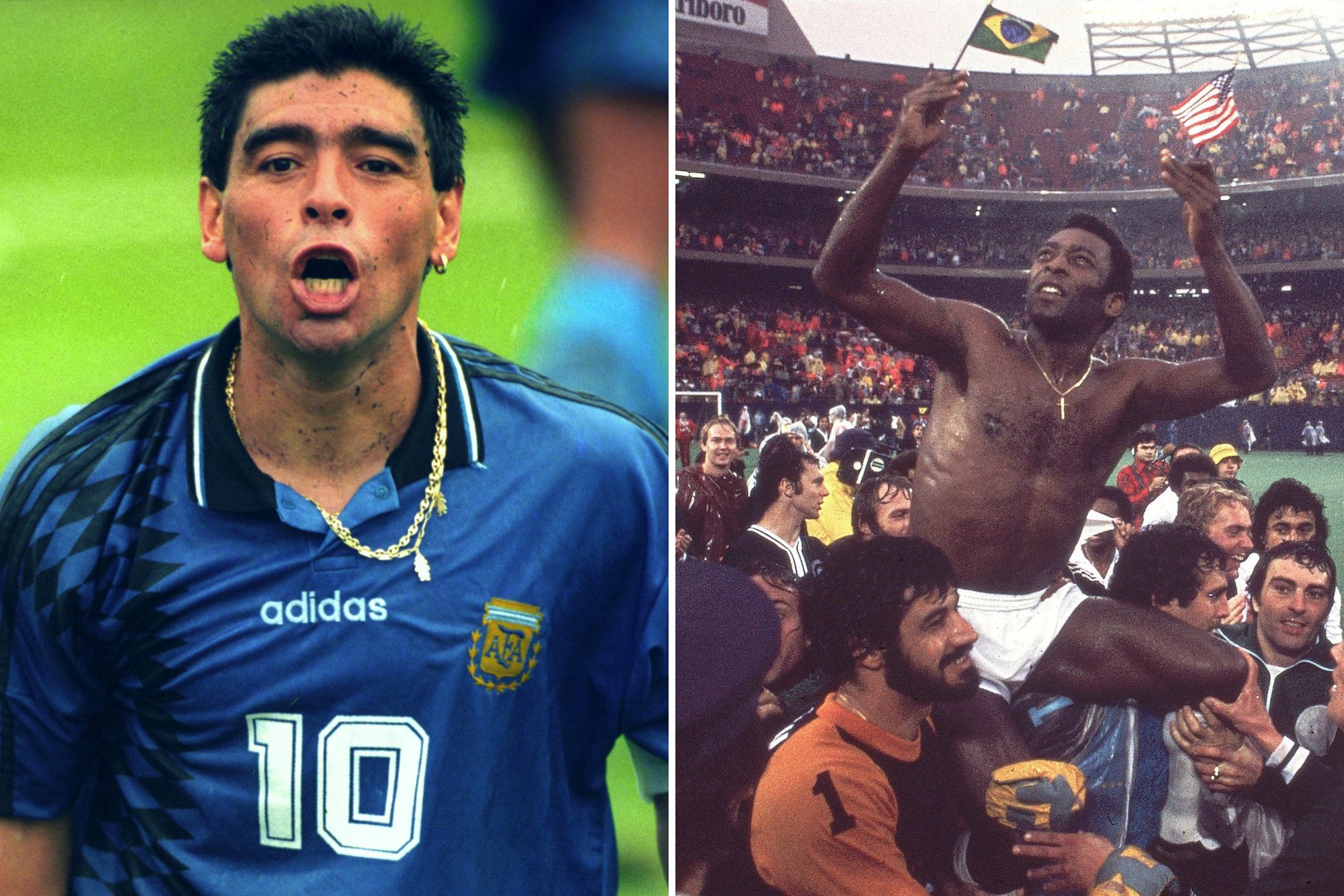
The expected change has sparked mixed reactions among fans and pundits.
Some believe a halftime show will enhance the global appeal and entertainment value of the World Cup Final, while others argue it breaks with one of football's most cherished traditions and could affect the rhythm of the match.
FIFA has yet to officially announce the details of the halftime show or confirm the exact duration of the break. Even so, all indications suggest the 2026 FIFA World Cup Final will be unlike any other in the tournament's history.
If confirmed, the world's biggest football match will also be remembered for a decision that has already become one of the tournament's most talked-about topics before kickoff.