

FIFA Considering Expanding the World Cup to 66 Teams
FIFA are seriously considering another expansion of the World Cup, with the tournament potentially growing from 48 to 66 national teams in 2030. The proposal has already sparked debate across the football world due to the massive sporting, financial, and organizational impact it could have.
The FIFA World Cup could become even bigger sooner than expected. Although the 2026 edition has yet to be played and will already introduce a historic 48-team format, discussions are underway within FIFA regarding a possible expansion to 66 nations for the 2030 tournament.
The proposal, initially pushed by CONMEBOL as a way to increase global representation, has gained momentum in recent weeks and is no longer viewed as an unrealistic idea inside football’s governing body led by Gianni Infantino.
Infantino has repeatedly emphasized his vision of the World Cup as a truly global celebration of football. Expanding the tournament would provide more countries with the opportunity to compete on the sport’s biggest stage, including nations that have never previously qualified for a World Cup.
The 2026 World Cup Will Be Crucial
The 2026 World Cup, hosted by the United States, Mexico, and Canada, is expected to play a major role in determining whether FIFA moves forward with another expansion.
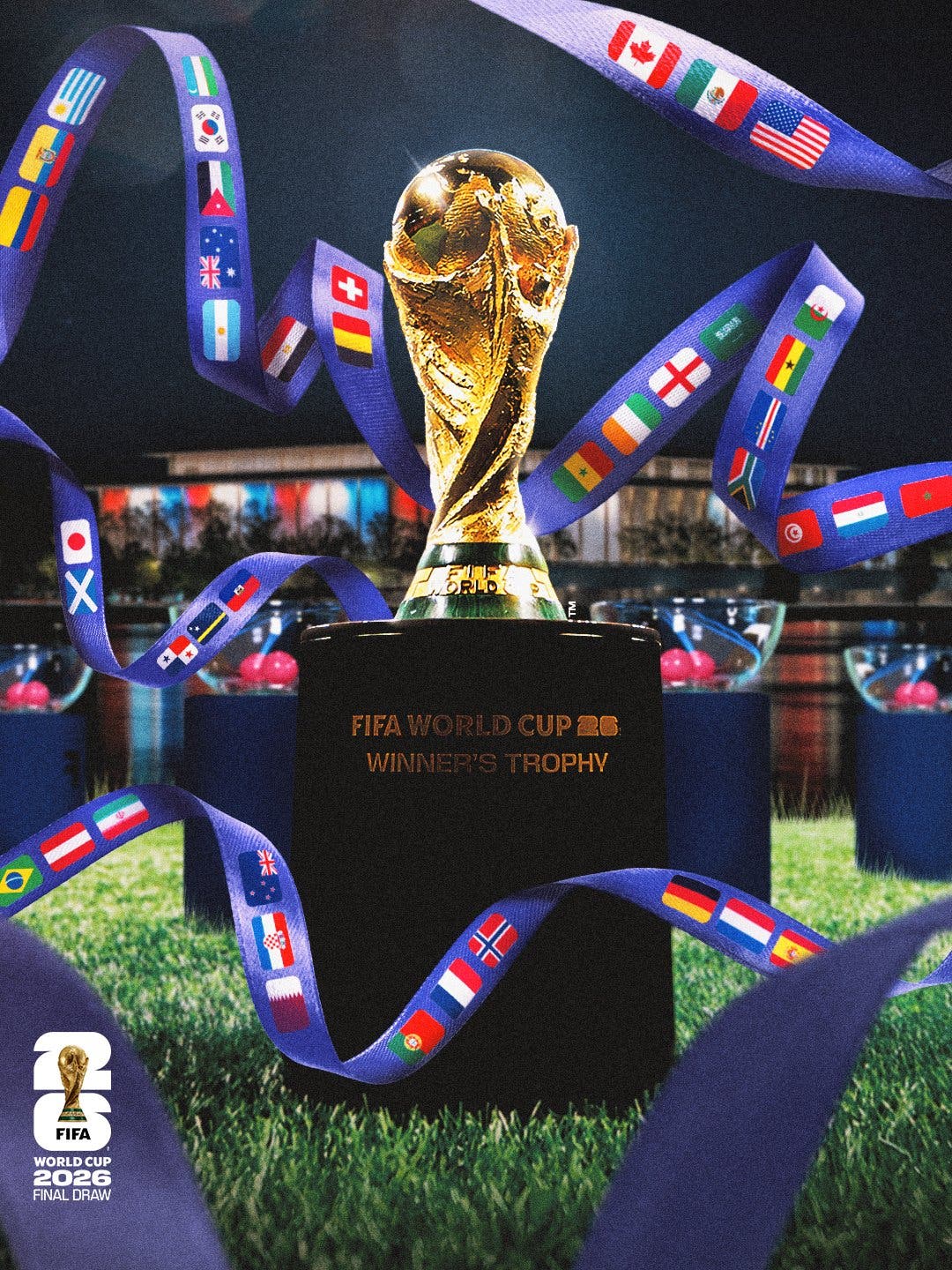
Next year’s tournament will already feature several debuting nations and will mark the first edition with 48 teams. If the new format proves successful both commercially and competitively, pressure inside FIFA to increase the number of participants even further could grow significantly ahead of 2030.
The 2030 World Cup is currently set to be hosted mainly by Spain, Portugal, and Morocco, while celebratory matches are also planned in Argentina, Uruguay, and Paraguay. However, a tournament featuring 66 teams would create enormous logistical challenges involving stadiums, infrastructure, and scheduling.
Criticism and the Business Behind Expansion
While the proposal would open the door for more countries to participate, it has also generated criticism. Some believe that a significantly larger tournament could dilute the competitive level of the World Cup and increase the physical burden on players due to an already overloaded football calendar.

Despite those concerns, FIFA’s focus appears to remain on the enormous financial and global engagement potential that a larger tournament would generate through more matches, more participating nations, and expanded worldwide reach.
For now, no final decision has been made, but the possibility is officially on the table. Everything suggests that the success or failure of the 2026 World Cup will determine whether football is ready for the biggest World Cup in history.