
- Home >
- Soccer >
- FIFA World Cup >
- Europe’s 12 World Cup Titles Leave South America Two Away from Drawing Level in 2026
Europe’s 12 World Cup Titles Leave South America Two Away from Drawing Level in 2026
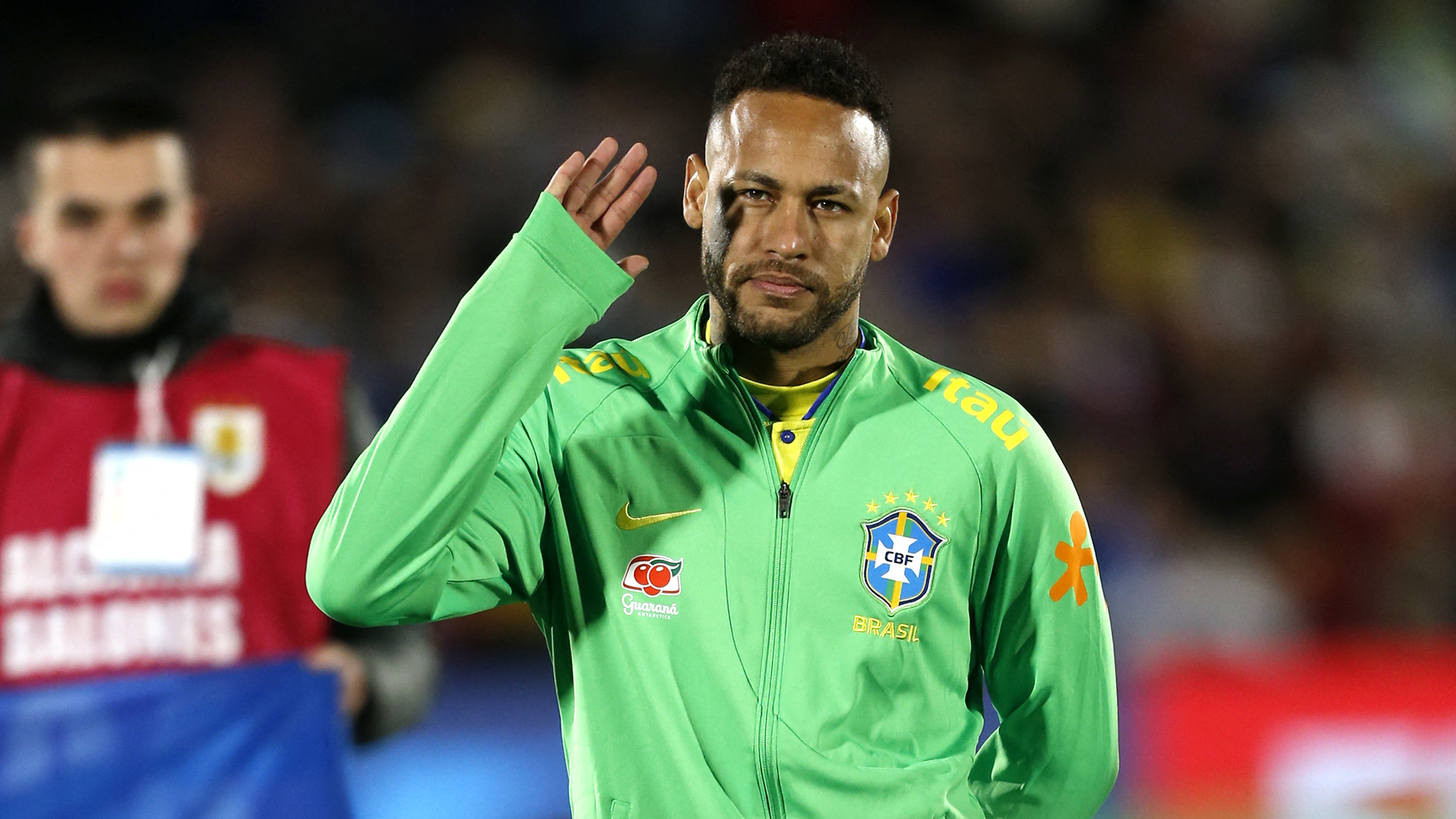
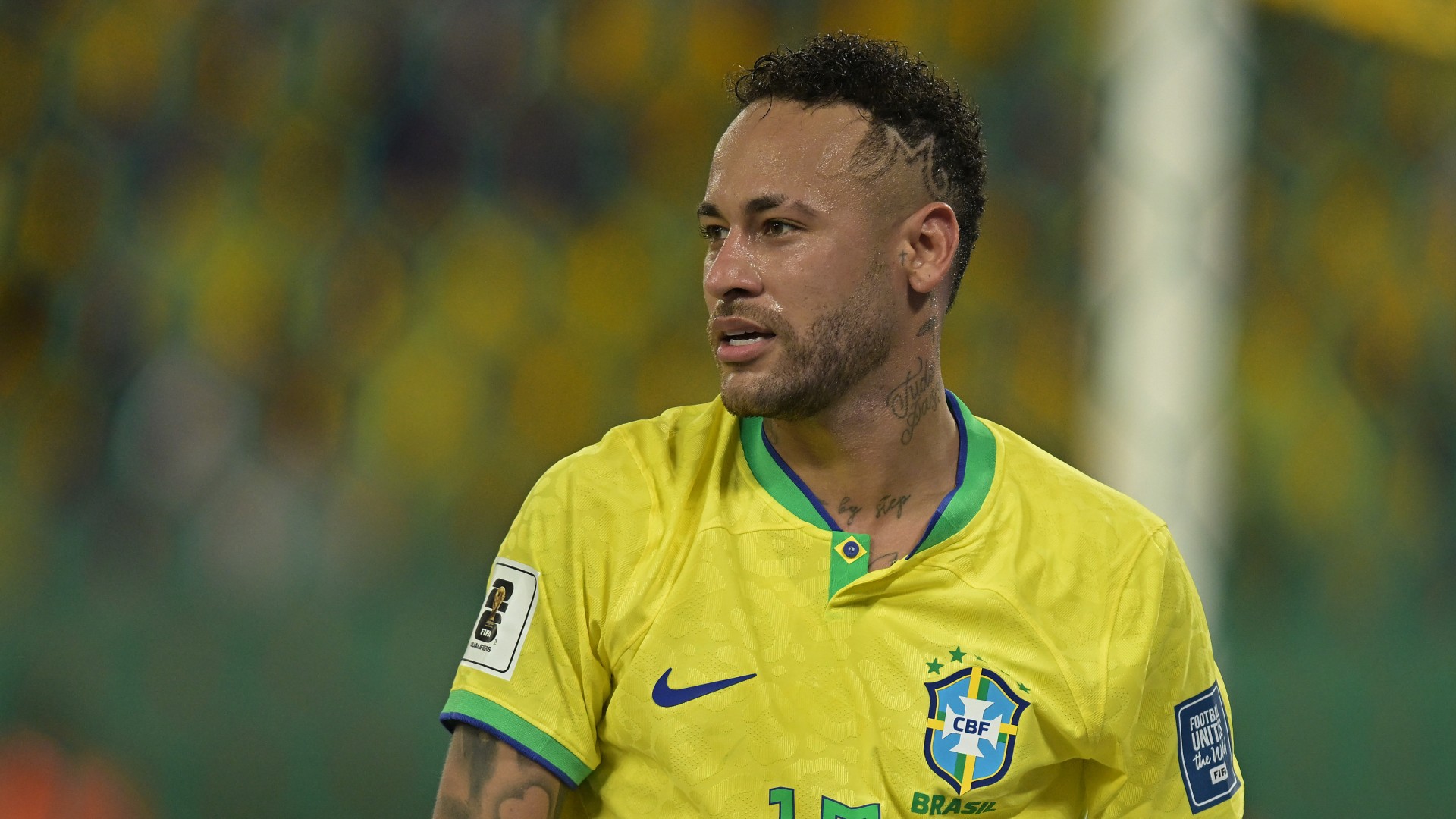
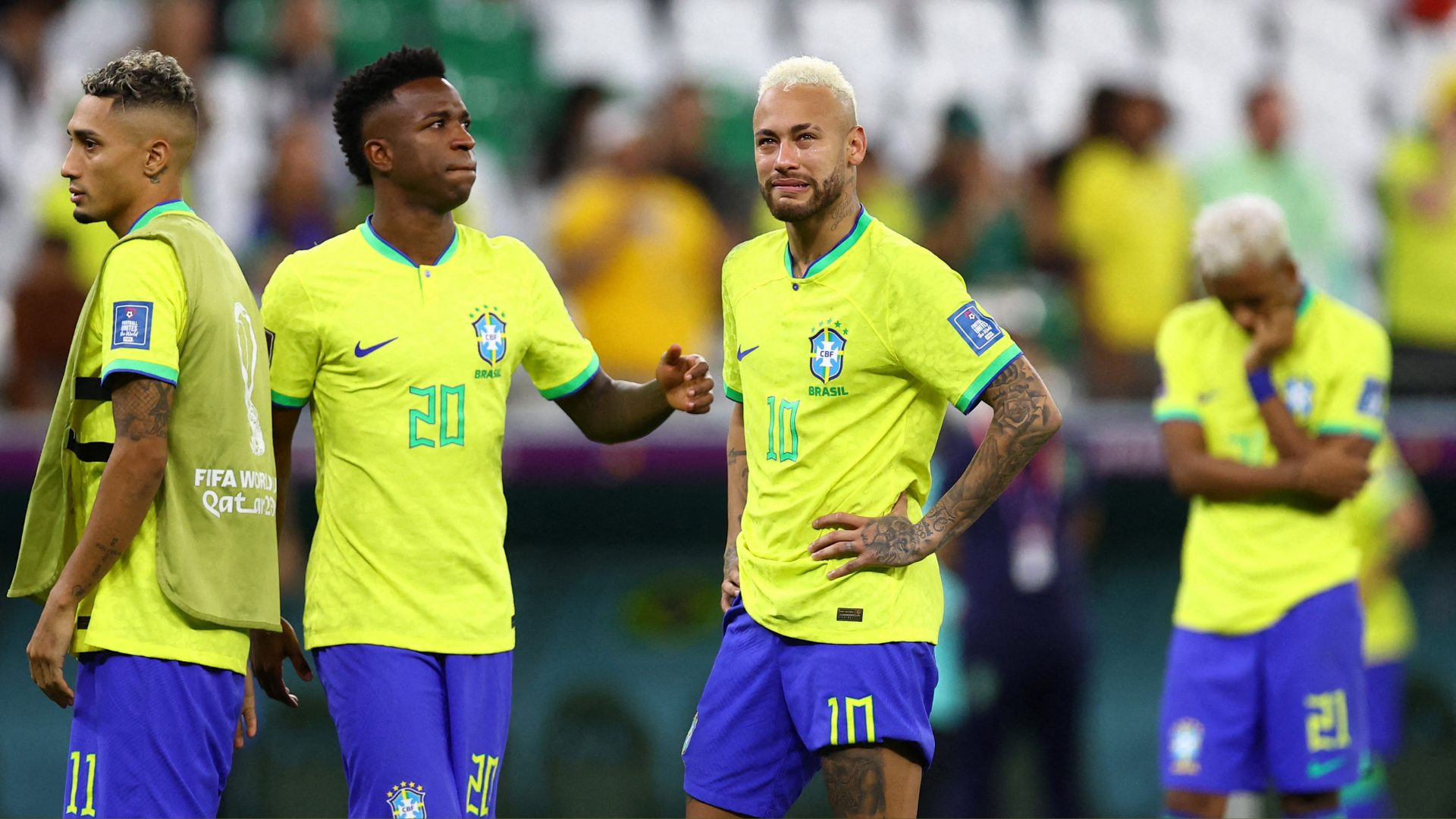
CONMEBOL’s biggest challenge in recent decades has been the Seleção’s title drought. Brazil, South America’s most successful and accomplished World Cup nation, has not lifted the trophy since its triumph at Korea/Japan 2002.
European national teams have set the pace at the FIFA World Cup, claiming 12 titles to date. Yet their throne remains firmly in the sights of South American sides, which boast 10 championships and will look to narrow the gap at the 2026 edition.
The Old Continent’s dominance is reflected in UEFA’s trophy cabinet, built on the success of five powerhouse nations. Germany and Italy lead the way with four titles apiece, followed by France’s two triumphs and single crowns for Spain and England.
CONMEBOL’s response, meanwhile, is rooted in the rich tradition of its three historic giants. Brazil tops the South American tally with five World Cup victories, while Argentina has lifted the trophy three times and Uruguay owns two titles.
The significance of those numbers becomes even greater when considering that, in nearly a century of tournament history, World Cup glory has remained one of the most exclusive clubs in sports: only eight countries on the planet have ever been crowned world champions.
Recent history has made Europe’s superiority even more apparent. Despite Argentina’s triumph in Qatar 2022, UEFA nations have won four of the last five World Cups, giving Europe a commanding edge over their South American rivals.
That run began with Italy’s victory in Germany 2006, continued with Spain’s breakthrough title in South Africa 2010, carried on through Germany’s success in Brazil 2014, and was reinforced by France’s triumph at Russia 2018.
A Geographical Tug-of-War
Europe has been remarkably successful at defending home turf, winning the vast majority of World Cups staged on its own soil. South America, however, has consistently sought to counter that territorial advantage with its trademark grit and competitive spirit.
For CONMEBOL, the biggest challenge in recent decades has been Brazil’s drought. The most successful nation in South American football has not lifted the trophy since its victorious campaign at Korea/Japan 2002, placing increased pressure on its continental neighbors to carry the region’s banner.
This transatlantic rivalry has also left the rest of FIFA’s confederations trailing behind. Emerging football regions such as Africa, Asia and Concacaf enter the 23rd edition of the tournament without having produced a single World Cup finalist.
The expansion to a 48-team format, set to debut across the United States, Mexico and Canada, has already reshaped the traditional balance of power. Europe will receive 16 automatic berths, while South America will be guaranteed six spots, increasing opportunities for both blocs.
Whether other regions can capitalize on their expanded allocations remains an open question. Still, performances such as Morocco’s historic run in 2022 and South Korea’s breakthrough campaign in 2002 offer a glimmer of hope that new contenders can emerge among football’s elite.
UEFA, however, will head to North America determined to extend its advantage and reinforce its status as the sport’s dominant force. South America’s contenders, meanwhile, will take the field with the mission of closing the gap, fully aware that seats at football’s table of champions remain in limited supply.