
De la Fuente Responds: “We Did Want to Play”
Statements from Alejandro Domínguez, president of CONMEBOL, in which he claimed that Argentina were back-to-back Finalissima champions because Spain failed to show up for the match, did not sit well with the Spanish Federation.
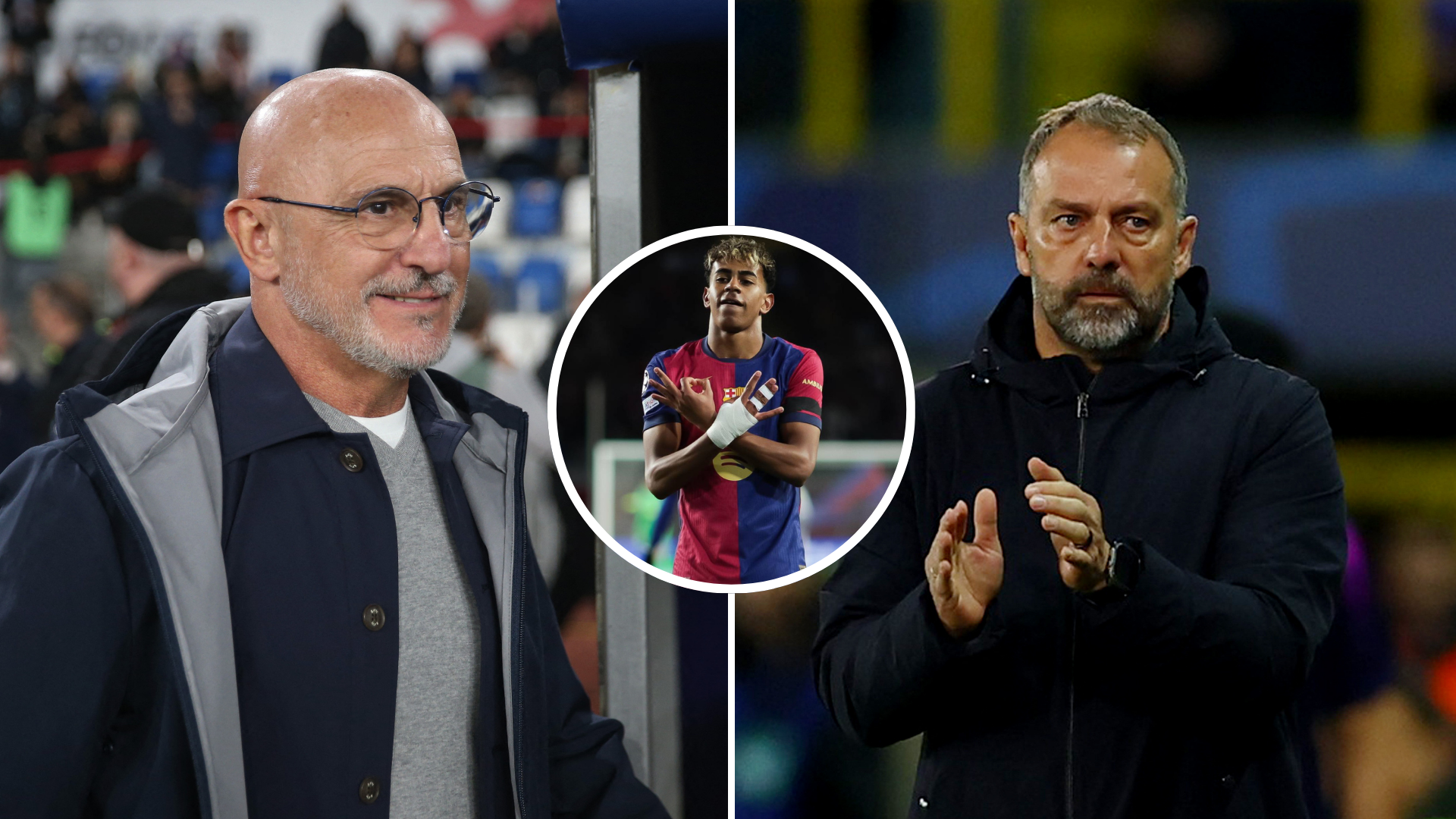
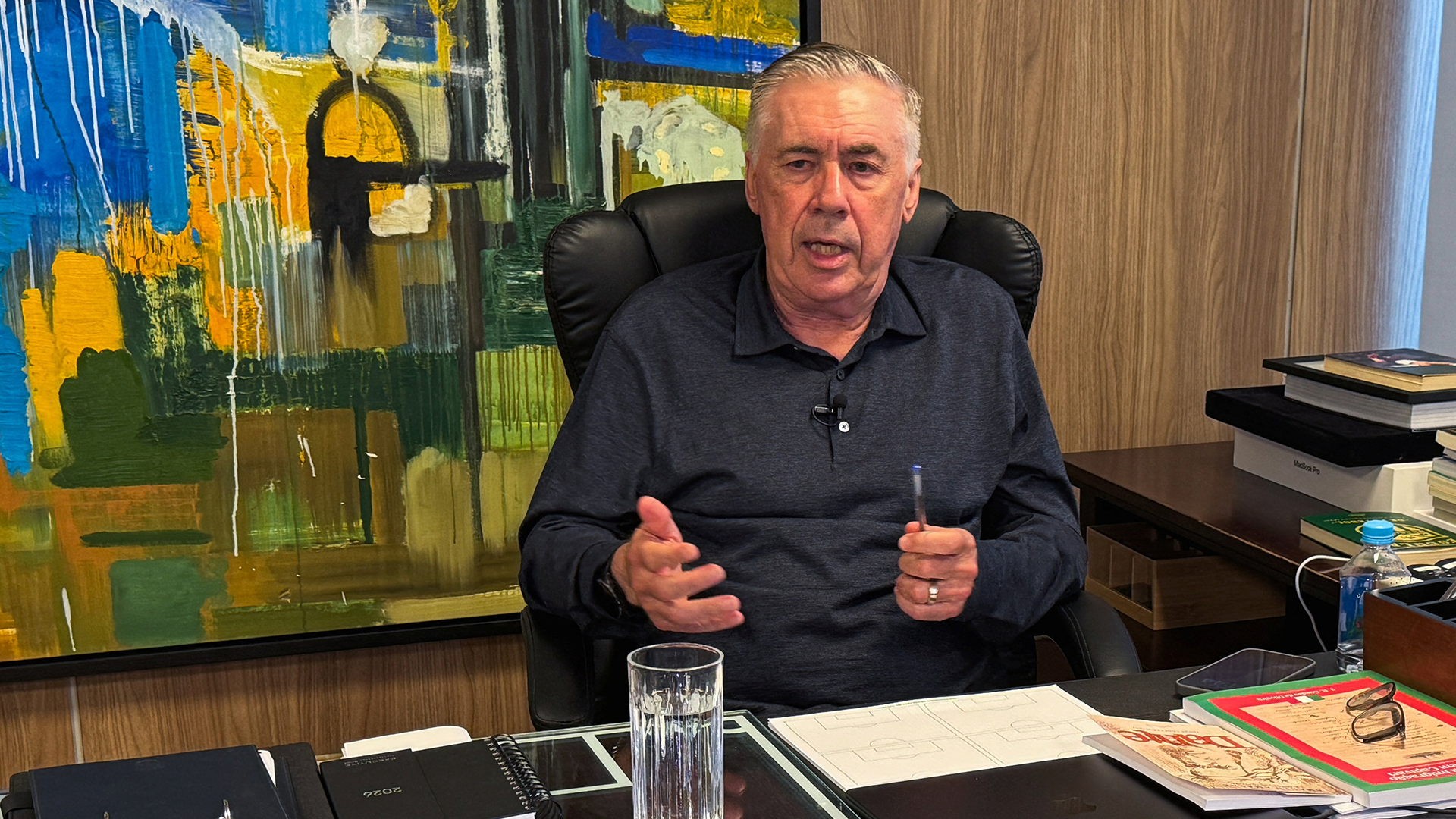
Luis de la Fuente, speaking at a press conference ahead of La Roja’s friendlies against Serbia and Egypt, responded directly to those remarks. The Spanish head coach was clear: “Two teams don’t play if one doesn’t want to, and we did want to play.”
He also made it clear that the venue was never an issue for Spain. De la Fuente explained that the team was willing to play the Finalissima regardless of whether it took place in Doha, Buenos Aires, or any other location, emphasizing that the stance of the Royal Spanish Football Federation had always been the same: there was full willingness to play the match, which ultimately ended up being canceled.
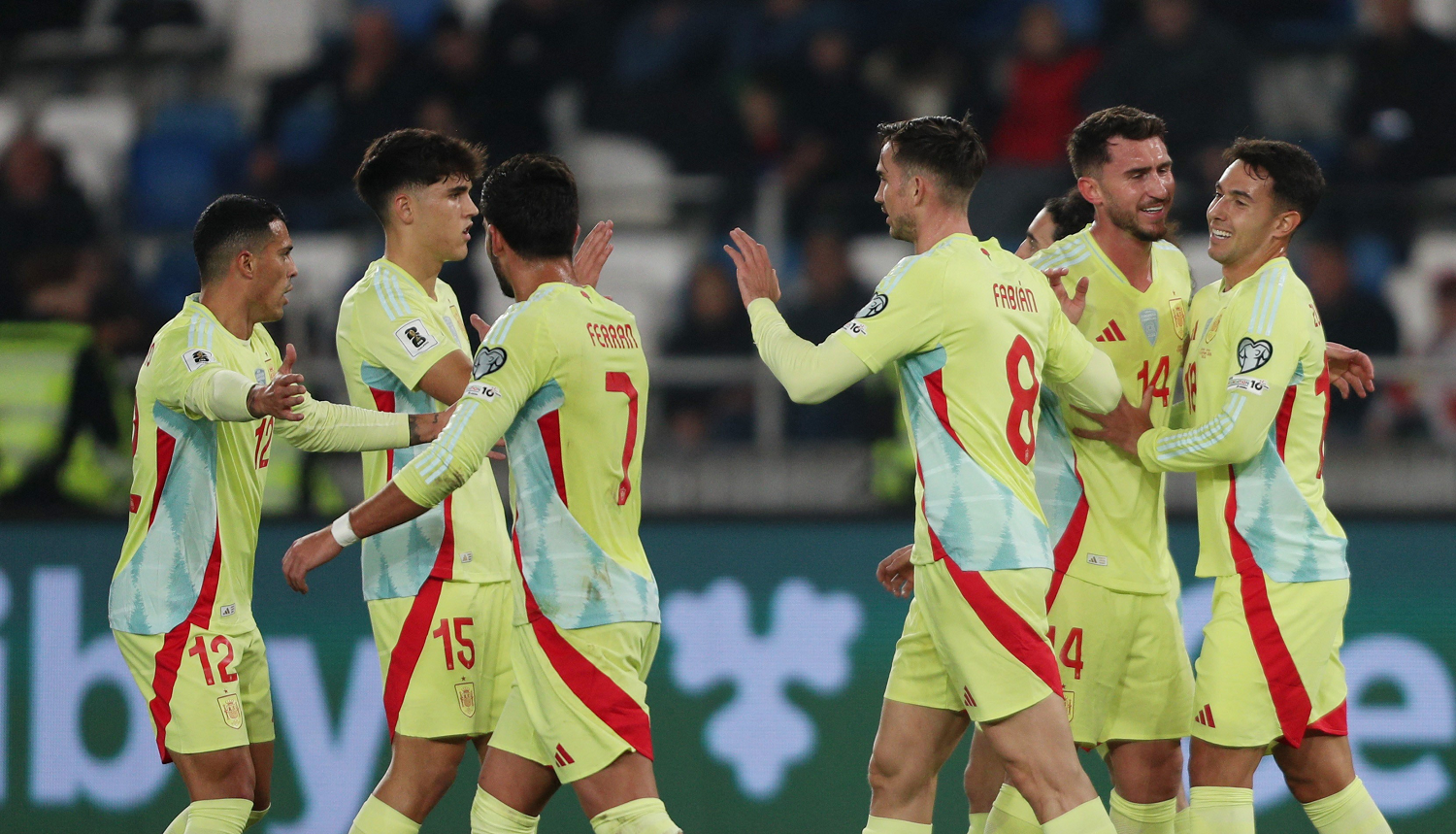
The coach also highlighted the importance of that fixture for Spain’s sporting plans. La Roja had not played since November, making that international window a valuable opportunity to return to competition, assess the squad, and do so in a match with a title at stake. In preparation for the World Cup, these types of games not only raise the level of competition but also help fine-tune details for a group aiming to reach peak form for the big stage.

Reactions and Controversy Over the Cancellation
It is worth recalling that the president of the AFA, Claudio “Chiqui” Tapia, also spoke out on social media to make his position clear. “We are world champions, two-time Copa América champions, and Finalissima champions,” he wrote, adding that there was no difference between playing on the 31st in Barcelona or in Italy, while also calling for “seriousness” on the matter.
As expected, those comments were not well received within the camp of the current European champions, and Luis de la Fuente’s response was a logical, firm, and measured reply. In Spain, there is a belief that there was always a willingness to play the match, but the necessary conditions to finalize it never fully aligned.
It has also emerged that different venue options were explored, including Madrid and Buenos Aires, although none ultimately materialized. Later, there was a proposal to move the match to March 31, a date that did not fully fit into the Spanish team’s plans. In the end, amid logistical disagreements, tight schedules, and conflicting positions, the Finalissima simply did not take place.
What has caused the most frustration in Spain is not just the cancellation of the match, but the idea coming from South America that Argentina should be considered champions without the game being played. That is where the real issue lies: there was no match, no kickoff, and therefore, there should not be an official champion decided on the pitch.
This episode, far from being settled, seems to open a new chapter in the relationship between the two confederations around a tournament that, in theory, was meant to showcase a clash between champions. Instead, it ended up surrounded by statements, reproaches, and conflicting versions. And judging by how both sides reacted, it feels like this story is far from over.