
Could Messi Have Played for Brazil?
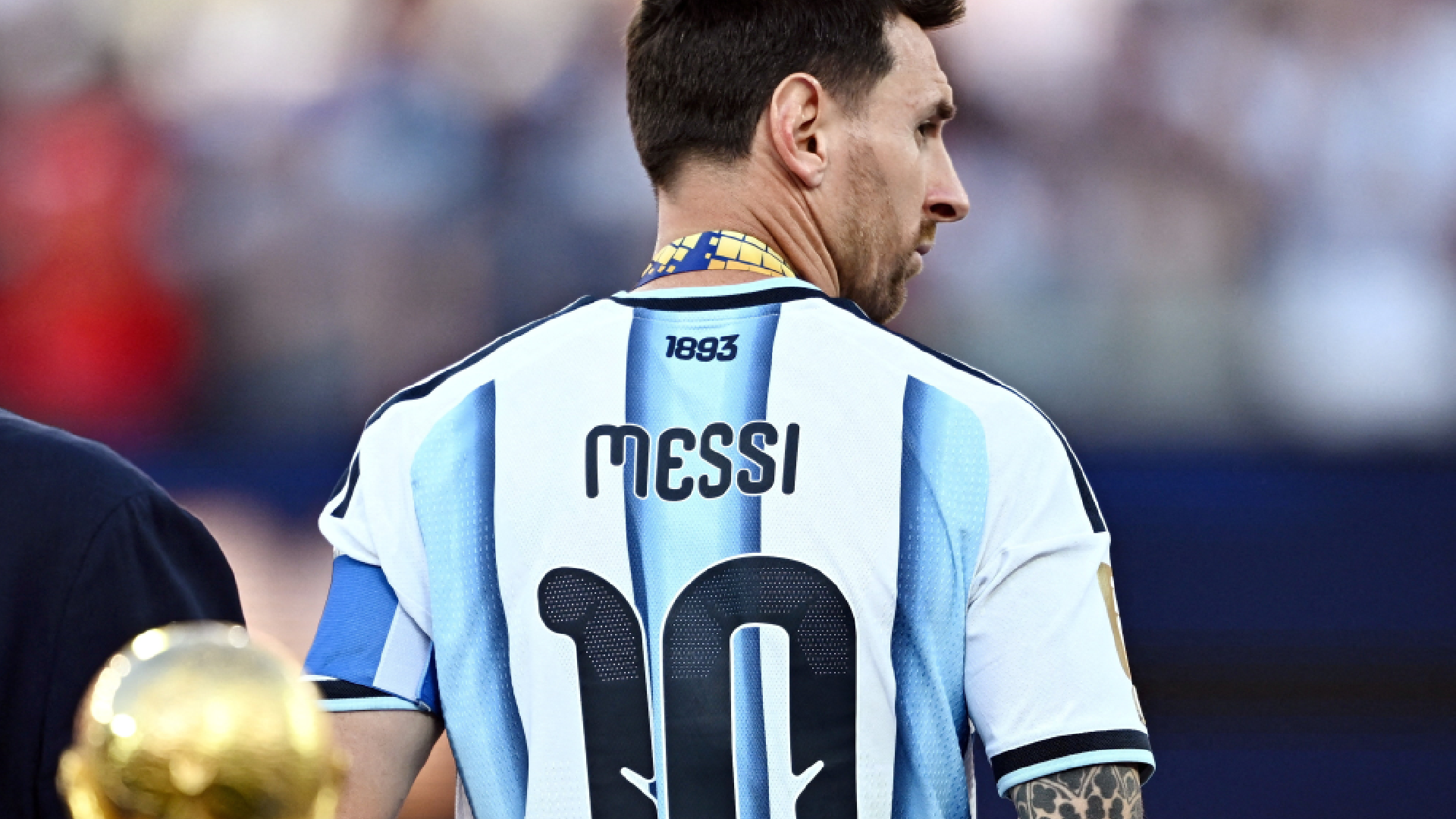
For more than two decades, Lionel Messi has been the ultimate symbol of Argentina. However, a recent historical investigation has uncovered a little-known detail: the World Cup-winning captain also has family roots in Brazil, meaning his story could have taken a very different path under different circumstances.
The research, first reported by Brazilian outlet Globo and conducted by Italian historian Fiorenzo Santini, traced the family tree of the Argentine superstar and found that one of his great-grandfathers was born in the state of São Paulo before the family emigrated to Argentina in the early 1900s.
Messi's Family Journey Through Brazil
The story begins with Lionel Messi's great-great-grandfather, Raniero Coccettini, who was born in San Severino Marche, Italy.
Together with his wife, Rosa Richezza, he emigrated to Brazil as part of the massive wave of Italian immigration to South America during the late 19th and early 20th centuries.
The family arrived at the port of Santos, where something quite common at the time happened: their names and surnames were altered during the immigration registration process.
Raniero Coccettini was recorded as Ramiero Concenttini, while the family surname also underwent several spelling changes over the years.
The family later moved to the countryside of São Paulo, where they worked in agriculture on farms owned by Martinho Prado Júnior, one of the region's most prominent coffee producers.
It was during that period that one of their children was born in Ribeirão Preto.
When officially registered, his name changed once again. Arderigo Coccettini became Federico Cuccittini, the man who would later become Lionel Messi's great-grandfather.
From Brazil to Rosario
The family's stay in Brazil did not last long.
When Federico Cuccittini was just one year old, the entire family relocated to Rosario, the Argentine city where the story of one of football's most famous families would eventually begin.
From that moment on, the family's history unfolded entirely in Argentina, and virtually all direct ties to Brazil disappeared.
Decades later, Lionel Messi was born in Rosario and went on to become the greatest player in the history of the Argentina National Team.

Could Messi Really Have Played for Brazil?
The discovery immediately sparked an obvious question among football fans: could Messi have represented Brazil?
From a historical perspective, the investigation confirms that the Argentine captain has family roots connected to Brazilian territory.
However, that alone would not have automatically made him eligible to play for the Seleção Brasileira.
FIFA's eligibility rules are based on nationality and legal ties to a country, not solely on the birthplace of distant ancestors. In Messi's case, his birth, nationality, football education, and entire sporting development were all linked to Argentina, the nation he represented from the youth levels all the way to becoming a World Cup champion.
A Fascinating Chapter in Football History
The research conducted by Fiorenzo Santini adds another remarkable chapter to the family history of the eight-time Ballon d'Or winner.
While the discovery does nothing to change Messi's extraordinary legacy with Argentina, it does highlight how the great waves of European immigration to South America connected the histories of countries such as Italy, Brazil, and Argentina.
Today, it is almost impossible to imagine Lionel Messi wearing any jersey other than that of the Albiceleste. Yet more than a century before he became one of football's greatest legends, part of his family lived in the Brazilian countryside, leaving behind a fascinating historical connection that has now resurfaced for the football world to discover.