
- Home >
- Soccer >
- FIFA World Cup >
- Australia at the FIFA World Cup 2026: Squad, Key Players, and Everything You Need to Know
Australia at the FIFA World Cup 2026: Squad, Key Players, and Everything You Need to Know
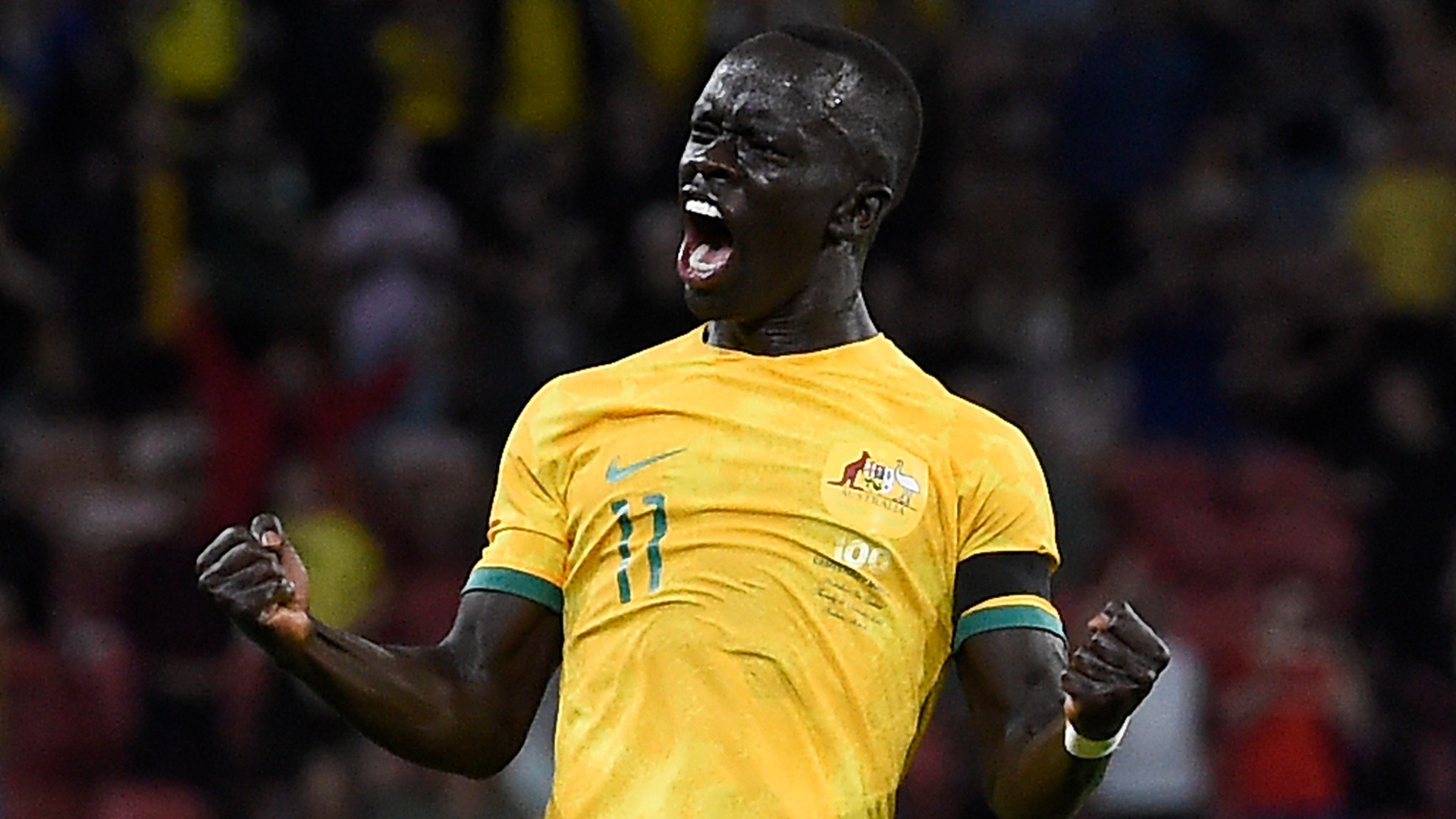
Australia arrives at this World Cup with the challenge of once again getting past the Round of 16. The Socceroos are going through a rebuilding phase, with a young generation still looking to establish itself at the international elite level.
Australia arrives at this World Cup with the challenge of once again breaking past the Round of 16 barrier. The Socceroos are going through a rebuilding phase, with a young generation still looking to establish itself at the international elite level. They do not boast major global superstars, but they do have a disciplined and competitive squad that has found stability under Tony Popovic.
After a difficult end to 2025, the Australian national team managed to regain rhythm and confidence. The new coach’s work has been key in restoring tactical order to a team that has historically competed best through intensity, discipline, and collective effort.
🛣️ Road to the World Cup
The Asian qualifiers were not easy, although Australia secured qualification without seriously putting their spot at risk. In Group C of the third round, they faced Japan, Saudi Arabia, Indonesia, China, and Bahrain.
The start was rough. They suffered a surprising 0–1 home loss to Bahrain in Queensland, a result that raised concerns. A draw against Indonesia followed, leading to a major decision: the departure of Graham Arnold and the arrival of Tony Popovic.
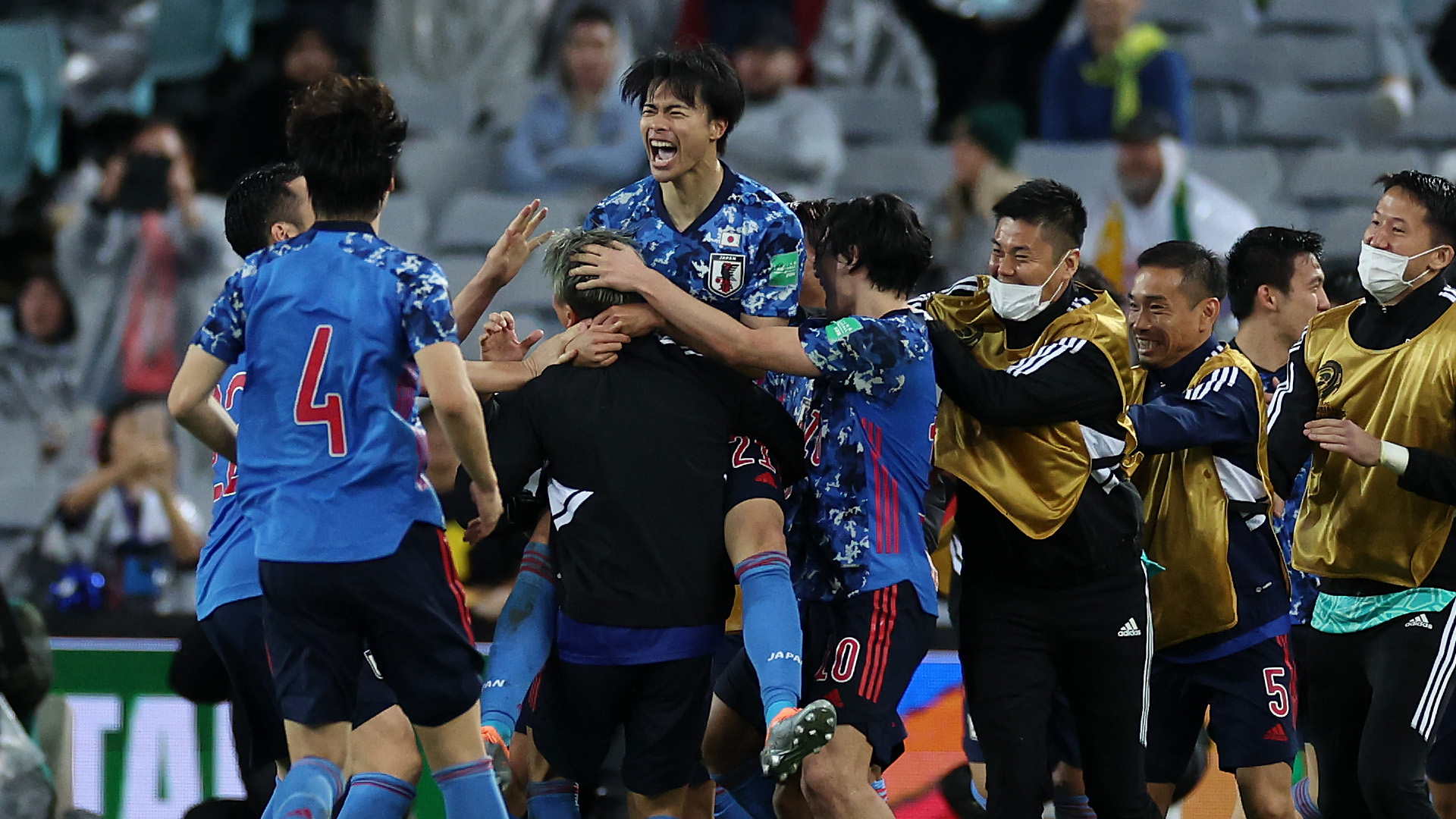
The change proved effective. Australia regained stability and achieved key results, including a historic 1–0 win over Japan in Perth—the only loss for the Samurai Blue throughout the entire qualifying campaign. The Socceroos finished second in the group with 19 points, securing direct qualification to the FIFA World Cup 2026.
⚡ National Team Context
- Confederation: Asia
- FIFA Ranking: 27
- World Cup Appearances: 7
- Best Finish: Round of 16 (Germany 2006 and Qatar 2022)
📖 World Cup History
Australia played its first World Cup in Germany 1974, earning a historic goalless draw against Chile in Berlin. They had to wait until Germany 2006 to return, where they surprised many by reaching the Round of 16 as runners-up in Group F, behind only Brazil.
In that knockout match, they came close to eliminating Italy, but a penalty from Francesco Totti in the 95th minute ended their World Cup dream.
Since then, Australia has become a regular participant, appearing in South Africa 2010, Brazil 2014, and Russia 2018, though they were eliminated in the group stage each time. In Brazil 2014, they produced one of the tournament’s most memorable goals: a spectacular volley by Tim Cahill against Netherlands in Porto Alegre.
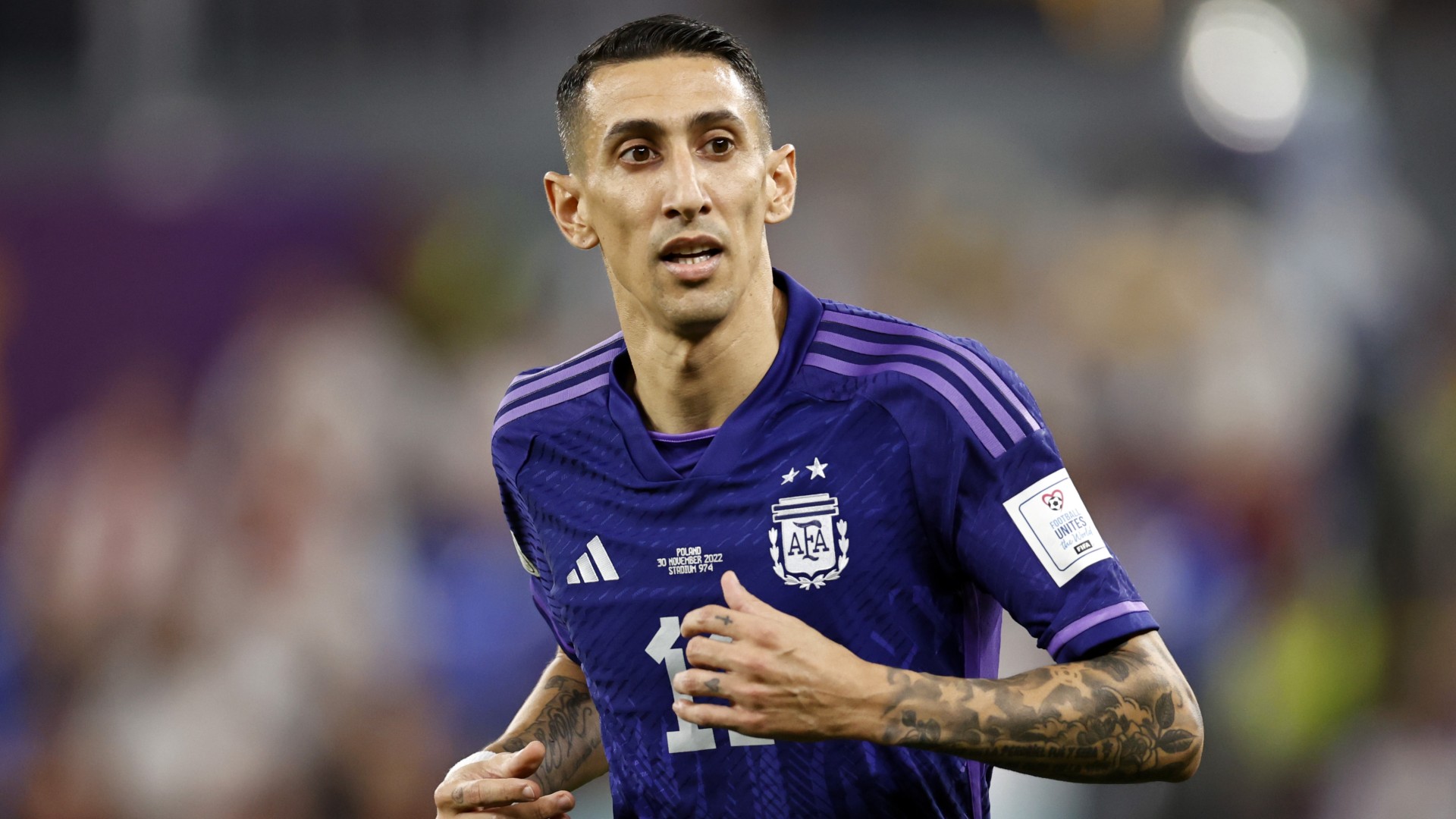
In Qatar 2022, they once again advanced past the group stage and reached the Round of 16, where they were eliminated by eventual champions Argentina.
Interestingly, both times Australia reached the Round of 16, they were knocked out by the tournament’s eventual winner.

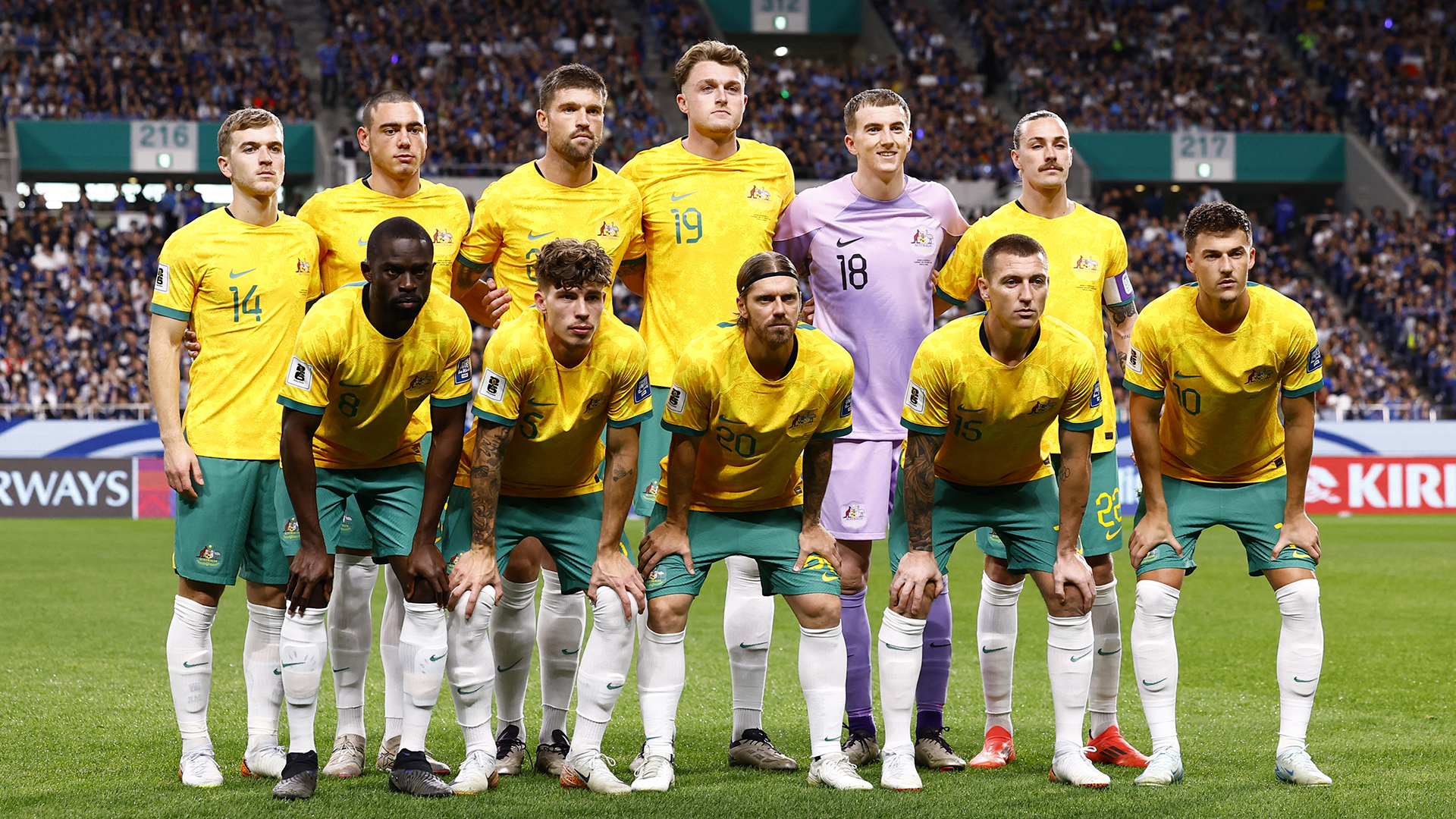
📋 Squad
🔥 Player to Watch
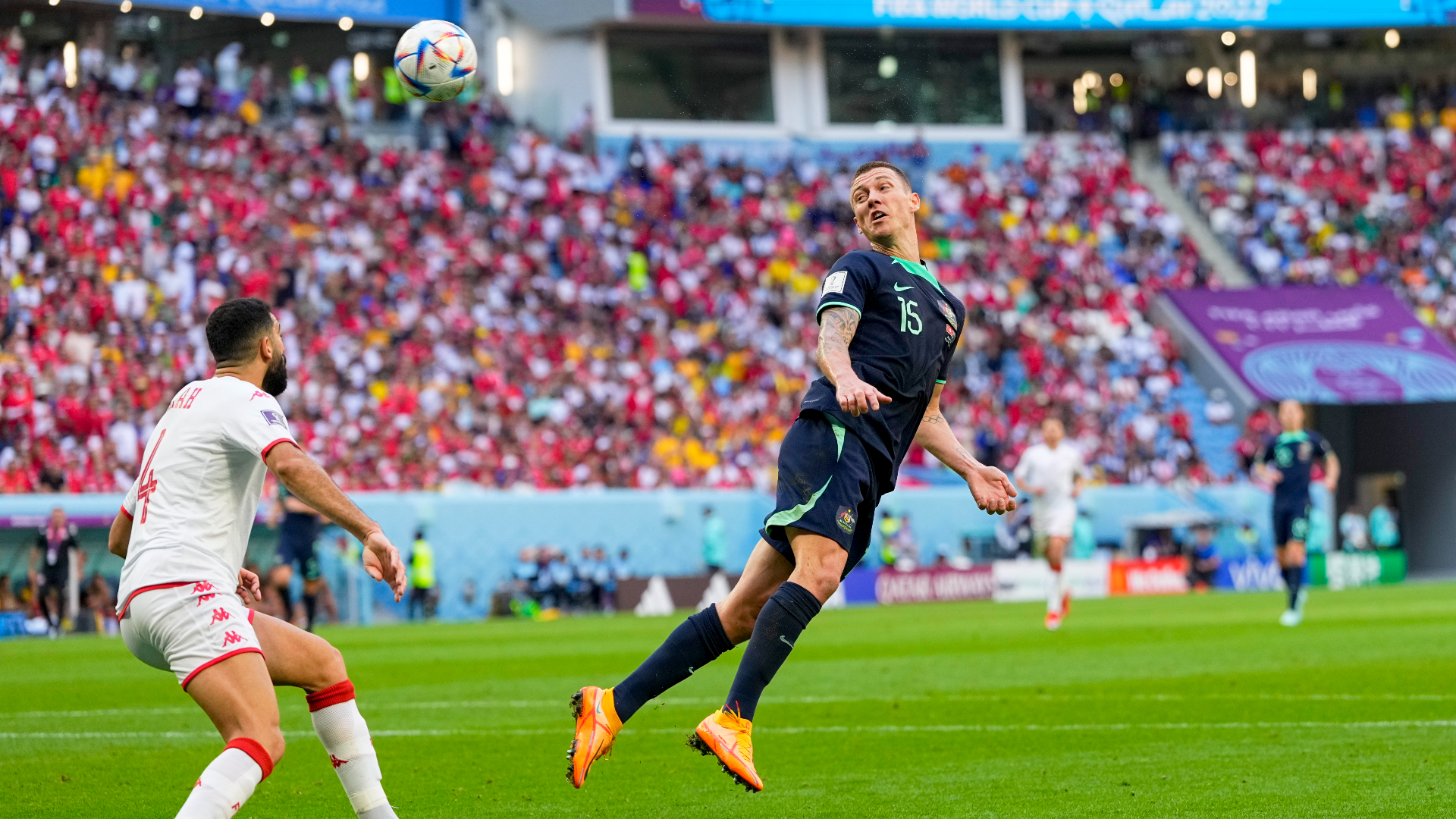
Mathew Ryan is the team’s leader and captain. The Levante goalkeeper will play in his fourth World Cup and remains one of the most iconic figures in Australian football.
He started throughout the qualifiers and, whenever he was in goal for the Socceroos, the team lost only once—the opening defeat against Bahrain. Ryan brings security, experience, and leadership on the field. He is a goalkeeper capable of preserving results and keeping the team competitive in difficult scenarios.
Everything suggests this could be his final World Cup, making his participation a special storyline within the tournament.

🧩 Team Keys
Strength: Defensive organization
Weakness: Limited attacking capability
Playing style: A compact team, strong in midfield, with a double pivot and wingers who drop back to become full-backs during the defensive phase.
📅 World Cup Matches
Group D:
🎯 Tournament Objective
Australia will aim to advance past the group stage and return to the Round of 16. For this generation, the World Cup represents an opportunity for growth and consolidation.
Australian football continues to evolve, and this team wants to prove it is no longer just there to compete, but also to challenge expectations and keep building its place on the international stage.
Follow all the coverage of the FIFA World Cup 2026 on beIN SPORTS.
Watch beIN SPORTS Xtra live for free on YouTube