
Why are there so many draws at the 2026 World Cup?
What’s happening in the group stage may explain why this World Cup feels so different
The combination of more competitive teams, a format that rewards avoiding defeat, and a shrinking gap between traditional powers and emerging nations is turning draws into one of the defining trends of the 2026 World Cup.

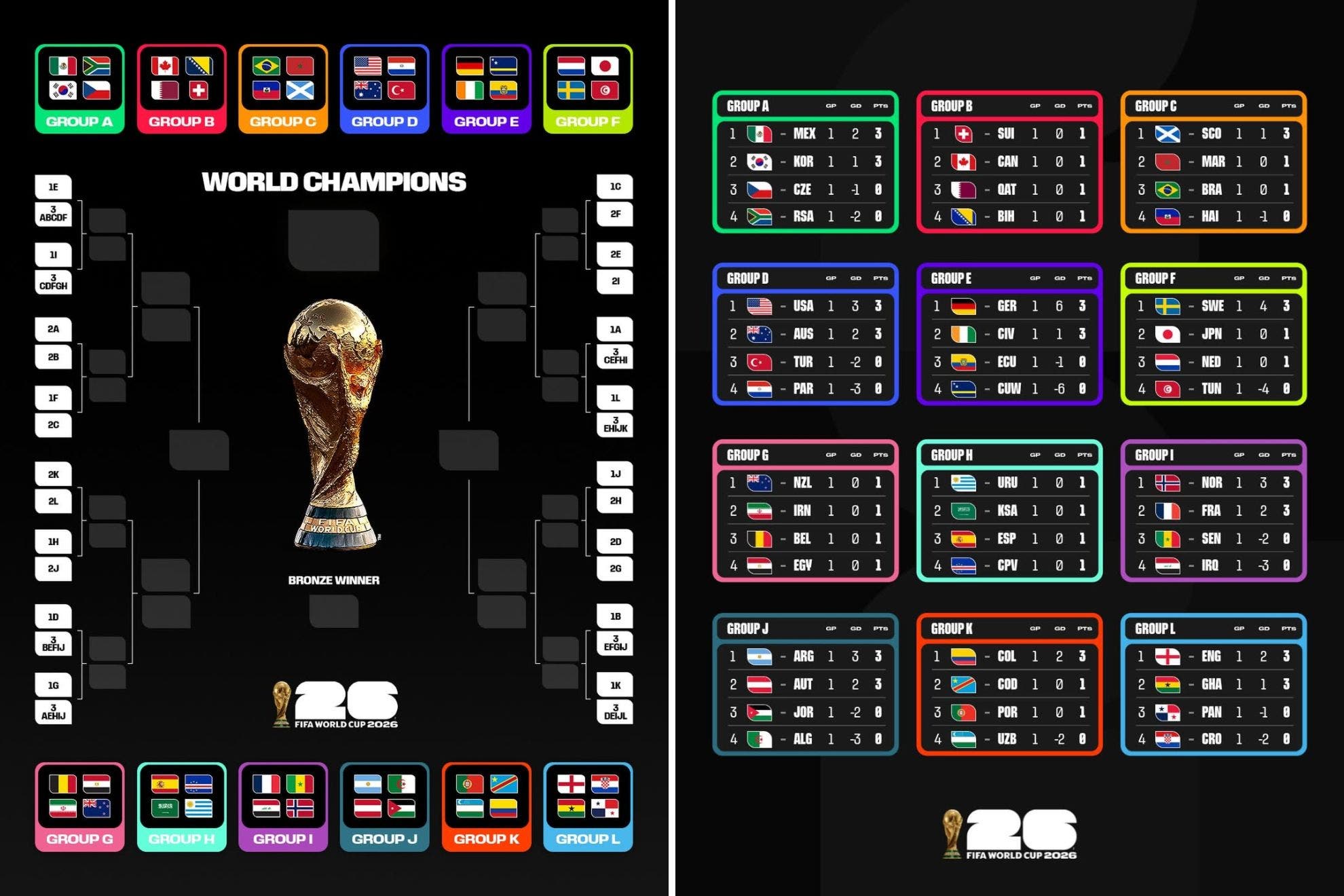
After the opening round of group-stage matches, several favorites had already dropped points. Brazil drew with Morocco, Spain was held by Cape Verde, Belgium shared points with Egypt, Portugal could not beat DR Congo, Canada drew with Bosnia and Herzegovina, and Switzerland settled for a draw against Qatar.
What stands out is not just the number of draws, but who is involved in them.
The biggest World Cup is also the most balanced
The expansion to 48 teams increased representation from regions that previously had fewer spots. Africa, Asia, and Concacaf arrived with more teams, greater international experience, and generations of players competing in Europe's top leagues.
Twenty years ago, the gap between favorites and emerging nations was often significant. Today, many of those squads feature players from the Premier League, La Liga, Bundesliga, and Serie A. The difference in quality still exists, but it is smaller than ever.
European powers no longer have easy nights
Several European giants have struggled to break down disciplined opponents.
Spain dominated possession and registered 27 shots against Cape Verde but still finished with a 0-0 draw. Portugal took the lead against DR Congo before being pegged back, while Belgium failed to find a way past Egypt.
The issue is not necessarily poor performances from the favorites. Many smaller nations have become tactically sophisticated, excelling in defensive organization, compact shapes, and quick transitions. In a short tournament, those qualities can be enough to neutralize superior talent.
The format rewards survival
The 2026 World Cup structure also plays a role.
With 12 groups of four teams, the top two nations advance alongside the eight best third-place finishers. As a result, a draw can carry more strategic value than in previous tournaments.
For many teams, especially in their opening match, avoiding defeat is often the priority. The risk of chasing a victory can outweigh the reward. Even with a larger tournament, teams still play only three group-stage matches.
A loss in the opener can leave a nation facing elimination, while a draw keeps qualification hopes intact. That reality often produces cautious, low-risk performances in the opening round.
The numbers back it up
After the first round of matches across all 12 groups, 7 of the 24 games ended in draws, nearly 29% of all matches played.
Among them were:
- Brazil 1-1 Morocco
- Spain 0-0 Cape Verde
- Belgium 1-1 Egypt
- Portugal 1-1 DR Congo
- Canada 1-1 Bosnia and Herzegovina
- Switzerland 1-1 Qatar
- Netherlands 2-2 Japan
The trend is difficult to ignore.
The real message behind the draws
The biggest takeaway is not that the favorites are underperforming. It is that winning World Cup matches is becoming increasingly difficult.
Globalized talent development, stronger football programs across emerging nations, and a format that rewards staying alive have reduced the historical gap between teams. In 2026, even the traditional powers have discovered that having the better players is no longer enough.
Breaking down disciplined, well-organized opponents has become one of the toughest challenges in international football, and that reality may continue to define this World Cup.