
- Home >
- Soccer >
- FIFA World Cup >
- The World Cup that saved soccer from disappearing and ended in the greatest shock
The World Cup that saved soccer from disappearing and ended in the greatest shock
Only five years after World War II, the World Cup returned on the brink of collapse with nearly 200,000 fans in football's most famous upset.
The 1950 World Cup was born in a broken world. Twelve years had passed since the last edition in 1938, with the 1942 and 1946 tournaments wiped out by World War II. Europe was still rebuilding, money was scarce, travel was complicated, and football’s biggest tournament was still trying to rebuild its place in the sporting world.
The tournament started with chaos before the ball even moved
The original plan looked much bigger than what actually happened. Several teams withdrew before or after qualification, leaving only 13 nations in the tournament. That gave Brazil 1950 a strange, uneven structure by modern standards, with groups of different sizes and a final round instead of a knockout final.
Brazil built a stage too big for failure
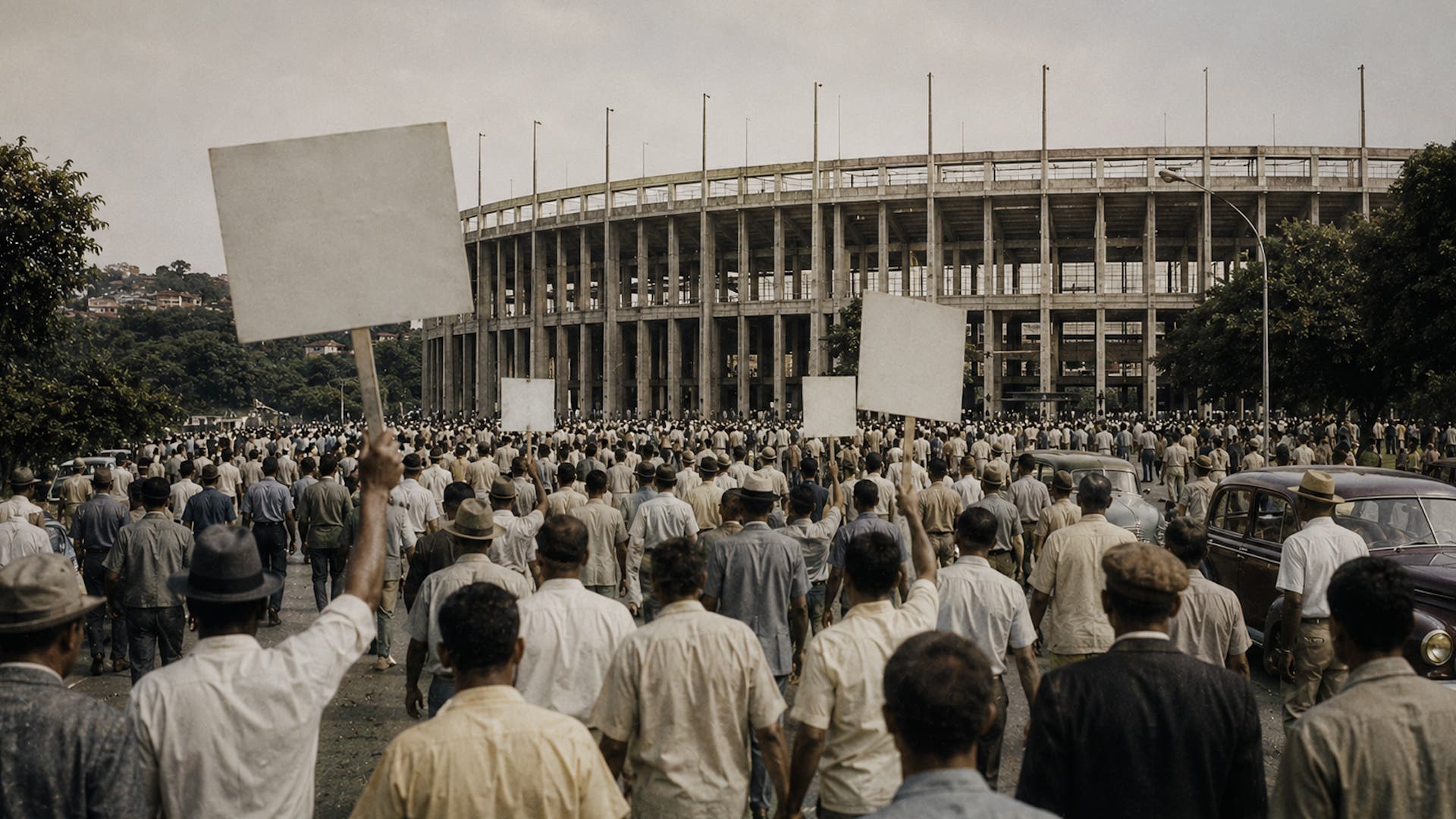
Brazil did not just host the tournament, it turned the World Cup into a national mission. The symbol of that ambition was the Maracanã, a massive stadium built specifically for the event and designed to welcome a crowd that seemed almost unimaginable at the time. On the field, Brazil played with the confidence of a team destined to make history, arriving as the overwhelming favorite to lift the trophy.
Before the tragedy, Brazil looked unstoppable
By the time the final round arrived, Brazil looked less like a contender and more like a champion waiting to be crowned. The hosts overwhelmed Sweden 7-1 and followed it with a stunning 6-1 victory over Spain, both in front of massive crowds at the Maracanã. Ademir emerged as the tournament’s top scorer with nine goals, and all Brazil needed in the last match against Uruguay was a draw to win its first World Cup. Officially, it was just another game in the final group stage, but to the players, the fans and the country, it already felt like a World Cup final.
The Maracanazo turned a rescue story into a national scar
On July 16, 1950, Brazil even struck first through Friaça shortly after halftime, making the coronation feel even closer. But Uruguay changed the script. Juan Alberto Schiaffino equalized, Alcides Ghiggia scored the winner, and the Maracanã fell into the most famous silence in football history. Uruguay won 2-1 and lifted the trophy, while Brazil was left with the Maracanazo, a defeat so deep it became part of the country’s football identity.