
The atmosphere in Mexico has been building around one of the biggest global celebrations, where nationalities and languages fade into the background. The World Cup continues to show how football becomes a shared language, bringing together different cultures in the same space and turning competition into something that often goes beyond the pitch.
Mexican and Korean fans face off when “Gangnam Style” starts playing in a bar
What began as tension turned into a shared moment on the World Cup stag

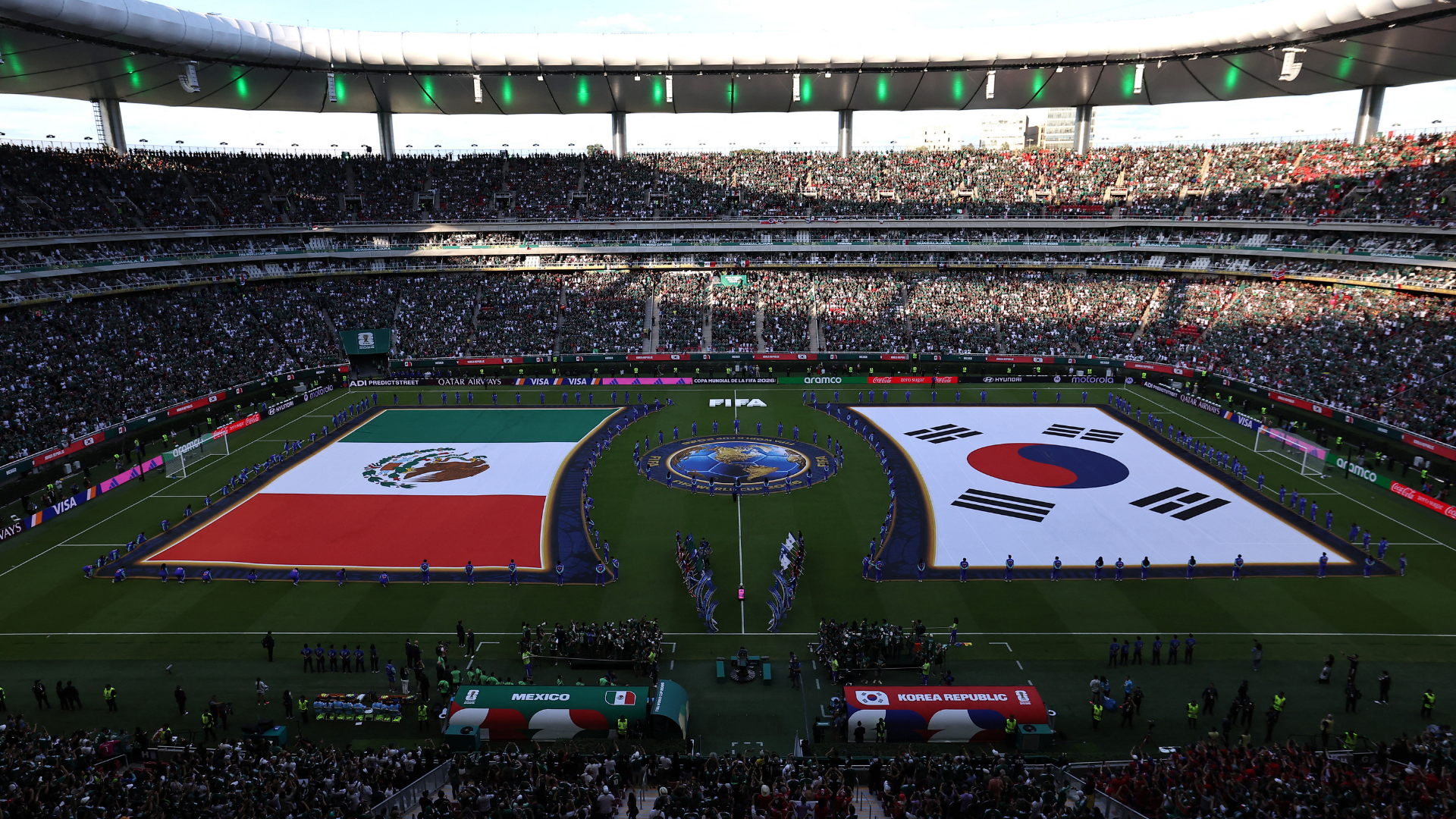
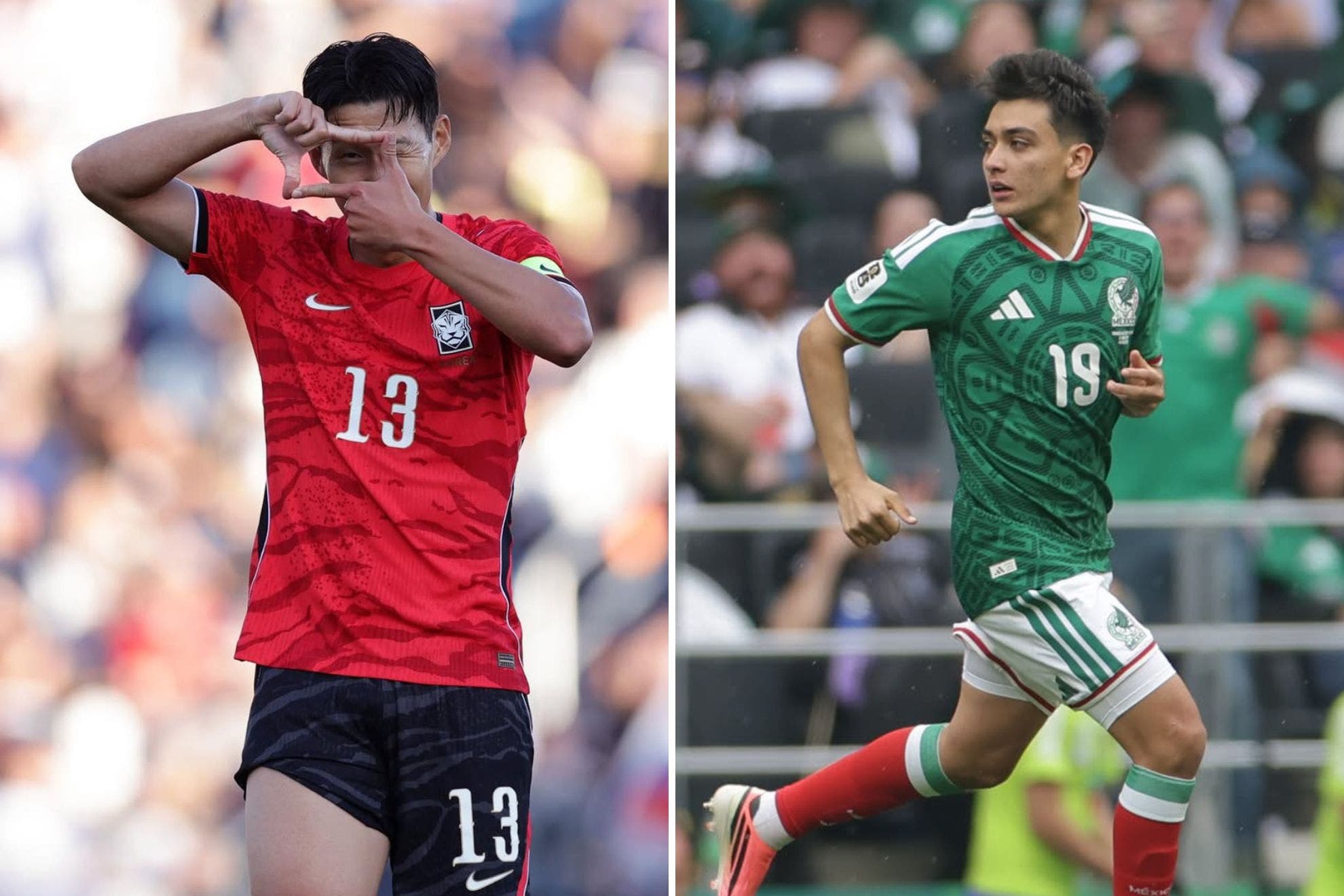
The relationship between South Korea and Mexico in football traces back to the 2018 World Cup in Russia, remembered for an unexpected sporting outcome and a light-hearted reaction from Mexican fans.
A World Cup memory still present
At that tournament, Germany needed a win against South Korea to stay in the competition. The Korean side ended up winning 2-0, a result that also helped Mexico reach the round of 16. The reaction from Mexican supporters was immediate, with celebrations both in Russia and outside the South Korean Embassy in Mexico City, where fans even lifted Korean citizens onto their shoulders in celebration.
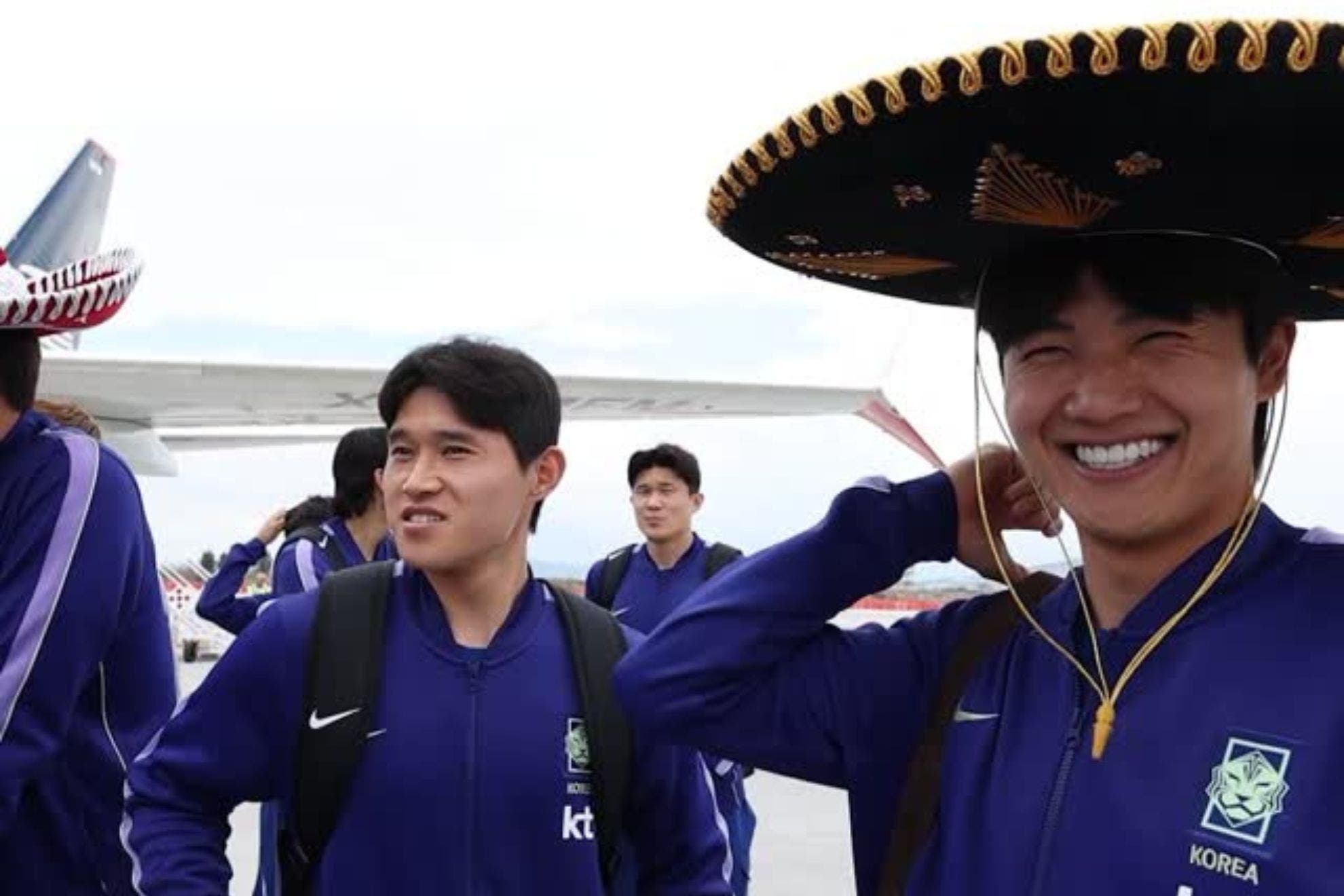
Now, with Mexico hosting, that memory remains part of the fan culture. Even with both teams in the same group and set to face each other later in the tournament, the mood around matches and fan zones stays relaxed until kickoff. Outside the stadium, interactions between supporters remain social, with moments of friendly competition during FIFA fan events and in key areas of host cities.
No real competition off the pitch
In several gatherings, Mexican fans have challenged Korean supporters to dance to “Gangnam Style” whenever the song plays. The response has been just as open, with Korean fans joining in and turning it into informal dance-offs rather than confrontations. It is in one of these settings, inside a bar, where a moment that appeared could have been tense between both groups shifted when the song started playing, changing the dynamic completely.
The tournament continues to highlight how different its atmosphere can be off the field, where the real battles are reserved for matchday. Until the opening whistle, rivalry does not fully take shape, and interactions remain closer to shared celebration than conflict.
Mexico’s supporters have continued to shape that environment, pushing a strong fan culture built on atmosphere, music, and inclusion. The intention has been to make visitors feel welcome, leaving a broader impression of the country and its people during the tournament.